The Cayman Islands Ministry of Health and Wellness has issued an advisory notice to local residents to warn them of the risk of transmission of Oropouche virus, which can be spread by mosquitoes.
No cases have been reported in Cayman, local health officials confirmed.
After the virus was found to be spreading in Central and South America and the Caribbean, including in places where no previous cases had historically been reported, the Pan American Health Organisation (PAHO) issued an alert earlier this month about the virus.
Cayman Islands Chief Medical Officer Dr. Nick Gent said in a statement Friday that, as the overall risk level for the region has been upgraded to high by PAHO, “and given our connection to numerous countries that have been impacted by this virus – mainly Cuba, Brazil, Colombia, Peru and Bolivia – it is in our best interest to ensure our residents are aware of these risks and to take precautions when travelling to endemic area”.
He added that as the insects that can transmit the Oropouche virus are present in the Cayman Islands, “remember to take measures to prevent onward local transmission”.
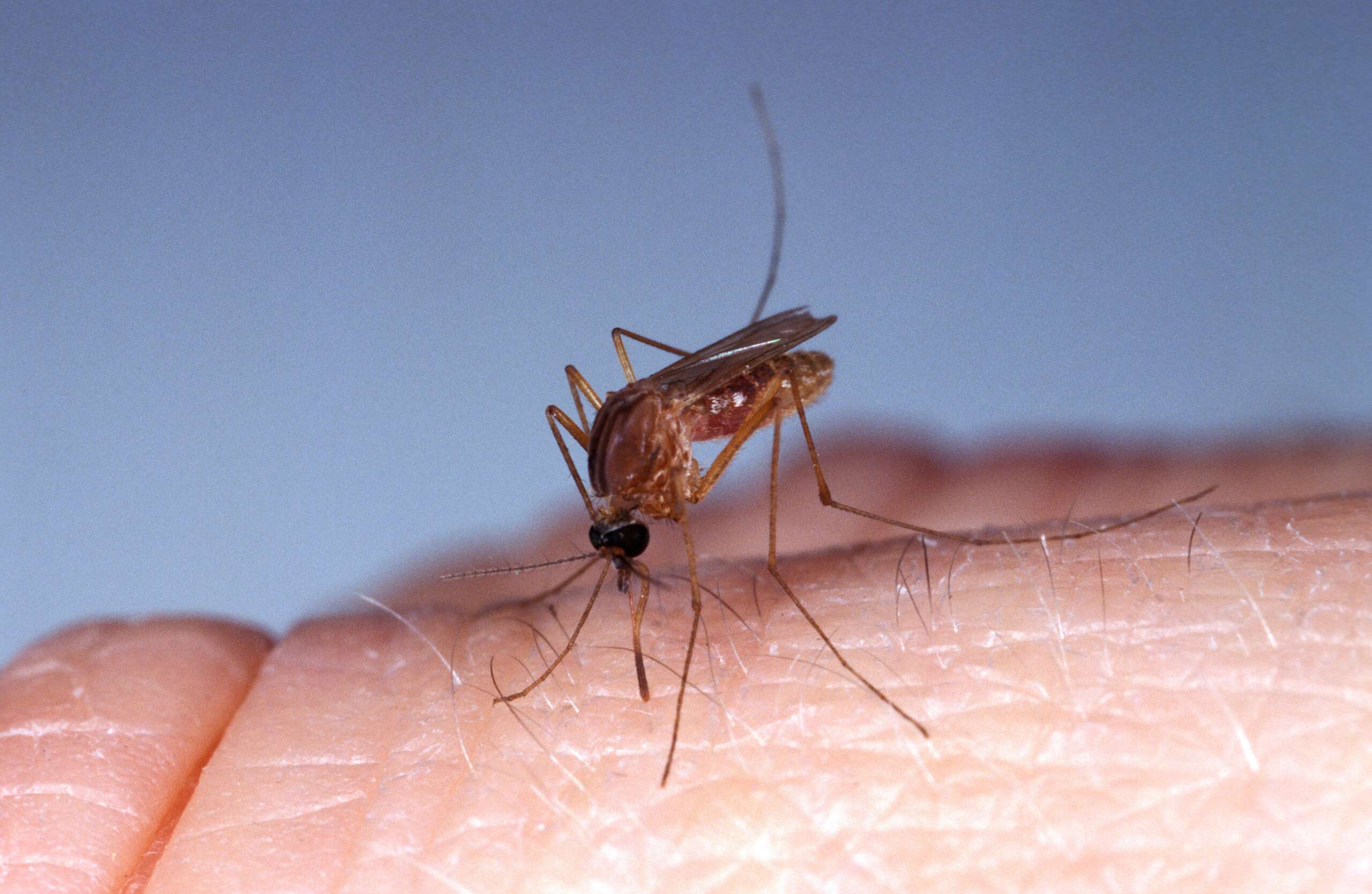
The Oropouche virus is transmitted to humans by the bite of a midge (small fly) and certain mosquitos, including the Culex quinquefasciatus, also known as the southern house mosquito, which are found in Cayman. Currently, there is no evidence of human-to-human transmission.
The symptoms of the disease are similar to those in dengue cases – fever, headache, joint stiffness, pain and chills. The symptoms usually persist for five to seven days.
While severe cases of illness are rare, two deaths have been reported, both in Brazil, according to the 1 Aug. alert from PAHO, which reported that, so far this year, there had been 8,078 confirmed cases in the region. According to PAHO, this is the first time deaths have been attributed to the virus.
There is no specific treatment or vaccine available for Oropouche virus disease, which was first detected in 1955 in Trinidad and Tobago. It is named after the region in Trinidad in which the lab where it was discovered and isolated was located by the Oropouche river.
“Locally, we have been developing the capacity to be able to test for Oropouche Virus at the Cayman Islands Molecular Biology Laboratory at the Health Services Authority,” Medical Officer of Health Dr. Samuel Williams said in the statement. “The assay is currently being validated and health providers will be notified when it is available for use.”
Anyone experiencing fever, and either muscle or joint pain, are encouraged to contact their general practitioner for advice and testing, especially if they have recently travelled to an endemic area.
Those who are travelling through affected areas are encouraged to use insect repellent, and take precautions to prevent bites.
How to protect against mosquito bites:
- Use mosquito repellent, especially during peak times of mosquito activity (dusk and dawn)
- Wear light long-sleeve shirts and long trousers
- Take steps to keep mosquitoes out of your home by the use of air conditioning, and window and door screens
- Once a week, empty and clean, turn over, cover, or throw out items that hold water, such as tyres, buckets, planters, toys, pools, birdbaths, flowerpots, or trash containers. This will destroy mosquito breeding sites. Check inside and outside your home. Mosquitoes lay eggs near water.
- Contact the Mosquito Research and Control Unit on 949-2557 with a service request should the mosquito situation in your area be of concern.
Related Videos