


Financial Services Minister André Ebanks has come to the defence of the ongoing consultation process on the proposed increased fees regime, saying his ministry was supporting the government’s budget policy statement.
Among those that could be impacted by the fees is the government workers credit union, which has spoken out against the proposed $200,000 fee for cooperatives.
In a statement on Friday evening, Ebanks sought to clear the air on the fees and the caucus/Cabinet approval process.
He said the ongoing consultation process “is designed” to give stakeholders input into the recommendations that the ministry prepares, seemingly countering the stance taken by Premier Juliana O’Connor-Connolly, who was critical of the ongoing process.
She said she was not aware of the fee change for the Civil Service Association (CICSA) Co-operative Credit Union, of which she is also a member, and said on government radio that nothing of the sort was presented to caucus or cabinet.
O’Connor-Connolly made it clear this week that she will not support the proposed $200,000 fee for the government workers credit union.
Though Ebanks’ statement on Friday did not address the Premier’s comments, he explained that at the end of the consultation process he will “present analysis and recommendations to Caucus. Per standard procedures, Caucus will then decide which revenue measure recommendations to support. Caucus’ recommendations then advance to Cabinet for formal approval.”
He stressed that no formal action has been taken to change the fees to date.
The credit union, though initially started as an institution for civil servants, now boasts 19,000 members, which includes health and utility company workers.
It finished 2023 with net income of $16.4 million.
Fees in line with budget mandate
However, while Ebanks confirmed no formal action has been taken to change fees, he said the proposed fees are following the “broad mandate” given to ministries to review all current fees and consider new revenue.
This, he explained, came out of the budget statement last December and the Cayman Islands Government’s 2024/2025 Budget, both of which were delivered by O’Connor-Connolly were subsequently approved by Parliament.
“This is to assist the Government meet the country’s budgetary needs in 2025. It was expected that many fees would be considered that derive from financial services, including Cayman Islands Monetary Authority licence fees – those that might be suitable for an increase, as well as potential new fees,” he said in the statement.
The deputy premier, who only referred to himself as the Minister for Financial Services and Commerce in the statement, said the ongoing exercise is being done in consultation with most financial services entities, including the credit union.
On Friday, Ebanks met with credit union officials at his office to discuss the concerns raised by its leadership which issued a survey to members seeking their vote against the increased fee.
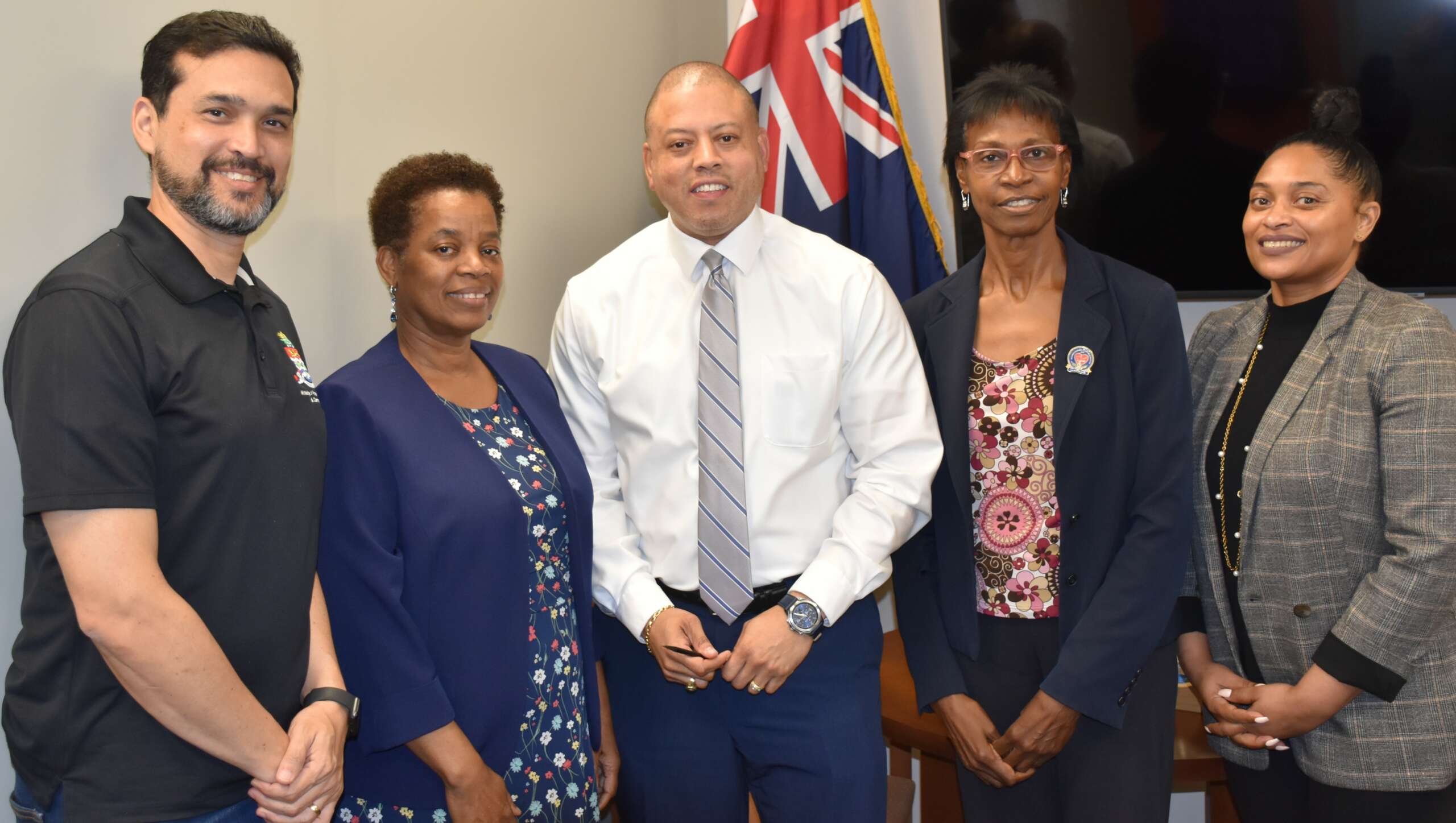
In a post on his official Facebook page, the minister described the meeting as “very constructive”.
He thanks the delegation for their perspective on the initial fee proposal.
“Our discussions were helpful, data-driven and insightful providing a great platform for further dialogue on separate matters like housing finance for older persons. Always inspiring for dedicated Caymanians to come together for the common good, discuss issues constructively, and ending a productive session in unity and prayer,” the post stated.
There was no indication if the proposed contentious fee would be adjusted.
In his statement, which followed the meeting, Ebanks said he appreciated all feedback that has been shared to date, including by the credit union.
“I also ask all stakeholders to continue providing feedback so that the Ministry can develop well-informed analysis in the overall best interests of the country,” he said.
Related Videos












Minister Ebanks raising fees in the current environment is hurting many caymanians not just government employees. Lots of businesses remains profitable especially in the financial industry. However it is not mandated that these profits are shared with employees. Also, have you seen the fees at the banks? Some banks don’t even want you to enter in their banking halls.
This fee if imposed, is going to hit everyone. From the civil servants and members who are presently earning an income, to former workers in their 70s to 90 whose only income is the dividend from their shares to people who receive no income at all. Is this a “take it or leave it “heavy-handed approach” by ‘big brother-Government or am I missing the point?.’ Has it been decided already, and we will be told about it at the next AGM?