

Controversial amendments watering down the National Conservation Act were published Tuesday, as government signalled its intent to push ahead with contentious legislation despite its minority status.
The proposed changes would effectively remove the power of the National Conservation Council to make the final call on planning decisions which impact protected areas or species, including marine parks.
The amendments also appear to carve out an exception for Cabinet, diluting the power of the council to influence its decisions.
That could mean, for example, the government of the day could choose to proceed with major infrastructure projects such as a new port or highway, without carrying out an environmental impact assessment.
It also appears to make consultation with the conservation council on coastal works applications – the approval process for any piers or developments in the water – optional for Cabinet.
Government has not explained its rationale for the changes. Previously critics of the legislation have suggested it puts too much power in the hands of unelected officials and can serve to hold up major national projects.
While the proposals themselves are contentious, perhaps a more fundamental disagreement surrounds the timing of the changes which come as the last gasp gambit of a moribund administration which does not command a majority in Parliament.
Political opposition
The decision to proceed with the changes also comes in spite of both opposition groups stating unequivocally that they will not support the legislation at this time.
The proposals were cited by former Deputy Premier André Ebanks as one of the key reasons for his resignation along with three other MPs, including Katherine Ebanks-Wilks, who was Minister of Sustainability. Their departure left government with only seven members, meaning they need opposition support to pass any legislation in parliament.
The Progressives and Ebanks’ group have made it clear they will only support non-controversial legislation and have already spoken out about what they consider to be overreach from the minority UPM government on a number of other issues.
Asked specifically about the rumoured conservation amendments – which finally materialised on New Year’s Eve – the Progressives, who are believed to be sympathetic to the concept of reforming the law, said they would not support it at this time.
A spokesman told the Compass earlier this month the party would object to the amended bill being on the order paper for Parliament and, if that failed, would vote against it in the House. Asked for comment Tuesday, Progressives leader Joey Hew confirmed the party’s position remained the same.
Ebanks has also indicated that he and his group – who have more fundamental objections to the nature of the proposals – would vote against it.
If both groups hold that position then the amendments would not have enough support to be passed into law.
Sustainability Minister Dwayne Seymour did not respond to requests for comment from the Cayman Compass on the issue following the publication of the bill Tuesday afternoon.
National Conservation Council chairman Stuart Mailer said neither he nor any members of the council had been consulted or informed that the amendments were being published.
The Compass will report more fully on the reaction and implications of the amendments as the respective parties digest their impact in the coming days.
Significant changes
Other significant changes outlined include the creation of an appeals process for any conservation council decisions involving a new tribunal and making Cabinet the final point of appeal. The impact of that would mean politicians could ultimately overrule any decision of the council.
The bill also states that any decision of the council that is under appeal would cease to have effect while that process takes place.
A new clause in the proposed legislation also removes the ability for the council to go to court to enforce its decisions, without the explicit approval of the Attorney General.
That follows a high profile case in which it successfully secured a judgment confirming that the legislation indicates it should have the final say on planning decisions impacting protected areas and species.
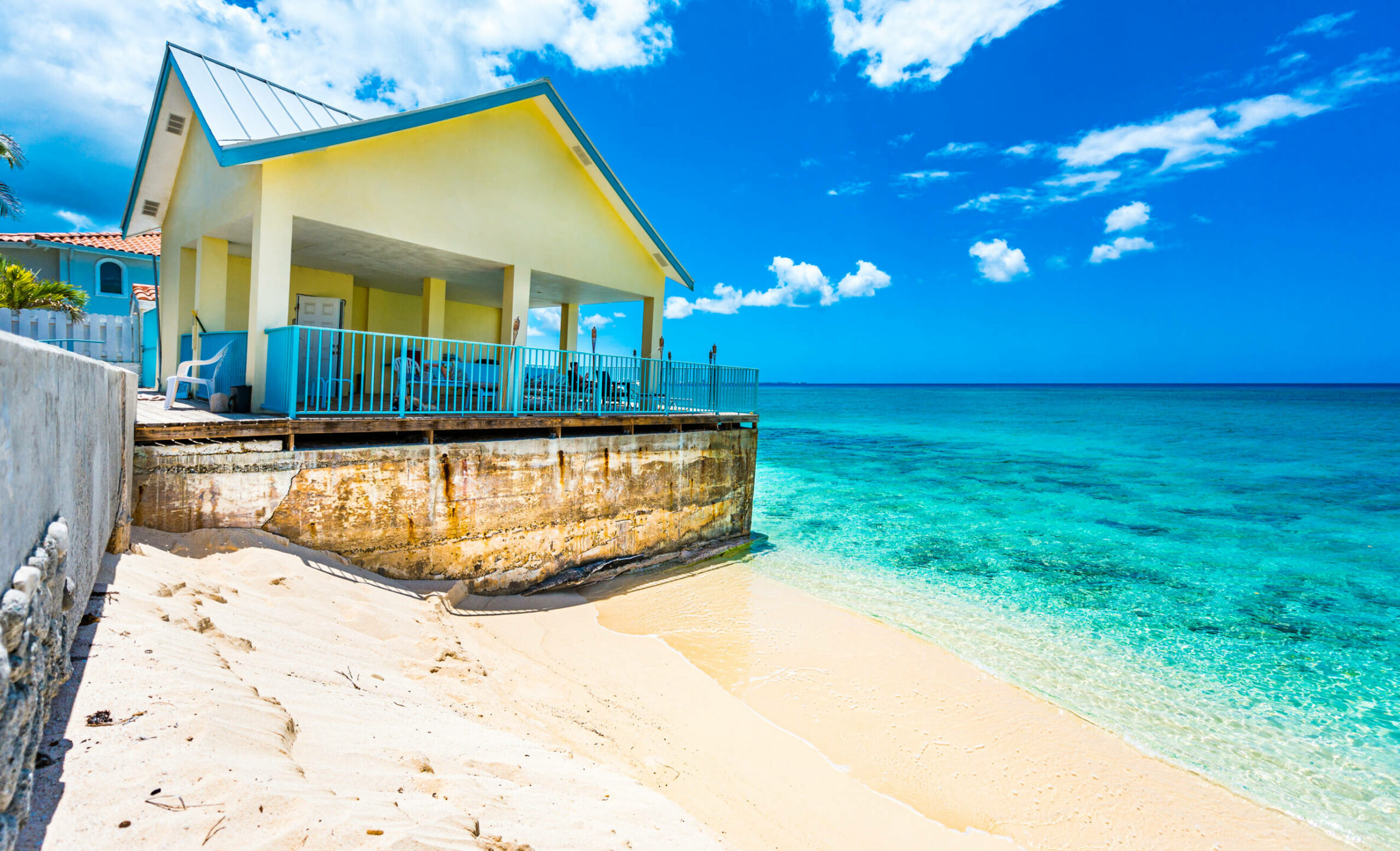
That case centred on a developer’s plan to rebuild a heavily compromised cabana and sea wall that was falling into the sea on Boggy Sand Road. The Central Planning Authority had approved the plans but were directed to reject them by the conservation council which warned that renovating a building – already so close to the water’s edge that waves lapped against it at high tide – was a threat to the Seven Mile Beach Marine Park.
The court case argued the nuance of Section 41 of the National Conservation Act with a judge ultimately deciding that it does empower the council to have the final say in cases where it believes a development poses a serious threat that cannot be mitigated to a protected area.
The proposed amendments replace that section of the law entirely adding the crucial caveat that entities like the planning authority now have discretion to disregard the advice of the council.
Softening the language of the original act, it states that the council can make recommendations but not directions and that “an entity shall comply with that recommendation unless it considers that there are good reasons not to do so.”
The act also moves responsibility for the management of the Environmental Protection Fund entirely to Cabinet. The fund was initially created as a means to purchase land that could be protected for conservation purposes. Various governments have broadened that definition, most recently using it, for example, to help cover the budget of the Department of Environment.
Related Videos













This is a really good move. The current NCC law was a massive overreach and should’ve never passed and the way that that law was wielded by those in control shows that the people with absolute power were not operating in the best interest of the Country. Too much bureaucracy. Too much environmental overreach. Not enough common sense and care for the people. This is the pushback we all needed as a nation and it’s good for Cayman. I’ve said it before — there are small vocal minority of environmental zealots who have an outsized voice in this country and who don’t work in alignment with the wishes of the majority of the population. I think they’re smarter than everybody else in the room and they think they know what’s best… Well, they don’t. This is the pendulum swing the other way and I’m very happy about it for the country.
The National Conservation Law should not be CHANGED. Sustainable Environmental development oversight is needed for the Cayman Islands.
I have been a project developer in the Cayman Islands since 1980. Always enjoyed working with the DOE in making sure our projects were sustainable with the Cayman Islands environmental goals.