
Social media has exploded since the first major sites of the late 90s and early 00s.
Six Degrees, followed by MySpace and Friendster, paved the way for Instagram, Facebook, X, LinkedIn and numerous other platforms which we utilise today.
In 2005, the year after Facebook launched, a study found that 5% of American adults used some form of social media. By 2019 that number was 72%, according to the Pew Research Center.
There’s no escaping it, social media is engrained in the day-to-day lives of billions of people, but how can we use it to our advantage when it comes to career growth?
To find out more on the pros and cons of social media, Careers Guide talked to Sophie Prior, ex-lawyer and founder of social media powerhouse Lustic Media, which was acquired by Airvu in December 2024.

FROM LEGAL TO LIFESTYLE
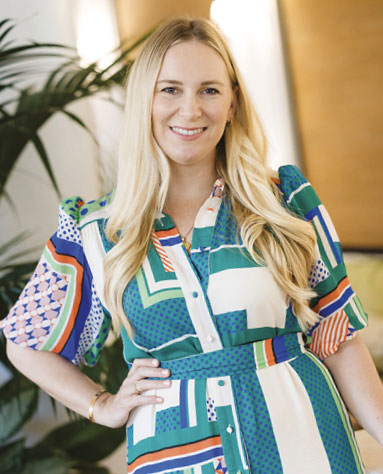
Sophie’s media career began with the launch of her lifestyle blog Lustic Life more than a decade ago, on the side of her career as a hedge fund lawyer.
“[It was] a creative outlet to explore my love for photography, writing, travel, and connecting with like-minded individuals,” says Sophie. “Balancing this passion-project alongside the demanding hours of my legal career gave me a sense of purpose and accountability for nurturing my creativity. It became a way to prioritise trying new things, exploring new places, and sharing those stories with a growing audience.”
Her increasing following, and knack for both original and external content curation, became noticed, with local businesses approaching her for marketing assistance on
social media.
“That was my lightbulb moment – a realisation that I could combine my skills and passion to create something entirely new,” Sophie says, and it was then that Lustic Media was born.
SOPHIE’S INSIGHTS
Q: Can social media have an influence on one’s career journey?
A: Yes, social media can significantly influence one’s career journey both positively and negatively.
Positive influences include building your community, networking opportunities, personal branding, and access to job openings.
Social media platforms allow individuals to connect with industry professionals, showcase their skills, and share their work, which can lead to career advancements – often in very new and exciting directions that would be harder to replicate elsewhere. It’s how my marketing agency was born so I am forever grateful to the power of social media.
Negative influences may involve potential employers reviewing social media profiles and finding unprofessional content, which can harm job prospects, so it’s important to self-evaluate what you share online. Asking yourself, “Would I be OK with this being seen in an interview?” is a good status checker.
Q: What is your social media advice for those looking for a job?
A: Generally, social media can be used as a proactive and positive tool in the job-search process. However, it requires care and consideration as most employers will review your online presence before offering you a job.
Here are Sophie’s top six tips to having social media when applying for jobs:
- Optimise your profiles: Ensure your LinkedIn and other social media profiles are complete, professional, and reflect your skills and experiences. If you want to keep your Instagram, Facebook, TikTok or Snapchat private, that’s fine too. Still, I would consider that once something is posted online, it’s challenging to make it genuinely private so I would consider closing any accounts you no longer use or find align with your new career opportunities.
- Network actively: Connect with your community leaders and industry professionals, join relevant groups, and engage in discussions to expand your network in an authentic way.
- Share relevant content: Post articles, insights, or updates related to your interests and field of work that showcase your passion, knowledge and interests. Even if it feels like no one cares, just share what feels aligned for you.
- Monitor your online presence: Regularly check what appears in search results for your name and manage your digital footprint. It’s sometimes helpful to go back and clear up any old school or university pictures or statuses that no longer reflect who you are in this stage of life.
- Use job search features: Utilise job boards and features on platforms like LinkedIn to find and apply for job openings.
- Be professional: Maintain a professional and respectful tone in all interactions and avoid posting controversial or inappropriate content unless it’s something you feel comfortable talking publicly about (again in an interview, too).
Q: What about those looking to further their current career?
A: Social media can help those looking to further their current career. It provides networking opportunities, allows individuals to showcase their skills and achievements, and can be a platform for professional development through industry-related content and connections.
Q: What about those who want to make social media their career? How
does one start the journey to being an influencer, and what are the highs and lows of pursuing this as a career or side profession?
A: To make social media a career, I would first look at building a strong brand and community following. Social media works best when it feels organic and authentic, so monetisation shouldn’t be the first and only goal – as your community will feel that, and it may hinder your long-term success.
Building a strong social media brand allows you to create partnerships with other aligned brands that will pay for your content. There are various ways to structure this, including sponsored posts and content creation or avenues like affiliate marketing.
The term influencer is becoming less and less utilised (perhaps because of negative press), but the essence of the role is still alive and well, and a viable career option. For this article, we’ll refer to an influencer as a ‘content creator’, but really, an influencer encapsulates various roles and skill sets (including brand ambassador, celebrity, trendsetter, producer etc.)
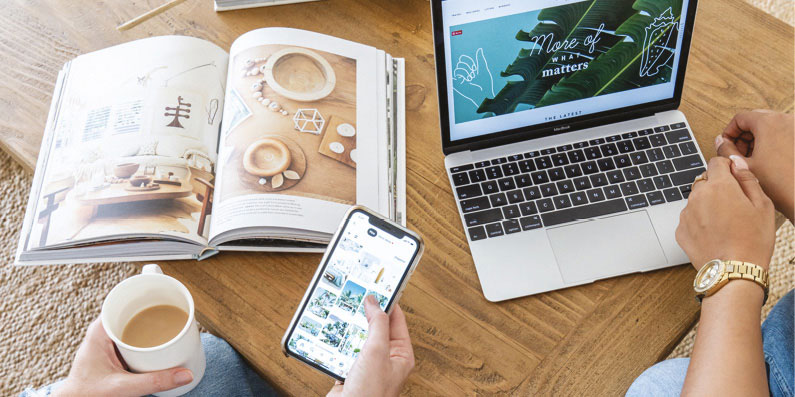
To start the journey as a social media content creator, one should:
- Identify a niche or area of expertise that feels aligned with your passions, interests and skills.
- Build a strong personal brand and consistent content strategy around that niche.
- Engage with followers to create a loyal community.
- Reach out to brands, companies and other creatives to collaborate on shared interests.
The highs of being a content creator include creative freedom, work flexibility, travel opportunities, and creating a living by doing what you love. However, the lows can involve pressure to maintain a public persona, fluctuating income, and staying relevant in a saturated market.
This article originally appeared in Compass Media’s 2025 Careers Guide.
Related Videos