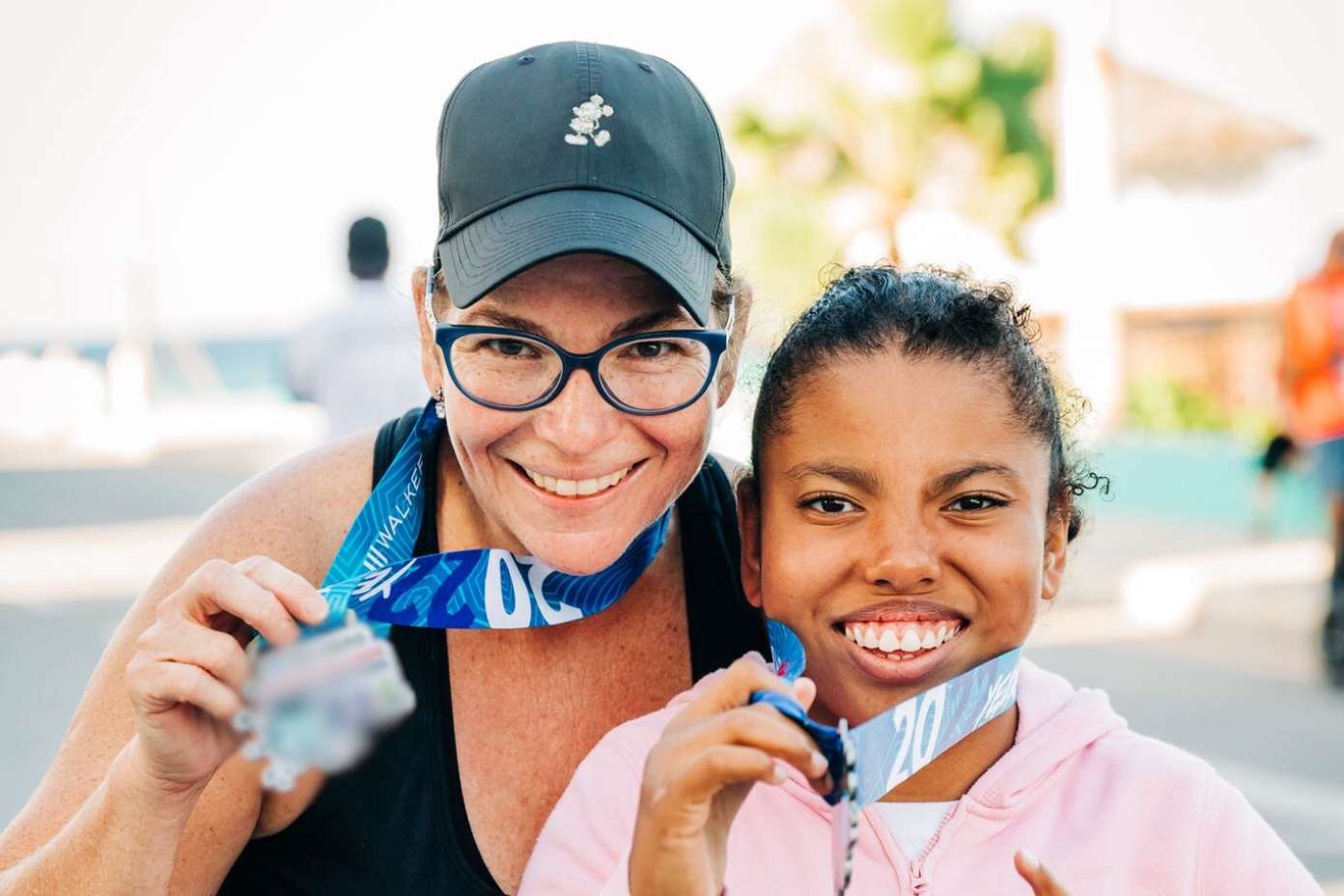
As a generational Caymanian, Shan Harriman didn’t want to leave her country. But as the mother of a child with complex disabilities, she was unable to find an educational setting that could meet her daughter Alexia’s needs.
“I had to leave my own country — for my Caymanian child to be taught,” she told the audience at a recent event focused on advocacy for people with disabilities.
Harriman has since returned to the Cayman Islands and now leads Inclusion Cayman, a nonprofit that supports and advocates for individuals with developmental disabilities and their families.
Her story is far from unique. Inclusion Cayman has worked with more than 100 families across the Cayman Islands.
“We hear from parents every single day who are in crisis,” Harriman told the Compass.
She described how parents come to Inclusion Cayman with stories of children being expelled or quietly edged out of school environments. Some are denied entry outright. Others are accepted only on conditions that strip away dignity — like attending school part-time or paying full tuition while being required to provide their own aide.
Chiedza M’Payah, a mother whose son Malik was diagnosed with autism, says she was regularly summoned to meetings with his school to discuss his behaviour — behaviour she says was linked to his diagnosis, not defiance.
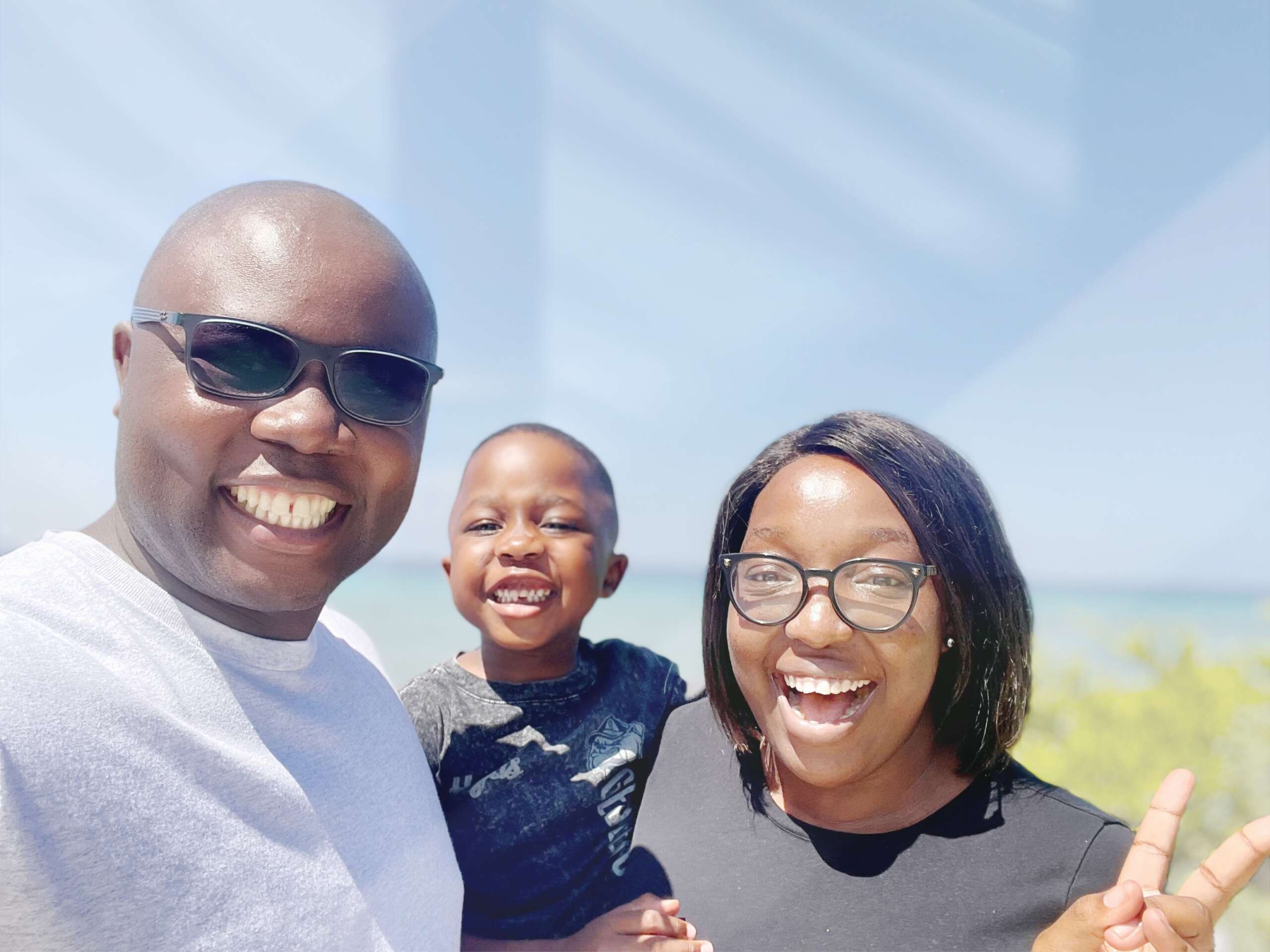
“We were emotionally drained, uncertain and deeply worried about the road ahead,” she said.
“Parents of neurodivergent children aren’t asking for special treatment — we’re asking for fair chances.”
Even when schools attempt to be inclusive, Harriman said, the efforts often fall short.
“I have sat in those meetings; I have felt the sting of rejection cloaked in politeness,” Harriman said.
“I have cried in my car after yet another door closed on my daughter. I have watched her spirit dim — not because she wasn’t capable, but because the system told her she didn’t belong. It’s devastating.”
Families describe inconsistent accommodations and a lingering stigma around developmental diagnoses. Even in private schools, where annual tuition can rival that of top-tier US institutions, parents report being asked to hire personal aides at their own cost, or being told, without warning, that their child will not be re-enrolled.
In some cases, they are offered no explanation.
Shaniquea Bailey-Craig remembers the email she received one week before the school year began. Her son, Ethan, had been registered. But suddenly, he was no longer enrolled.
“After paying registration fees and buying uniforms, we were told he wasn’t on the enrolment list. No warning. Just an email. The messages that followed from the school were cold and inhumane,” Bailey-Craig recalled.
“I felt angry, anxious, numb. We were lost, unsure of what to do or where to turn.”
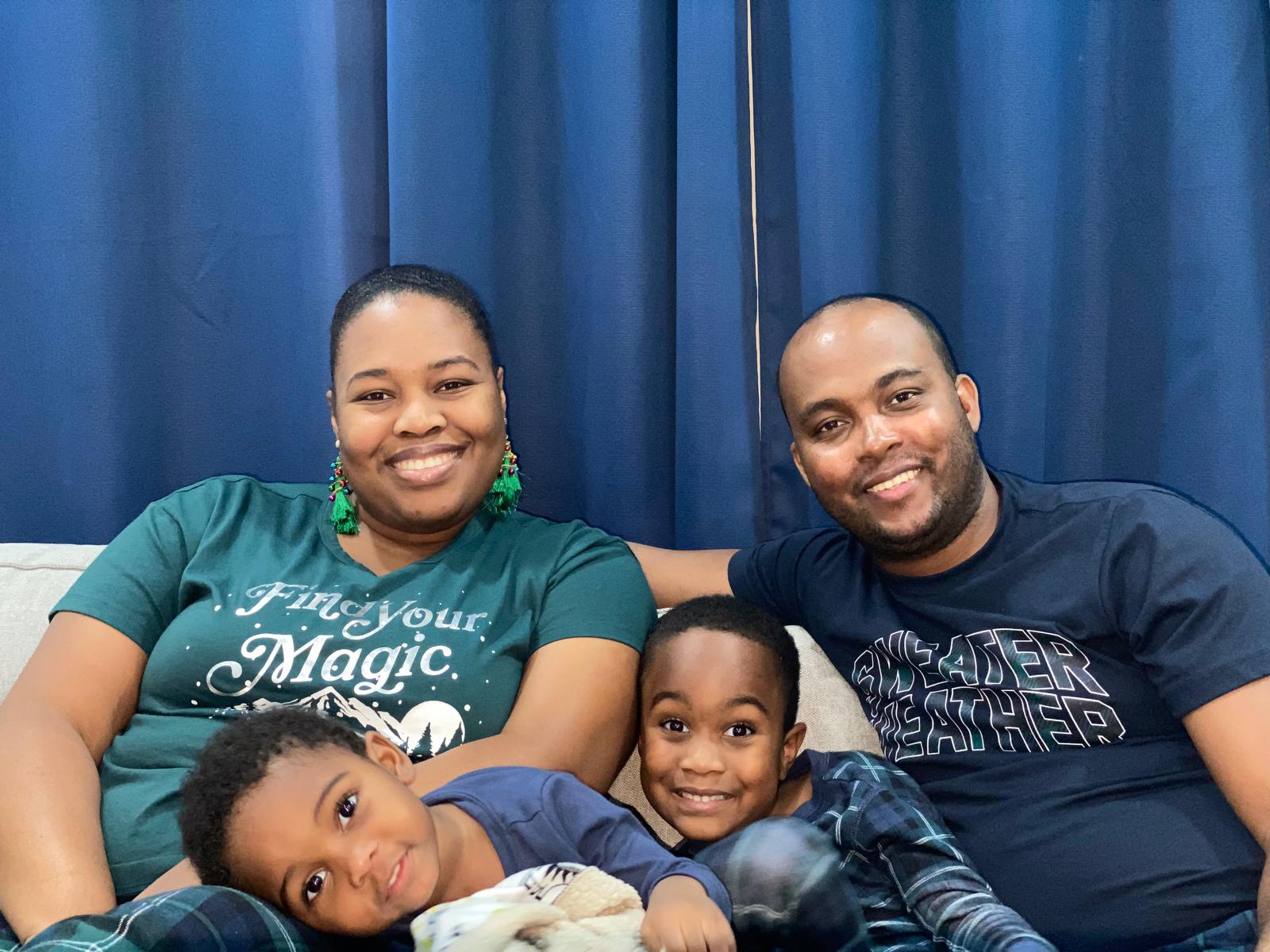
The impact of these exclusions is cumulative. Caregivers are forced to spend hours in meetings, coordinating therapies, fighting for fairness and support, often while working full-time jobs. Others simply drop out of the workforce altogether.
A UK-based survey found that three in four parents of children with disabilities either reduce their hours or leave employment entirely. In Cayman, where therapy, aides, and even school placement often come at a premium, that economic fallout can be devastating.
“How can a mother work full-time, pay for tuition and a support aide, and still provide full-time care?” Harriman asked.
“The math doesn’t work. The cost is more than financial.”
Then there’s the emotional toll. One international study found that 42% of parents of disabled children reported experiencing suicidal thoughts or behaviours. Another found that they experience double the rate of psychological stress compared to other parents.
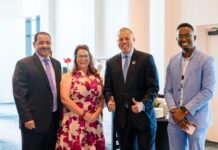
At the Making Waves Breakfast hosted by Inclusion Cayman this May, parents gathered at The Ritz-Carlton, armed with testimonials, telling the stories they rarely get to tell — stories of rejection disguised as good intentions; of being invited to meetings where the subtext is clear: your child does not belong here.
Being the parent of a ‘different’ child can be profoundly isolating. The parent stops being just a mom or dad — they become an advocate, a medical expert, a case manager and sometimes a warrior.
One great teacher or advocate can change everything.
Inclusion Cayman, too, is working on changing everything. In the past year, the organisation has delivered over 30 free workshops and trainings, participated in more than 20 advocacy events, and fought alongside parents to ensure inclusive education, work and community life for their children.
“For parents of children with disabilities, the greatest challenge isn’t the diagnosis; it’s navigating a world that was never built with our children in mind,” Harriman said.
“We carry the weight of advocacy, uncertainty and love every single day, often in silence. While others move forward with confidence in the system, we fight for the basic right to belong, and in that fight, we often feel profoundly alone.”
Caregivers of children with disabilities are not just parents. They are unsung heroes. And their stories deserve to be heard.
Related Videos