Analysis by Richard Maparura
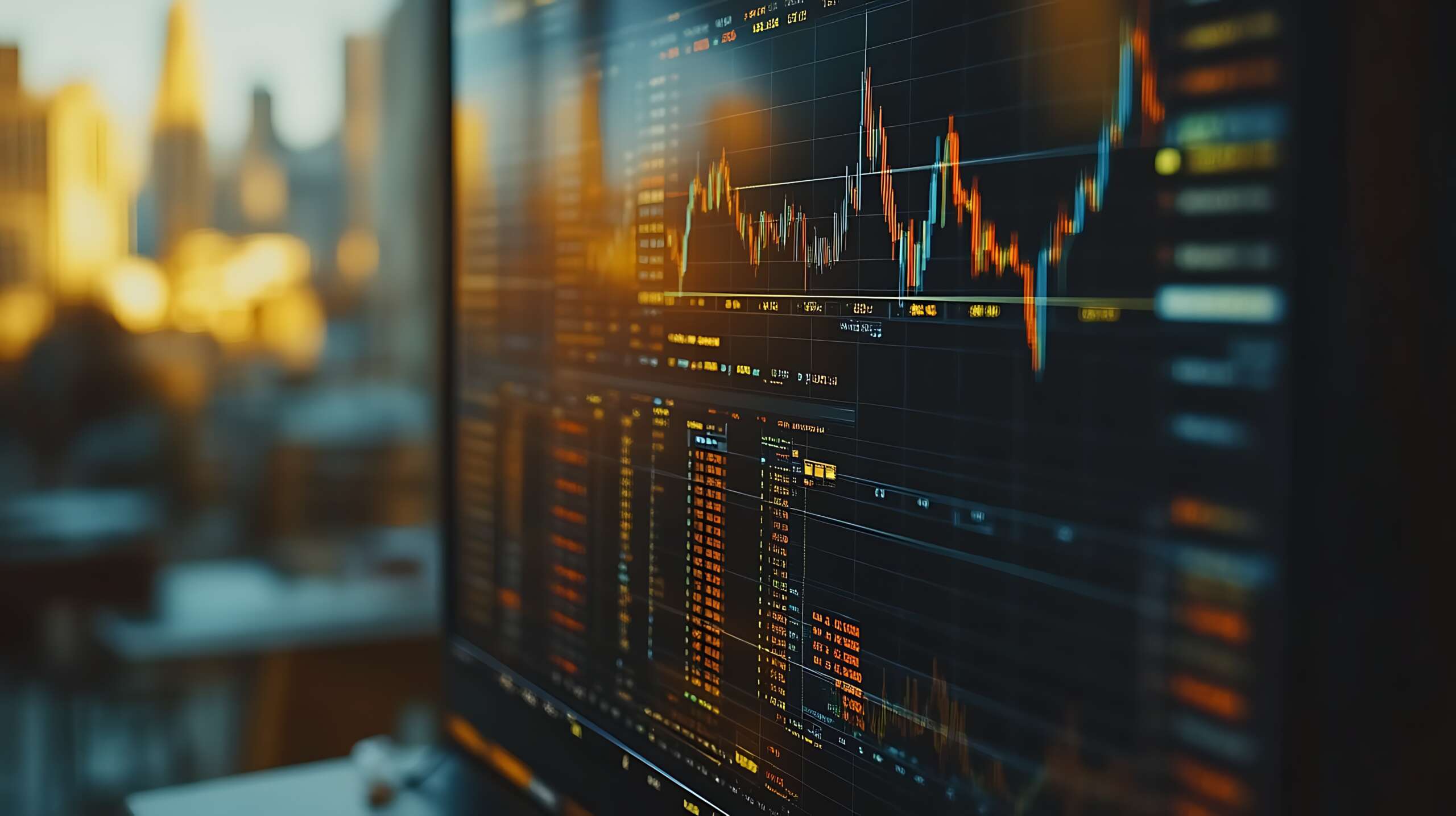
Volatility is not a flaw in the investment process – it is the cost of participation. Markets rarely deliver returns in a straight line. Instead, investors are tested by periods of uncertainty, drawdowns, and sentiment-driven fluctuations.
While these episodes can be uncomfortable, they often create opportunities for disciplined investors to enhance their positioning, rebalance portfolios, and allocate capital toward high-quality assets at more favourable valuations. By recognising volatility as the price of long-term growth, investors can reframe short-term disruptions as necessary steps on the journey to compounding wealth.
Recent market volatility has been fuelled by a mix of aggressive trade policies, economic uncertainties and rising geopolitical tensions. The convergence of trade friction, an economic slowdown and unpredictable policies has undermined investor confidence, triggering significant market swings across global asset classes.
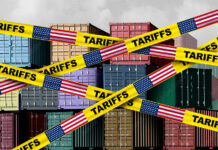
President Trump’s ‘Liberation Day’ tariff announcement, imposing a baseline 10% duty on nearly all imports, with some reaching 145% on Chinese goods, ignited immediate retaliatory actions, primarily from China, leading to a sharp global market decline. These aggressive measures have further strained existing economic vulnerabilities. The Federal Reserve Bank of New York now forecasts inflation may reach 4% by 2025, alongside slowing growth under 1% and rising unemployment.
Investors and businesses entered this year with optimism. They were hoping Trump, bolstered by the Republican sweep, would usher in pro-growth policies and drive higher risk asset prices. Instead, the Trump trade war has triggered market volatility, created turmoil and significantly heightened the risk of a US recession. As tariff developments shift rapidly, market volatility has been elevated and is now expected to remain high in the near term, with investors constantly reassessing the potential impact on growth, inflation, central bank policy and financial markets.
Gradual rollbacks
Within a short space of time, markets have already witnessed gradual rollbacks on policy as political, business and legal pressures mount, and trading partners push for concessions. Erratic policy signals from the Trump administration – ranging from escalating tariffs to hopeful news of pauses or deals – have left markets in constant flux, with rallies often reversed by contradictory announcements or new aggressive actions.
Looking back at previous periods of significant market volatility may offer some perspective and endurance to investors. The first major shock was the COVID crisis, which disrupted global supply chains and abruptly halted the world economy. However, this was met with a swift policy response, driving a V-shaped recovery in equities. While the current market situation may differ due to unpredictable policy shifts, it is worth noting that during this period, the S&P 500 posted its third-largest single-day gain since 1950, surging 9.5% – a clear signal that rapid recoveries are possible when policies change decisively.
Next is the Great Financial Crisis of 2007-2009, triggered by different forces but also resulting in a massive structural overhaul. The equity market fallout took longer to unfold as complacency among investors delayed the full recognition of damage. If the current tariff policies are indeed ideological and forcefully enforced, this period could offer some guidance on the longer-term impact and recovery trajectory.
Finally, the Great Depression of the 1930s presents perhaps the most fitting parallel. It marked the last time a US president imposed sweeping tariffs through the Smoot-Hawley Tariff Act, which was met by retaliatory measures globally and remains one of the most damaging events in market history. As Jamie Dimon, CEO of JPMorgan Chase, noted in a Q1 2025 commentary, “The economy is facing considerable turbulence, including geopolitics, with potential positives from tax reform and deregulation, but significant risks from tariffs, trade wars, persistent inflation, high fiscal deficits, and elevated asset prices and volatility.”
Market movements
A key observation in recent market movements is the focused selling of long-dated Treasuries. Both the 10-year and 30-year maturities have been particularly hit, while the two-year yield has moved more in sync with the stock market. This is somewhat unexpected, given that short-dated inflation expectations have surged in response to tariff announcements, driving near-term policy rate expectations higher than those seen during last autumn’s milder recession fears.
This suggests that it is not shifts in economic growth, inflation or long-term Fed policy expectations driving long-dated bond yields. Instead, we are seeing a sharp increase in term premiums, triggered by a sudden aversion to long-maturity US Treasuries.
The significant tightening in swap spreads further supports this view, suggesting that investors are not so much recalibrating long-term rate expectations, but are rather aggressively selling treasuries en masse, possibly to raise liquidity or move into other assets.
While the US has captured much of the spotlight, policymakers globally have been active in adapting to the shifting environment. In response to US tariffs, affected countries have implemented their own countermeasures and some are willing to negotiate as expected.
However, there have also been some unexpected policy innovations. For example, with the US administration pulling back from continued support for Ukraine, Germany has introduced more stimulative fiscal measures in the short term, alongside a significant increase in long-term military and defense investments. Both of these measures are likely to spur growth now and in the future.
Meanwhile, China has reaffirmed its commitment to a 5% growth target for 2025, signalling a more stimulative fiscal approach than previously anticipated. Central banks across the globe, including in Canada, Europe, Scandinavia, Australia and New Zealand, have also continued easing policies, even as the Fed has taken a more measured stance. While these efforts cannot fully shield these economies from the global headwinds, they will likely help them navigate the ongoing trade conflict.
Uncovering opportunities
In investing, uncertainty is often mistaken for danger, but it is not inherently negative. It simply reflects the reality that future performance cannot be predicted with certainty.
While volatility can trigger fear, it also creates the conditions for outsized returns. Markets are forward-looking and constantly adjusting to new information. Periods of uncertainty often uncover opportunities – mispriced assets, oversold positions and the chance to acquire quality companies at a discount. Successful investors do not shy away from uncertainty; they embrace it with discipline, patience and a long-term perspective.
Uncertainty does not guarantee losses. In fact, it is often the price of admission for meaningful gains. The environment remains uncertain until policy frameworks stabilise, but in the meantime, markets are likely to stay volatile, as seen in the first quarter. Volatility cuts both ways, as evidenced by the contrasting performance of US and European assets during this period. Investors will face challenges predicting whether optimism or pessimism will dominate in any given week. The better approach is to focus on the long term and filter out the short-term noise.
Periods of heightened volatility can shake investor confidence but history favours those who stay the course. Time and again, disciplined investors who remain committed to their long-term strategy are the ones who ultimately come out ahead. Emotional reactions to short-term market swings often lead to costly mistakes, especially when sharp rebounds occur after moments of stress.
Today’s environment marked by geopolitical shocks and policy uncertainty poses challenges. However, maintaining a steady hand allows investors to harness the power of compounding, reinvestment, and timely rebalancing. In uncertain times, a clear investment philosophy and diversified exposure are not just helpful—they are essential. These remain among the most effective tools for weathering volatility and building lasting wealth.
Source: Bloomberg Economics
Richard Maparura is senior portfolio manager, asset management, at Butterfield.
Related Videos