Dog owners are being urged to get their pets vaccinated to combat a possible outbreak of kennel cough in Grand Cayman.
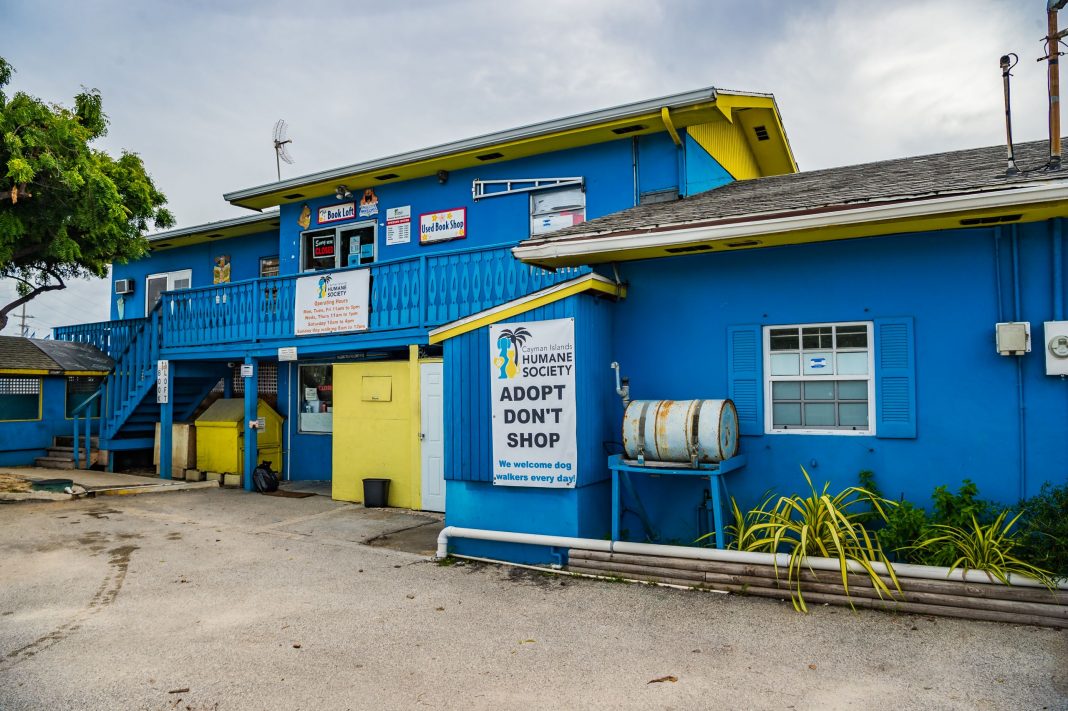
The Cayman Islands Humane Society has closed its shelter on North Sound Road to volunteers and members of the public until further notice due to a suspected outbreak of the disease, which is often described as flu for dogs.
Precautions
Saskia Salden, director of the Humane Society, told the Compass that no cases had been confirmed, but that they were still taking all precautions.
“We’re taking all measures to protect our animals, which is why we are closing until further notice, mostly like a couple of weeks,” she said. The Humane Society has asked people who are currently fostering animals to hold onto them for the time being, and says it is unable to accept any new animals at this time.
Salden recommended that owners get their dogs vaccinated, saying, “The vaccine only has to be done once a year. It’s not expensive and means that your dog will be protected as will the wider community.”
Kennel cough, which is also known as canine infectious respiratory disease complex or canine tracheobronchitis, is a bacterial infection which is highly contagious in dogs.
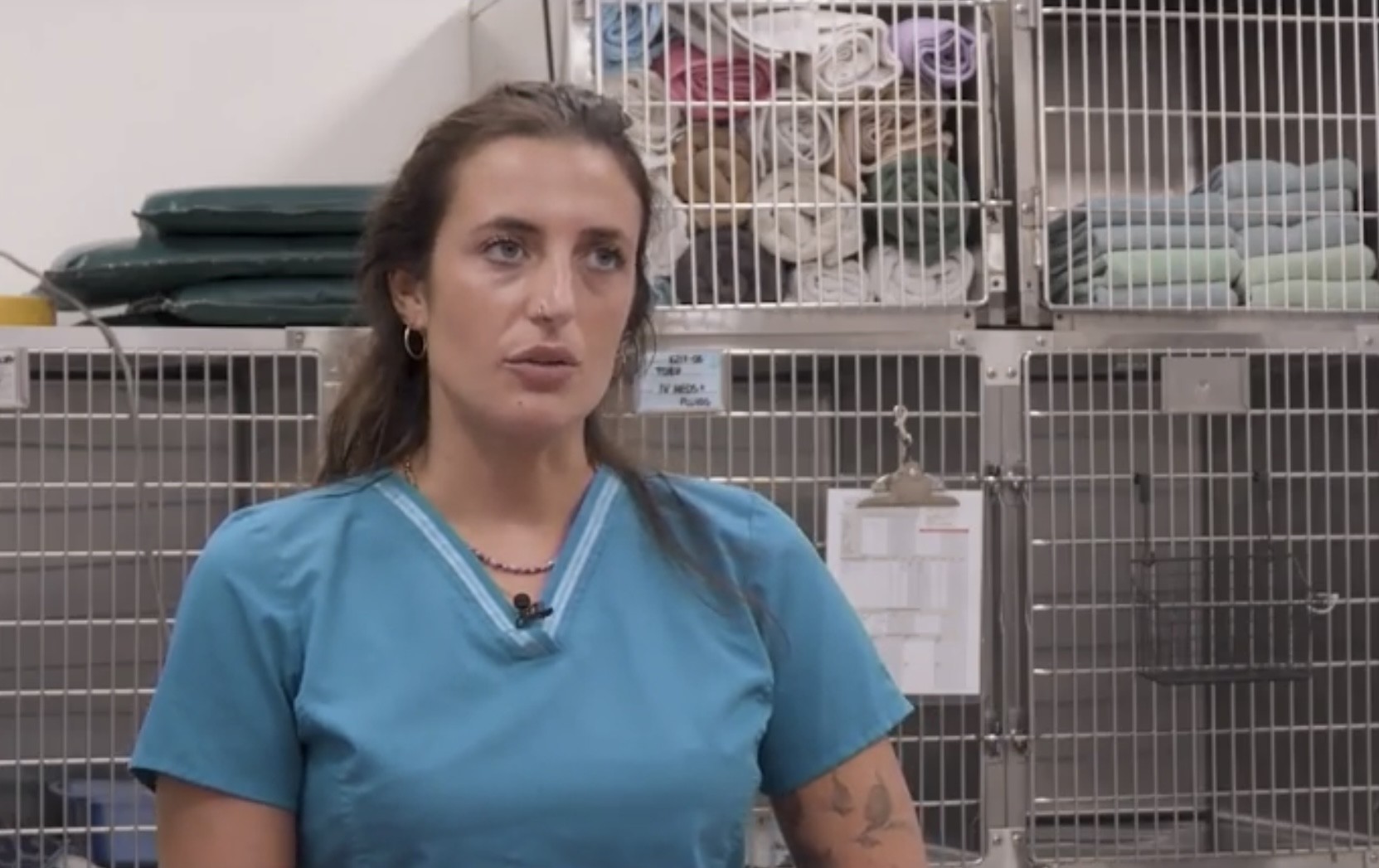
Dr. Maria Sole Bandini of Cayman Animal Hospital told Compass TV that the bacteria which causes kennel cough can be easily spread in areas shared by dogs, such as kennels and day care, and the pathogens are spread by barking.
“Most of the time dogs start to develop clinical signs after three to five days after exposure, and it can last for one or two weeks and then just disappear,” she said. “But in younger or older dogs, or immune-depressed dogs, it can move to the lower respiratory tract and cause pneumonia, so it’s an important disease to look out for.”
Clinical signs are typically a dry cough or a hacking cough, as if dogs have something stuck in their throats and are trying to clear it, or it can present itself as runny eyes, runny nose or sneezing.
Kennel cough can also act like cold or flu, she explained, so infected dogs can sometimes have a mild fever or a loss of appetite. The infection usually clears up within a few weeks, but sometimes antibiotics might be prescribed for serious cases.
Herd immunity
If you suspect that your dog might be suffering from kennel cough, Bandini recommended that owners make sure their pet doesn’t come into contact with other dogs until they are fully recovered. Like Saskia Salden from the Humane Society, she also urged owners to get their dogs vaccinated.
“When you vaccinate your dog, you are not just protecting your individual dog,” she said, “but you are also contributing to developing a herd immunity so the amount of bacteria that is in the environment is going to be lower so there is less risk to other dogs.”
The once-a-year vaccine is very safe with typically no side effects, and Bandini definitely recommends dogs have it done during hurricane season in case owners have to leave the island quickly, either leaving their pets in kennels or moving to a hurricane shelter, both of which might require up-to-date immunisations.
Vaccinated dogs can still contract kennel cough, she added, but the effects will be milder, compared to effects in unvaccinated dogs that have to rely on their natural immunity.
Related Videos