

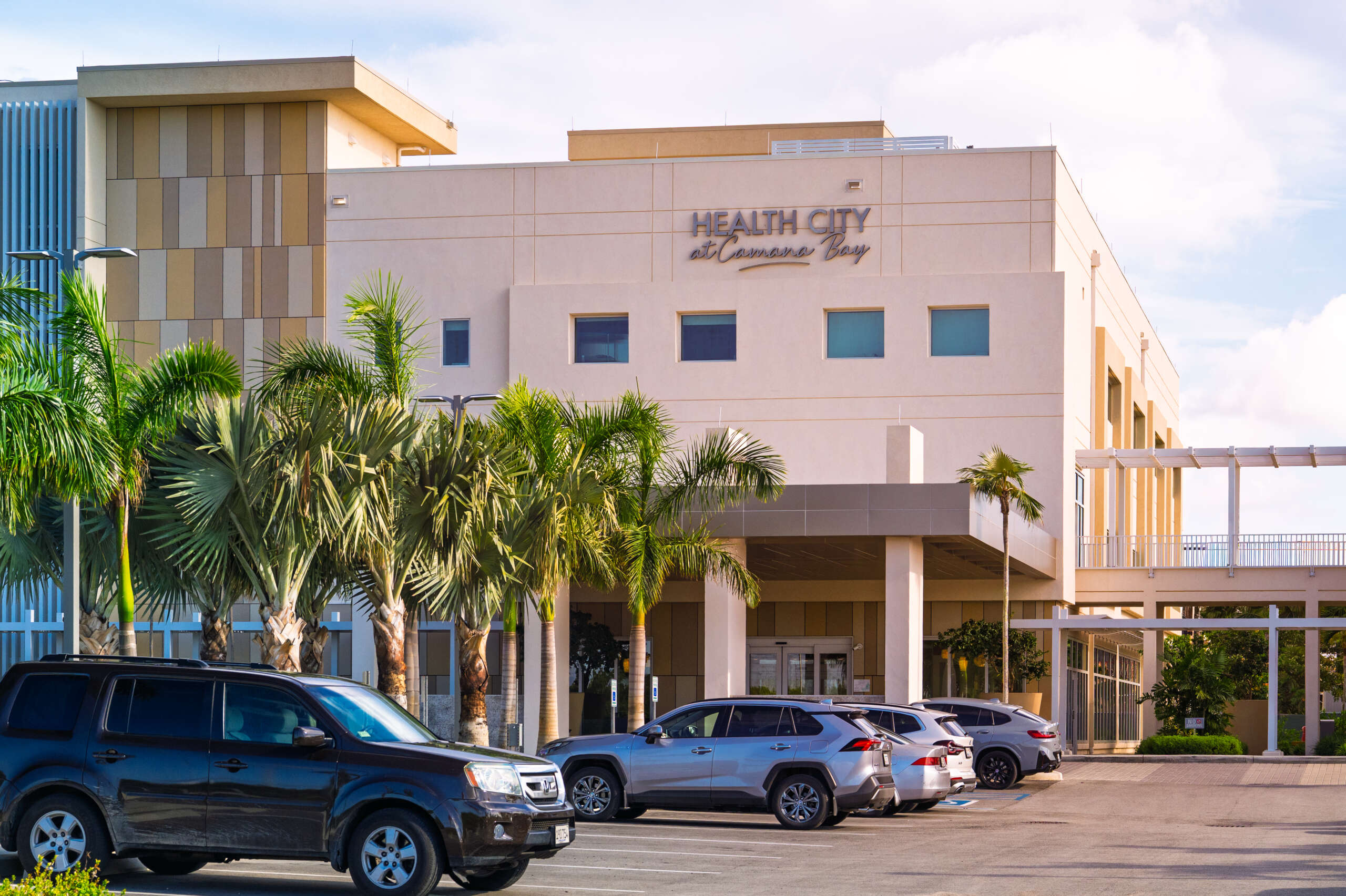
Cayman is ideally placed to take advantage of an artificial-intelligence revolution that will transform healthcare over the next two decades, according to the medical entrepreneur behind Health City Cayman Islands.
Dr. Devi Shetty believes the next generation of medical technology will help people live longer, healthier lives and dramatically reduce the risk of medical errors. He predicts that the widespread use of personal tracking devices will slash the number of people dying prematurely from heart attacks and cancer – the two biggest killers on the islands.
Through its alliance with Health City, Cayman is already ahead of the curve in adopting new technologies, he says.
The Bangalore-based heart surgeon, who manages one of the largest chains of heart hospitals in India, as well as Health City’s East End hospital and the new Camana Bay facility, said his hospitals were among the first to go digital.
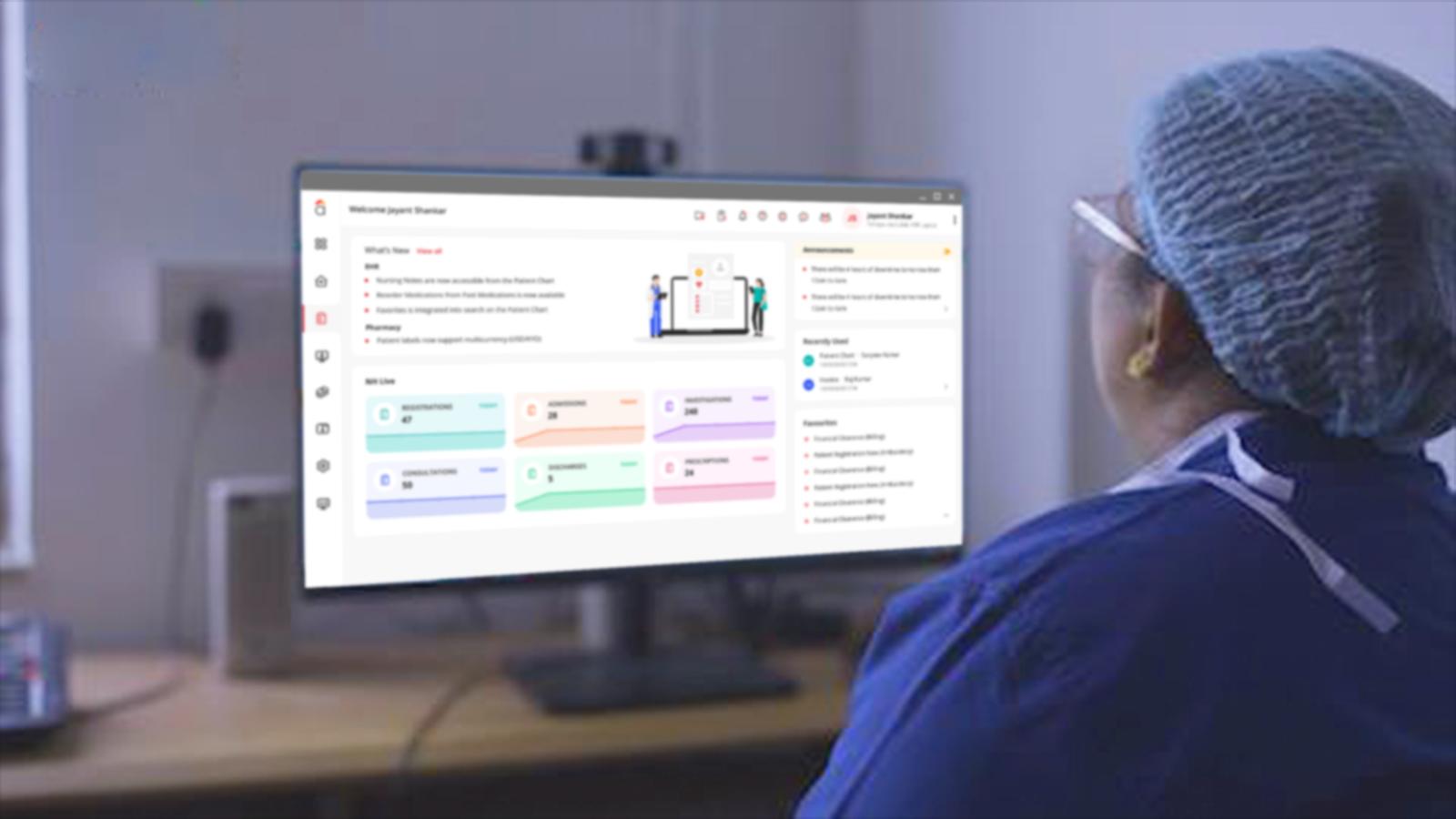
“Everyone is today talking about AI, but over 80% of the hospitals across the world do not have electronic medical records,” Shetty said. “If you don’t have your data in a digital format, you can’t use AI and take the benefit of that.”
This, he warns, will leave many hospitals struggling to catch up.
“Without that digital foundation, you simply can’t take advantage of these tools,” he said.
AI-driven tools at Health City already analyse patient data to predict problems like cardiac arrests hours in advance. Other platforms streamline diagnostics, transcribe medical notes in real time, and improve collaboration between doctors.
Shetty argues that this early investment in technology places Health City – and Cayman – in a strong position to lead as AI tools become more advanced and commonplace in modern healthcare.
He said AI was already performing the “boring work”, allowing doctors and nurses to make critical judgment calls with a clearer head. Soon, he believes, the technology will routinely outperform humans in diagnosis.
“Smart software will make smarter diagnosis than doctors, and it’s a matter of time before doctors will be legally mandated to get the second opinion from the software or AI before starting the treatment,” he said. “Ultimately, the doctor is responsible to take the decision. But there will be … a legal imperative for the doctors to consult the software before saying, ‘This is the diagnosis.’”
While he acknowledges that “we are not there yet”, Shetty says the technology is advancing far faster than anyone predicted – and he is excited by its potential.
“These technologies will make hospitals safer for the patients,” he said. “The sensors and the software don’t get tired. They do the data collection, they do the monitoring, and the doctor still makes the judgement call.”
For overworked medical professionals, he believes AI is more blessing than threat. “Doctors are under tremendous pressure of making mistakes,” he said. “Because the AI is there, that will prevent us from making mistakes. It restores the joy of caring for patients.”
Shetty predicts that many of the routine screenings and diagnostic checks currently done in hospitals will soon take place at home or in community health centres that feel more like spas than clinics.
“First of all, you may not go to the hospital most of the time,” he said. “Whatever you would have got done in the hospital, you will do online … You’ll only go to the hospital for procedures.”
He also foresees an era when wearable devices integrate seamlessly with personal medical records, allowing early detection of risks for cancer and heart disease – and cutting the number of preventable deaths.
“Eventually, you will have all your medical records in your phone,” he said. “It will remind you of your check-ups and prompt you when you reach an age where you need to be careful. This will change how we think about healthcare.”
And Cayman, he says, is perfectly positioned to lead that change.
“Cayman is the best place to transform the future of healthcare,” Shetty said. “Taking care of 60,000 or 100,000 people is no big deal. Here, you could almost be tracking everybody – and showing the world how healthcare should work.”
Related Videos











It Is All About Data, Not a Patient. A diagnosis is only meaningful if it tells you something about a treatment.
Artificial intelligence excels at finding PATTERNS in large sets of data. This patterns could signal early signs of a disease, theoretically leading to faster and more accurate diagnoses. But AI can make mistakes. They struggle encountering something unusual in real world situations, resulting in inaccurate diagnosis. This problem is called algorithmic drift when AI systems perform well in controlled settings, but lose accuracy in real-world situations. If data doesn’t include enough patients of certain racial or ethnic groups, then AI might give inaccurate recommendations for them, leading to misdiagnoses.
Also, many cutting-edge AI systems operate as opaque “black boxes.” In AI, a “black box” refers to a system where the input and output are known, but the internal decision-making process is hidden or too complex for humans to understand or explain. This lack of transparency, inability to explain why a decision was made, can lead to many issues in healthcare.
To train algorithms or make predictions, medical AI systems require HUGE amounts of patient data. If not handled properly, AI could expose sensitive health information.
AI is often portrayed as a magical solution that can diagnose any disease and revolutionize the health care industry overnight. Unrealistic assumptions like that often lead to disappointment.
I’ll skip the complexity of integration of AI into existing workflows and staff training and finish with an excerpt from The Brothers Karamazov book (1879-1880) by Fyodor Dostoyevsky.
“What kind of philosophy is there when all my right side is numb and I am moaning and groaning. I’ve tried all the medical faculty: they can diagnose beautifully, they have the whole of your disease at their finger‐tips, but they’ve no idea how to cure you. There was an enthusiastic little student here, ‘You may die,’ said he, ‘but you’ll know perfectly what disease you are dying of!’ And then what a way they have sending people to specialists! ‘We only diagnose,’ they say, ‘but go to such‐and‐such a specialist, he’ll cure you.’ The old doctor who used to cure all sorts of disease has completely disappeared, I assure you, now there are only specialists and they all advertise in the newspapers. If anything is wrong with your nose, they send you to Paris: there, they say, is a European specialist who cures noses. If you go to Paris, he’ll look at your nose; I can only cure your right nostril, he’ll tell you, for I don’t cure the left nostril, that’s not my speciality, but go to Vienna, there there’s a specialist who will cure your left nostril. What are you to do? I fell back on popular remedies, a German doctor advised me to rub myself with honey and salt in the bath‐house. Solely to get an extra bath I went, smeared myself all over and it did me no good at all. In despair I wrote to Count Mattei in Milan. He sent me a book and some drops, bless him, and, only fancy, Hoff’s malt extract cured me! I bought it by accident, drank a bottle and a half of it, and I was ready to dance, it took it away completely.”
P.S. today, many hospital’ nurses are spending up to 30% of their time entering patient’s data into a computer. Every, pardon my language, fart and every burp must be documented.