

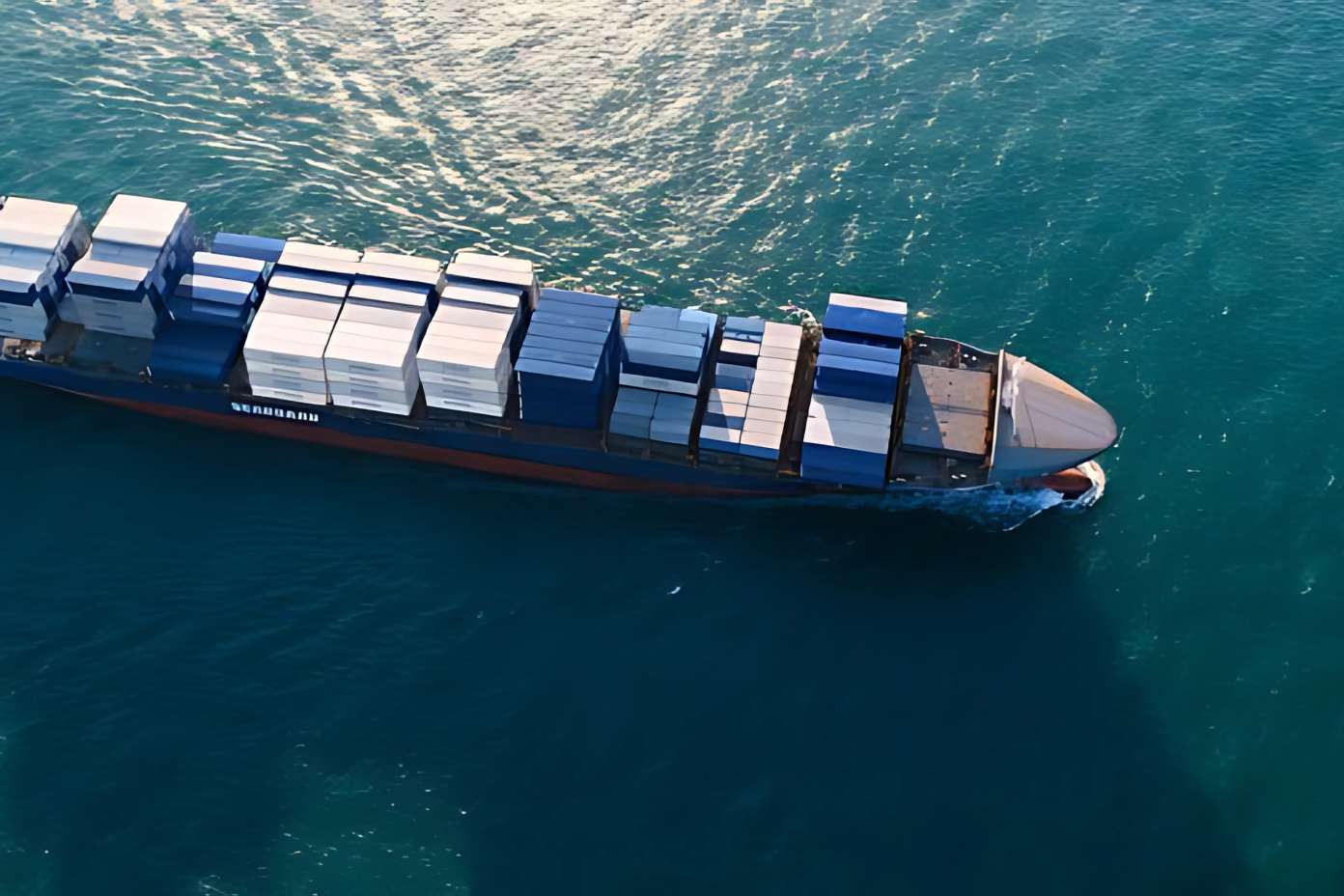
Seaboard Marine Ltd. has launched a bi-weekly refrigerated consolidation service between Kingston, Jamaica and Grand Cayman, a move designed to lower shipping costs for smaller exporters while addressing Cayman’s dependence on the United States for food imports.
The service – launched on 17 Sept. – will deliver cargo within 36 hours and enables multiple Jamaican exporters to consolidate temperature-sensitive shipments into a single container, sharing costs while maintaining cold chain integrity.
The model is expected to appeal to producers of fresh fruits, vegetables, baked goods, juices and pharmaceuticals, as well as retailers and restaurants in Cayman that rely on a steady supply of perishable goods.
“Once it can be stored safely in your refrigerator at home, we can ship it to you from Jamaica,” said Corah Ann Robertson-Sylvester, CEO of Seaboard Jamaica.
The service is particularly geared toward smaller Jamaican exporters who lack the scale to fill entire containers on their own.
By reducing inventory requirements for Cayman retailers, who will be able to source smaller, fresher shipments on a bi-weekly basis, the initiative also has the potential to improve margins and cut storage costs.
“This service was born out of the increased demand to have Jamaican produce in Cayman in a timely manner, maintaining the cargo’s freshness, in terms of taste, colour and succulence,” added Robertson-Sylvester.
The launch comes at a time when US tariffs and global supply chain shocks are driving up prices, intensifying pressure on Cayman to diversify its imports.
According to the International Trade Centre, 99% of Cayman’s food is imported, with 78% funnelled through US ports.
Despite being just 270 miles away – and bound by close cultural and historical ties – Jamaica supplies less than 12% of Cayman’s food imports. But that picture is beginning to shift.

Since 2018, Jamaican exports to Cayman have grown at an average rate of 20.2% a year, reaching US$36.4 million in 2023. Cayman is now Jamaica’s fourth-largest food-export market.
In the third quarter of 2024, imports from Jamaica to Cayman rose 24.6% year-on-year, reaching US$15.7 million and accounting for 5% of Jamaica’s total food-export value.
The new refrigerated service also complements recent trade agreements. A 2022 deal expanded the list of approved Jamaican exports to Cayman, adding breadfruit, ackee, plantains and soursop to 44 existing commodities.
Seaboard Marine, which has operated weekly direct services between Kingston and George Town for more than 40 years, says it sees its role as central to building resilience in regional trade.
“That Seaboard Marine is committed to intra-regional trade is a given,” said Robertson-Sylvester, pointing to a long history of linking businesses and economies across North, South and Central America, and the Caribbean.
By strengthening these connections, she explained, Seaboard is helping to enable nearshoring and reduce dependence on distant suppliers, ensuring industries can source raw materials, factories can access inputs and consumers can rely on regional food security.
Related Videos











Hallelujahs!!
I have been pleading with Foster’s to provide local or Jamaican products – in particular produce. Maybe soon I’ll never need to look at another US watermelon again!
25 dozen fresh organic eggs, 100 pounds of locally sourced ackee, 200 pounds of premium ginger, 200 pounds of baby onions, and a generous amount of peppercorn. This substantial procurement is really going to significantly reduce US imports of these items, boosting local availability and supporting regional farmers.
Bring back those delicious Jamaican mangos which they used to sell by the roadside in the early seventies. We still import from all over Central and South Amerca but these are available next door. Our local mangos are good but they need competition to bring the price down.
I would imagine Jamica has direct shipping from/to China, the world’s current largest producer of many items.
So, Jamaica as a source of products and as a transhipment point makes sense, in light of Donald Duck’s tarriffs.
However, Seaboard and other shipping companies will have to address the known scab of pilferage at the Port of Kingston.
Hopefully, they make a quick stop to Cayman Brac! The produce here is shockingly poor.