Cayman health officials are warning travellers to and from Jamaica about a leptospirosis outbreak on that island as it recovers from last month’s devastating Hurricane Melissa.
Jamaican authorities first declared an outbreak of the bacterial disease, often spread through rat urine and commonly found in contaminated floodwaters after storms, on 21 Nov..
At a press briefing on 27 Nov., Jamaica’s Principal Medical Officer and National Epidemiologist in the Ministry of Health and Wellness, Dr Karen Webster-Kerr said, “We have had 14 leptospirosis-related deaths, six of which have been confirmed, four pre-Melissa and 10 post-Melissa, with six confirmed cases all being from post-Melissa.”
According to her figures, the country has now identified 90 leptospirosis cases in total, with 51 occurring before Hurricane Melissa and 39 afterward. She added that only 21 of those have been confirmed so far – three before the storm and 18 since it passed.
Cases of leptospirosis are being verified through polymerase chain reaction or PCR
testing, a method Health Minister Dr. Christopher Tufton has described as the “gold standard” for diagnosing the disease.
At a press briefing on 26 Nov., Tufton said early signs suggested the rate of increase was slowing, adding that while he hoped the outbreak would stabilise, it was still too soon to predict how it would unfold.
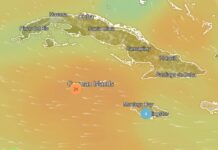
The ministry’s original statement said the highest concentration of cases in Jamaica was in St. James, followed by St. Ann, St. Elizabeth, Hanover, Trelawny and Westmoreland, with isolated cases also reported in St. Mary and St. Catherine.
Public health implications for Cayman
With aid workers, church groups, government teams, journalists, utility crews and those with family links moving between the islands since Hurricane Melissa, the outbreak has direct and immediate relevance for Cayman.
Jamaicans make up Cayman’s largest immigrant community, with one-in-four residents born in Jamaica, and travel between the islands is heavy. More than 31,000 Cayman residents visited Jamaica last year, with another 16,894 trips already logged by mid-2025, according to government data.
That constant movement, Cayman health officials say, makes awareness and personal precautions essential.
Chief Medical Officer Dr. Hilary Wolf stressed that leptospirosis is not spread from person to person.
“It is important for us, given our ties to Jamaica, to ensure that our population is aware of this developing situation, and to understand how it might impact those travelling there,” said Wolf.
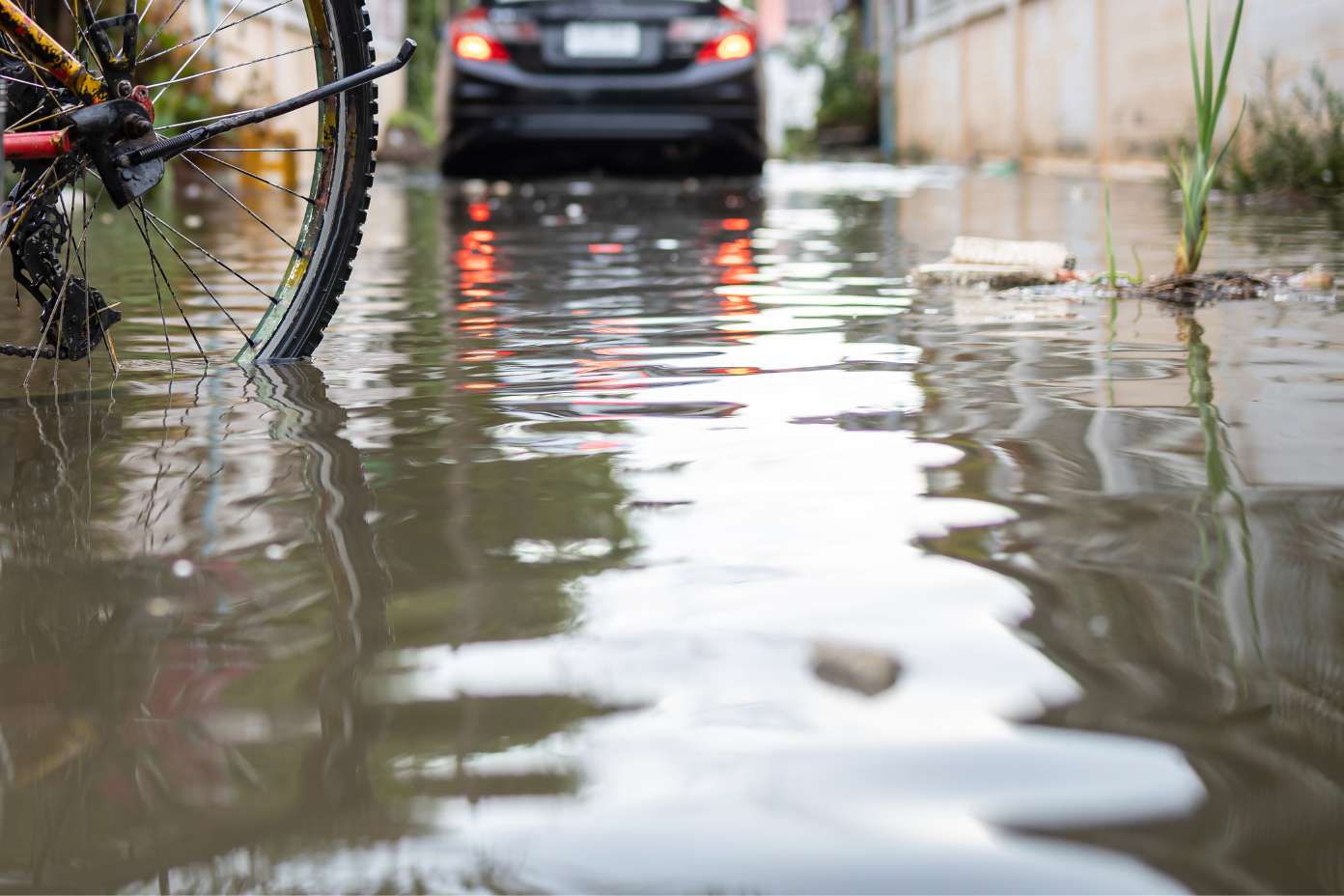
She explained that rodents are the principal source of infection, but said the bacteria can also be spread by other animals, including pets and farm animals. She added that the organism responsible for leptospirosis can survive for long periods in wet soil and standing water, meaning people should be especially careful when coming into contact with damp, warm or flooded areas where contamination may be present.
Chief Nursing Officer Felicia McLean confirmed that there are currently no cases in Cayman.
“At this time, the primary health concern relates to those travelling to and from Jamaica to the Cayman Islands,” she said. “This is about minimising individuals’ risk to exposure while in Jamaica and ensuring that they access care early if they become symptomatic, be it in Jamaica or in Cayman.”
What is leptospirosis?
Leptospirosis is caused by the bacteria Leptospira and is classed as a zoonotic disease, meaning it passes from animals to humans. Infection occurs through contact with water or soil contaminated by the urine of infected animals, with the bacteria entering through cuts in the skin, or through the eyes, nose or mouth.
Symptoms usually appear between seven and 14 days after exposure, but may come sooner or much later. Mild cases resemble the flu, with fever, headache, muscle pain and nausea. More serious infections can cause chest pain, breathing difficulties, jaundice, kidney problems and internal bleeding. Without prompt treatment, the illness can be fatal.
Dr. Samuel Williams-Rodriguez, medical officer of health at the Health Services Authority in Cayman, said the outbreak was a reminder for residents to take symptoms seriously.
“This increase in regional leptospirosis activity highlights the importance of early symptom recognition and prompt clinical assessment,” he said. “Although person-to-person transmission does not occur, exposure to contaminated water or environments can pose a risk.
“Our goal is to equip the public with accurate information so that anyone who may be affected can receive timely and effective care.”
In response, Cayman’s health ministry has issued a travel advisory for Cayman residents going to Jamaica, urging them to avoid flooded areas, wear protective footwear and gloves, drink only bottled or treated water, avoid contact with animals that may be infected, and never touch dead animals or wet soil with bare hands. Regular handwashing and disinfecting surfaces exposed to floodwater are also strongly advised.
Related Videos