Cayman’s health officials have expanded a public health travel advisory to include mosquito-borne viruses, citing rising regional transmission and confirmed outbreaks in several countries, including Cuba, while stressing no local cases have been detected this year.
The updated advisory, issued jointly by the Ministry of Health and the Public Health Department, is effective immediately and runs until 30 Jan. 2026. It covers dengue, chikungunya, Zika and Oropouche virus infections, in addition to leptospirosis which was previously highlighted after Hurricane Melissa.
“Given recent reports by [the Pan American Health Organization] of increased cases of arboviral [insect-borne] infections in Cuba, we felt it necessary to update our public health travel advisory to ensure that travellers are equipped with the information they need to keep themselves safe,” said Dr. Hilary Wolf, Cayman’s chief medical officer, in a statement on Thursday, 18 Dec.
Why Cuba is drawing attention
Ayme Mayan, a Cuban national living in Cayman, said almost everyone in her family had come down with chikungunya and, weeks afterwards, they are still unwell, “They have inflammation and it is really painful,” she said.
Another Cuban national working in Cayman, Adriana Llaguno, shared a similar story. “Over the past few months, just about everyone in Cuba has come down with either Zika, chikungunya or dengue. Some people, including some of my friends and family members, have contracted more than one of these mosquito illnesses. It is really bad right now,” she said.
International surveillance bodies have flagged Cuba for heightened arboviral activity in 2025. The US Centers for Disease Control and Prevention, currently lists Cuba as an area with ongoing chikungunya transmission, advising travellers to take enhanced mosquito-bite precautions.
The UK’s Travel Health Pro service reports tens of thousands of suspected chikungunya cases in Cuba this year, alongside an active Oropouche virus outbreak, and warns that mosquito exposure risks have increased following flooding events.
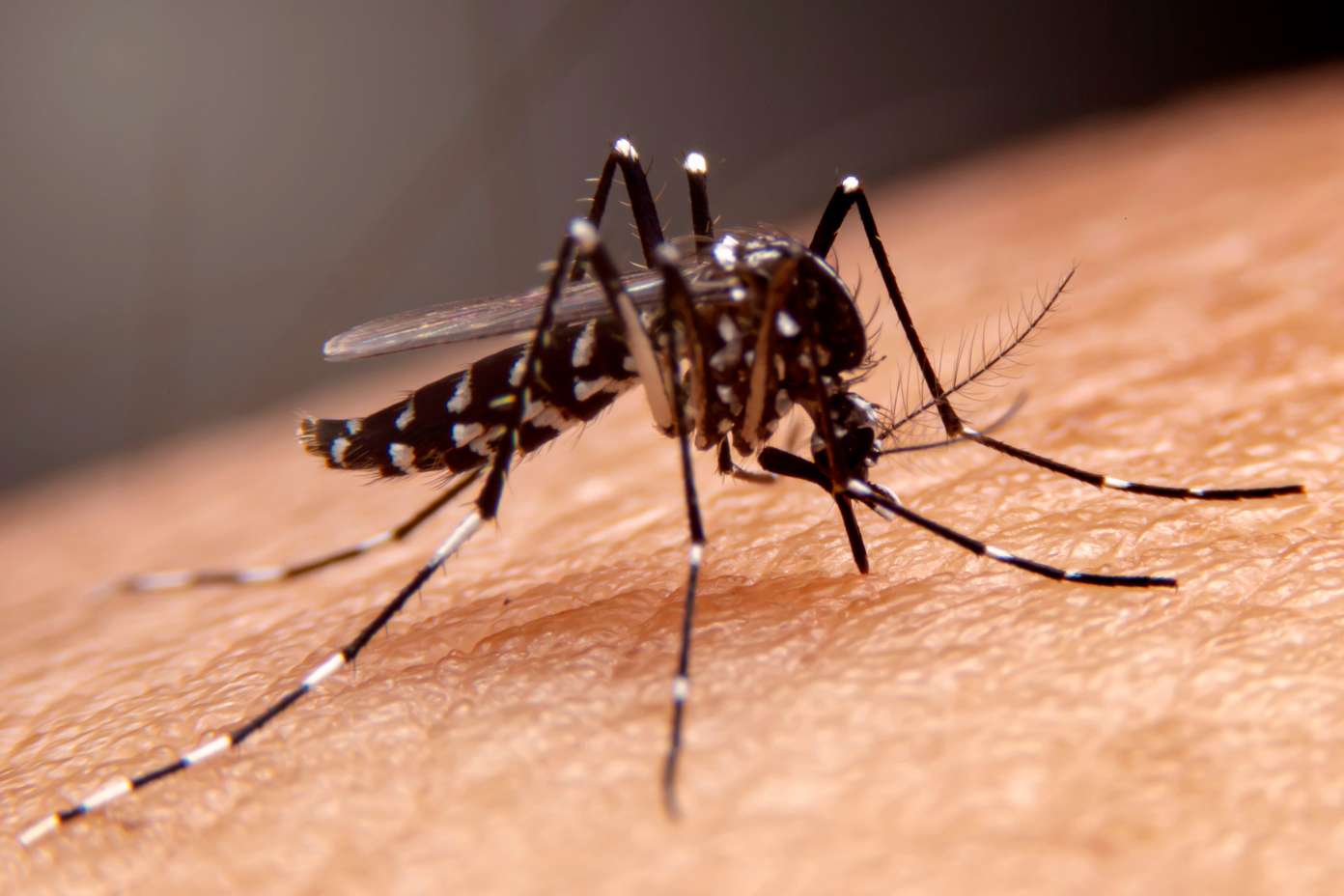
Across the wider Americas, the World Health Organization and the Pan American Health Organization have documented a sharp regional rise in mosquito-borne infections, noting that chikungunya, dengue and Zika can establish transmission wherever Aedes mosquitoes are present.
How Cayman assesses the risk
According to the ministry, Cayman’s public health risk assessment for travellers arriving from Cuba, including on the weekly Cayman Airways flight, is based on four core factors:
- Importation pressure: the intensity of transmission in the source country and traveller volumes
- Local receptivity: whether Cayman’s mosquito population could sustain transmission if a viraemic traveller is bitten
- Detection and response capacity: clinician alerting, laboratory testing and rapid vector control
- Seasonal and entomologic conditions: mosquito abundance and weather trends monitored by Cayman’s Mosquito Research and Control Unit
“Arbovirus risk is driven by regional mobility combined with local mosquito ecology, not by a single flight route alone,” the ministry noted in its technical responses to Compass questions.
Operational response is not fundamentally different
While Cuba is currently highlighted in multiple international advisories, the ministry says the operational response is not fundamentally different from that used for other high incidence destinations.
Travellers returning from any area with active mosquito-borne transmission are assessed as “febrile returning travellers”, with Cuba’s outbreak increasing clinical suspicion, but not triggering a separate pathway.
Testing and detection
Cayman has local laboratory capacity to test for dengue, Zika, chikungunya and Oropouche using PCR methods at the Cayman Islands Molecular Biology Laboratory, with results typically available within 24 hours. Malaria screening, where clinically indicated, is conducted through the Health Services Authority’s Pathology Laboratory.
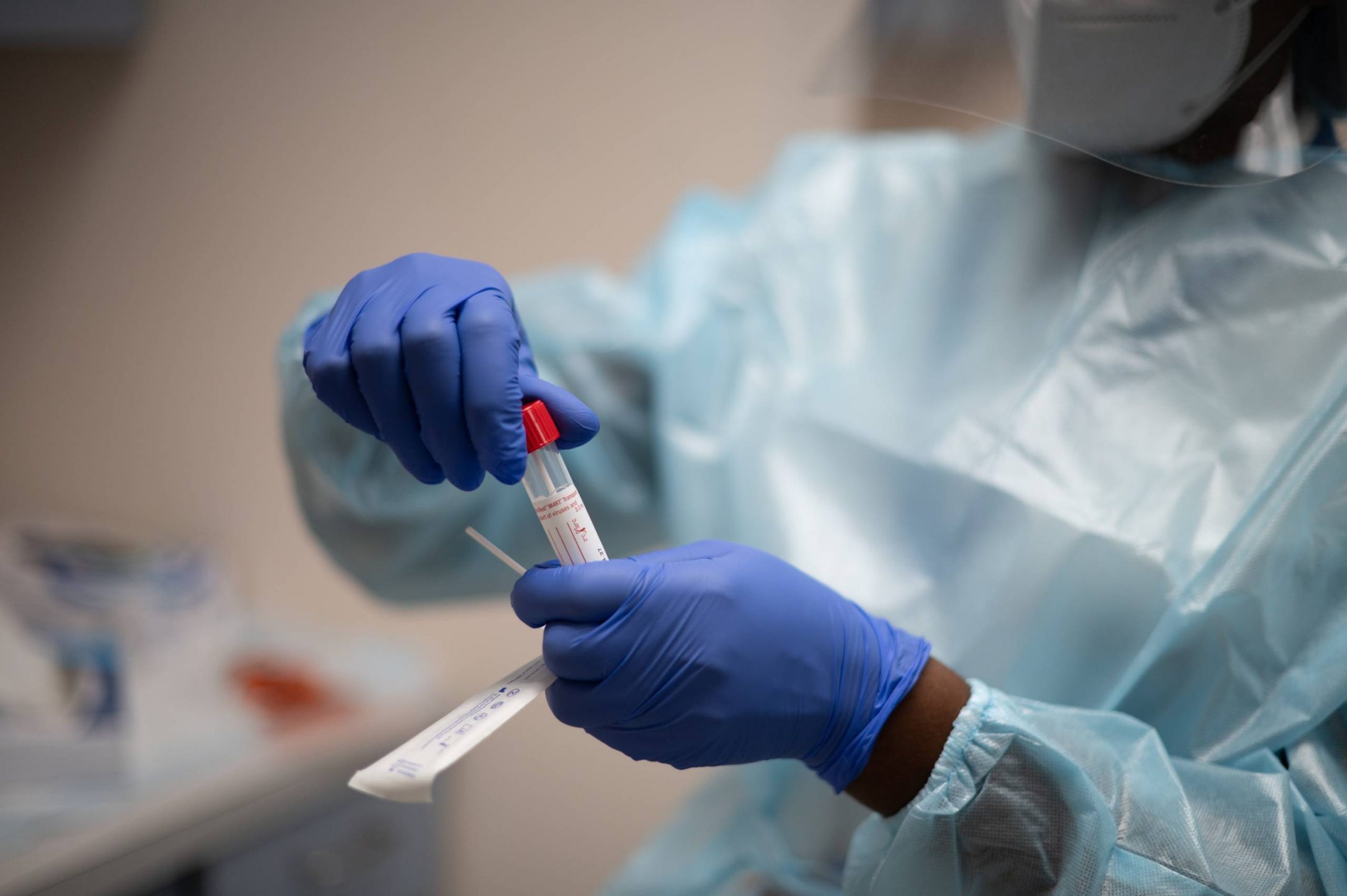
Frontline clinicians are regularly reminded to obtain travel histories and consider mosquito-borne viruses when assessing patients with fever, rash, headache or joint pain following travel.
Why flights are not being paused
The ministry says suspending a single route would likely have limited impact on the overall risk.
“Pausing one flight may reduce some importation pressure, but does not eliminate risk, as arboviruses can be imported from multiple destinations and via indirect travel,” said local health officials.
Both the Pan American Health Organization and World Health Organization guidance advise against travel restrictions for chikungunya outbreaks, instead emphasising bite prevention, surveillance and rapid response.
Advice for travellers and residents
At this time, there is no chikungunya vaccine available locally through the public health system in the Cayman Islands, and vaccination is therefore not a current public health control measure.
Public Health is urging travellers to Cuba, Jamaica, Brazil, Panama, Honduras and Costa Rica to take enhanced precautions, including:
- Using insect repellent containing DEET
- Wearing long sleeves and trousers where practical
- Staying in screened or air-conditioned accommodation
- Eliminating standing water around homes on return

Symptoms can appear 3-15 days after infection, and include high fever, rash, headache, nausea, vomiting, muscle and joint pain. “A high fever with one other symptom is enough for a recommendation for testing,” said Dr. Samuel Williams-Rodriguez, medical officer of health, noting that testing is free through Cayman’s Public Health Department.
Looking ahead
Officials stress that community-level mosquito control, early care and accurate travel histories remain the most effective tools to prevent local transmission.
“Focusing on a single destination can create false reassurance,” the ministry cautioned. “The most impactful actions are local and consistent: reducing breeding sites, protecting against bites and responding early to symptoms.”
For more information or to arrange free testing, residents can contact the Public Health Department on 244-2889 or 244-2621.
Related Videos