

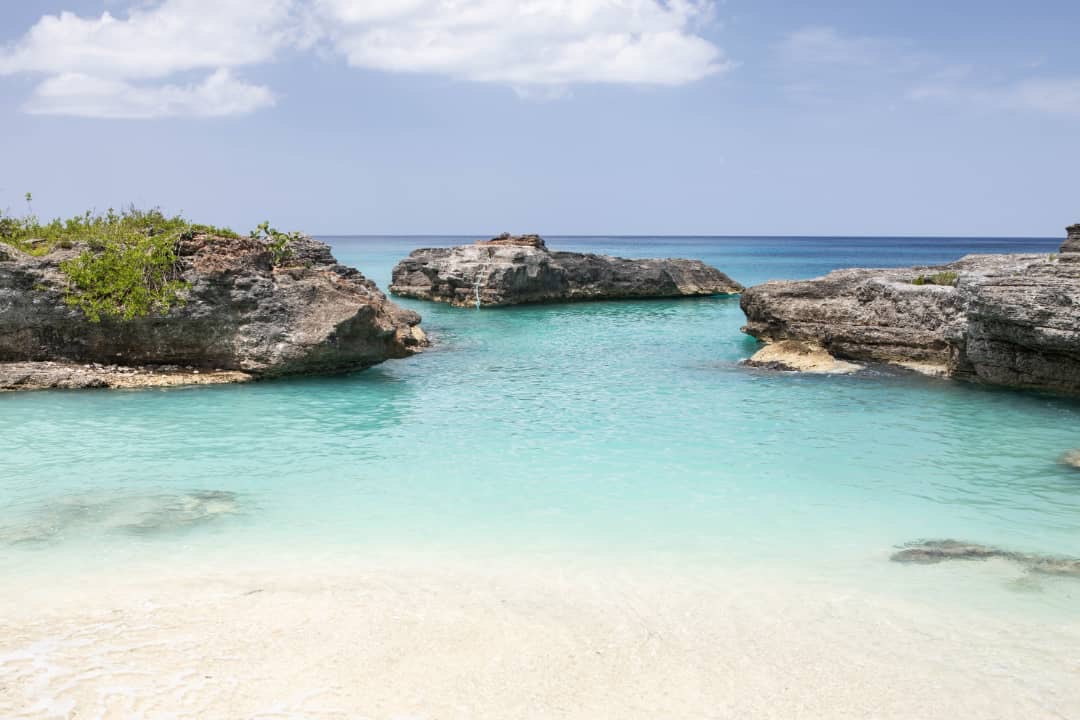
Along the south coast of Cuba’s Isle of Youth lies a world that feels almost forgotten: a 90-mile ribbon of wild shoreline facing the Caribbean Sea. Today, this coast forms the ‘Sur de la Isla de la Juventud’, a protected area of managed resources.
This area along the south coast of the Isle of Youth is similar in many respects to Cayman; the same white sandy beaches and stretches of ironshore, we even share many of the same birds, plants and trees.
The region is roughly five times the size of the Cayman Islands, covering more than 478 square miles of karstic plain, carpeted with a varied forest, that includes mangroves, tropical hardwood trees and dense shrubland.
In the middle sits the great depression of the Ciénaga de Lanier, a vast swamp choked with grasses and low trees. Offshore, some 162 square miles of sea hold a mosaic of coral reefs, seagrass meadows and fish in astonishing variety.
It is difficult to reach and tightly controlled. Only people with permission may enter. There are no cities here, no highways, no farms flushing fertiliser into the sea.
Wild boars, hutias and deer roam the forest. Crocodiles bask in lagoons and manatees cluster in small groups in sheltered bays. With barely 390 people scattered along the entire coast and most of them living in the village of Cocodrilo, it is one of the last stretches of Caribbean shoreline where, in ecological terms, almost nothing has changed since the days of Columbus and the pirates.
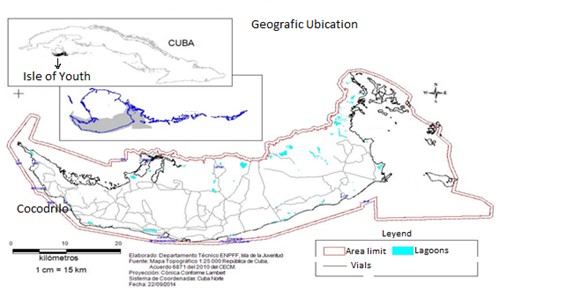
From Nueva Gerona, the island’s capital, it is about 25 miles to Cayo Piedra, the access point to the south. From there, another 32 miles of dirt tracks and rough coastal road lead to the small settlement that was formally called Jacksonville and is now called Cocodrilo. For generations, the northern limit of this wild south has been the Lanier Swamp.
A hard place that drew Caymanians north
To live in the south coast of the Isle of Youth (formerly the Isle of Pines) between 1830 and 1959 was to accept isolation. There were no roads, just paths and tracks, no regular medical services, no running water or electricity, and no reliable supply of basic goods. By the standards of today, life here was closer to endurance than comfort.
And yet, people came. Spaniards, Cubans, Americans, Jamaicans and, in surprisingly large numbers, Caymanians. From the late 19th century onward, they formed one of the most numerous communities in this remote corner of Cuba.
The Cayman connection
Before 1830, some Caymanians were already sailing north to the Isle of Pines, using their formidable navigation skills to seek cattle, turtle and other resources from a sparsely populated territory that also suffered raids by pirates, privateers and buccaneers.
Water was part of the push. As historians like Juan Colina la Rosa and Wiltse Peña Hijuelos note, Cayman’s lack of rivers meant fresh water was always scarce; people depended on rainwater cisterns and shallow, often brackish wells. As the population grew, that water pressure intensified.
By contrast, the south of the Isle of Pines had ample amounts of fresh water and it offered Caymanians a chance to settle, build and then trade back to Cayman, Jamaica, Nicaragua, Honduras and the United States.
There was another, quieter current at work. As slavery was abolished across the Caribbean in the 19th century, many formerly enslaved people in Cayman looked for new lives away from the families that once owned them, and whose surnames they often carried.
Migration to the Isle of Pines overlapped with a wave of American interest after the 1898 US intervention in Cuba, and with land speculation led by men like Samuel H. Pearcy, who sold small plots at just US$20 an acre – a fraction of US land prices. For Caymanians, this meant work with English-speaking settlers, new economic prospects, and a place to start again.
Jacksonville: A Cayman village in Cuba
The first Caymanians to arrive in the south of the Isle of Pines were black, blond, and many shades in between – tall, robust people of mixed English, African and Jamaican heritage. Antonio Núñez Jiménez, quoted by Wiltse Peña, called the Caymanian “…a beautiful human specimen, tall, robust, brown, and with blue eyes and skin that speaks of salt and sun”.
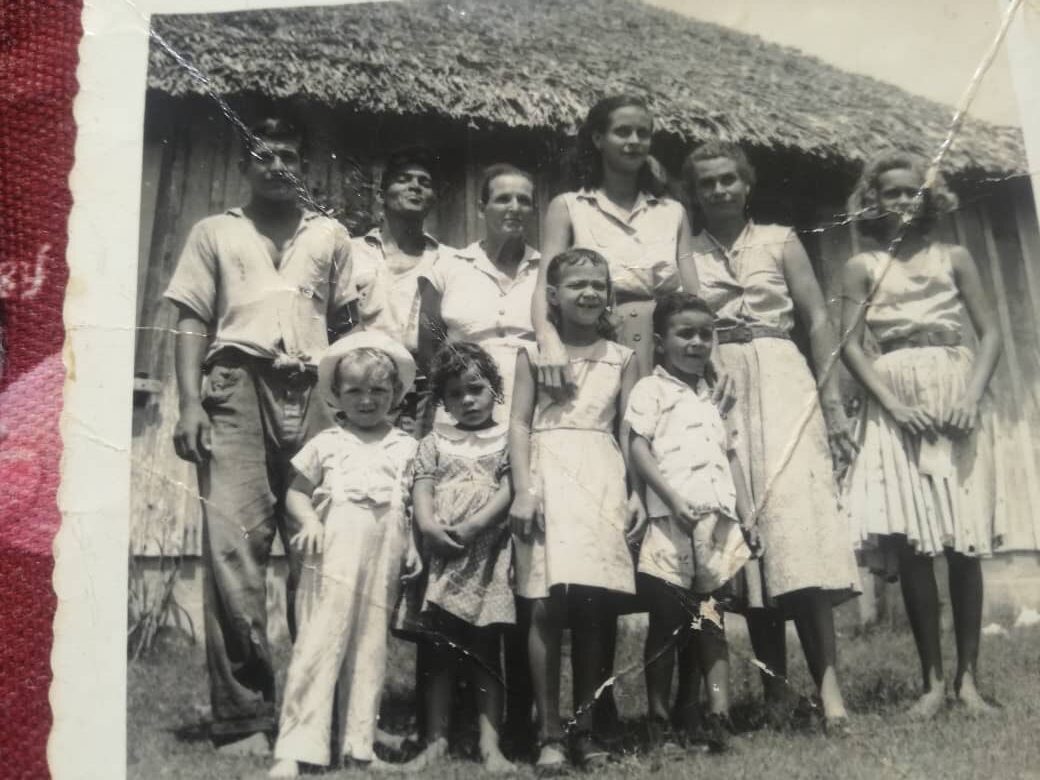
They settled along the coast in a location that is now called Cocodrilo. An 1899 American census recorded 315 Caymanians living in the south of the island, many bearing surnames that still ring familiar in Grand Cayman today: Jackson, Ebanks, Eden, Rivers, Hydes, Powery, Swaby, Watler, Jervis, Crowe, Bodden and others.
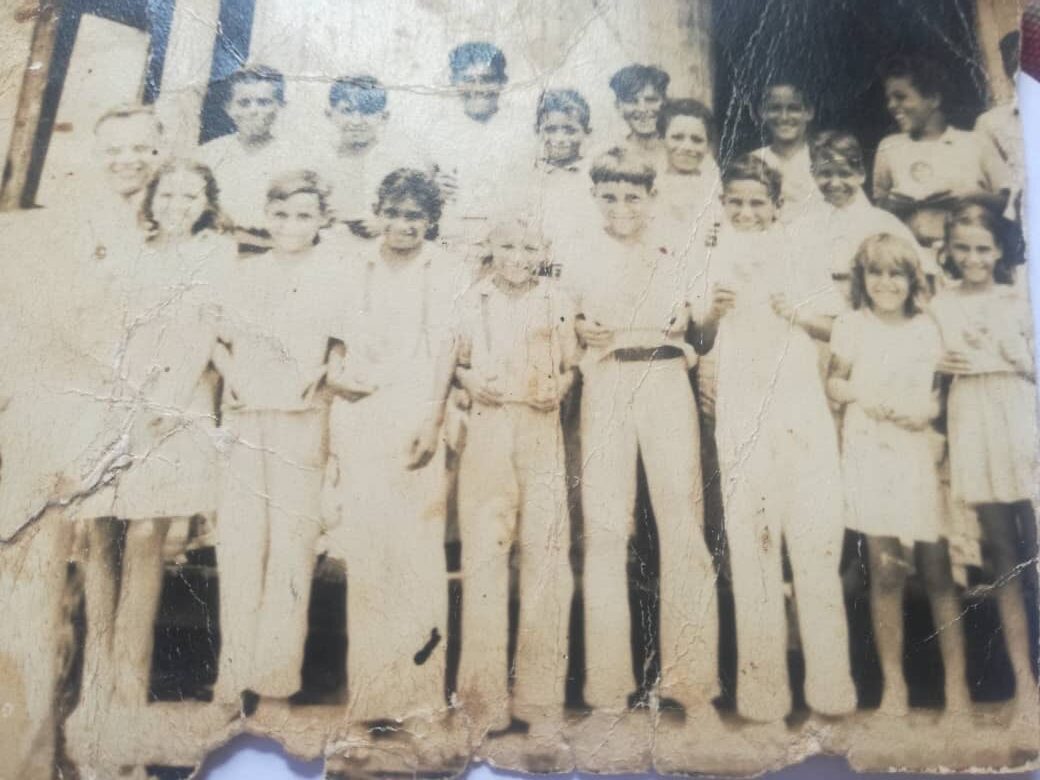
They brought their skills with them. Cayman men fished and caught sea turtles, built boats and houses, worked palm fibre into brooms, hats, baskets, mats and rope. They cut and sold wood, burned charcoal, reared pigs and cattle, planted coconut, root crops and vegetables. Life was coastal, mobile and entirely dependent on the sea.
Around 1905, a key figure; William Atkin Jackson, helped transform this scattered community into a more permanent village. With money pooled by several Caymanian families, he bought 50 acres of land from Samuel H. Pearcy through local banker James A. Hill. Each contributor received a parcel based on what they could afford; Jackson himself, according to Dick Hydes Jr., received seven acres.
On this land they built a settlement they called Jacksonville, in a location less exposed to cyclones and cold fronts.
A small Lutheran church doubled as a school, where children could study up to the eighth grade, in English, under teachers with names like Norman, Philip, Narjad, Oswald and Nald.
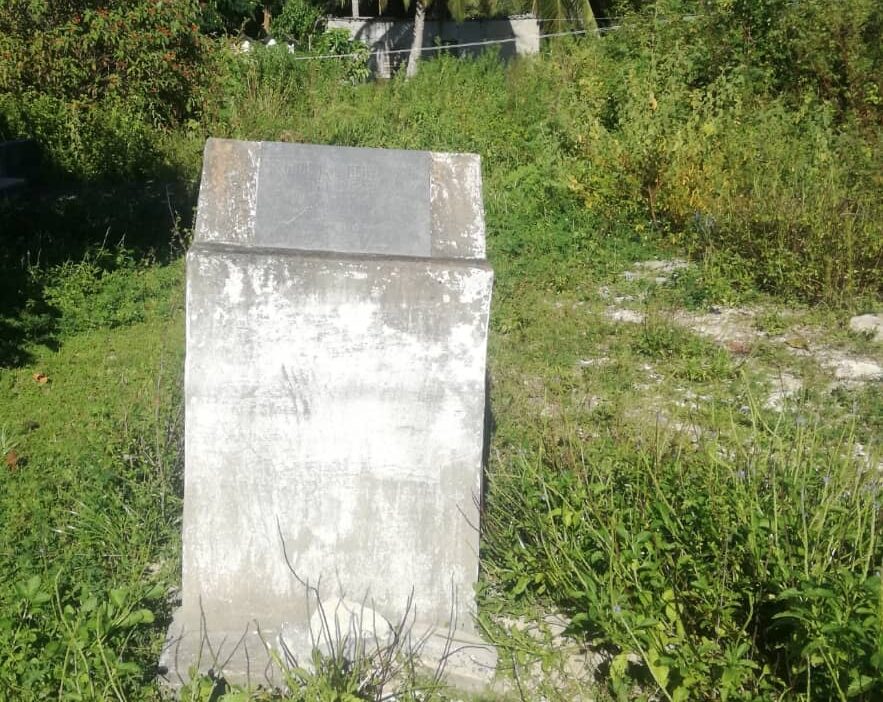
To this day, a marble tablet honours Jackson as Jacksonville’s founder. The plaque is located near the ruins of his son, Moddriel Jackson’s house.
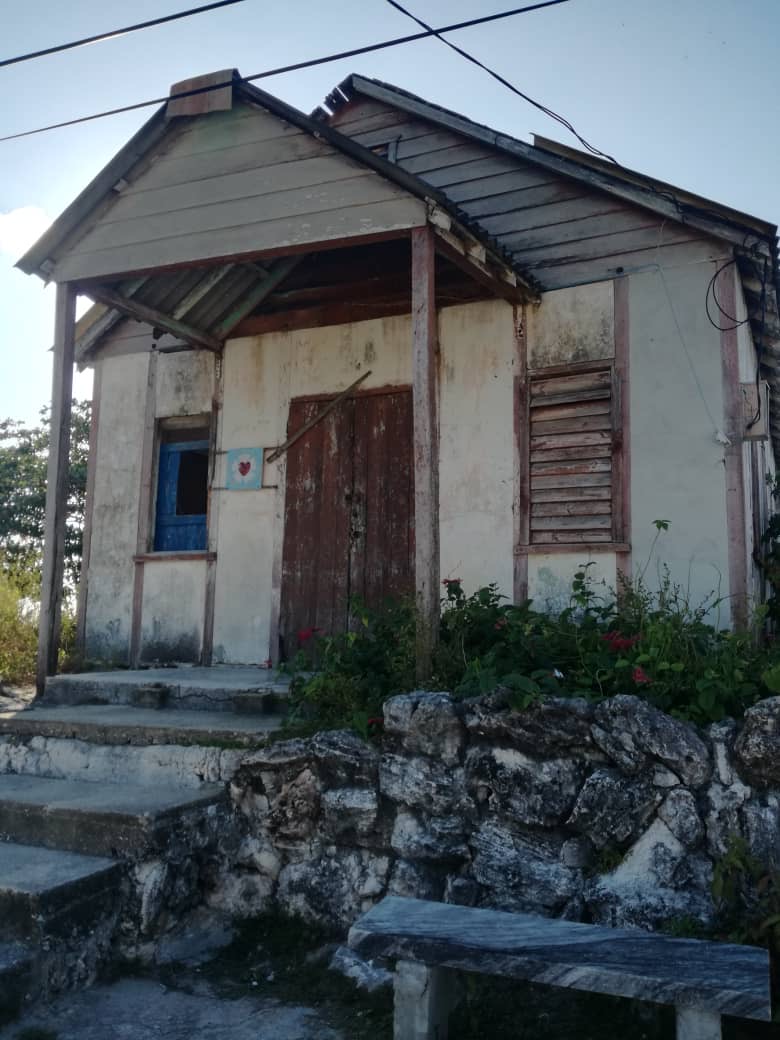
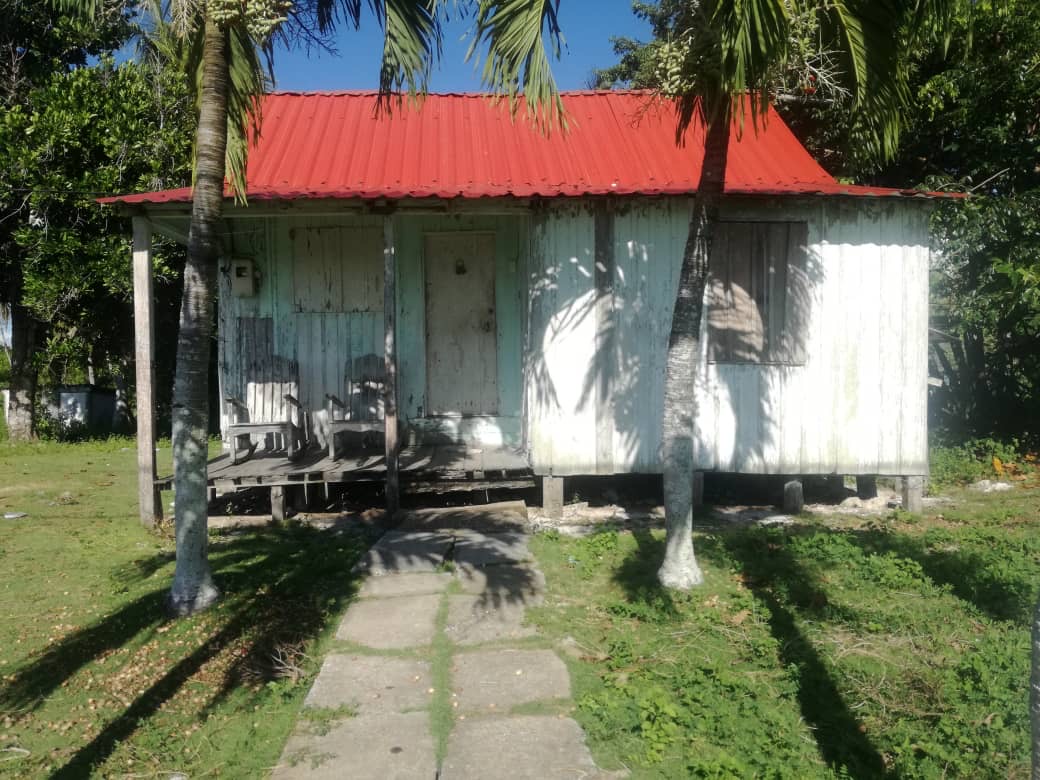
Jacksonville’s wooden houses stood on stilts to escape moisture, crabs and other creatures. Roofs were thatched with palm; later, plaster, lime and sawn timber were added.
A small hotel built by Americans near what is now Playa La Americana briefly brought a touch of glamour. In 1956, film actors and producers from the Hollywood movie The Shark Fighters (‘The Executioners of the Sea’) stayed there. Local Caymanian women, the story goes, washed their clothes for pay.
Transport was in the hands of men like Moddriel Jackson, whose boat La Paloma ferried people and goods between the south coast, Nueva Gerona, Siguanea and Los Indios.
There were no shops at first. As Frances ‘Fanny’ Crowe Swaby remembers from her elders’ stories, families needed their own plots of land and animals because they could expect little from government. Medicine came from shark liver oil, herbal teas, honey and faith.
Inside the houses, everything was neat and swept, shoes left at the door. Women rose before dawn to cook, clean, sew and teach the girls knitting and other domestic skills.
Caymanian culinary traditions survived intact; shared at family tables, at weddings, at Christmas and on visits from afar. Birthdays, marriages, births, Christmas Eve and Christmas Day were all excuses for gatherings with music and dance: round dance, waltz, foxtrot, swing, polka, blues, mento, quadrille and more.
Generations, migration and fading traditions
Time, however, does what hurricanes cannot. Today, none of the original Cayman settlers remain in Cocodrilo, and neither do the second or third generations.
Among the fourth generation, only Nelia Ebanks Rivers and Nelson Jackson Rivers are still alive. Altogether, just a few dozen descendants with names like Jackson, Rivers, Crowe, Powery and Swaby still live in the village.
Their numbers have been thinned by three forces, including migration to other towns on the Isle of Youth, the Cayman Islands and the United States; intermarriage with Cuban families; and low birth rates and limited job prospects in the south coast of the island.
Two moments stand out in this reverse migration story. After the Cuban Revolution of 1959, waves of change and uncertainty led some families to leave. In 1968, two flights from Havana to the Cayman Islands carried, among others, Cayman-descended residents Phillip W. Ebanks and Alfred Powery back ‘home’.
In the 1990s, during Cuba’s deep economic crisis, life in Cocodrilo became even harder. At the same time, Britain allowed many descendants to return to Cayman if they could prove their ancestry. Families like the Swabys, Rivers, Crowes and Ebanks seized the chance.
By then, Cayman itself had changed. When Jamaica moved to independence in 1962, Cayman chose to remain a British territory. From that point on, infrastructure and economic opportunities improved markedly.
For Caymanians visiting from Cocodrilo in recent years, the contrast has been stark: solid houses, paved streets, reliable water and electricity, jobs in tourism, construction, hospitality and commerce, paid health insurance, and free primary and secondary education. Cayman looked, to them, like a first-world country.
Back in Cocodrilo, the Caymanian way of life has steadily eroded.
Only four original Cayman-style houses still stand; three on stilts, one built in the manner of the old Lutheran church. Some remain lived in; others are decaying, roofs battered by hurricanes and time. The church itself is no longer functional.
The village social circle, once the heart of Saturday night dances, has disappeared. Cultural events now happen outdoors, when they happen at all.
Older people, like Nelia, Nelson and William Piñero, can still recall in vivid detail the meals, parties, stories and fishing grounds of their grandparents’ time, when nearby reefs were thick with corals, molluscs, octopus, fish, sharks and turtles.
But the younger generation, raised on recorded music, modern dance and the internet, has little connection to those memories. Life is oriented toward the present, and often toward somewhere else.
A wild coast under pressure
Even this remote coast has not escaped the larger pressures facing the Caribbean.
According to Reinaldo Borrego Hernández, community leader and long-time collaborator with the University of Havana’s Marine Research Centre, the fishing grounds closest to Cocodrilo are now badly depleted.
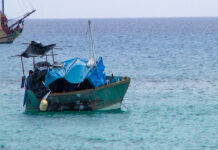
To catch even 10 to 30 pounds of fish a day, men must travel 15 to 20 kilometres by land or sea to places like Punta Francés, Caleta Lugo, Jorobado, Carapachibey and El Cayuelo. They fish primarily for food, using hand lines, poles and spears, and travel on rustic rafts, motorbikes and bicycles.
Borrego points to several causes – decades of overfishing by state enterprises and others along southern Cuba; the warming of the Caribbean Sea due to climate change, which leaves coral reefs fragile and prone to disease and bleaching; and the lack of alternative jobs that would allow people to earn a living from nature without extracting fish.
Yet, he is not without hope. The damage, he argues, is not irreversible if marine and coastal resources are managed better and the people of Cocodrilo are actively involved in protecting them. Nature-based tourism, carefully planned and tightly controlled, could offer one path forward, taking advantage of the region’s extraordinary wildlife, pristine waters and rich Cayman-Cuban heritage.
Looking to the future
When asked about their dreams, most Caymanian descendants in Cocodrilo say the same thing – they would welcome development in their village; better economic, professional and spiritual opportunities. But they do not expect rapid change.
Many still hope one day to visit or return to the Cayman Islands or the United States, often for family reunification or employment. Others plan to move at least as far as Nueva Gerona.
Those who remain are the fragile living link between Cayman’s past and this wild Cuban coast. They remember a time when a Caymanian village called Jacksonville stood at the edge of the swamp and the sea; when there was no electricity, but there was always laughter, music, hard work and mutual respect; when reefs were full, turtles were plentiful, and no child doubted that the world, however small, was theirs.
Today, the name Jacksonville has faded into official ‘Cocodrilo’, and modern life presses in from every direction.
But along that 90-mile shore, under the flight path of the same frigate birds, herons and egrets that circle Cayman, the wind still moves through the forest trees and the mangroves, the crocodiles still bask in the creeks, and the sea still breaks on a coast that, in many ways, has changed less than the people who once came here from the islands to the south.
Reinaldo ‘Nene’ Borrego Hernández co-wrote this article with Simon Boxall.
Related Videos







Simon, thanks for sharing this very interesting article.
My father arrived in Cayman as an orphan boy at 8 years old from Isle of Pines (his mother died on the ship on their way here) but he didn’t remember much of his brief life there (they’d emigrated from Nicaragua two years earlier).
This gives me some insight into life in Isle of Pines.