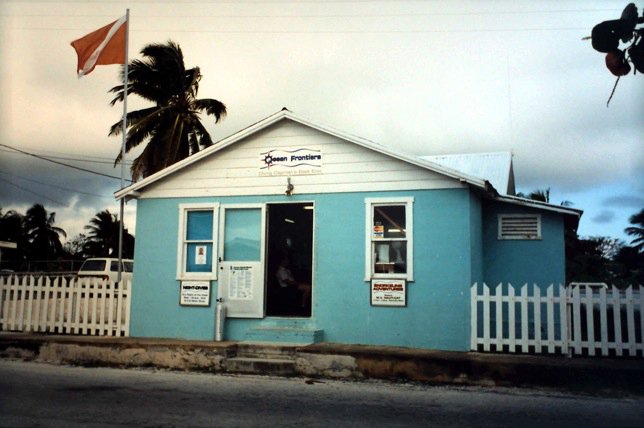
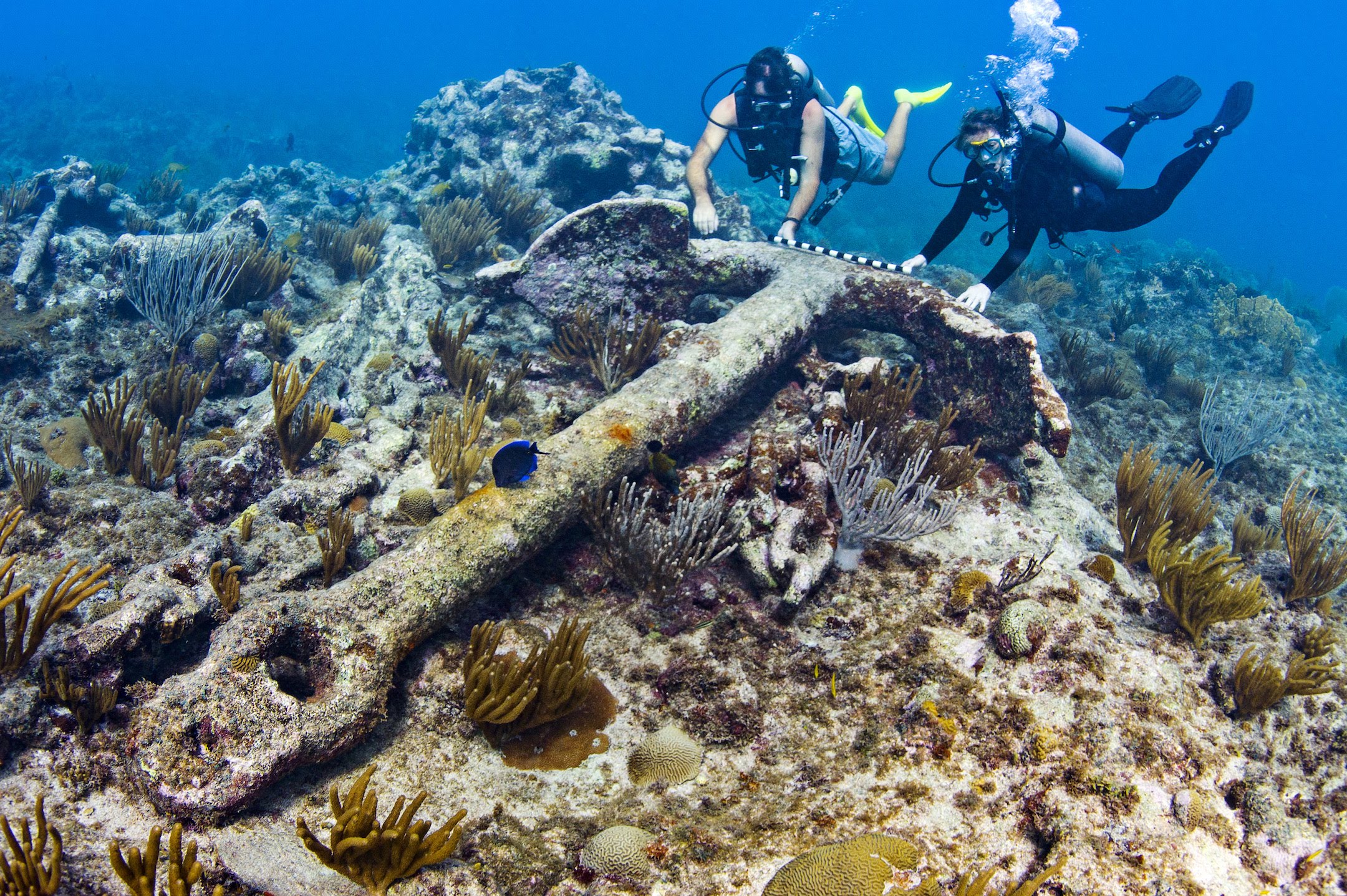
Thirty years ago this week, a trio of business partners started a dive company in East End, with a single boat, and big dreams. Now, three decades later, Ocean Frontiers has grown into a renowned dive resort, with strong environmental credentials and a worldwide following.
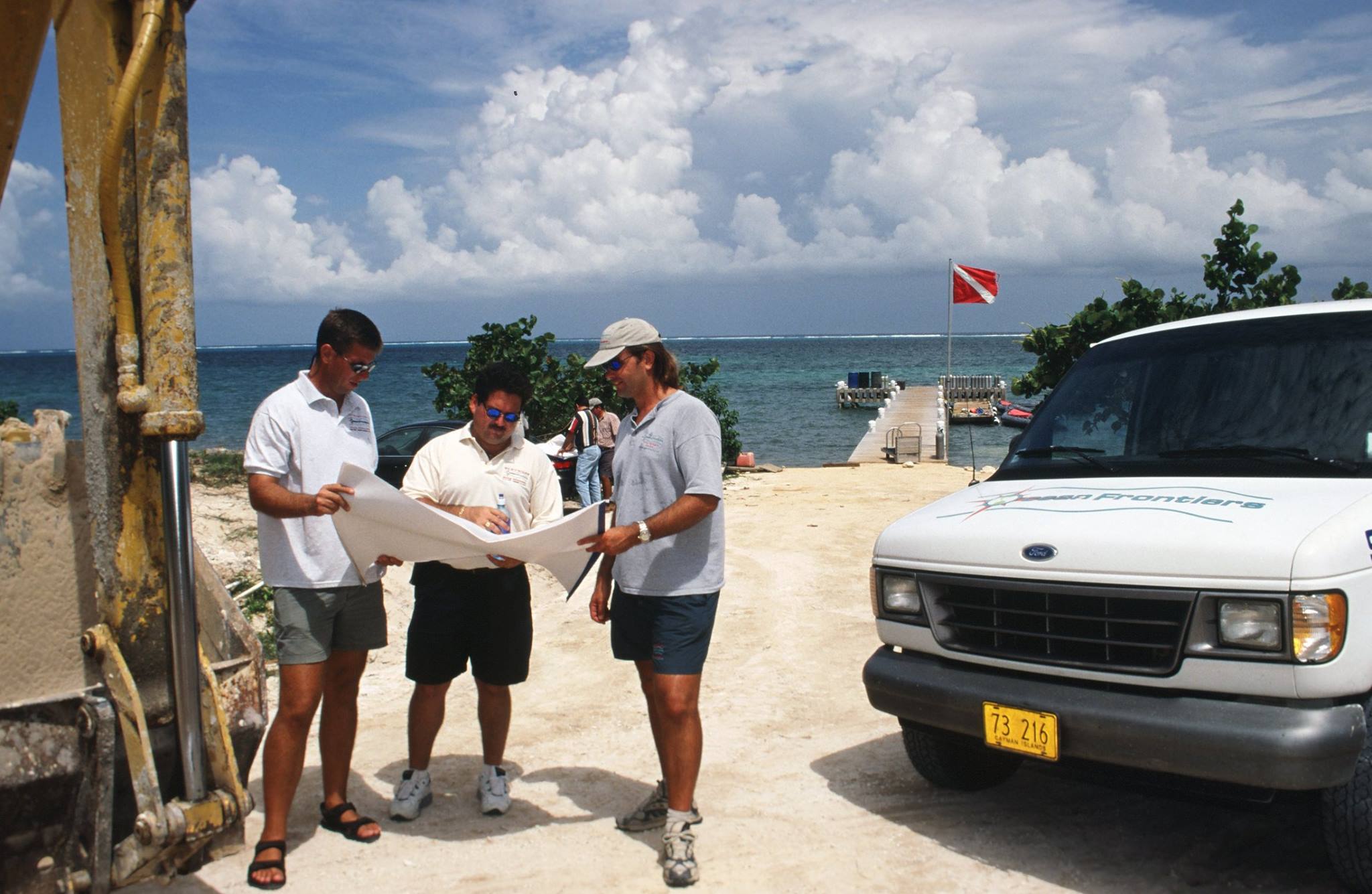
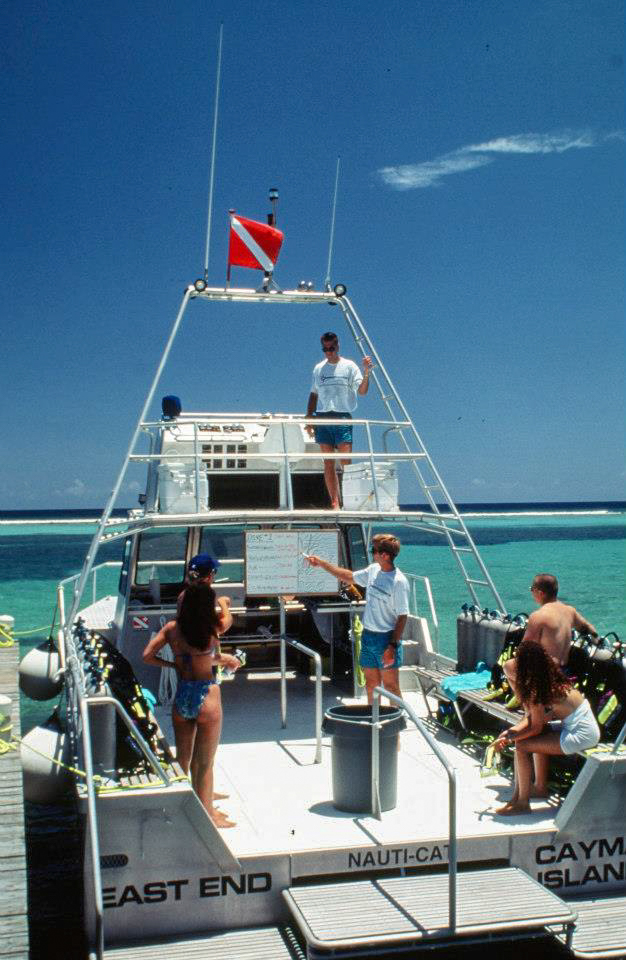
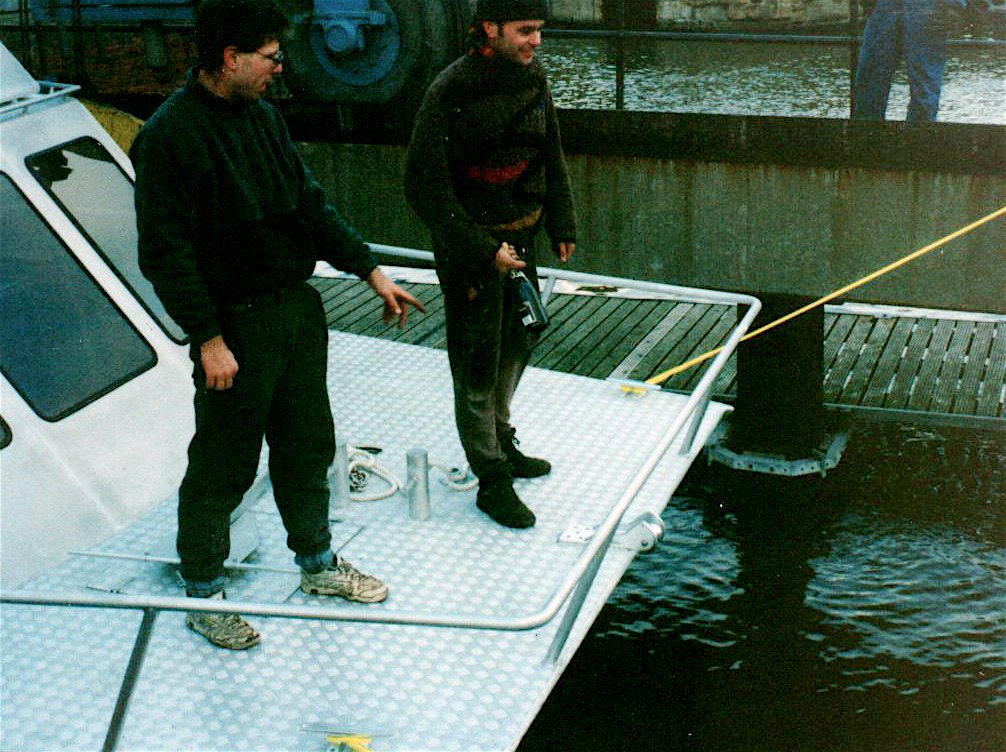
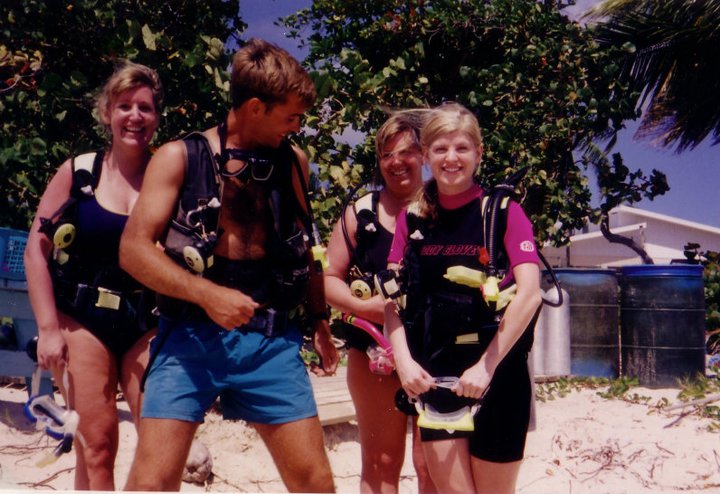
On Valentine’s Day in 1996, Steve Broadbelt, Maurice ‘Mo’ Fitzgerald and Troy Burke launched their new dive operation, with their one dive boat brought over from the UK, and started building their customer base and reputation from there.
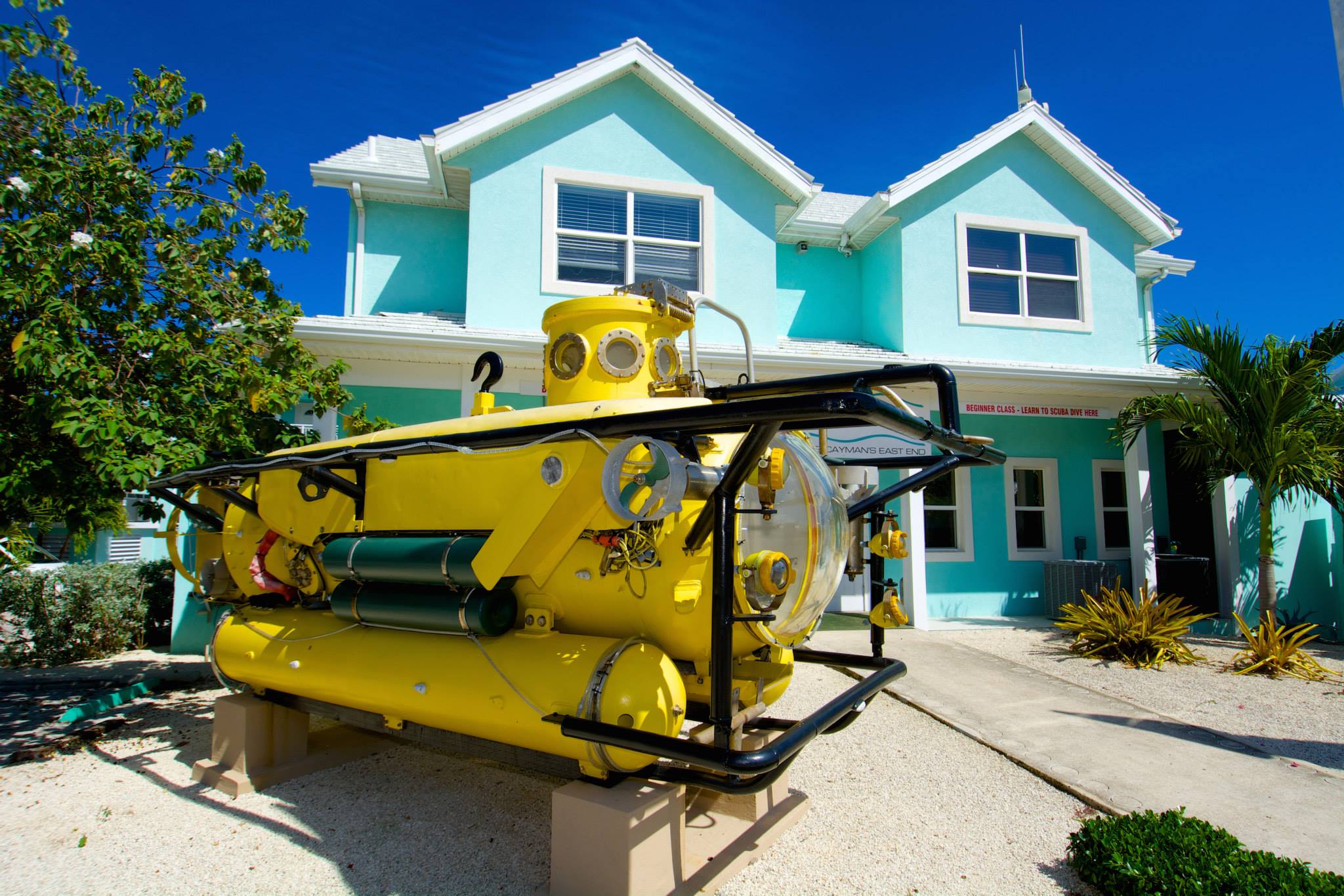
Ocean Frontiers in 2026 is a fully fledged and popular dive resort – with five boats, accommodation and an on-site restaurant and bar – that customers return to year after year and which has a strong local following.
“I could not have ever seen that far on the horizon. To think that me and Mo, my business partner, could have done what we did,” said Broadbelt, who, along with Fitzgerald, bought Burke’s share of the company about 15 years ago.
Running a dive operation on a Caribbean island hadn’t been on Broadbelt’s horizon when he learned to dive in the UK at the age of 17. “I did a gap year, and never went back,” he said. “I told my mum I’d be back in a year, that I’d gotten a job as a dive instructor in the Cayman Islands. One thing led to another, and I’m still here.”
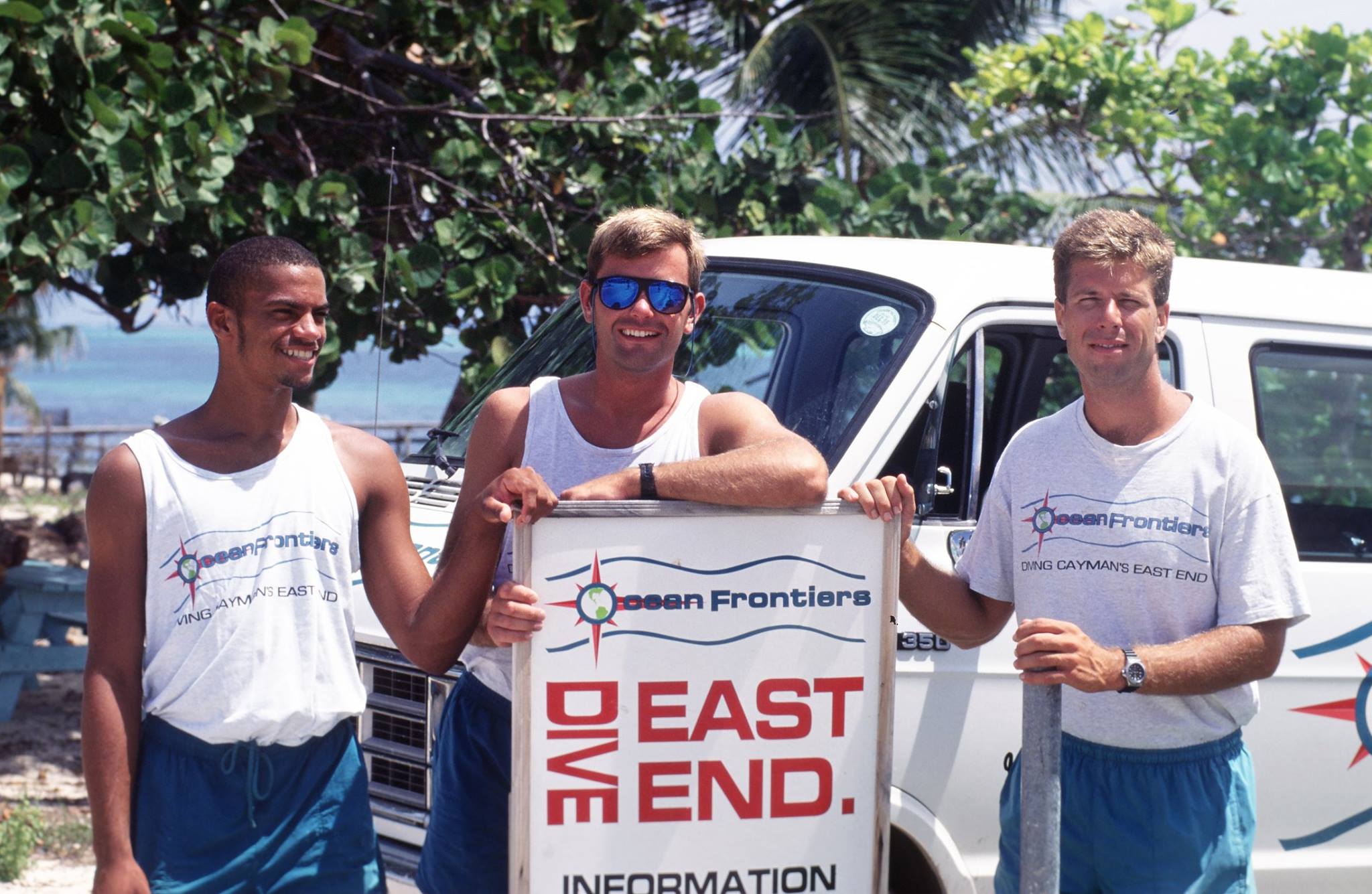
Staff at heart of business
The company has been through quite an evolution over the years, and its staff has been at the heart of its success, says Broadbelt.
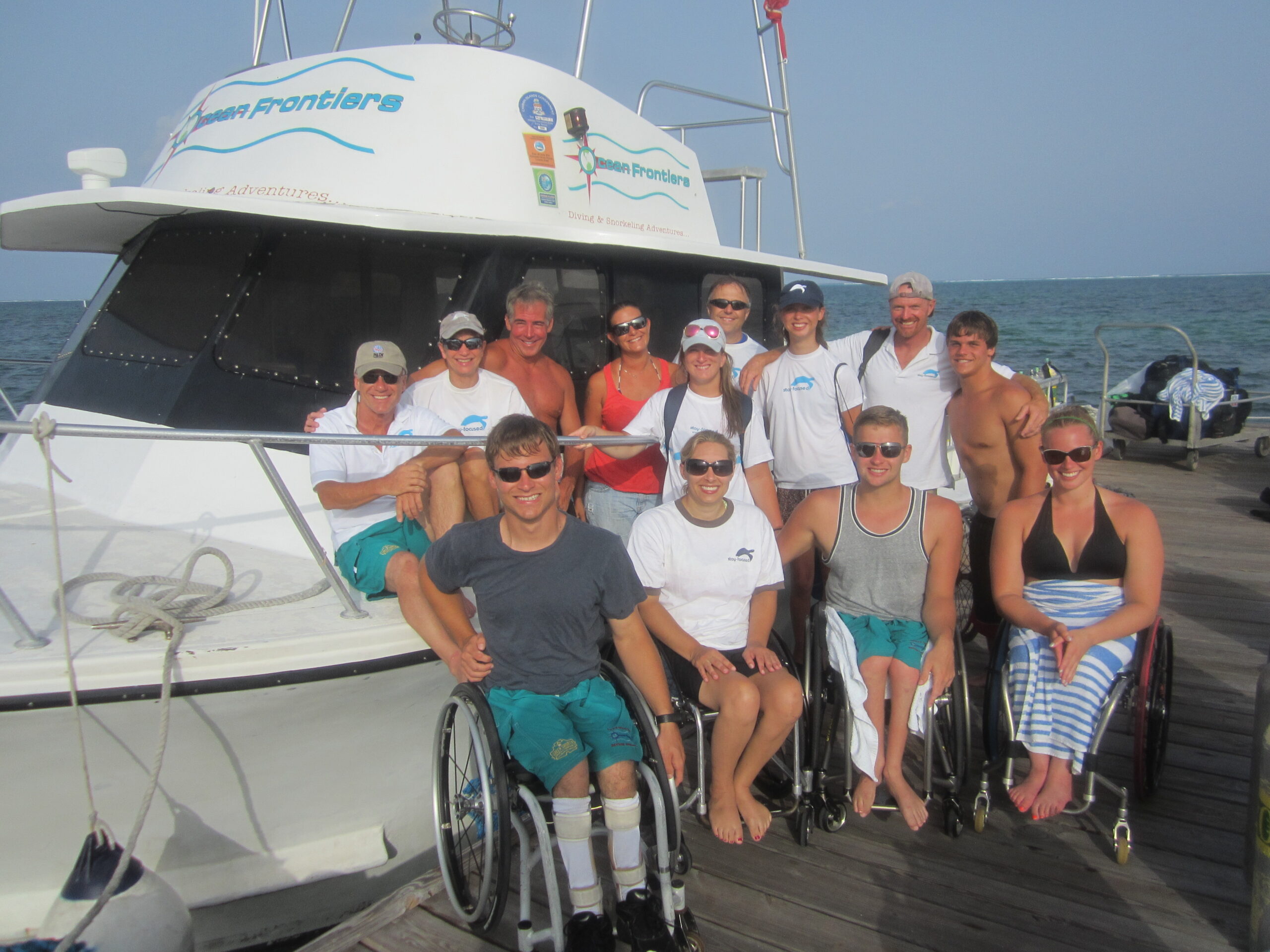
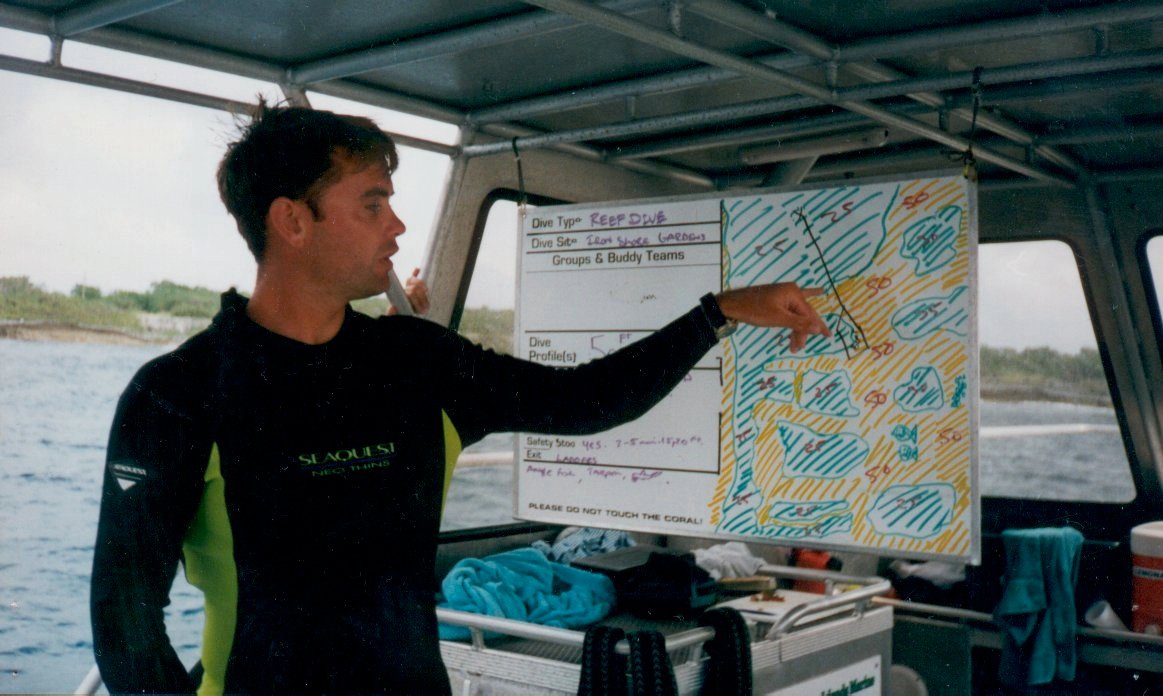
“Our team is certainly the pillar of our organisation and what we do. They deliver our customer experiences. We attract the best of the best, and I’m very grateful for the people we get to work with,” he says.
Among the many members of staff who have worked at Ocean Frontiers in its 30 years are three Caymanians who started their careers at the East End dive shop stand out for him.
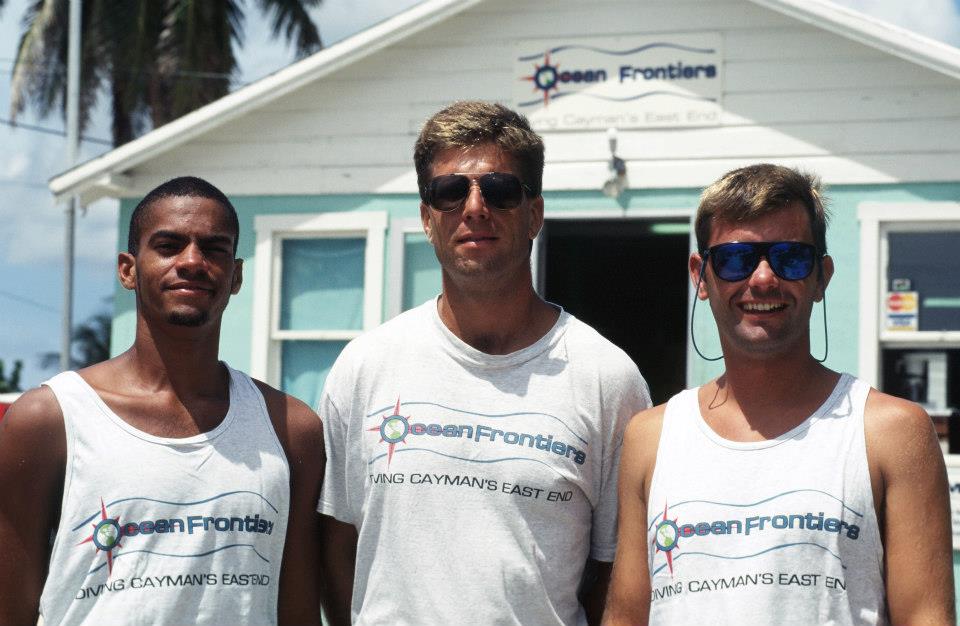
Darren Kirchman worked with the company in the ’90s as a divemaster and boat captain, before going on to work for the marine police, and is still working with the Royal Cayman Islands Police Service. Delwin McLaughlin also worked at Ocean Frontiers as a divemaster and boat captain, before moving to the Department of Environment, and now works at the Port Authority as captain of its patrol and pilot vessel. More recently, Dimitri Myles worked at the dive operation, first as an intern and then as a dive master. He went on to marine biology in university, having received the first Edmund F. and Virginia B. Ball Ocean Science Scholarship from the Central Caribbean Marine Institute.
“I would have liked them all to stay, but it put them on a career path that we attach much pride to,” Broadbelt said.
Award winning
Over the years, Ocean Frontiers has been the recipient of several awards.
These include the Project AWARE Environment Achievement Award in 2004, 2010 and 2012; the CEPTS Environmental Stewardship Award in 2013; and the Governor’s Environmental Award for Tourism in 2014.
The company also won the Readers’ Choice Award in Scuba Diving Magazine’s Caribbean and Atlantic dive operator categories in 2024, 2025 and 2026.
“We’ve won a lot of different awards over the years,” Broadbelt says, “for doing the stuff we love.”
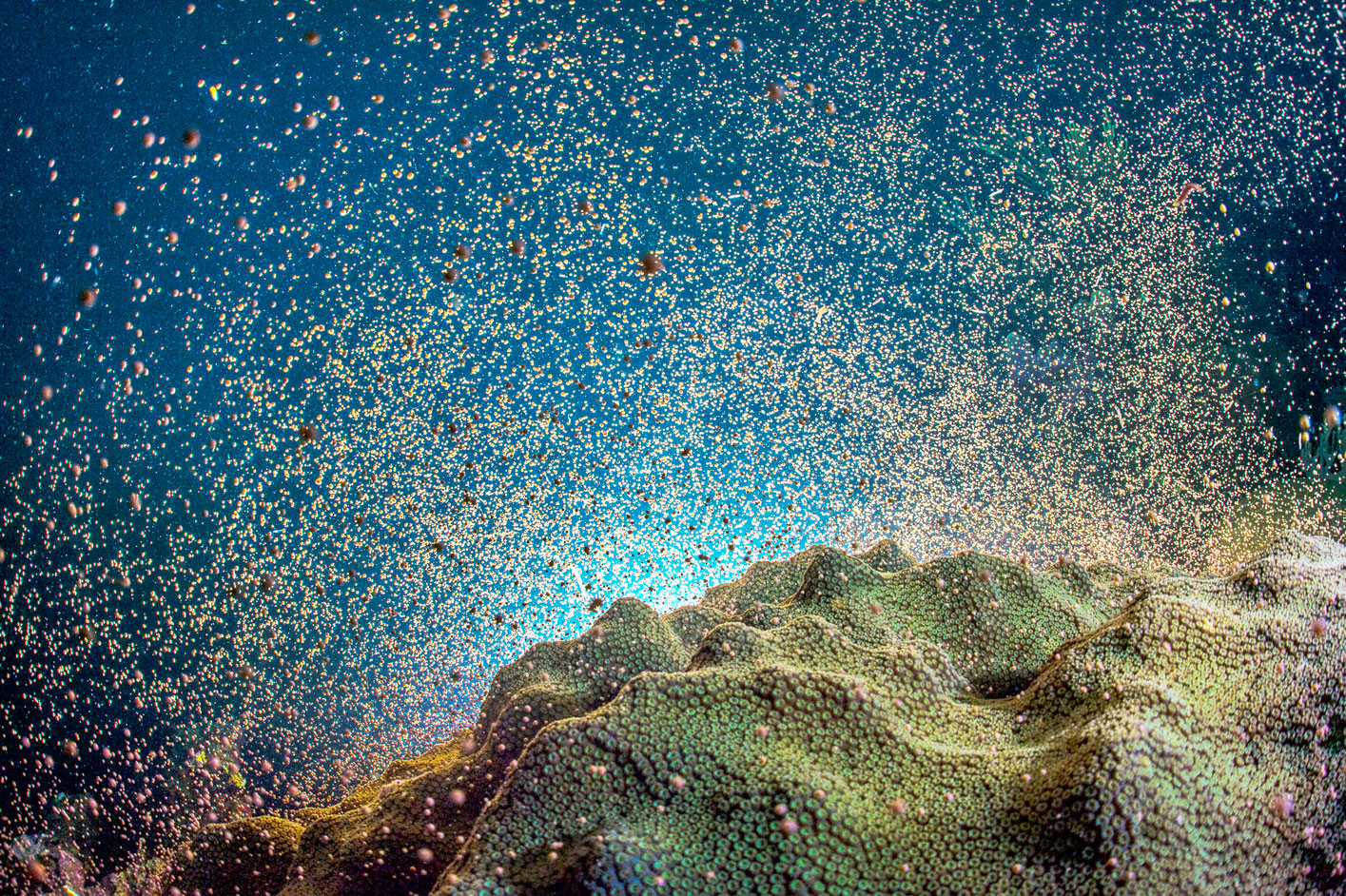
Coral spawning
For him, one of the highlights – of many in Ocean Frontiers’ storied history – has been being able to introduce divers to the annual coral spawning, an underwater spectacle that not many
people get to see.
Having gone through the complexities of predicting exactly when corals will eject their bundles of sperm and eggs into the water, based on the lunar cycle, ocean currents and sea temperatures, Ocean Frontiers runs its boats to coral spawning sites off East End every September following a full moon.
“I am personally very proud of what we’ve done, and I still get excited about it,” he said.
Since 2002, Broadbelt and marine scientist and photographer Alex Mustard have been predicting, observing and document the spawnings.
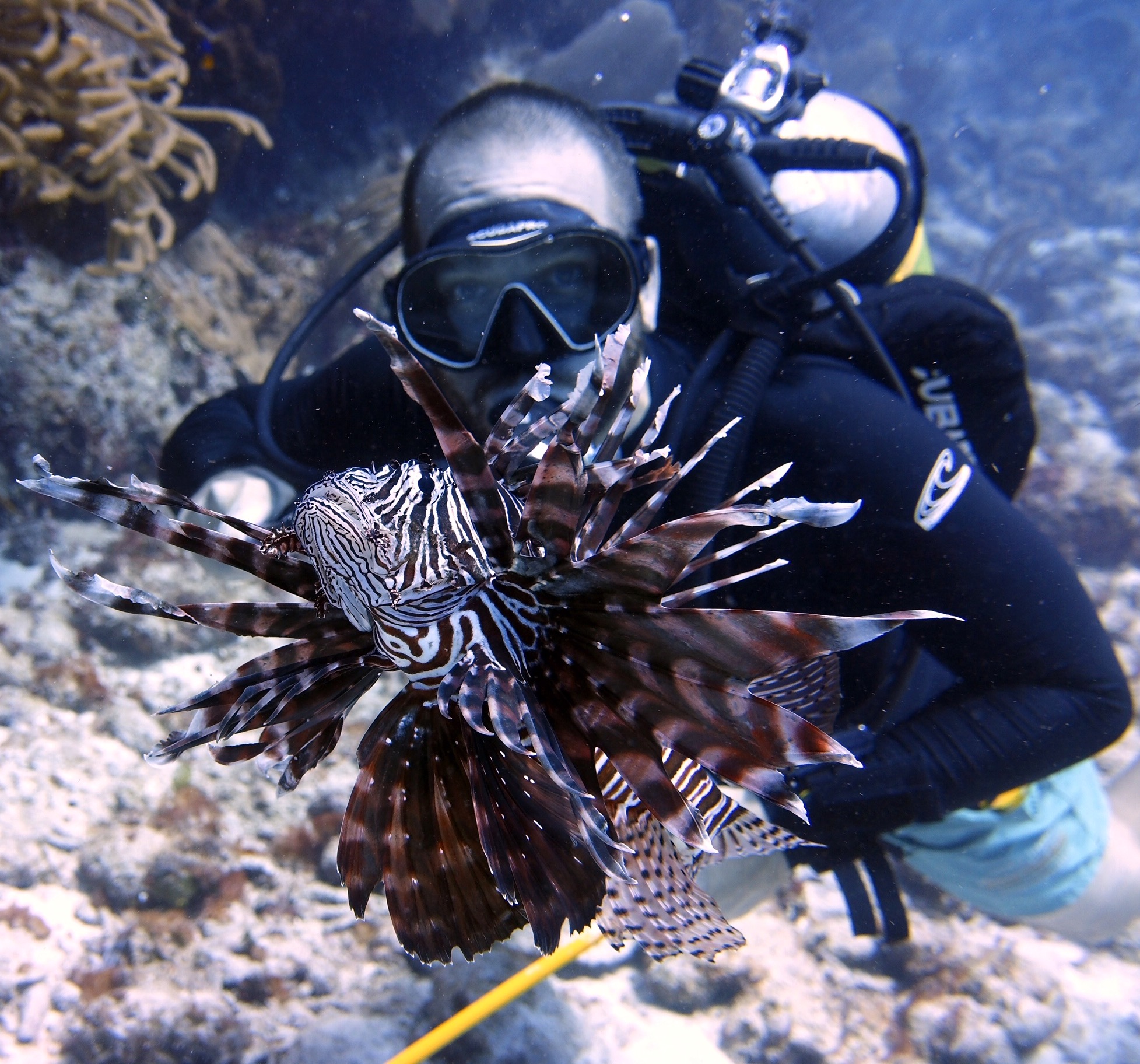
Lionfish culling
Ocean Frontiers also joined efforts to tackle the invasive lionfish population, which first started appearing on Cayman reefs around 2008. Over five years, from 2011, the dive company organised hundreds of dives for lionfish spearing, culling at least 12,000 of the fish and involving up to 1,000 divers.
At the time, Broadbelt says, he considered the lionfish a massive risk to the reef. “I thought it was the end of diving,” he recalls. “I thought if we did nothing, there would be no fish left and no coral. In my 30 years, it’s one of the times I was fearful for the future of the reefs. So we went pretty heavy on the culling.”
Now, while lionfish are still present on the local reefs, it seems the natural predators have adapted to the species. “We still have to weed the garden a little bit though,” Broadbelt says.
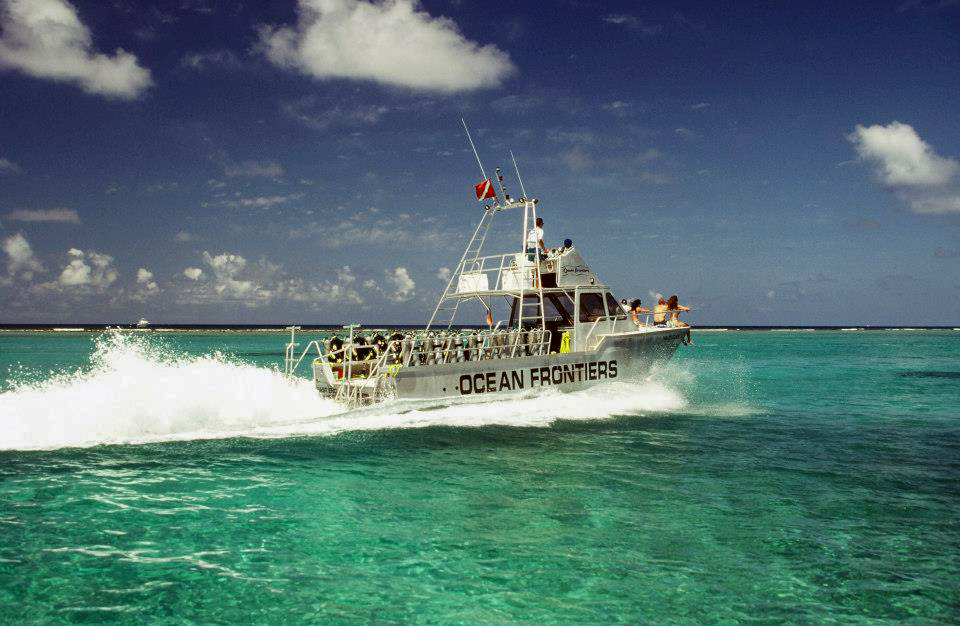
A major step forward for the company was in 2016-2019, when it purchased three new custom-built 45-foot Newton boats for its fleet. That $1 million investment was “transformative” for the company, Broadbelt said, although he acknowledged that the arrival of the COVID-19 pandemic the following year made him wonder at the time if he’d made a very expensive mistake. But it has “really boosted the business,” he says now.
Time capsules
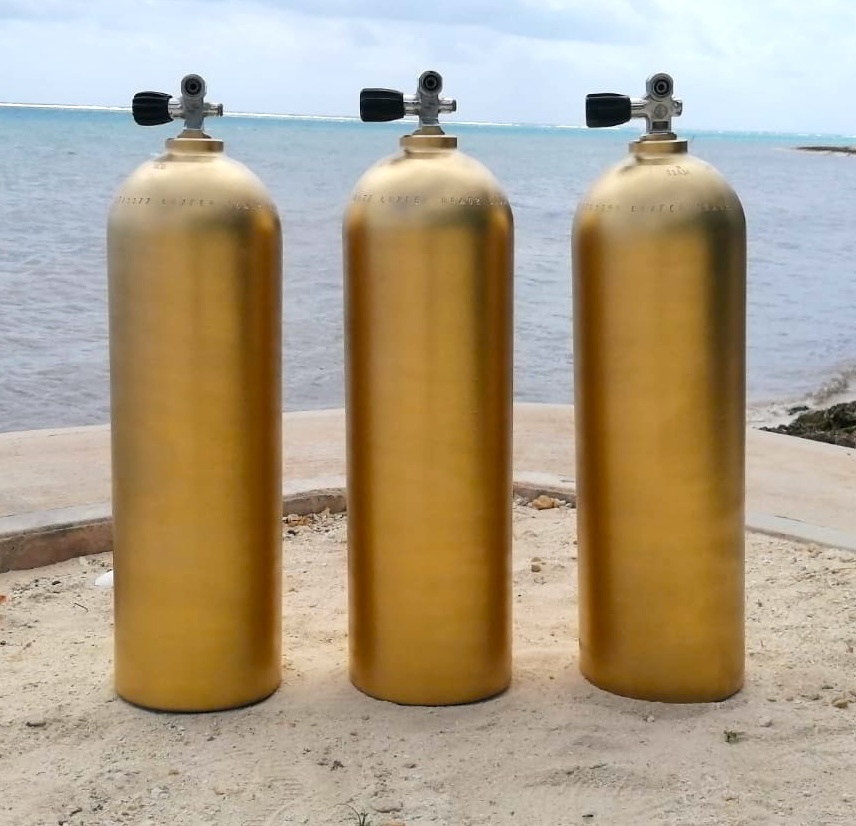
To mark its anniversary, Ocean Frontiers will be burying three-time capsules, inside retired dive tanks, at the end of this year. “We wanted something that honoured the past, celebrated the present, and spoke to the future,” says Broadbelt. “We chose to speak in the language we know best: diving.”
The tanks will be filled with memorabilia, sealed, and buried on the grounds of the Ocean Frontiers dive shop, with a large bronze plaque marking the spot. “They will rest there for 30 years, not to be opened until 2056,” Broadbelt explained.
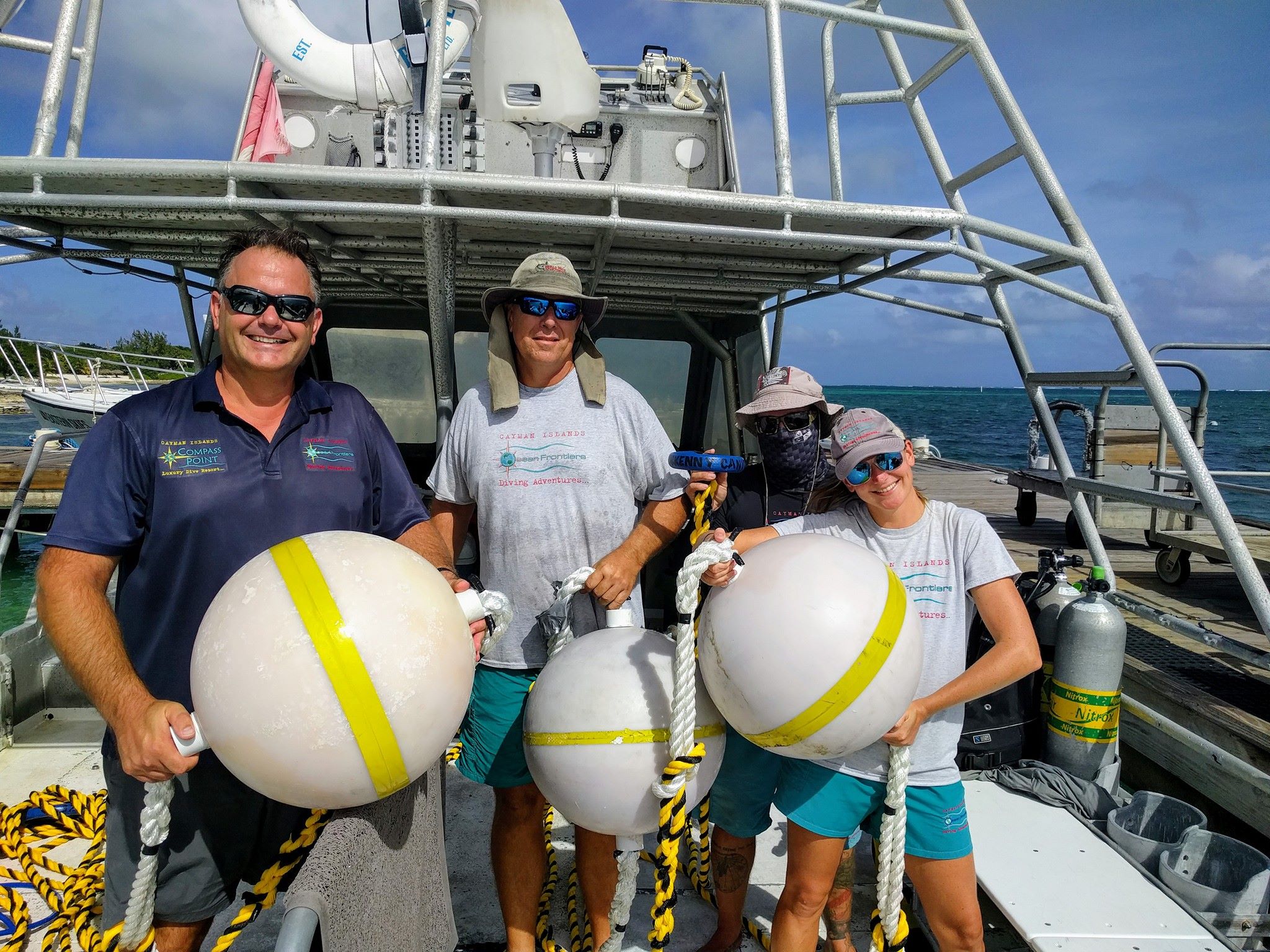
“If you’ve ever dived with us, worked with us, laughed on our boats, or made a memory with Ocean Frontiers – you’re part of this story,” he said.
Customers and crew from the past three decades are being invited to contribute small artifacts and memorabilia to be added to the capsules.
“And so then,” says Broadbelt, “the three tanks will begin their longest dive – not into the sea, but into time itself – holding stories of adventure, friendship, and a small dive shop in the Cayman Islands that grew into a home for ocean lovers from around the world.”
Related Videos