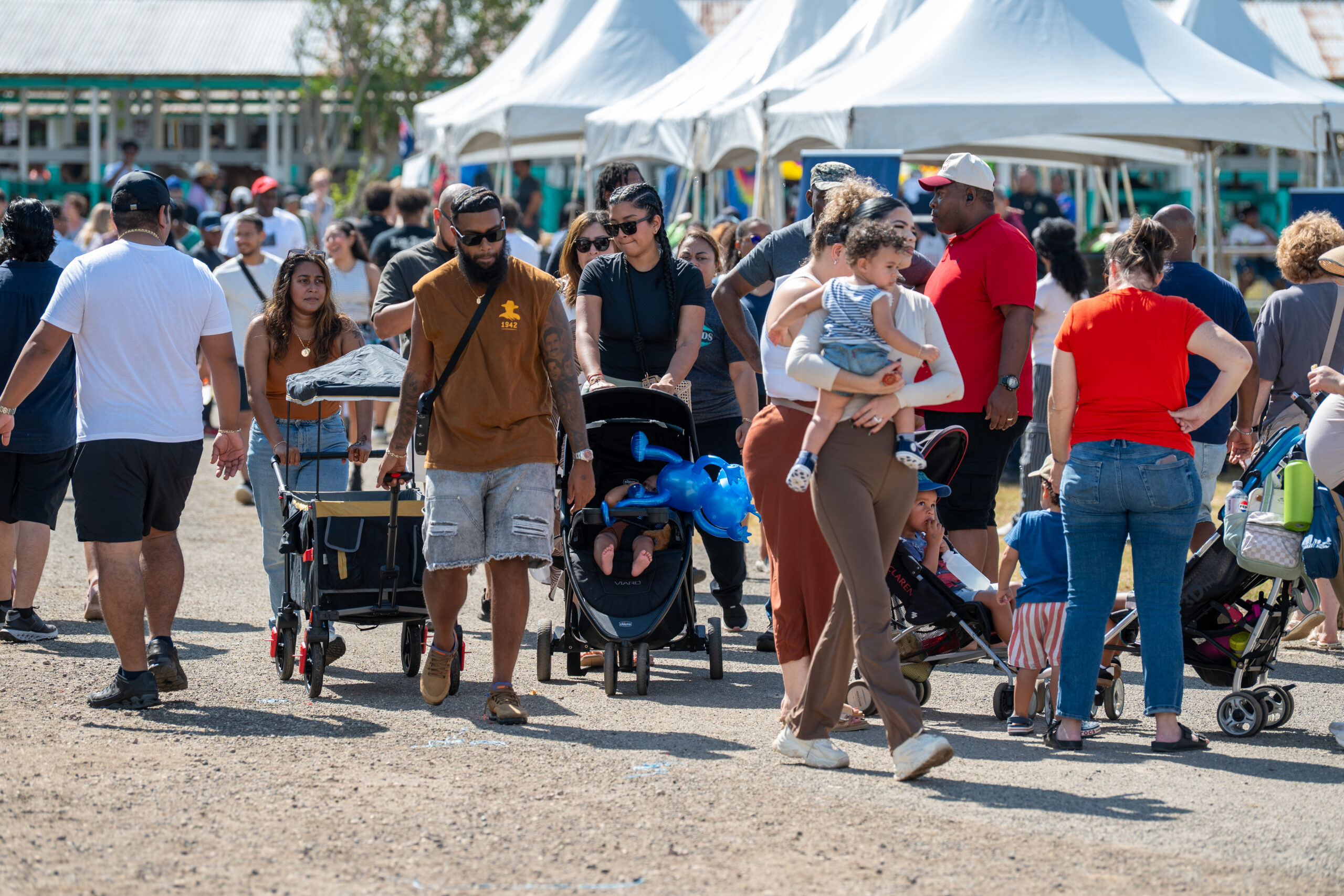
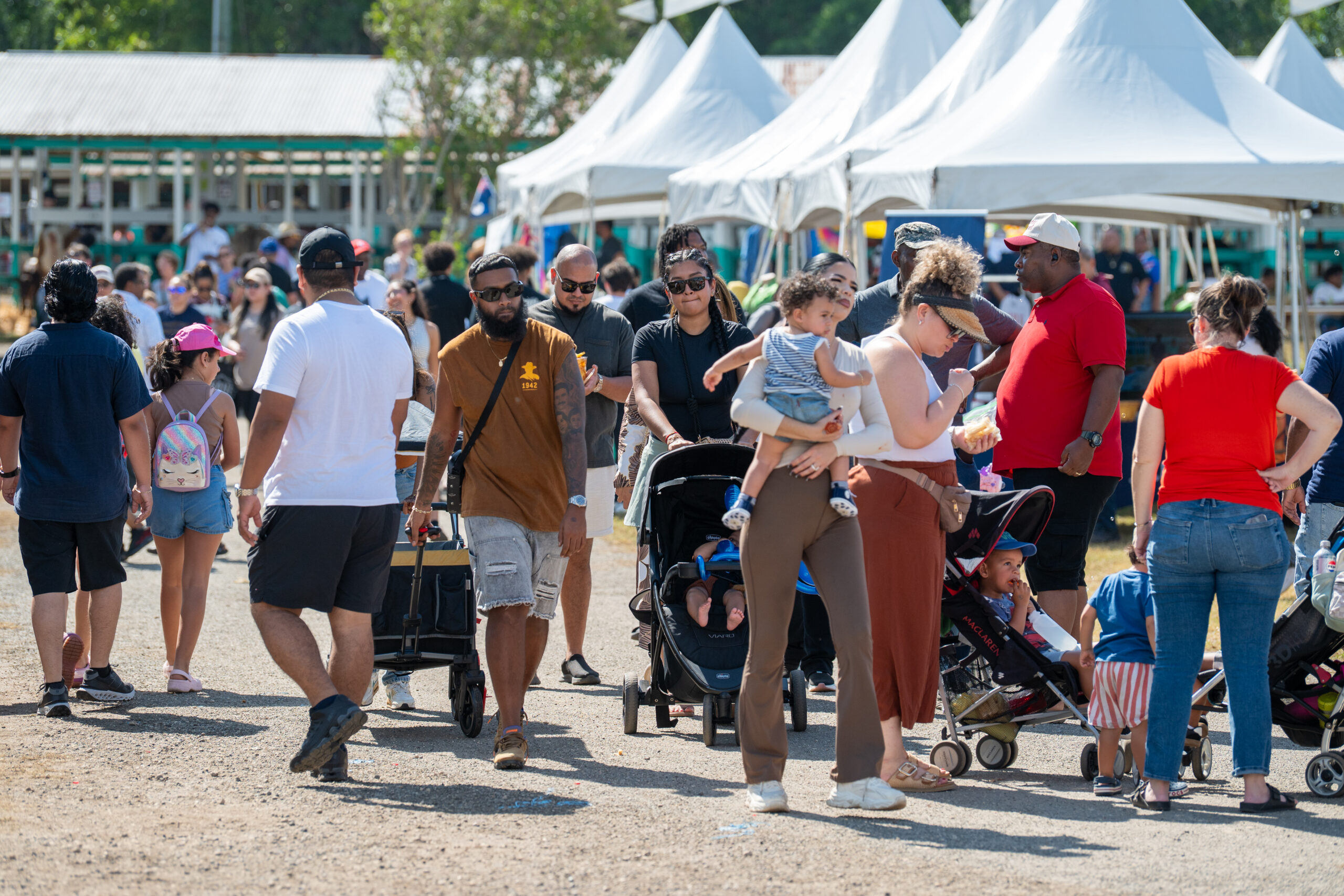
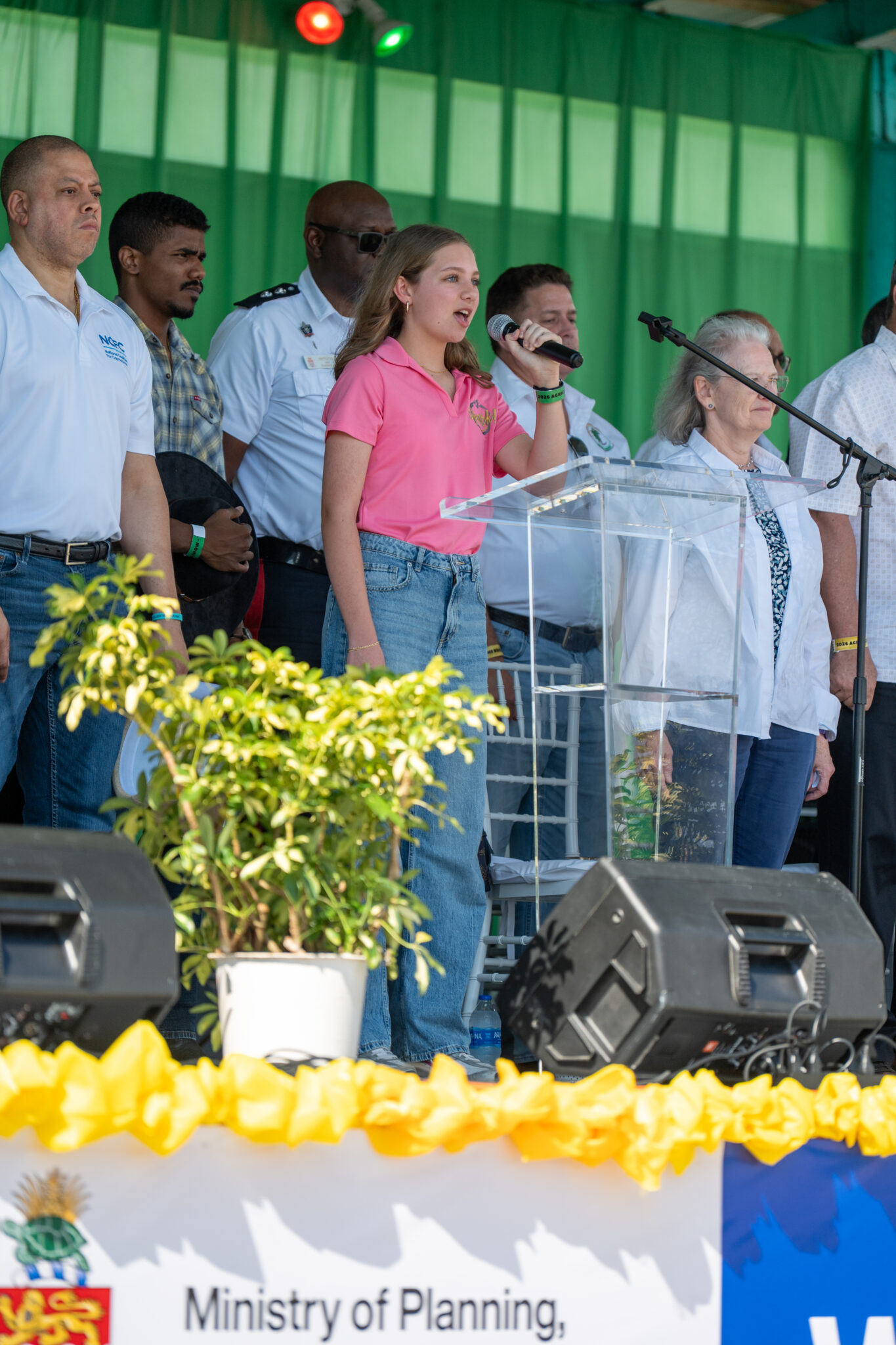
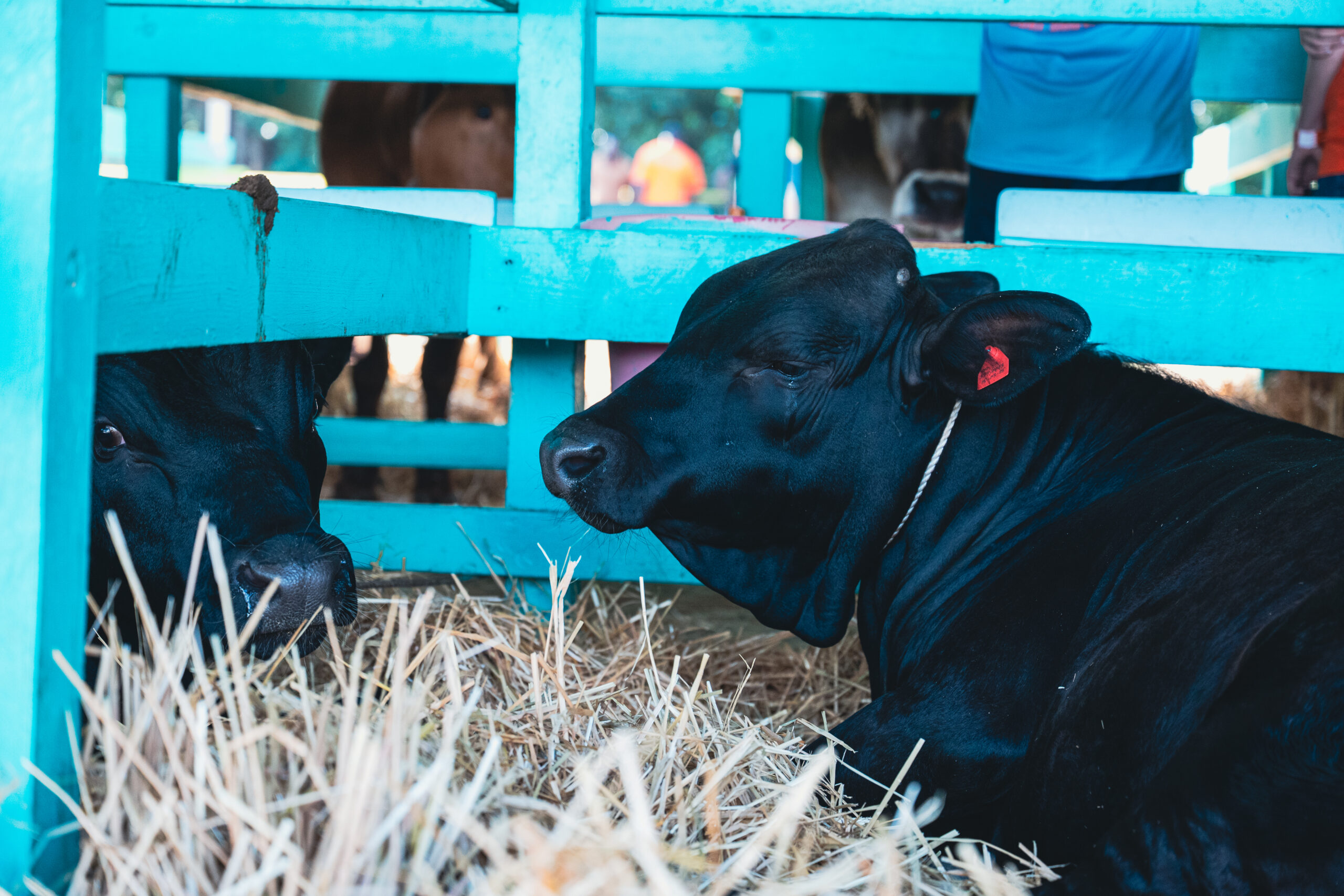
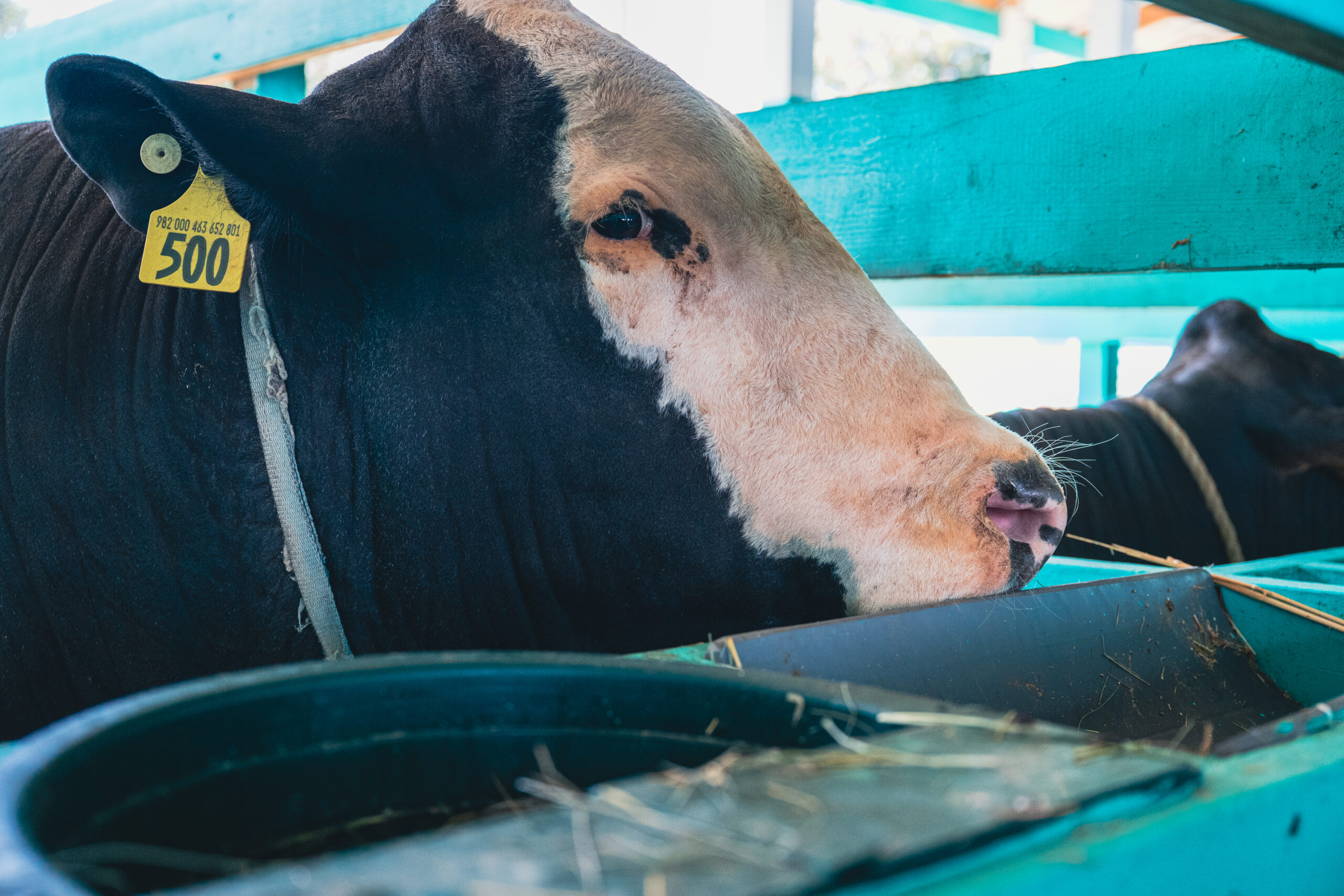
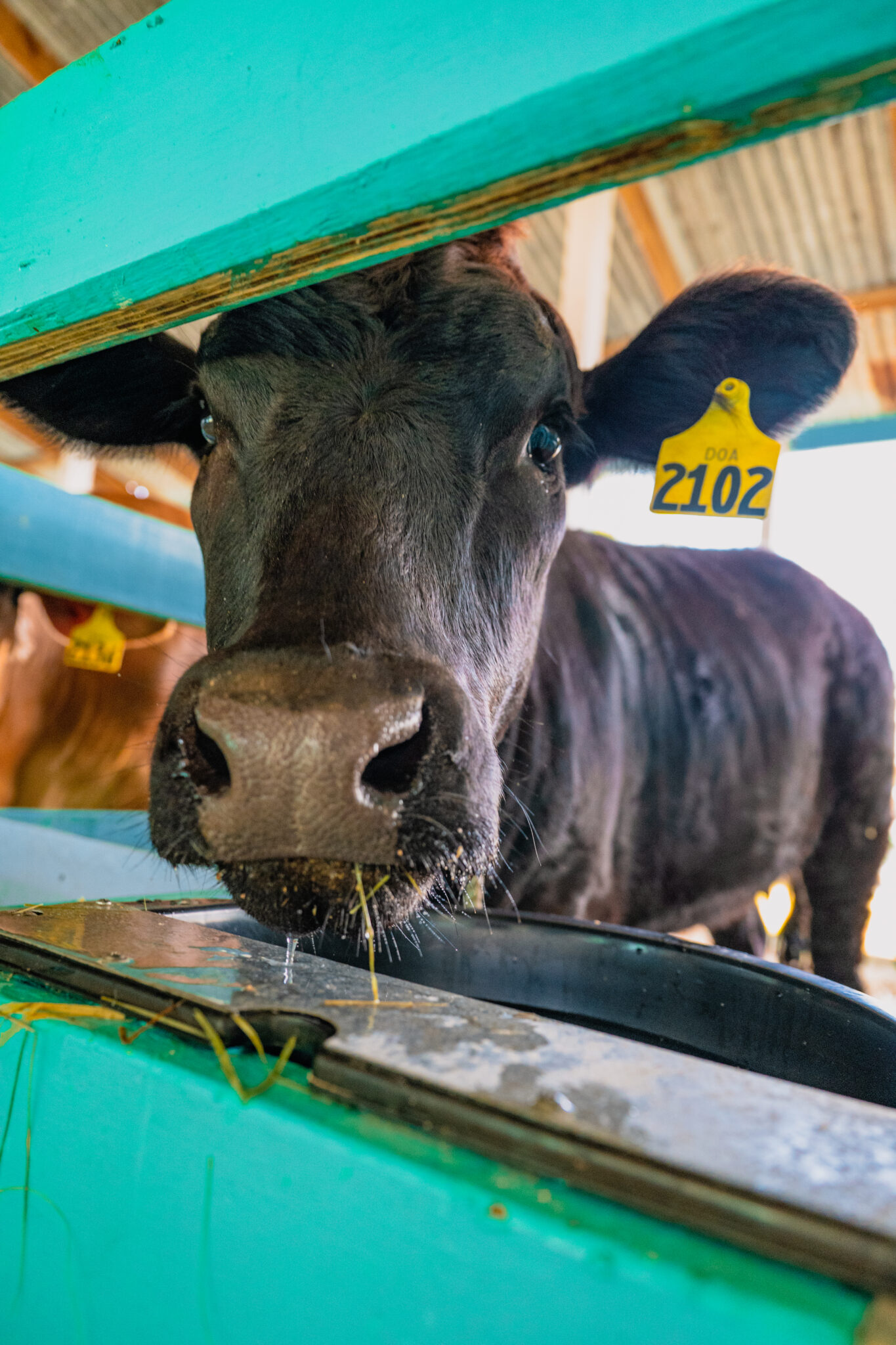
Cowbells rang, a conch shell sounded and thousands streamed into the Agricultural Grounds in Lower Valley on Ash Wednesday as the 57th Annual Cayman Islands Agriculture Show opened, ushering in a day packed with attractions and a sharpened focus on local food production.
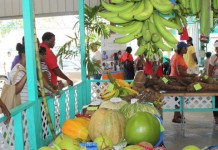
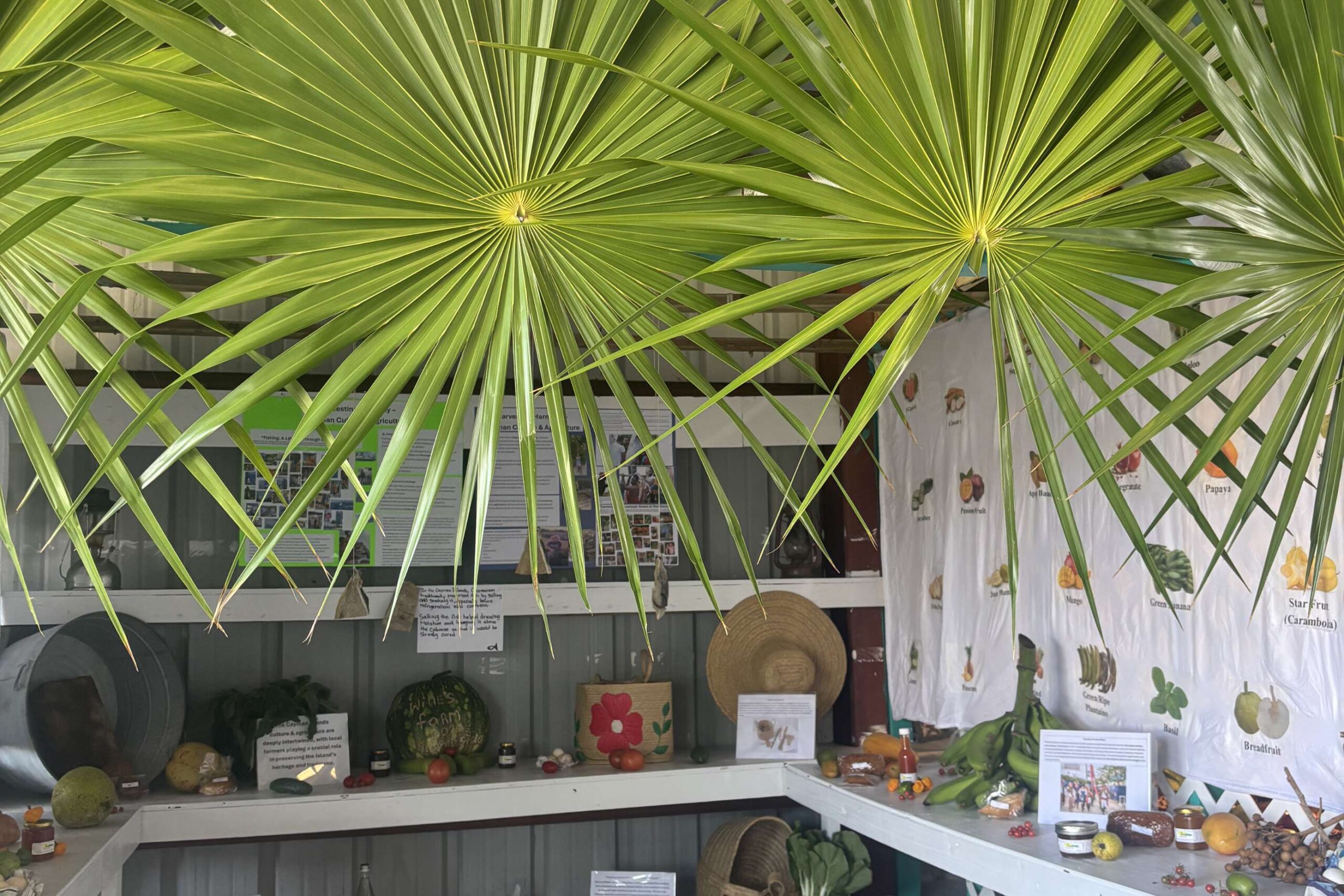
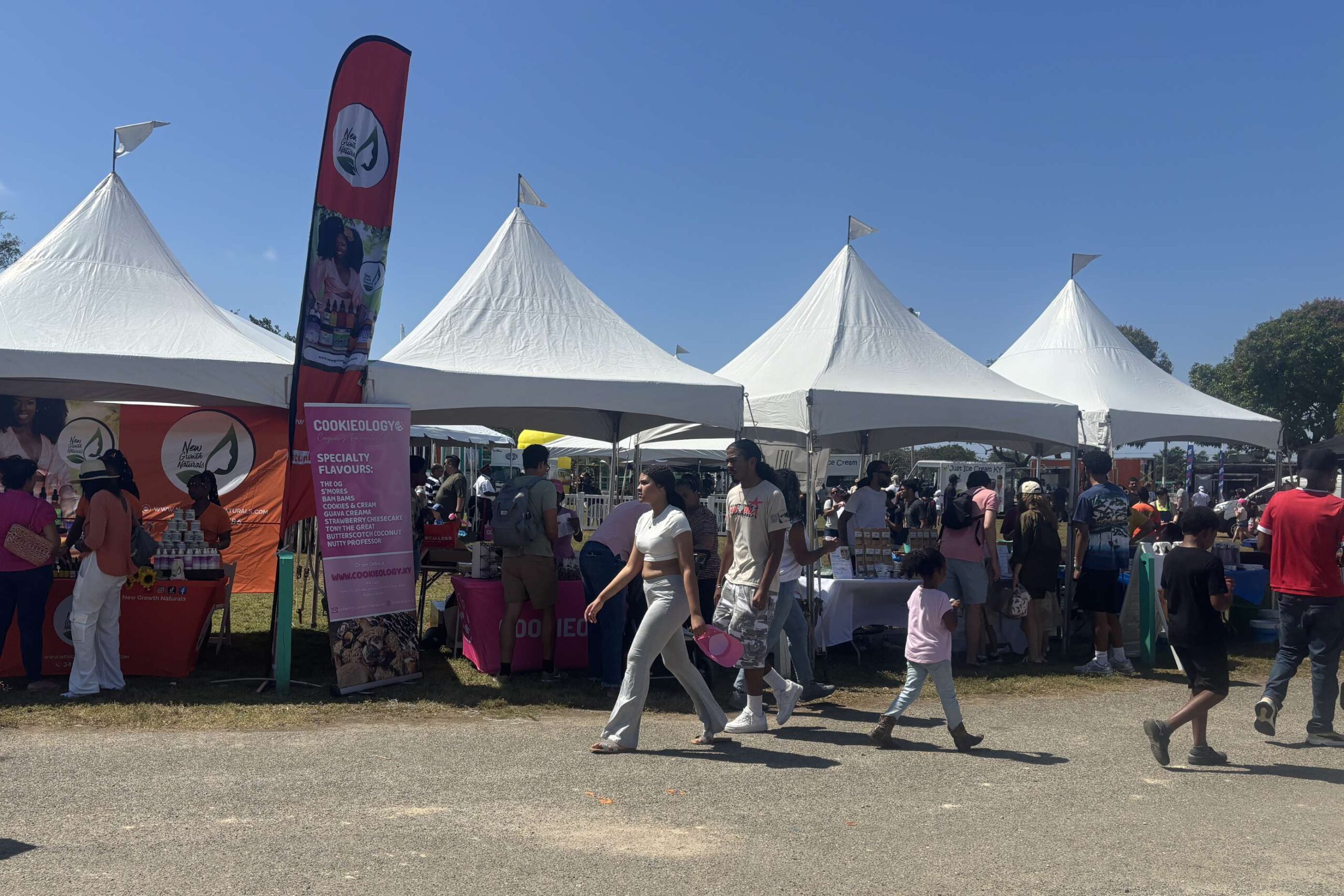
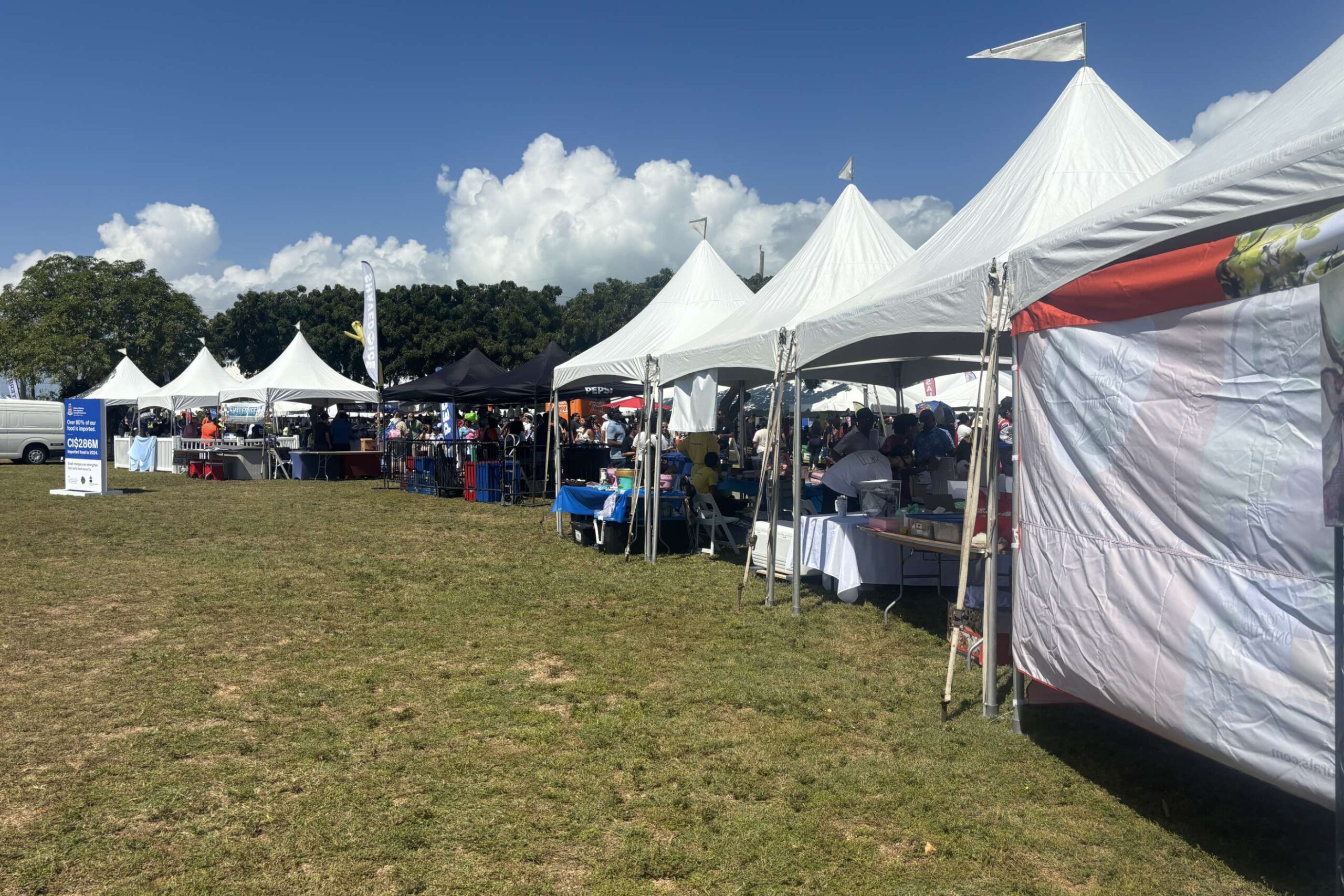
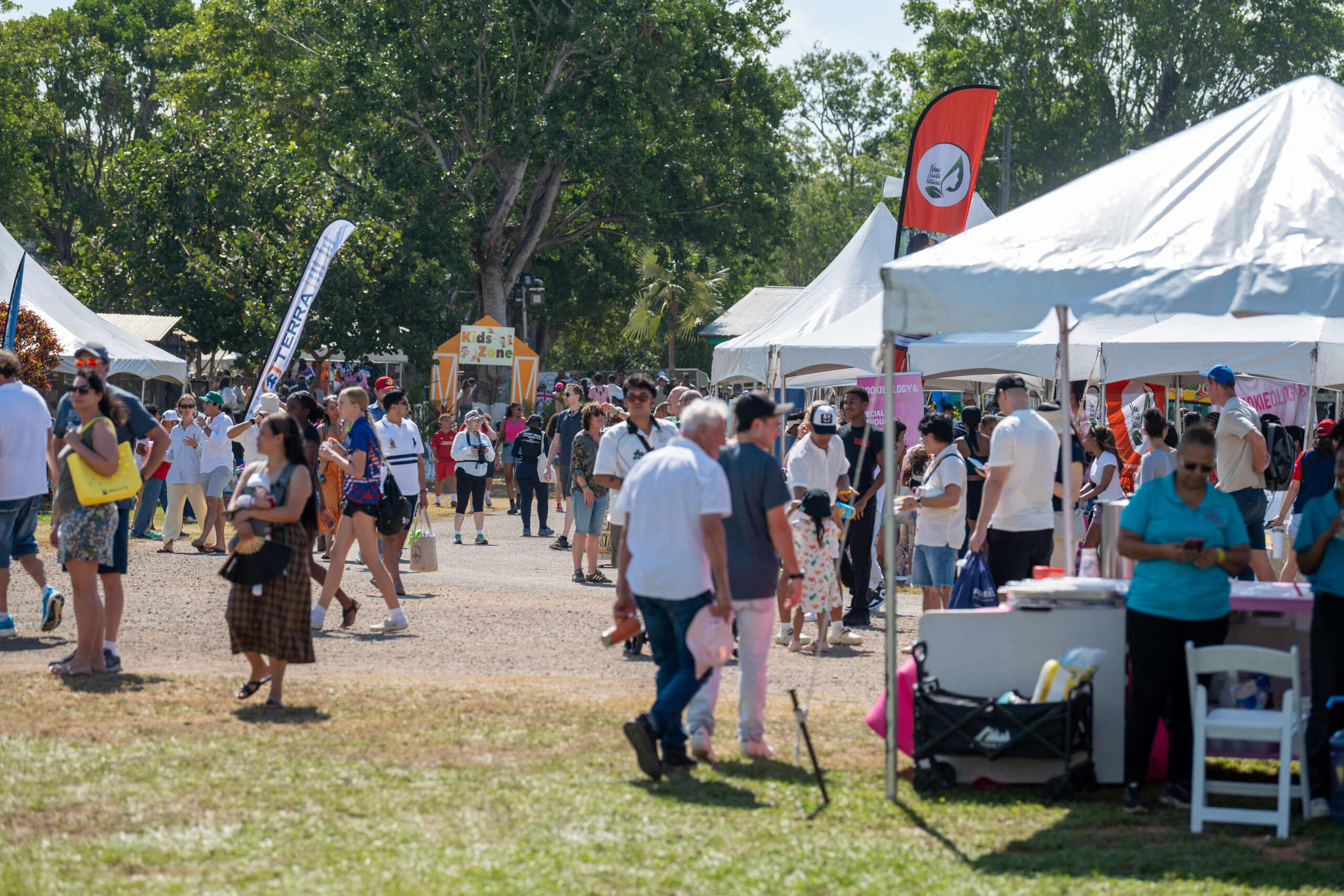
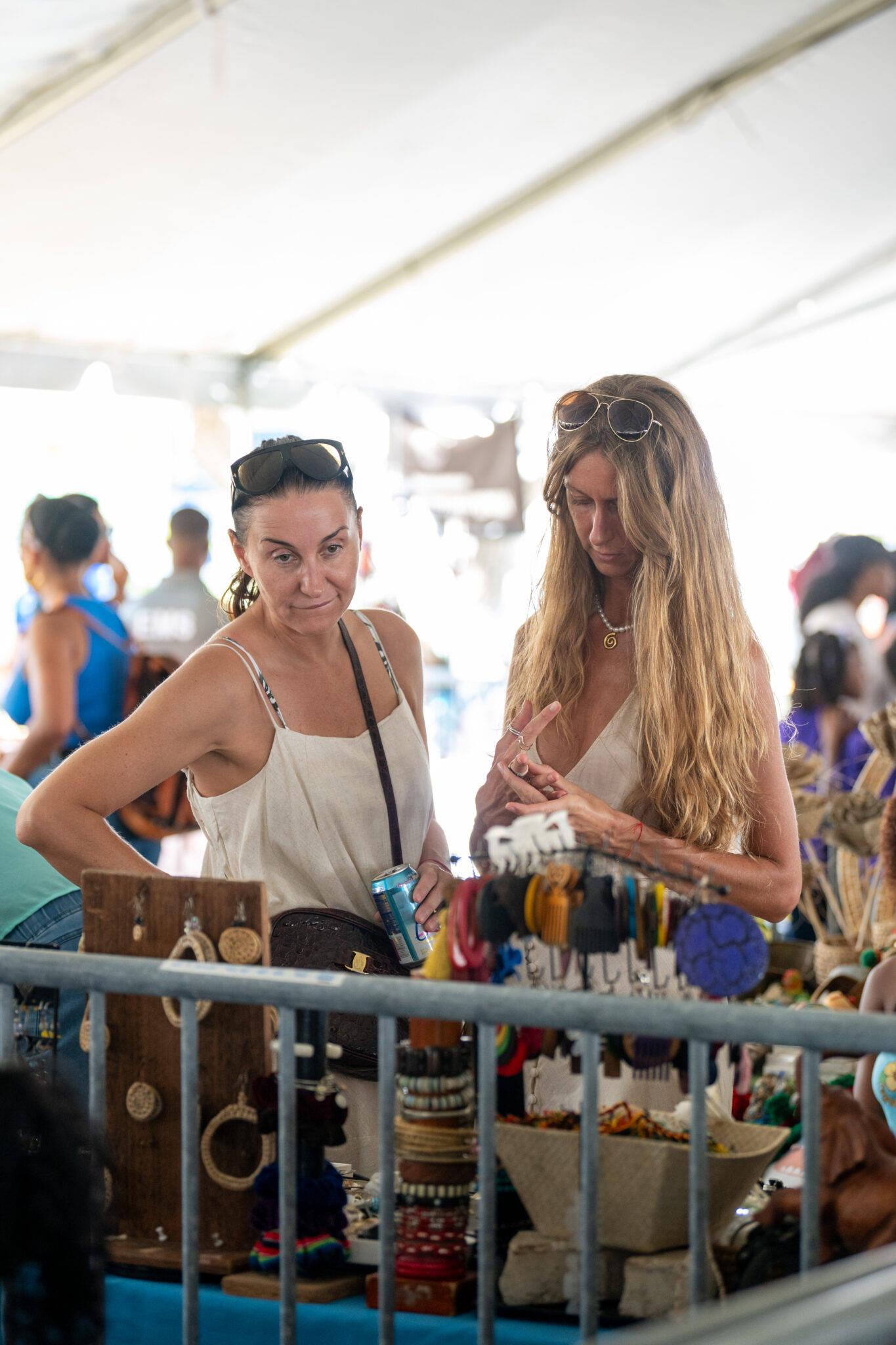
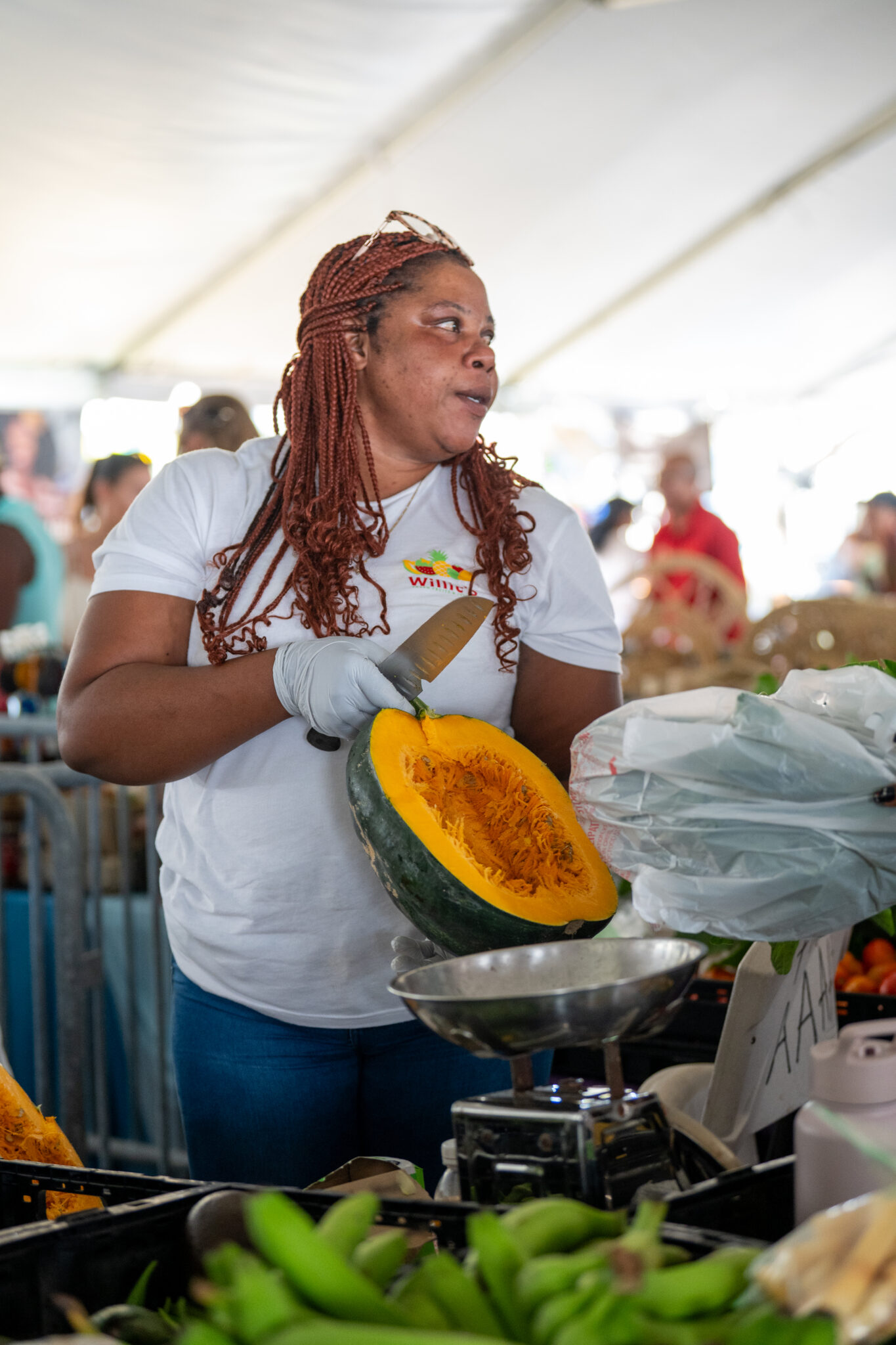
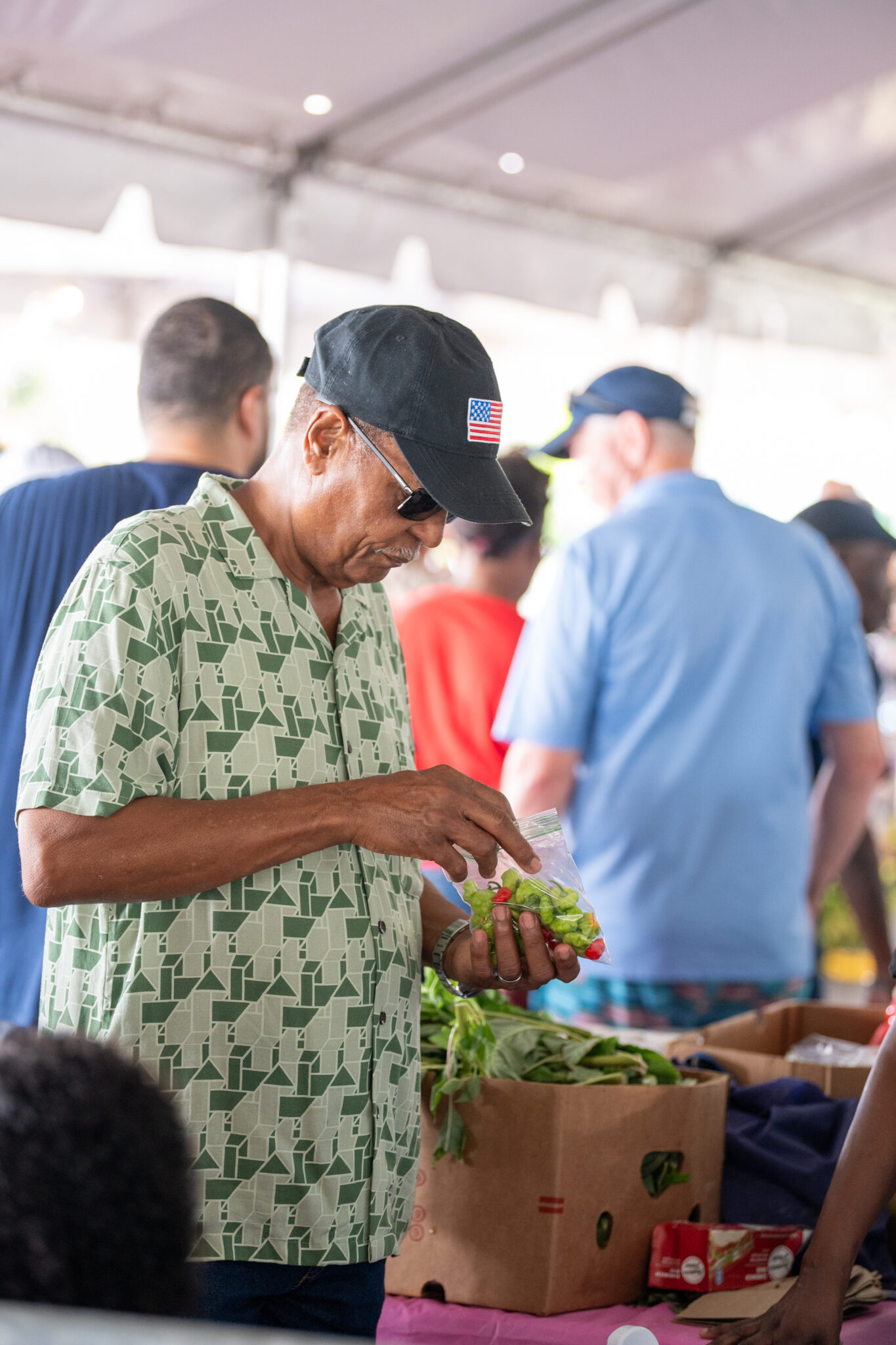
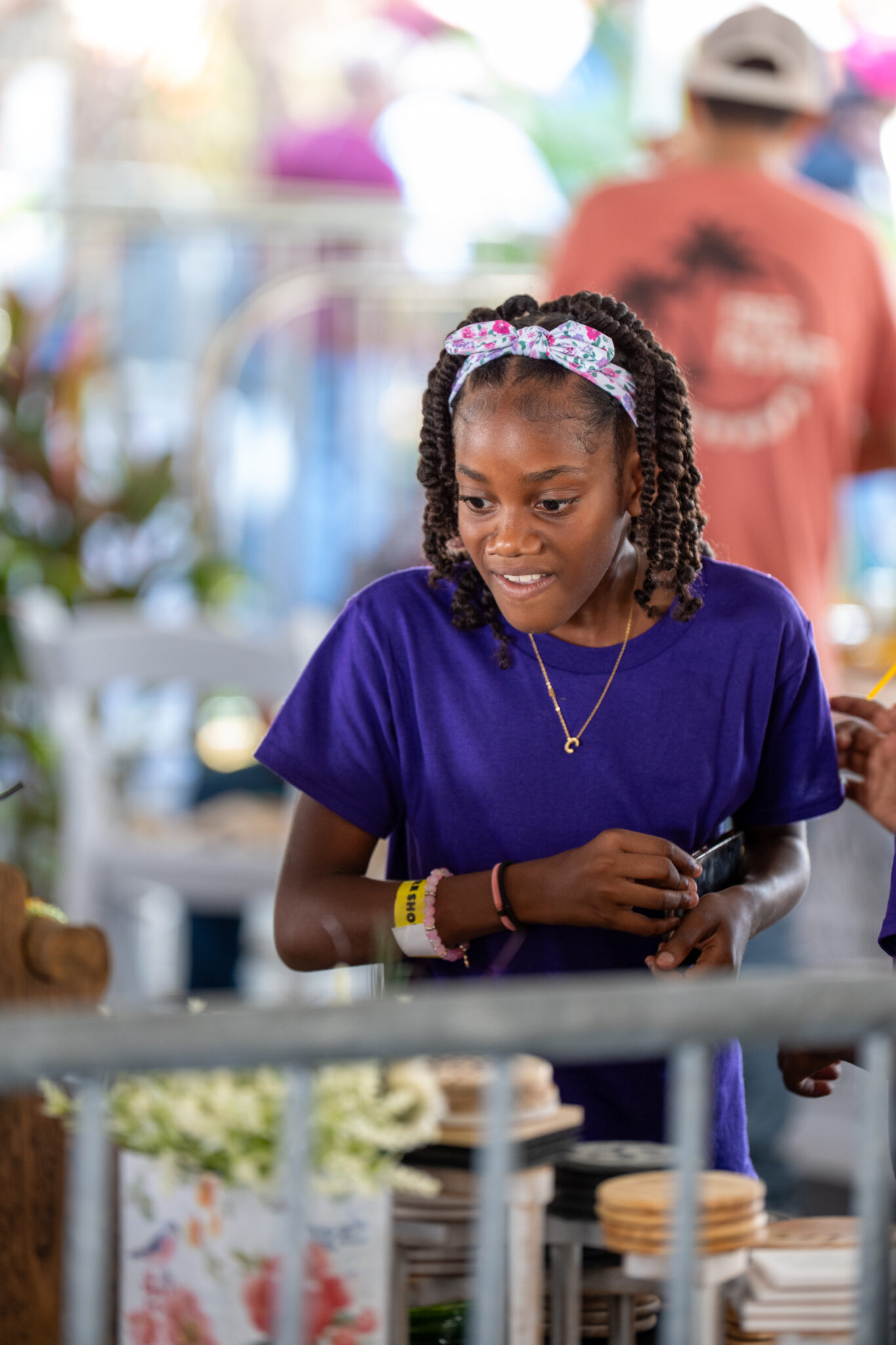
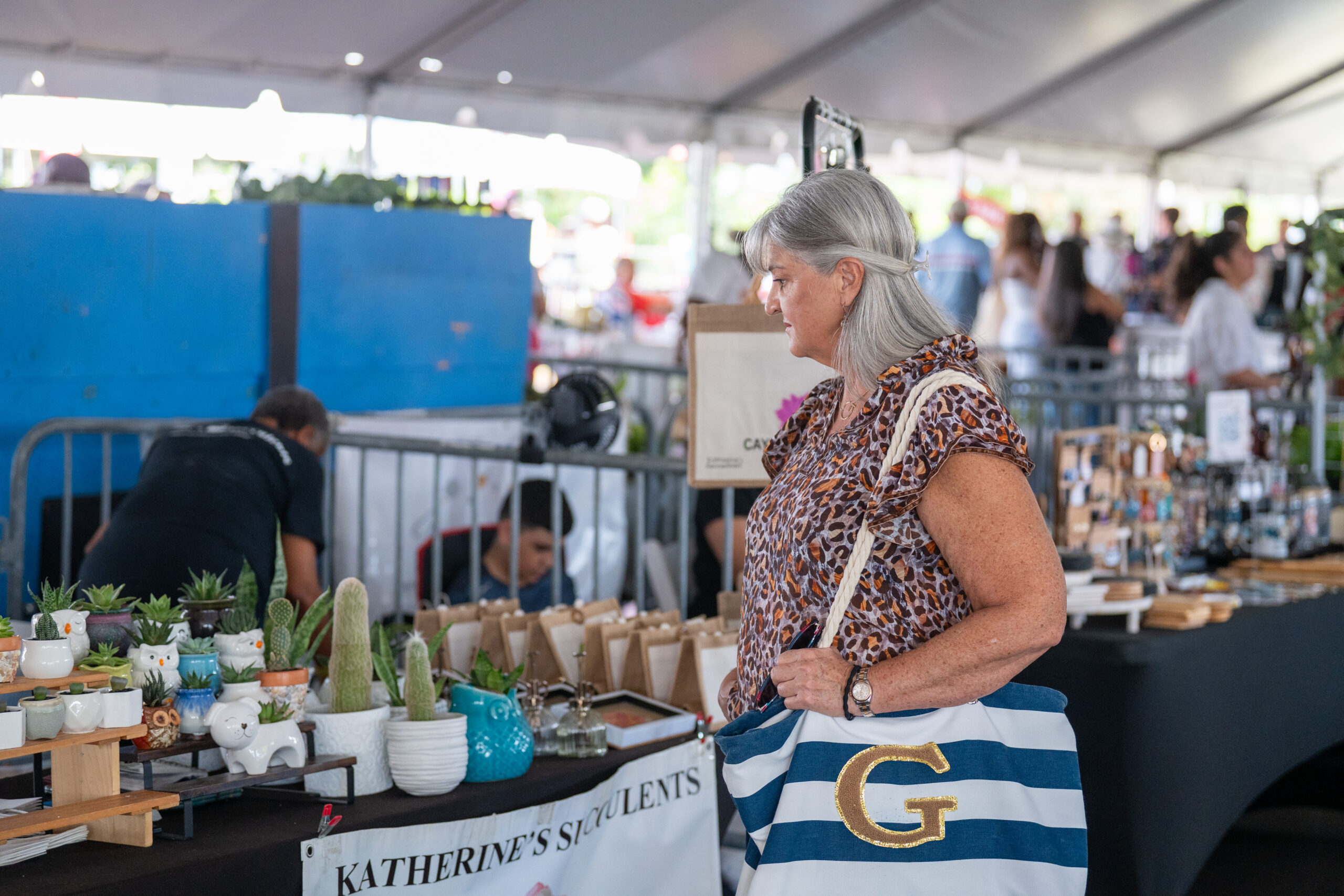
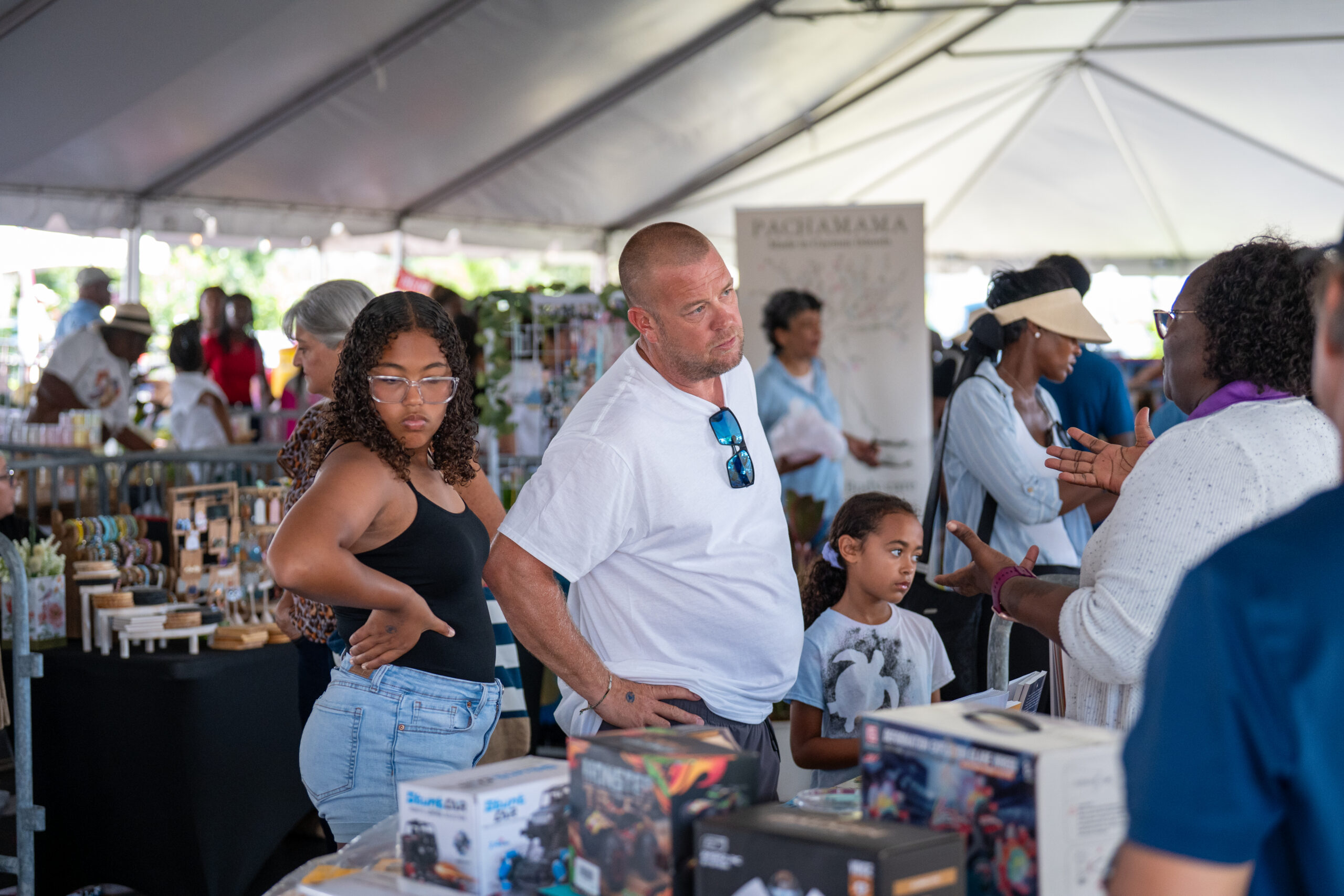
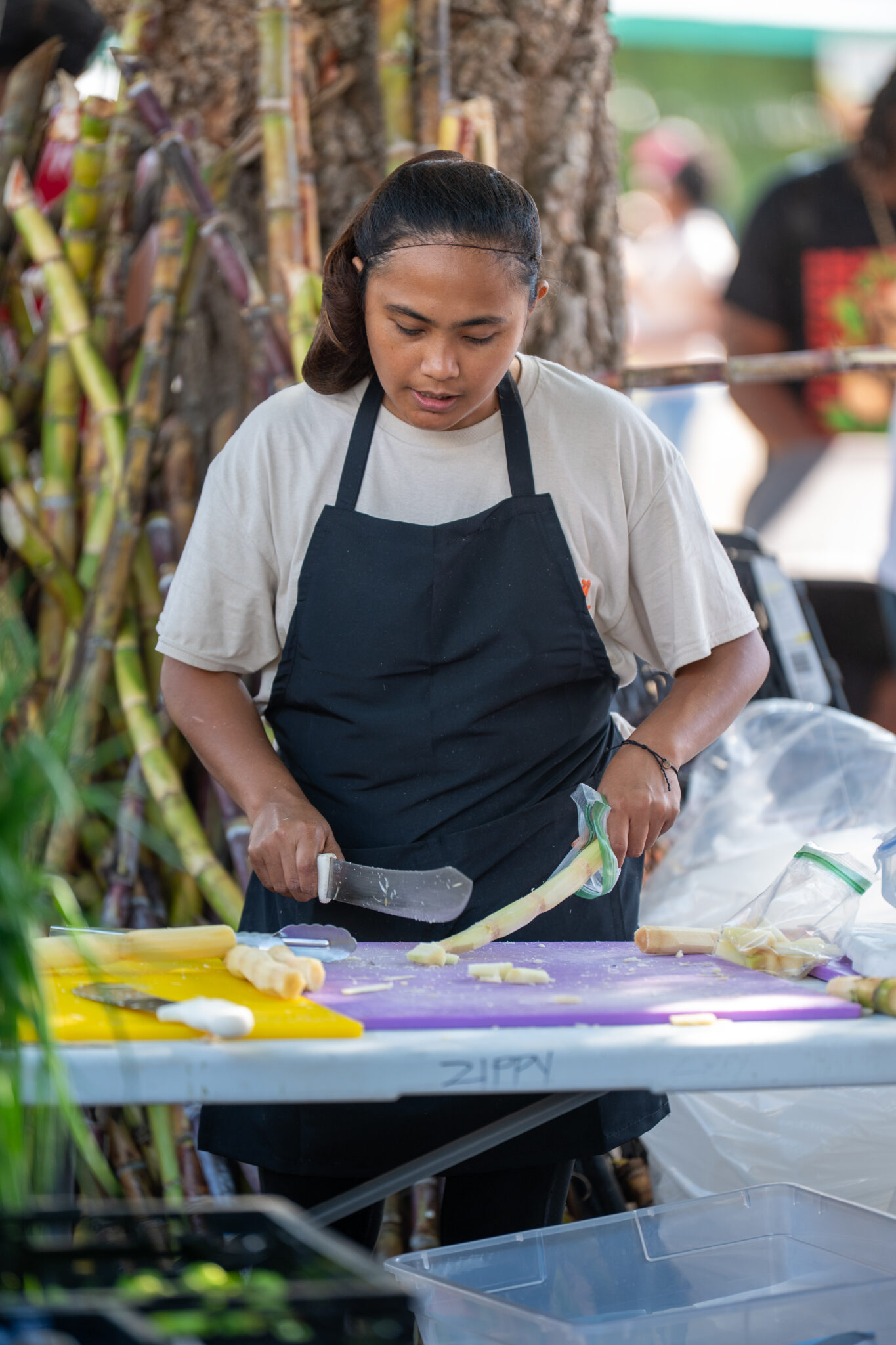
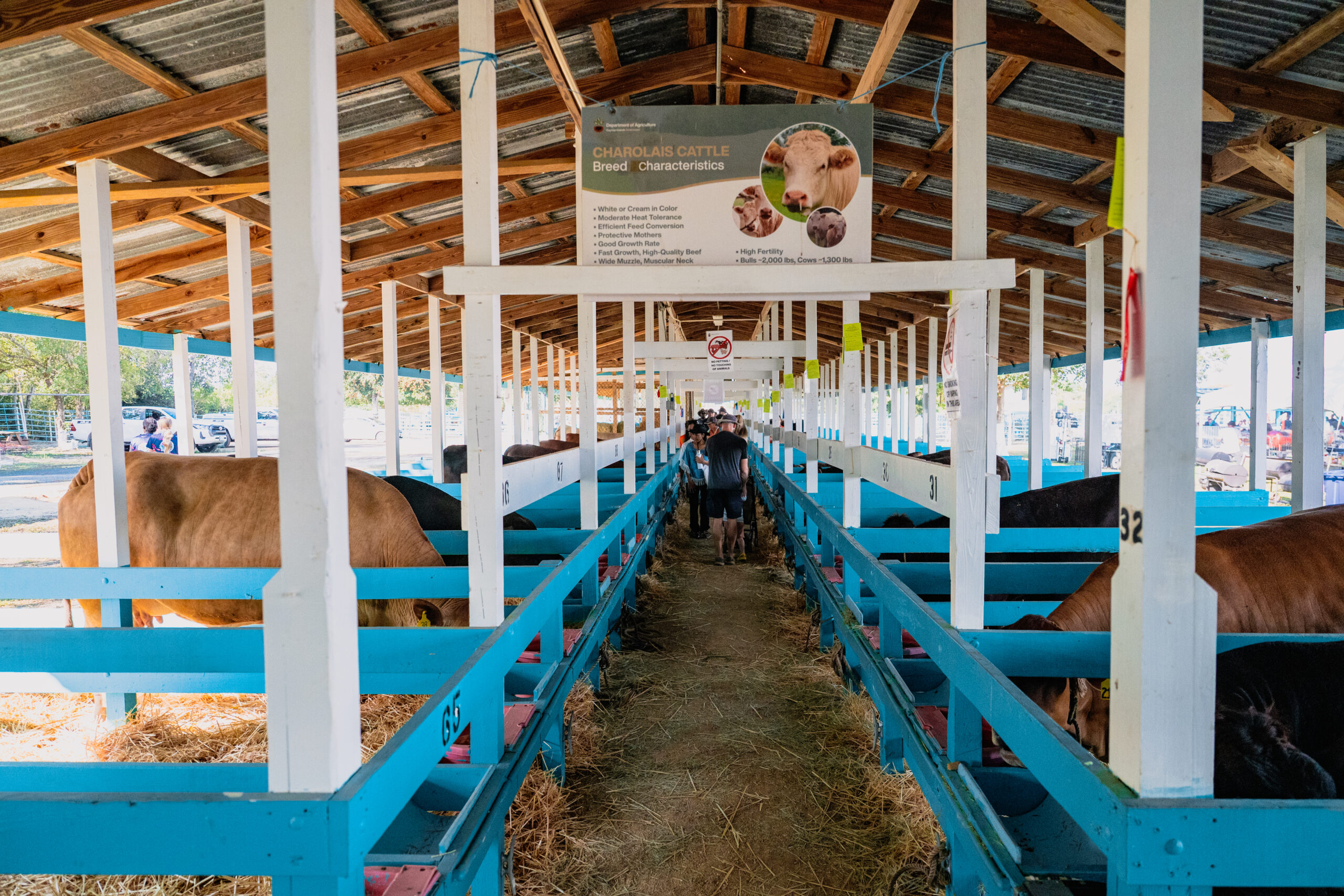
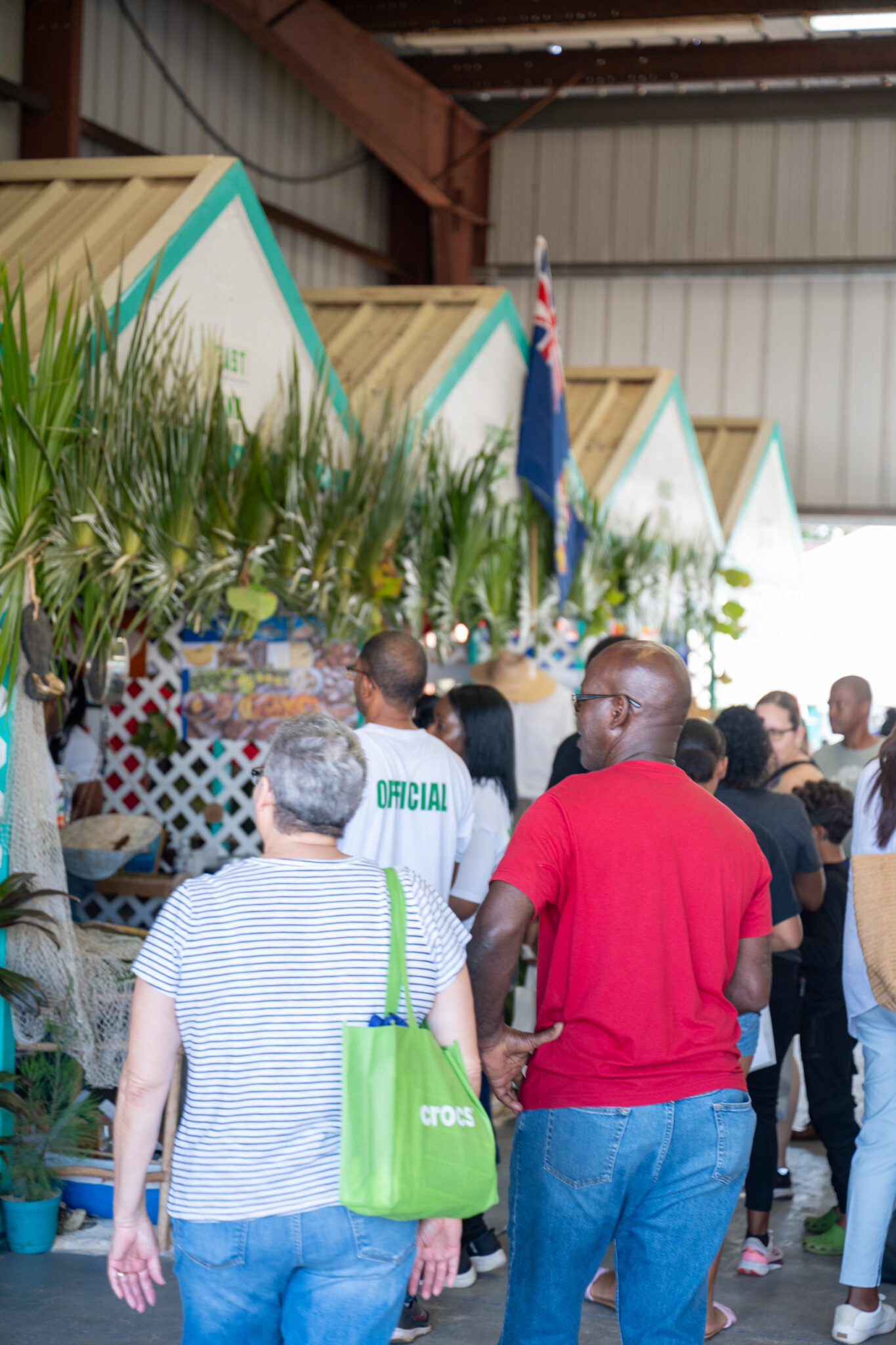
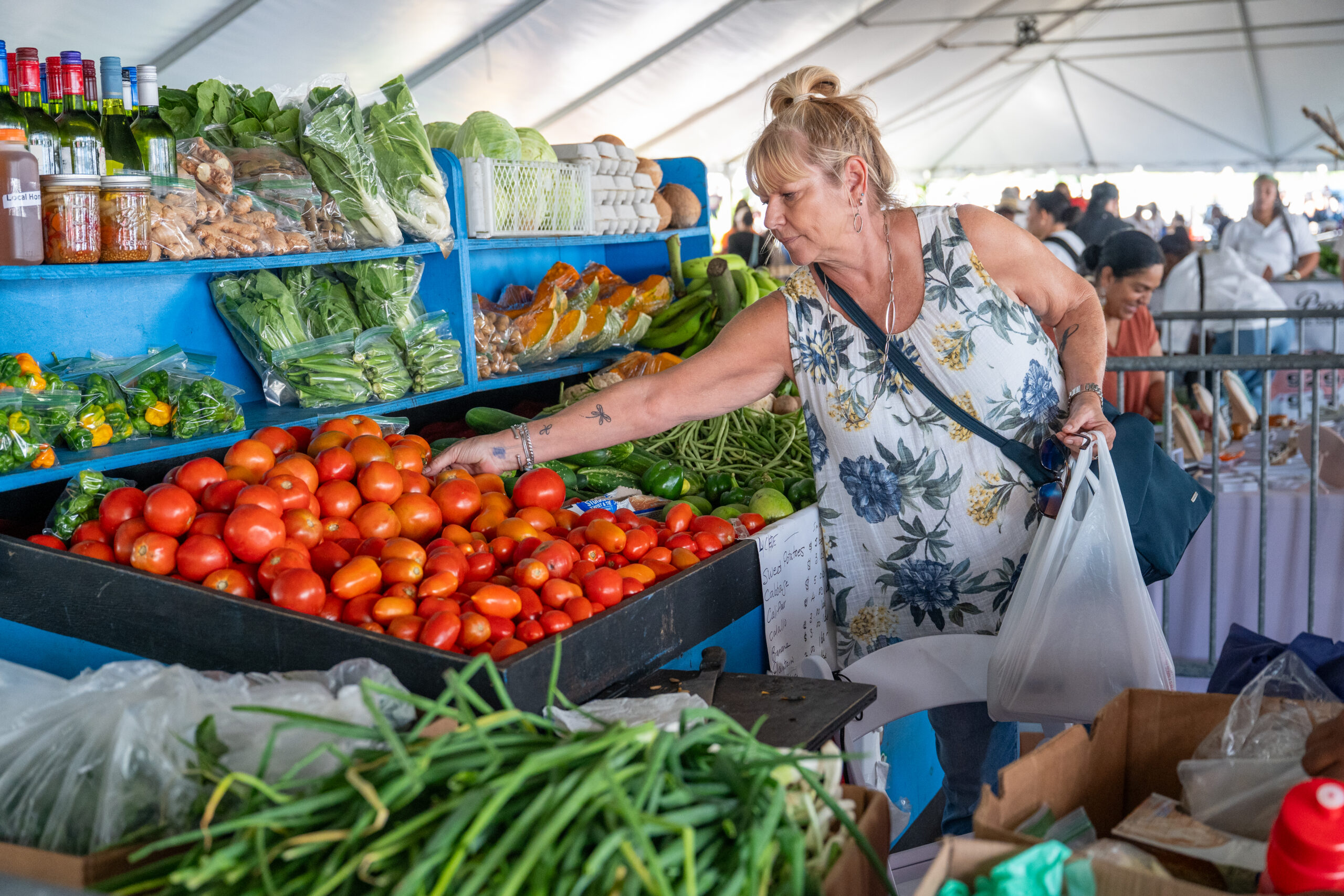
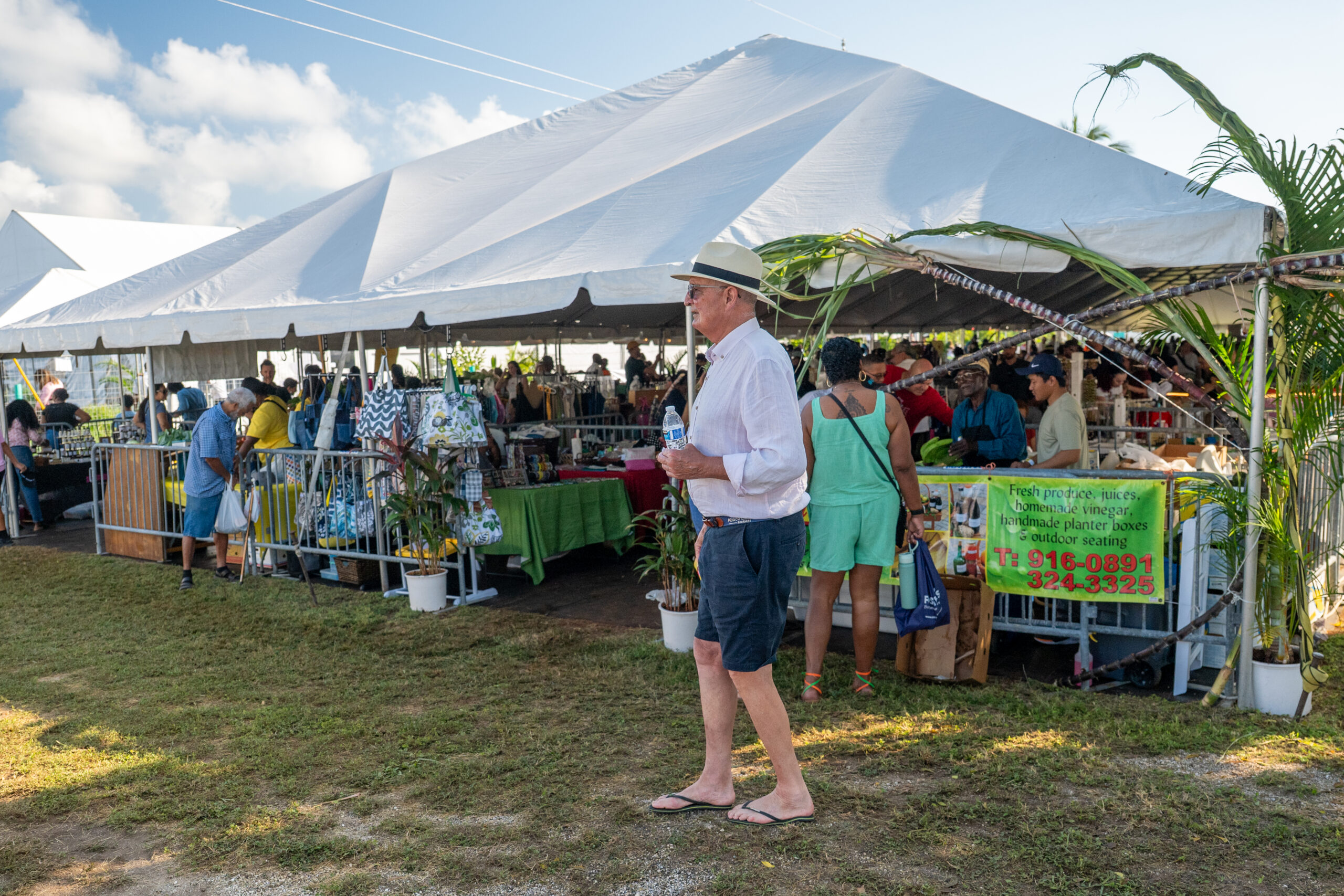
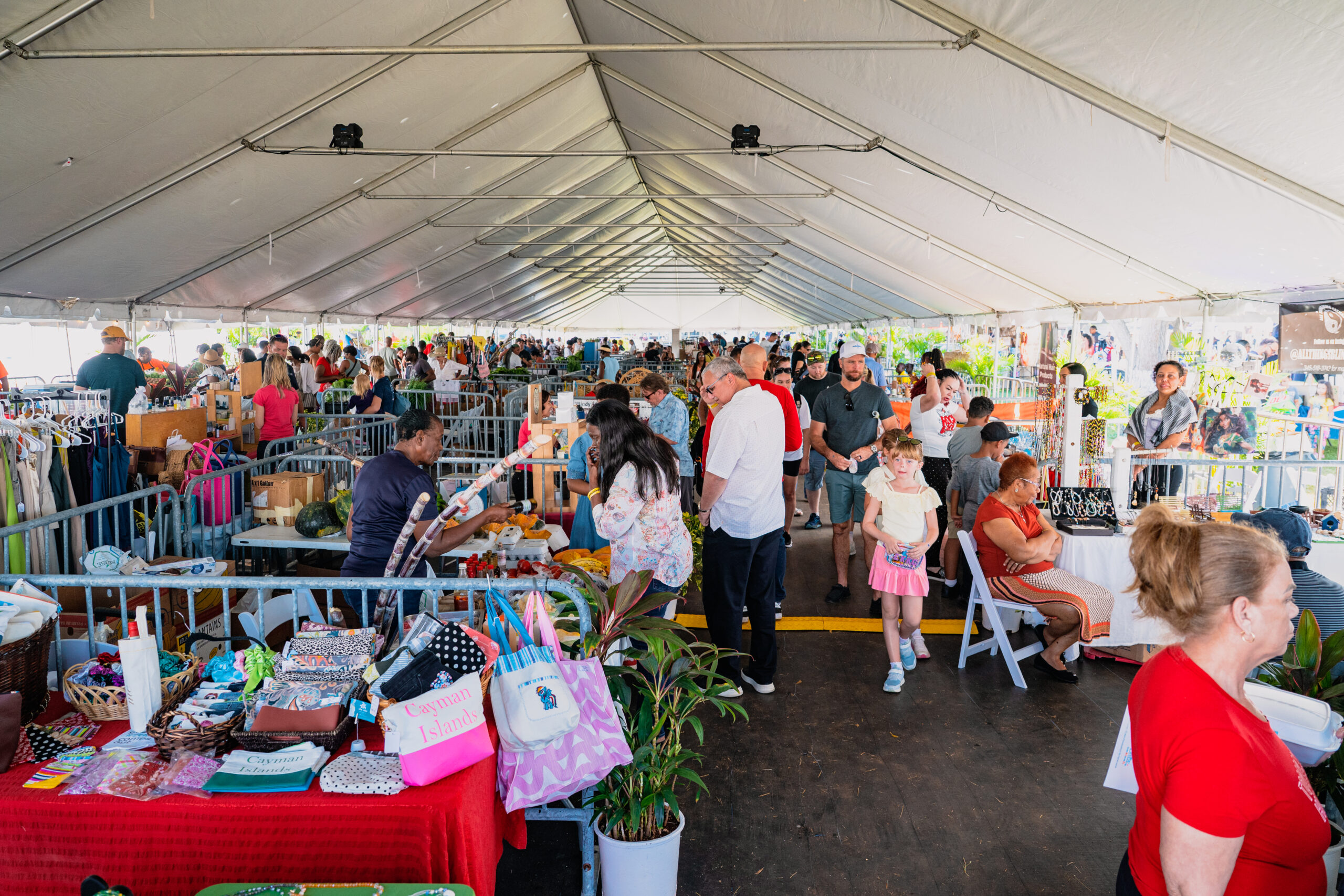
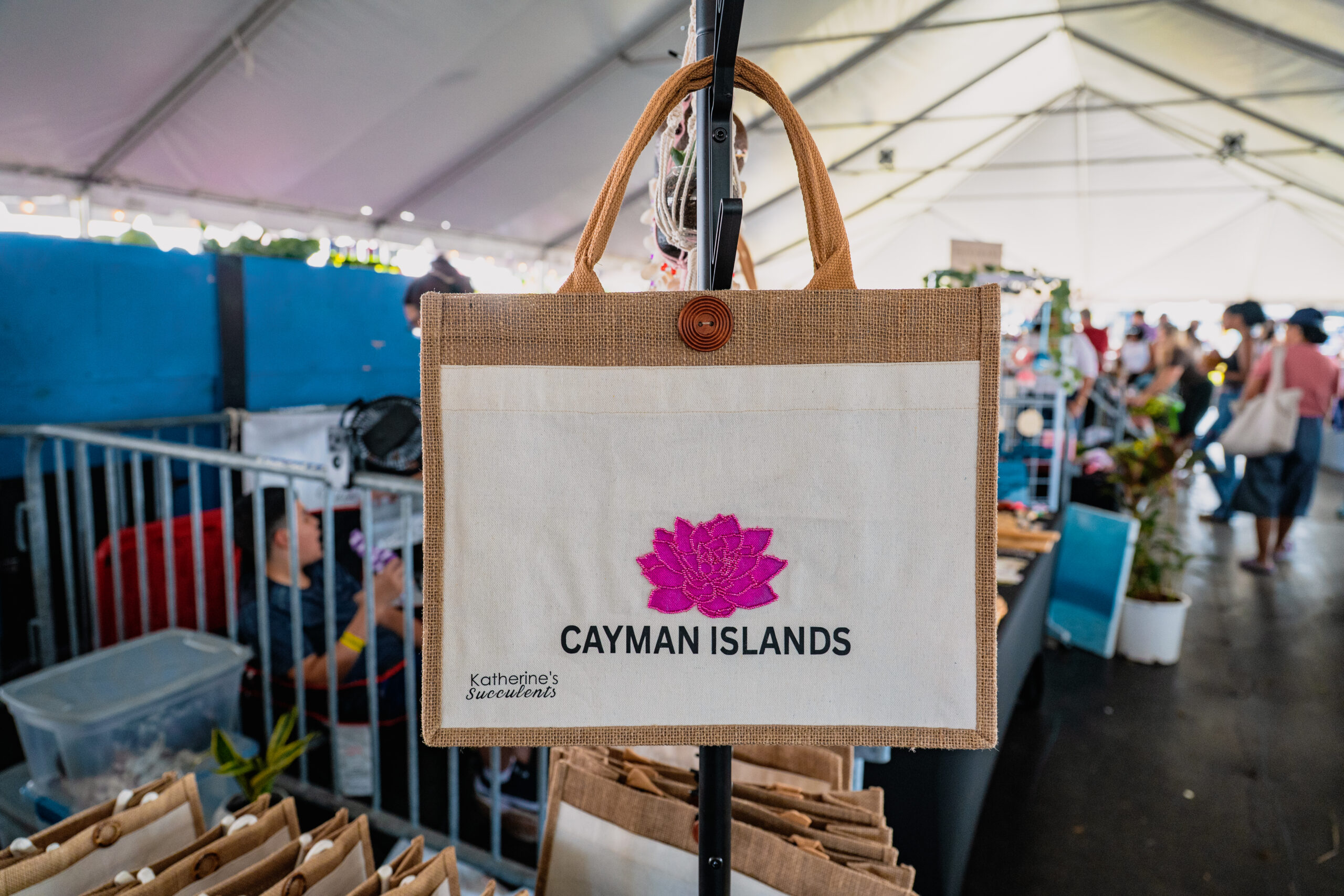
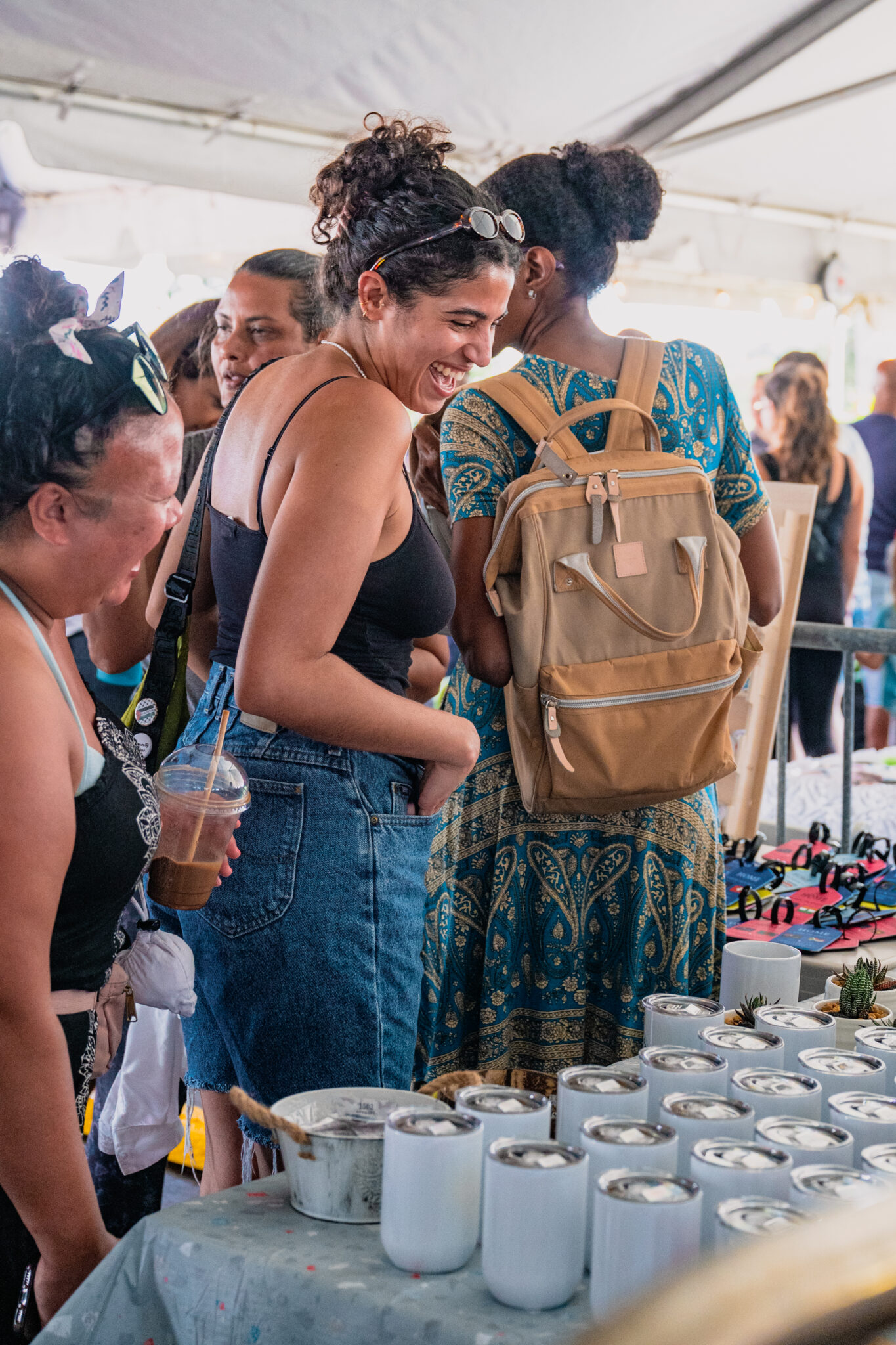
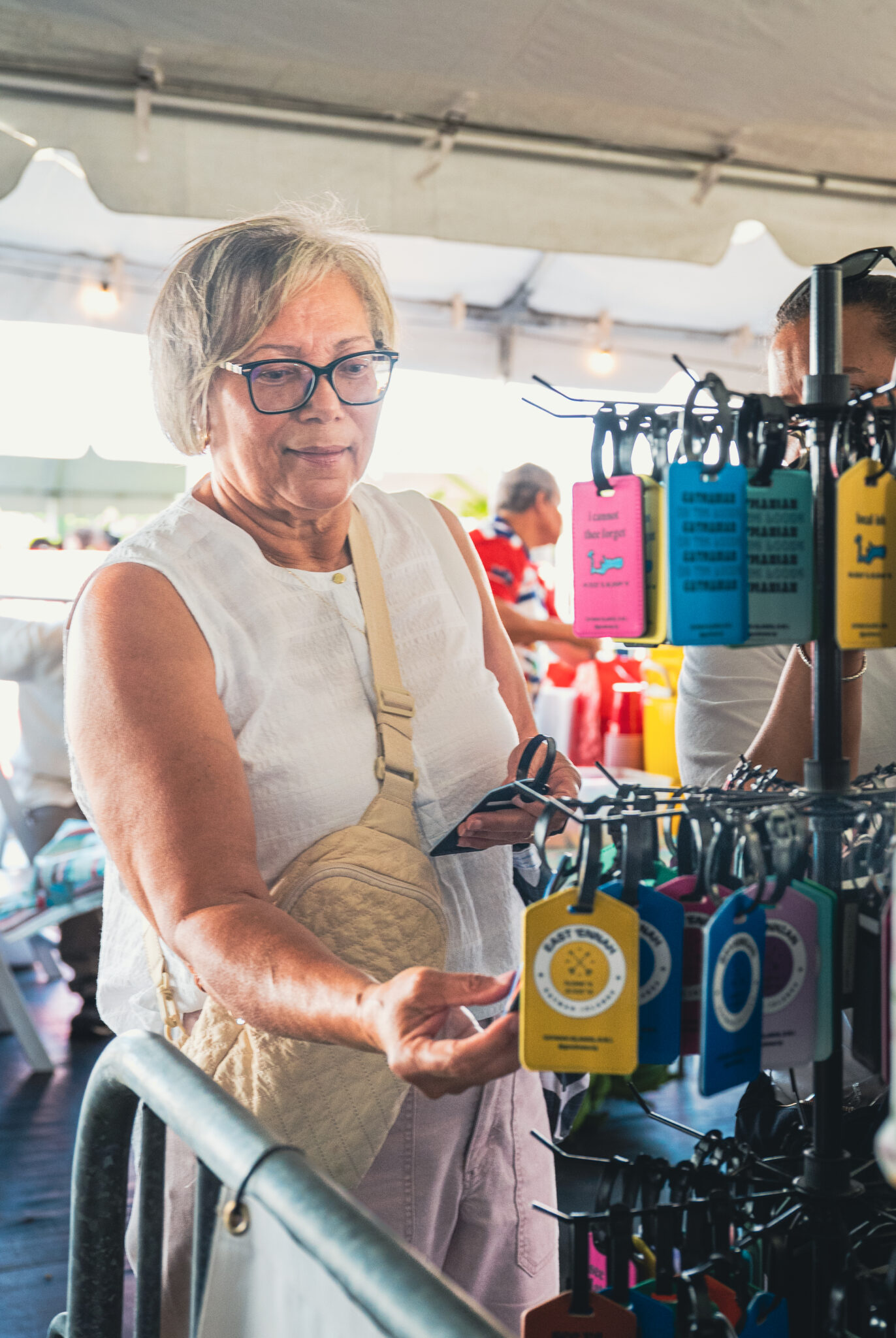
Held under the theme ‘Harvesting Harmony: Cayman Culture and Agriculture,’ the show blended a livestock exhibition, plant sales and as many as 140 vendor stalls offering everything from fresh juices to handmade cosmetics.
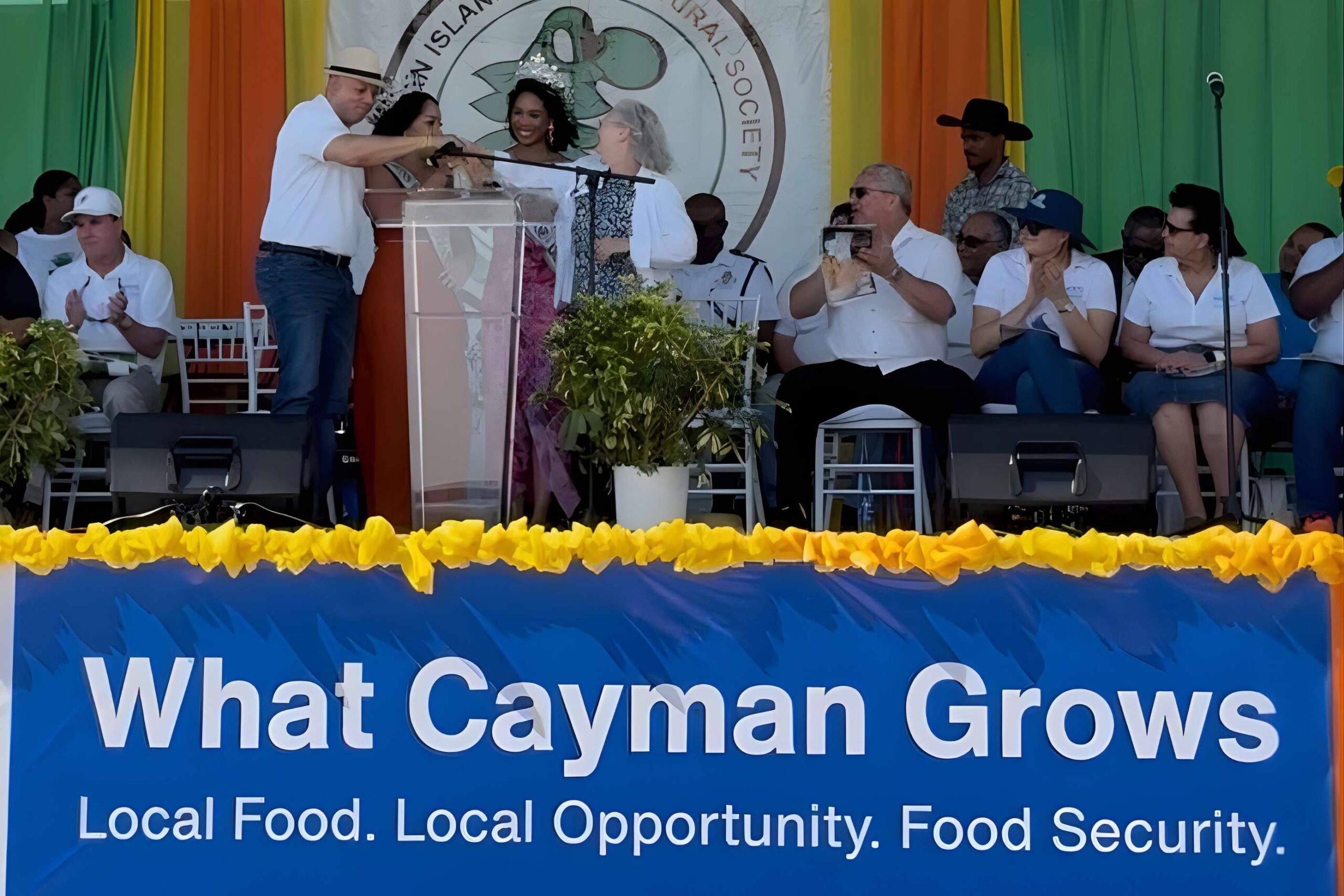
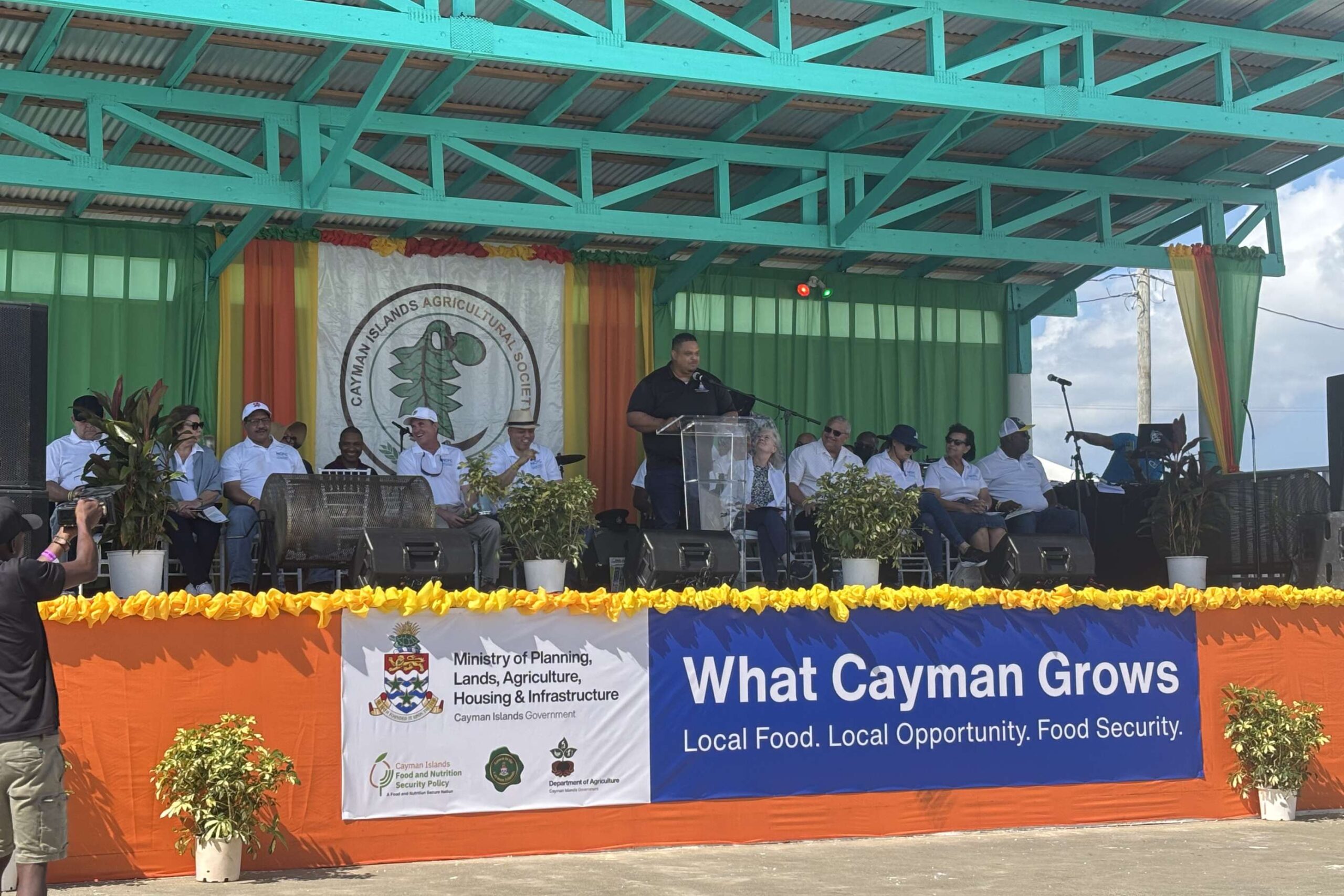
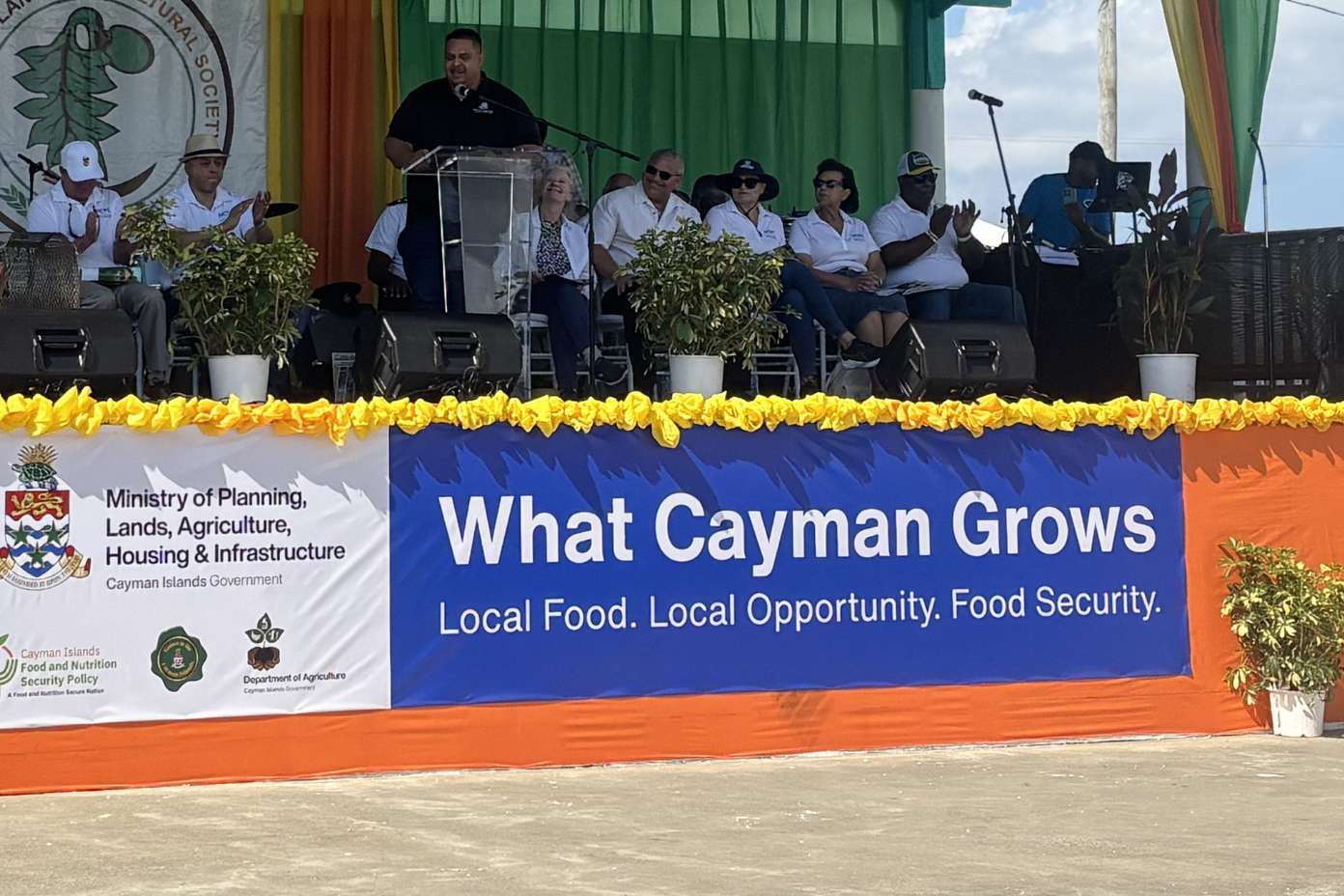
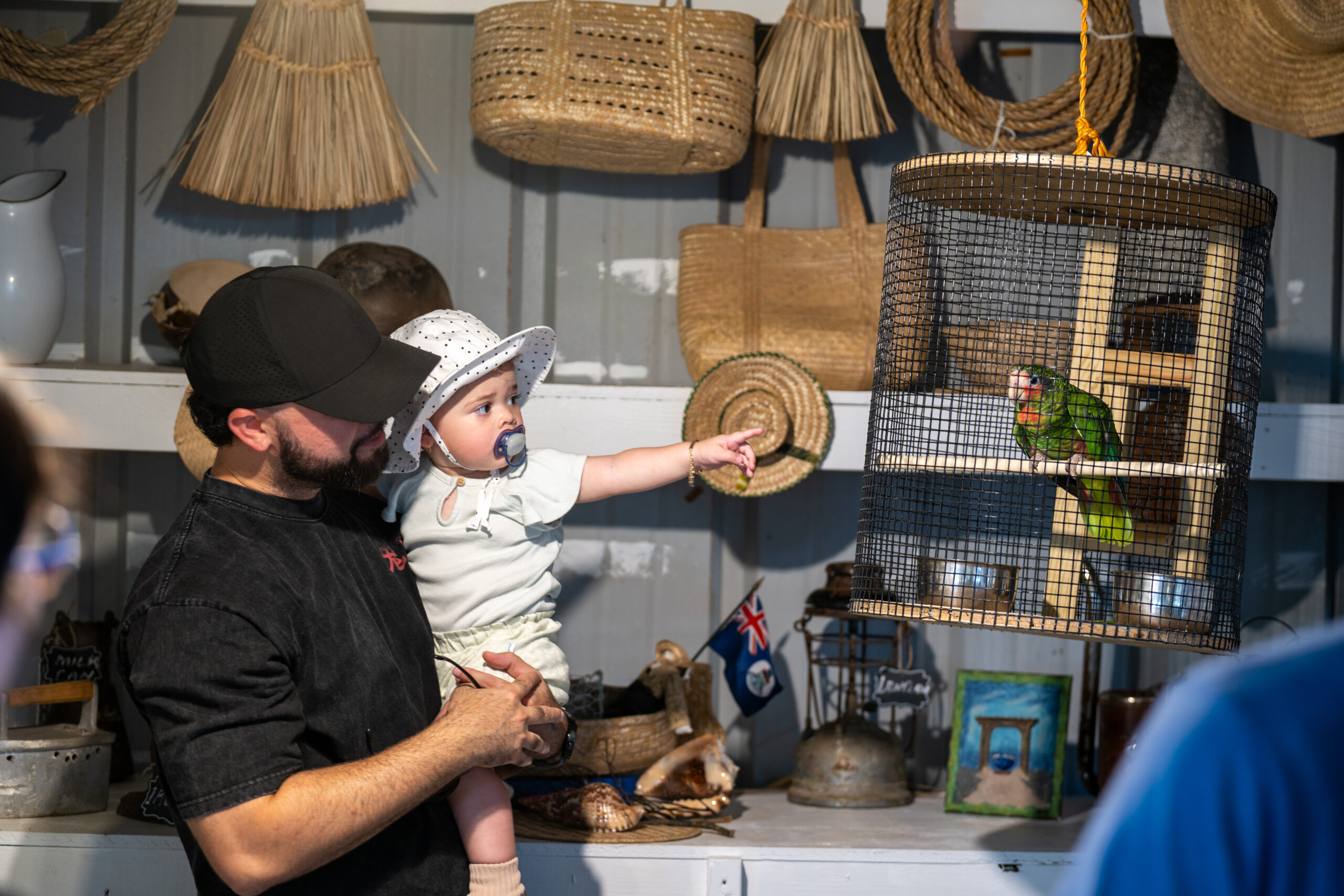
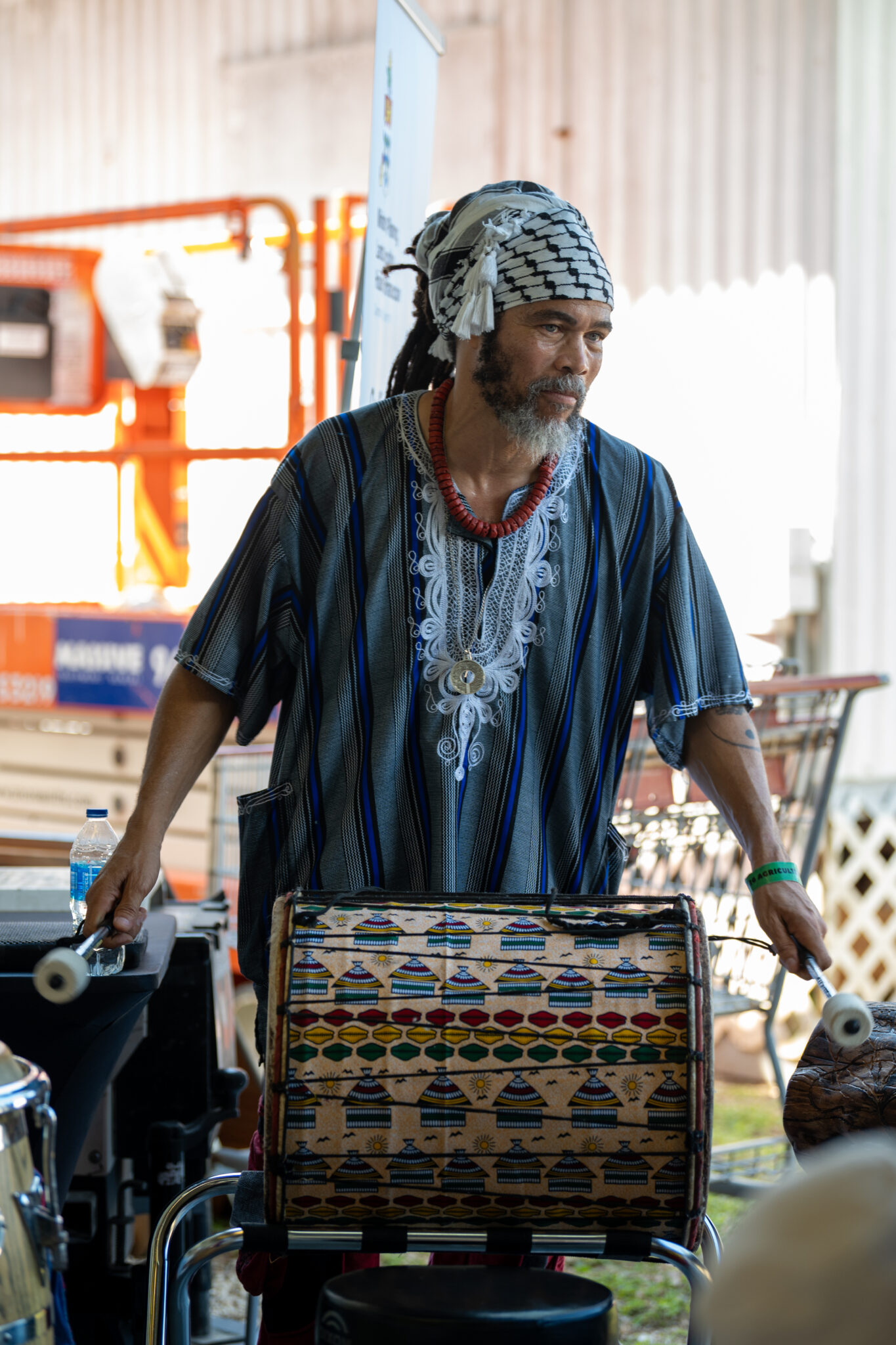
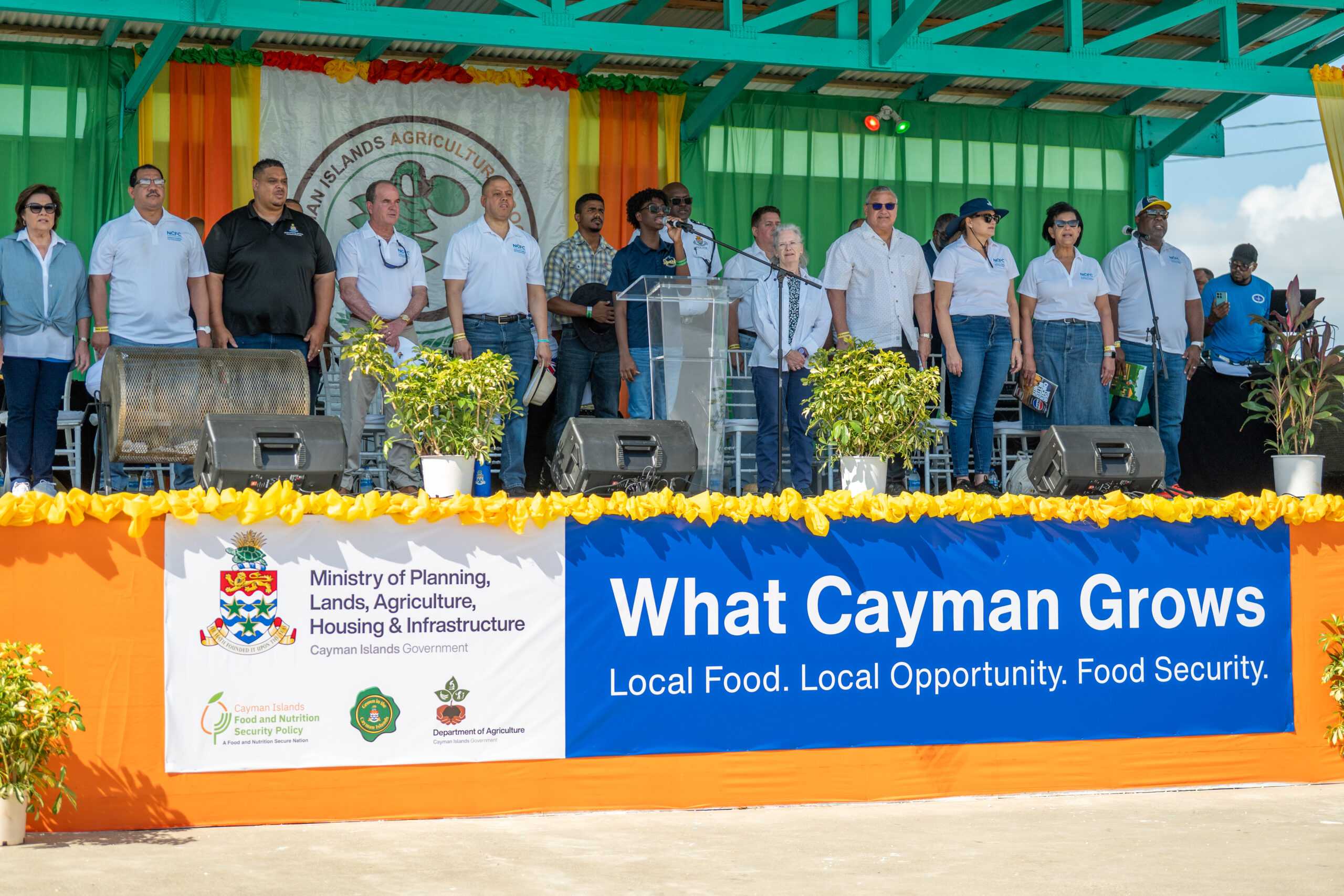
A petting zoo, drum circle, competitions and cultural performances added to the atmosphere, alongside the official launch of ‘Grown in Cayman: What Cayman Grows’, an awareness campaign aligned with the Cayman Islands Food and Nutrition Security Policy 2022–2036.
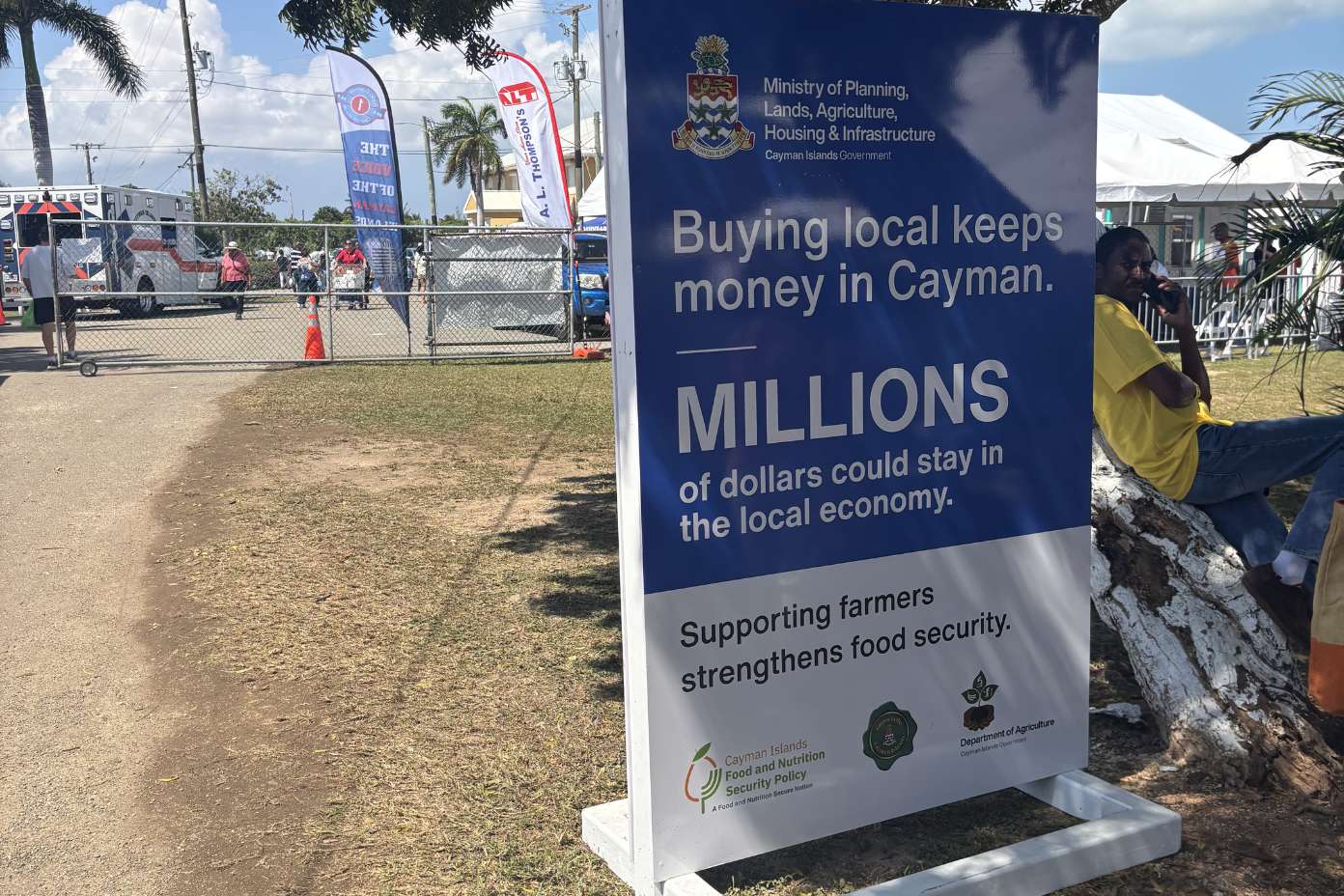
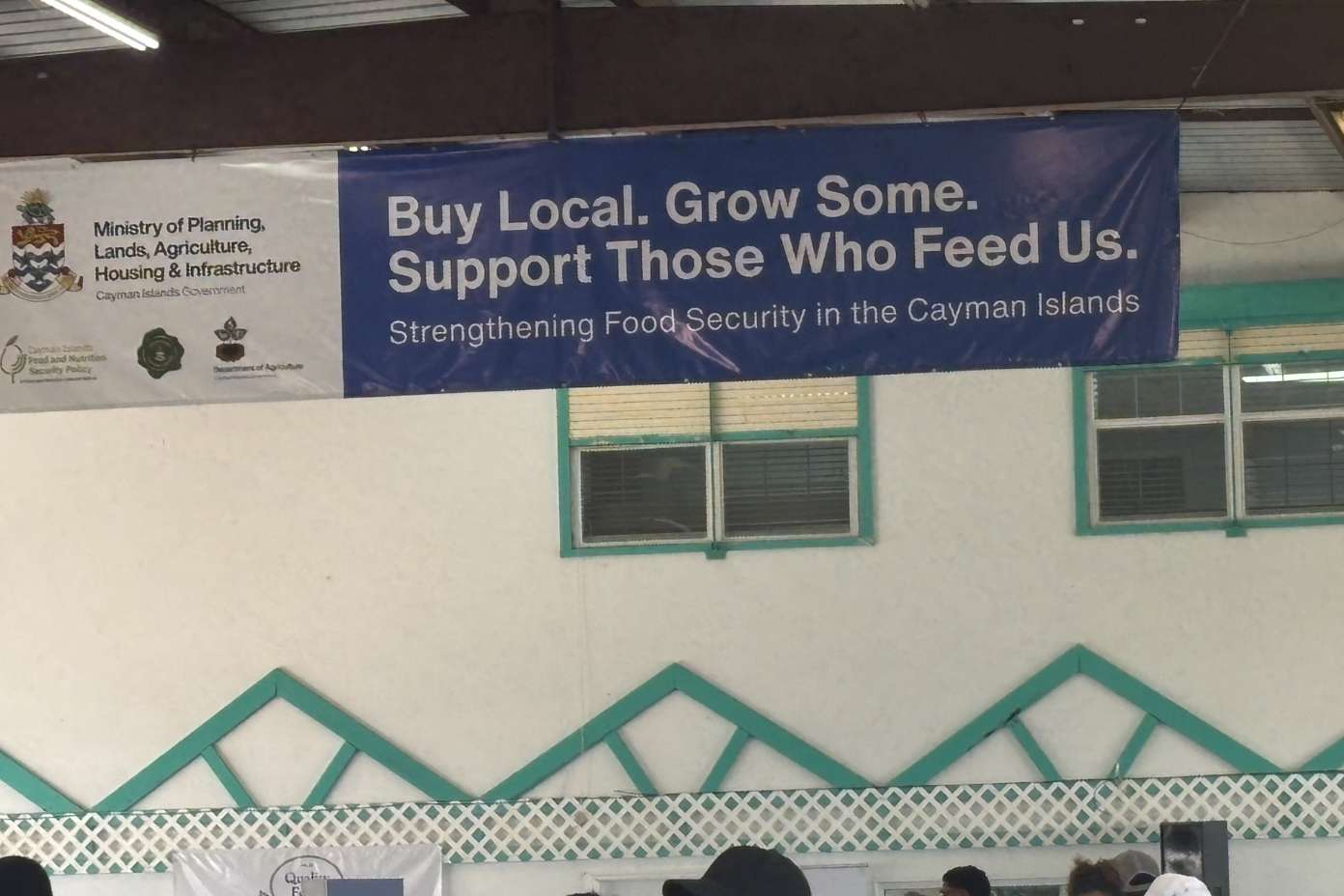
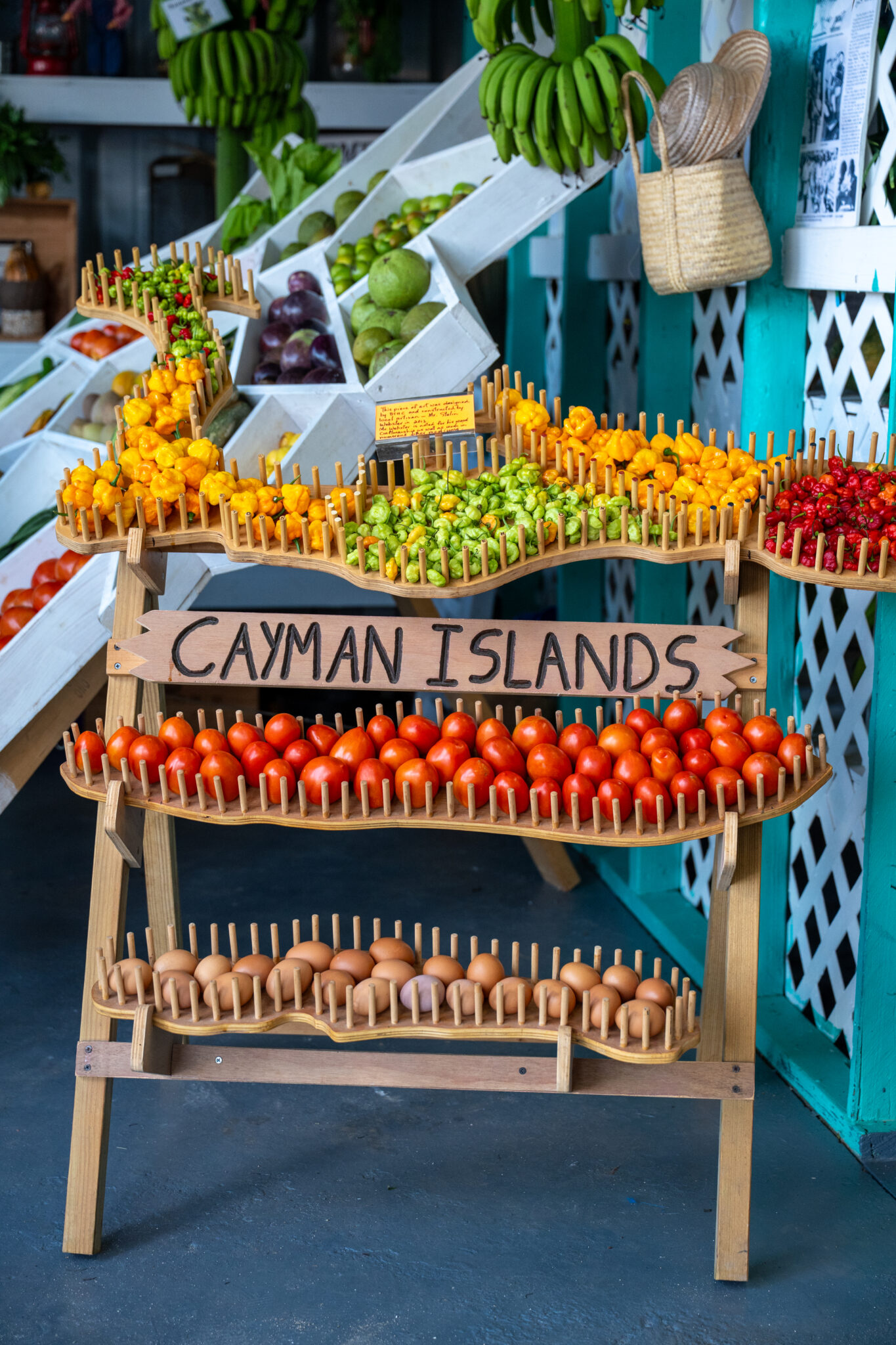
Cayman imports more than 80% of the food it consumes, spending roughly CI$286 million on imported items in 2024 alone. With that reality in mind, the Ministry of Agriculture used the country’s largest annual public gathering to translate policy into public messaging, with prominent signage urging residents to buy local, grow some of their own food and support domestic farmers.
Agriculture Minister Jay Ebanks said the fair provides an opportunity to demonstrate how the sector is evolving.
“We see what’s happening around the world, and this is why days like today mean so much to us – to be able to just showcase what we have,” he said during the opening ceremony. He noted that visiting Caribbean delegates in previous years had consistently commented on the sector’s progress. “Every time they come here, they see a change of what agriculture is doing in the Cayman Islands.”
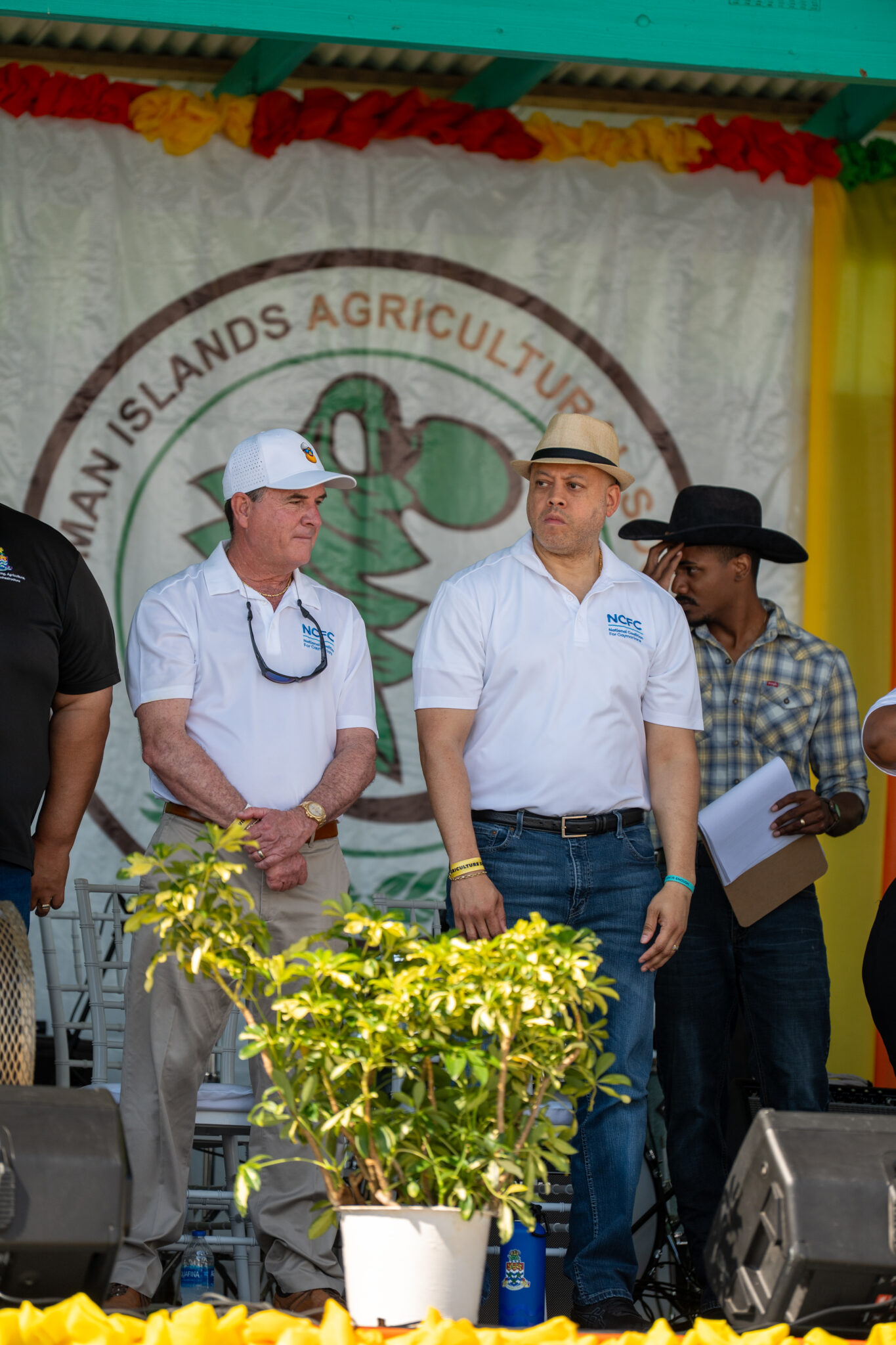
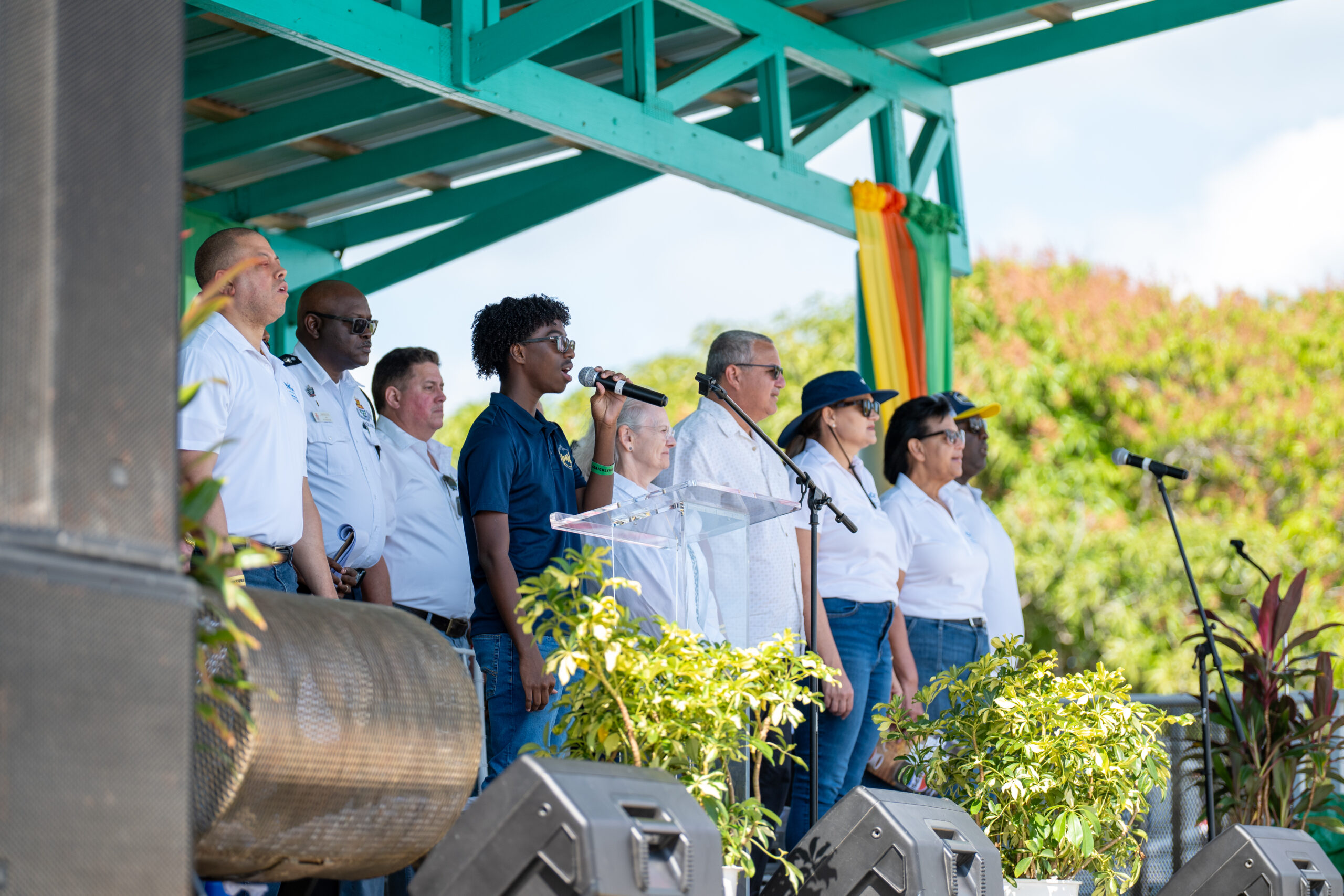
Drawing on her own upbringing in Wales, where her grandfather farmed, Governor Jane Owen officially opened the show, reflecting on the economic and social importance of agriculture.
“The production that we do here in Cayman has such a tremendous impact on our whole economy,” she said. “It’s not just about the food that we produce. It’s about jobs, opportunity, education. It’s about food security. It’s about reducing the cost of living. Of course … it’s about our tourism product, our wonderful restaurants, and it is about building our links around the Caribbean. It’s about preserving our green spaces and how we make the best use of our agricultural land.”
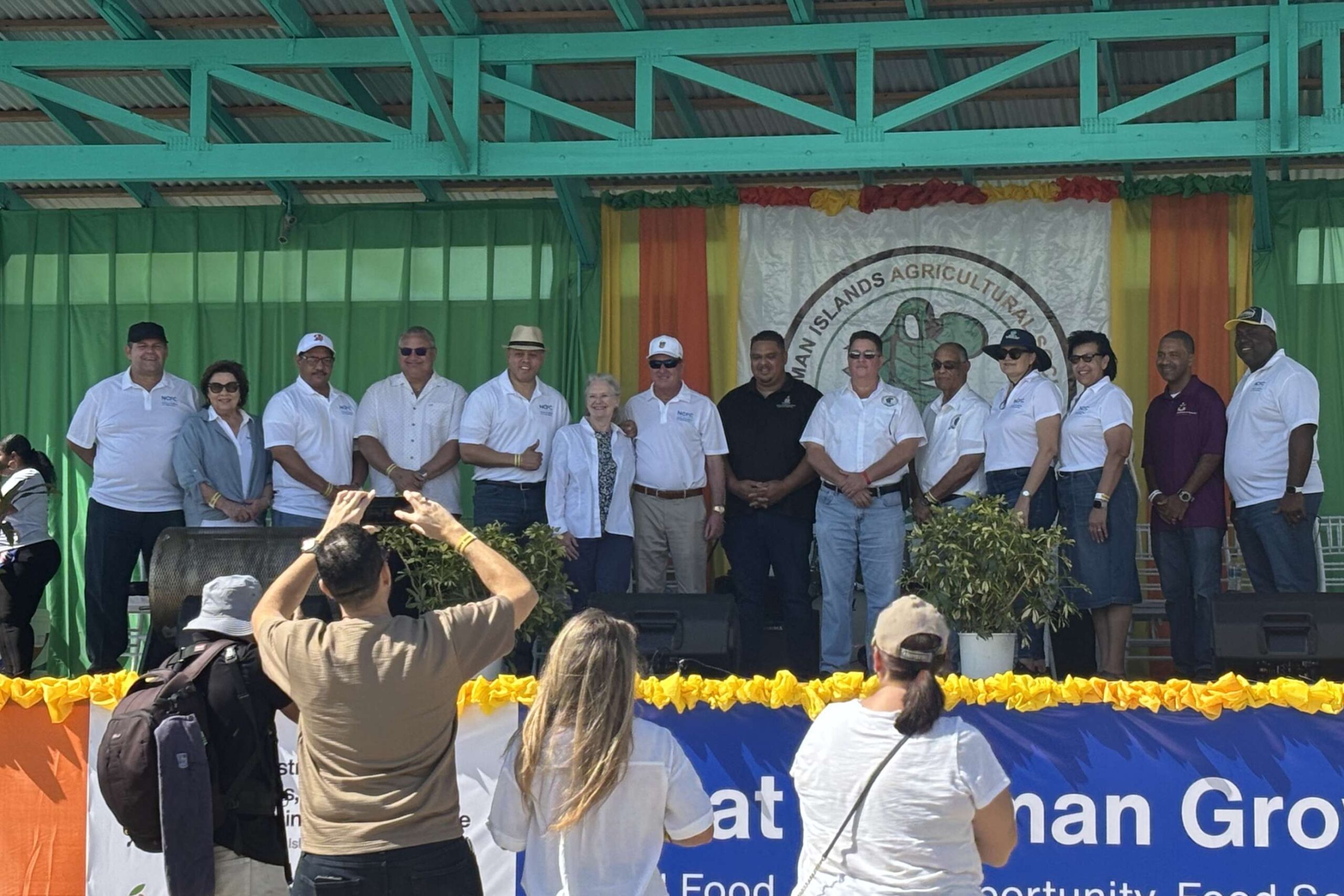
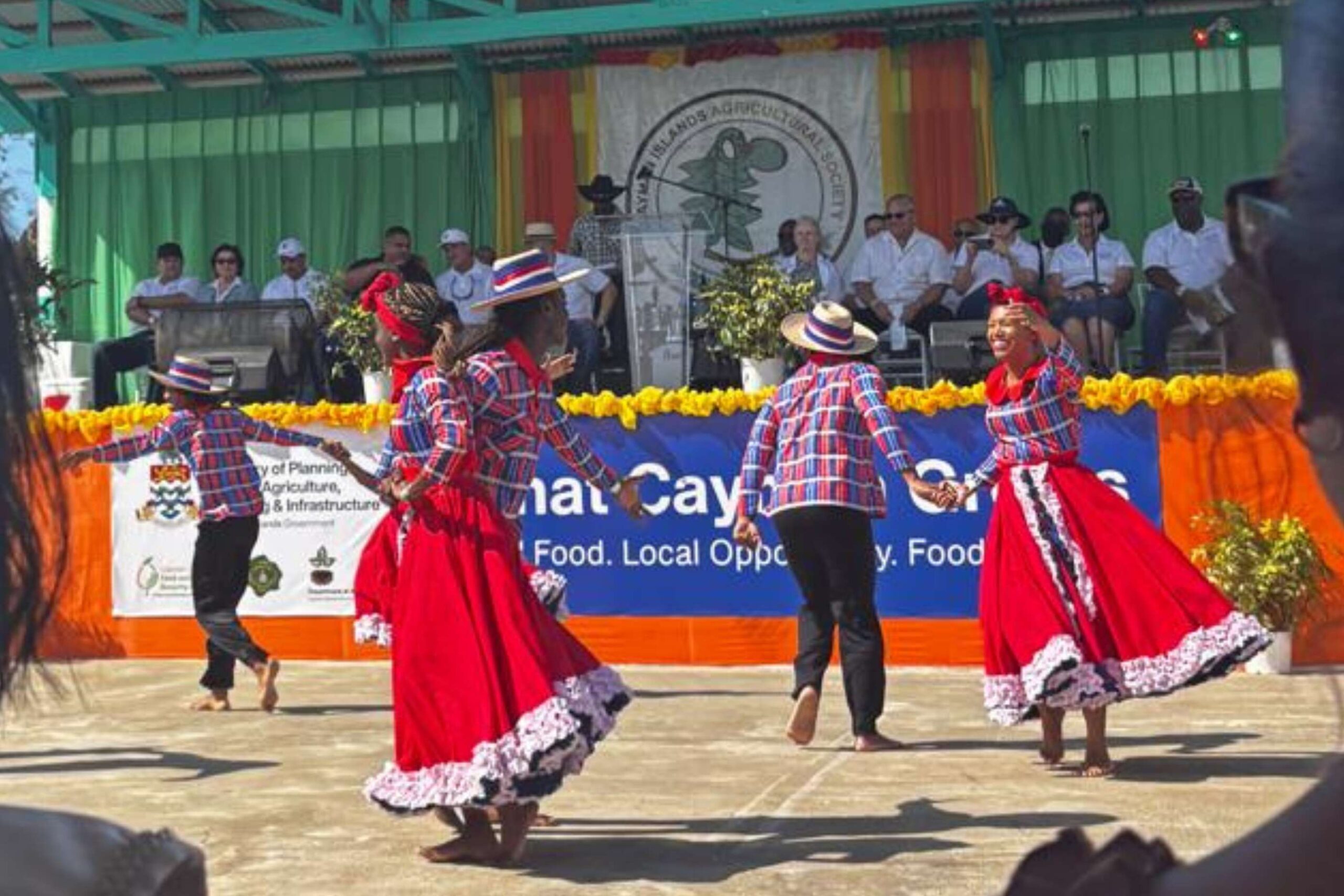
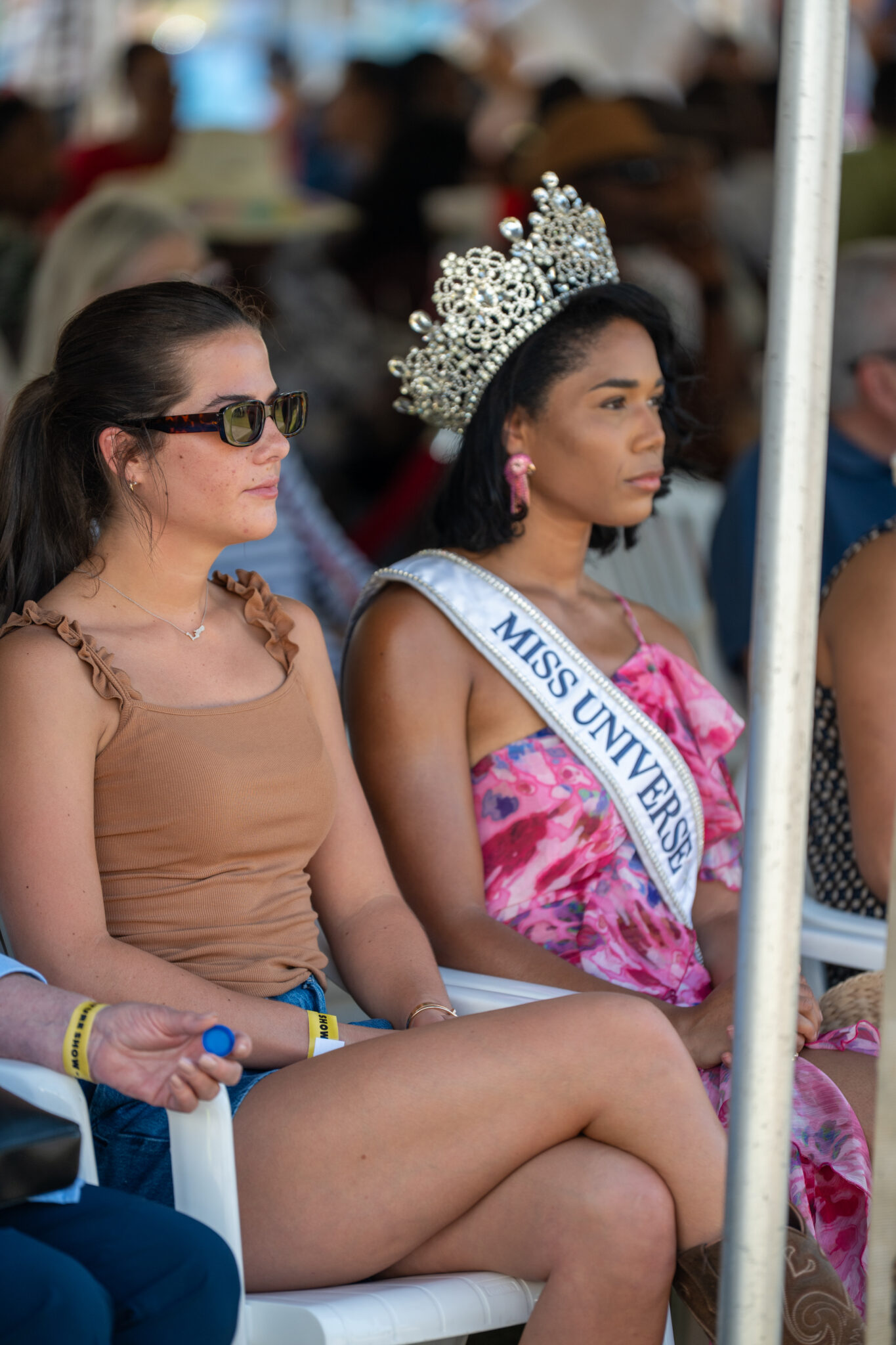
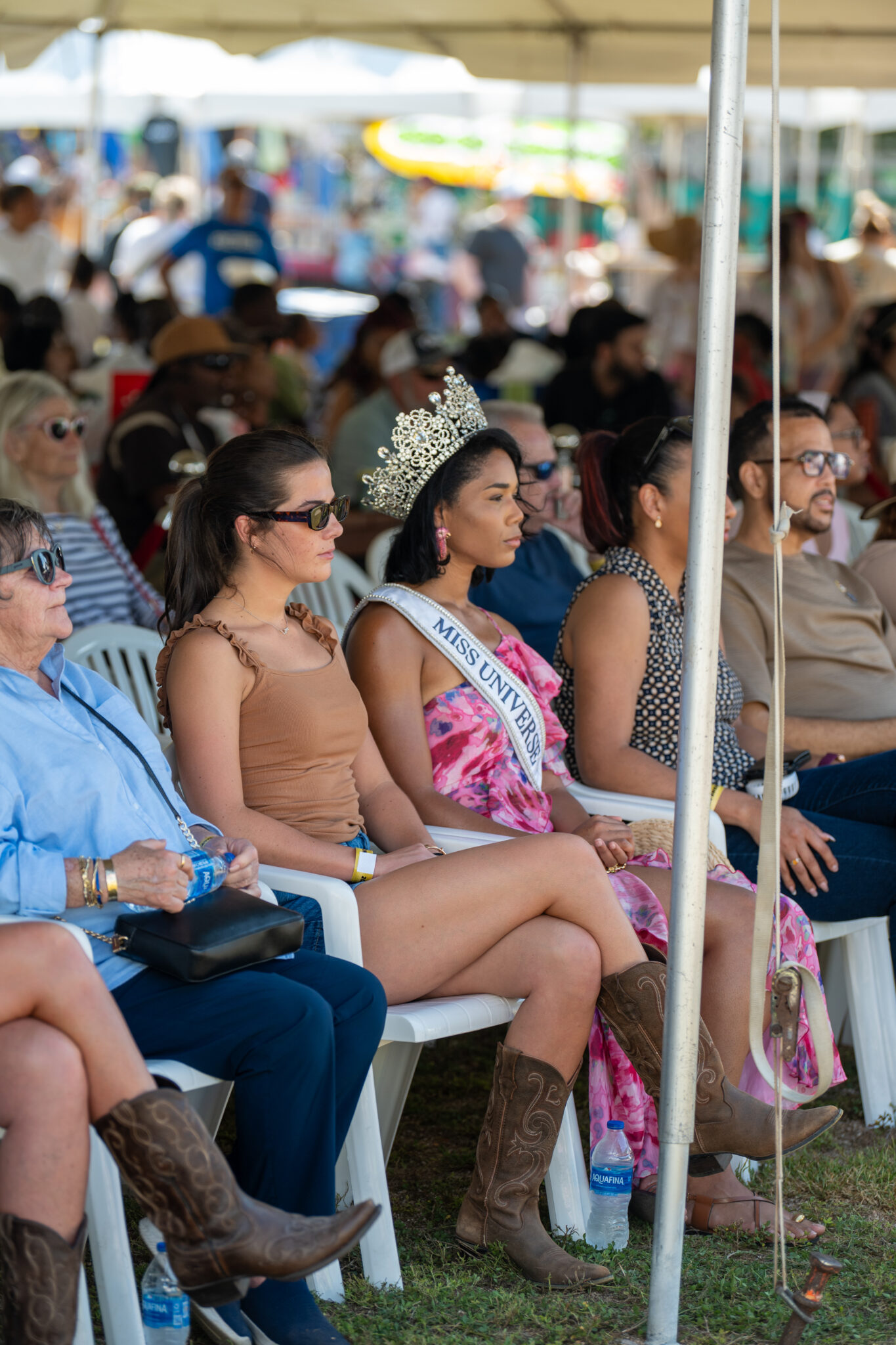
Beyond the formal addresses, the ceremony unfolded with the blowing of the conch shell by Deal Ebanks, followed by a prayer from Pastor John Wesley, a parade and a traditional quadrille performance. The official opening was sealed with the ringing of the agricultural bell by Premier André Ebanks, Governor Owen, Miss World Cayman Islands Jada Ramoon and Miss Universe Cayman Islands Tahiti Moorea Seymour.
Seymour, whose platform centers on food security, said the in-person interactions at the show underscored how vital – and vulnerable – Cayman’s food system is.
“Seeing people face to face matters to understand the importance and fragility of our food system,” she said. “The agriculture fair connects the community to local farmers who are empowering our agricultural landscapes and ultimately our national resilience.”
Edible plants sell out early
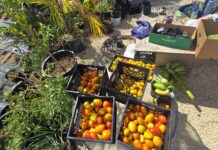
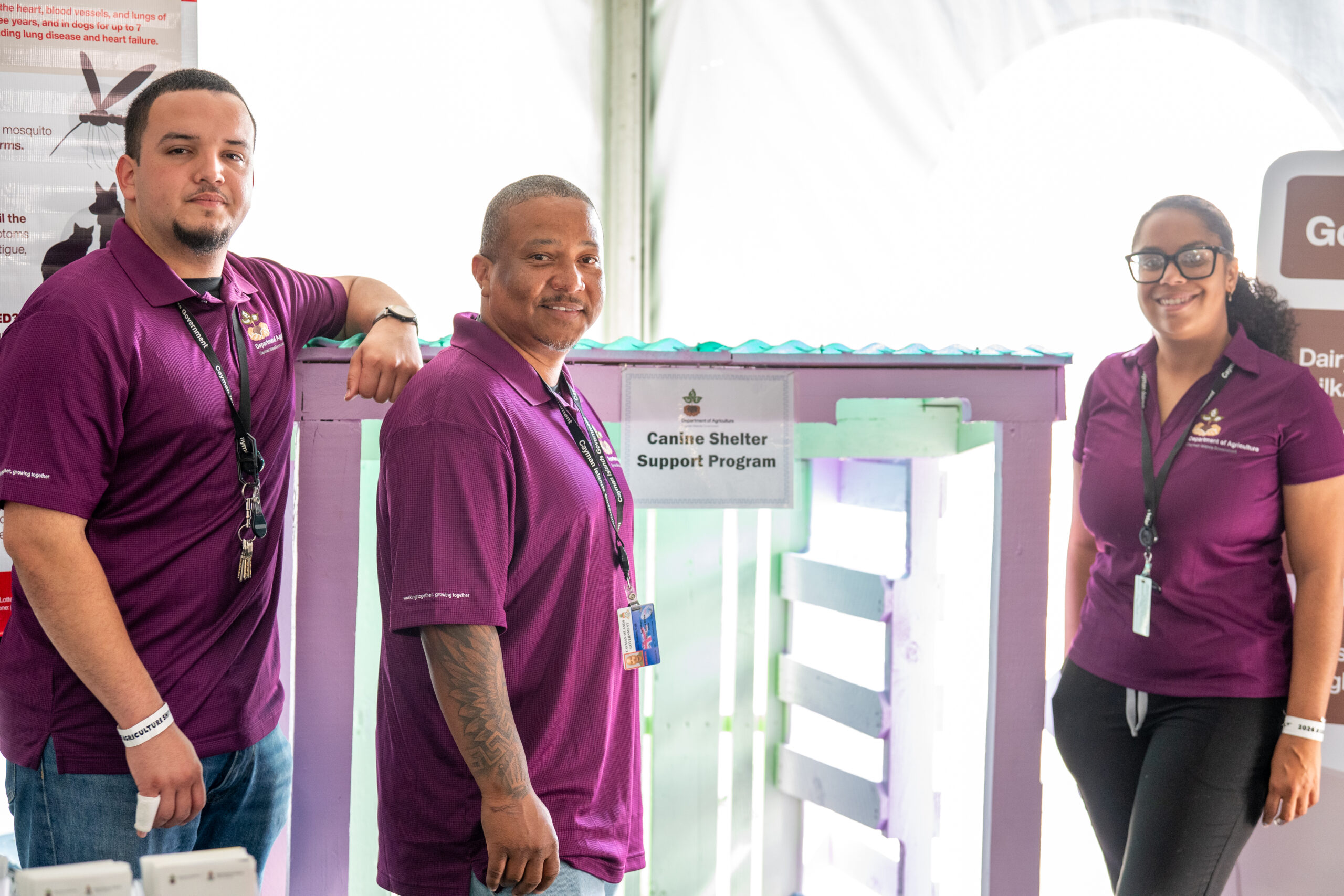
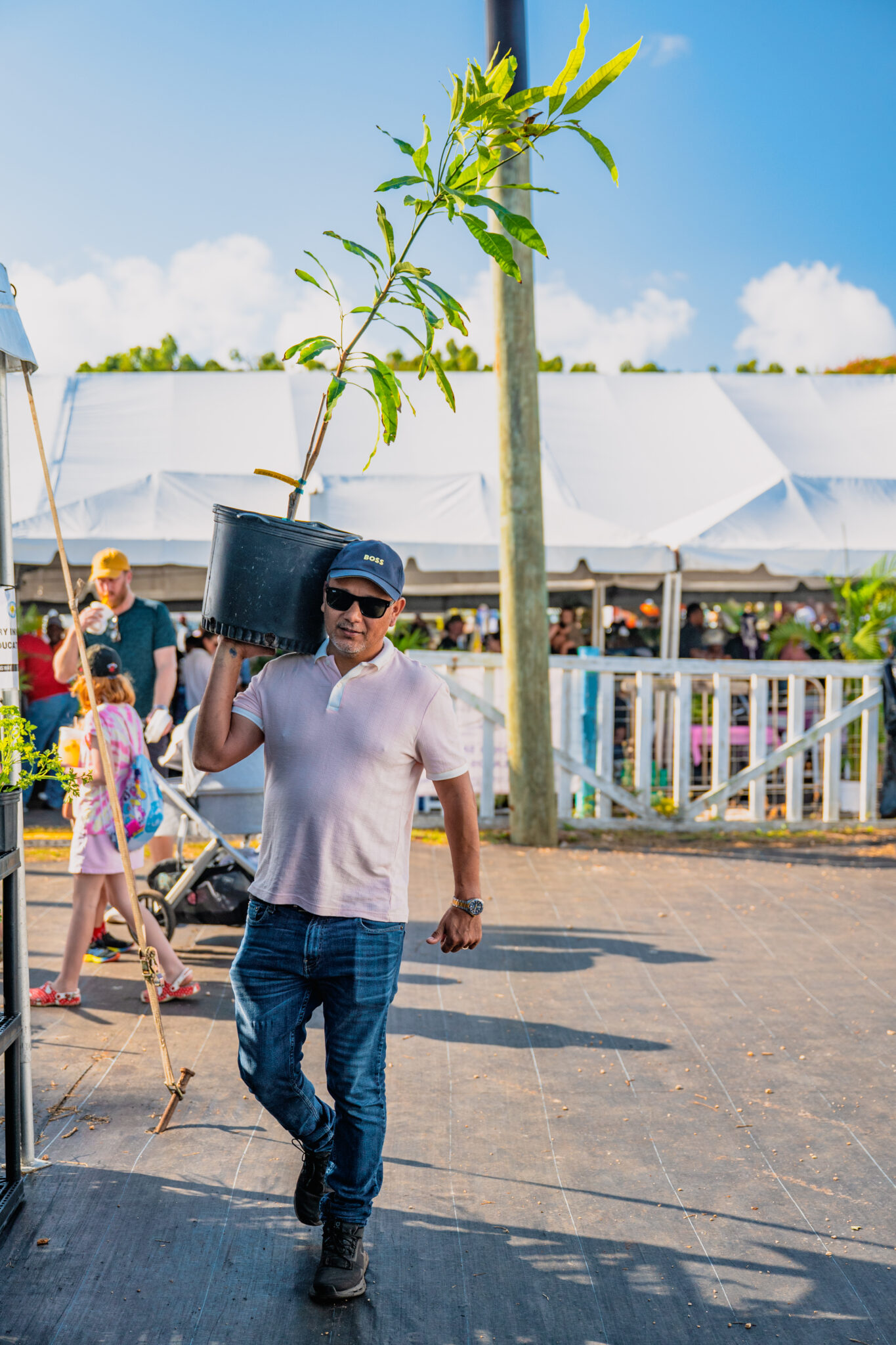
The scale of public interest was clear at the Department of Agriculture’s plant sale, where long lines began forming soon after the gates opened.
Deputy Director of Agriculture Demoy Nash said the plant sale represents one of the most direct ways the show advances local food security.
“Our hope is that when they see the different farming displays, buy planting material and connect with farmers, those actions come together in a meaningful way,” he said.
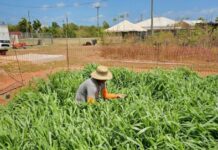
“By purchasing planting material, they can help increase domestic production. By building relationships with farmers, they create marketing linkages that make it easier to buy local and access fresh produce. And by seeing the various farming systems on display, they may feel motivated to return home and establish their own farming plots, backyard gardens or even commercial operations.”

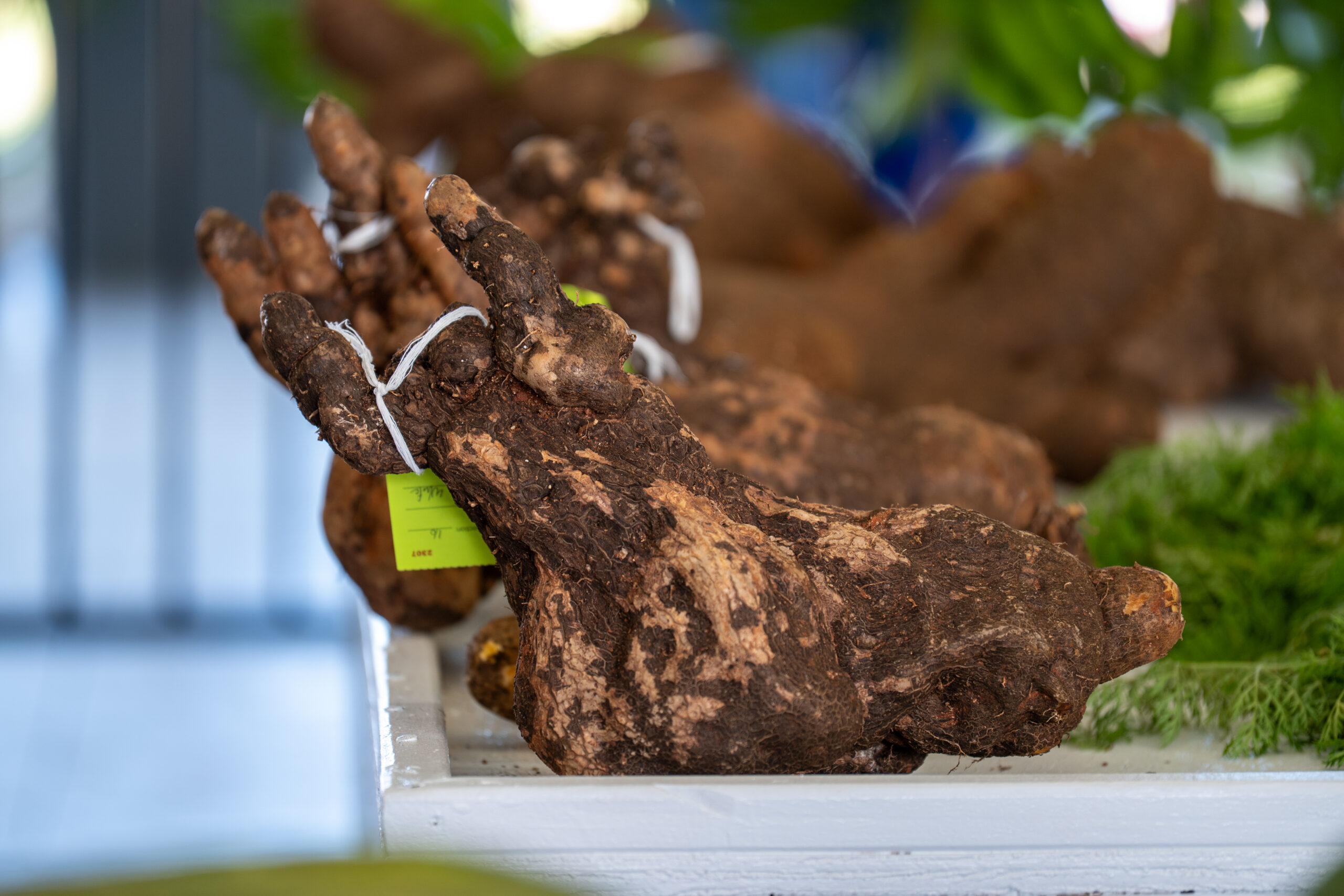
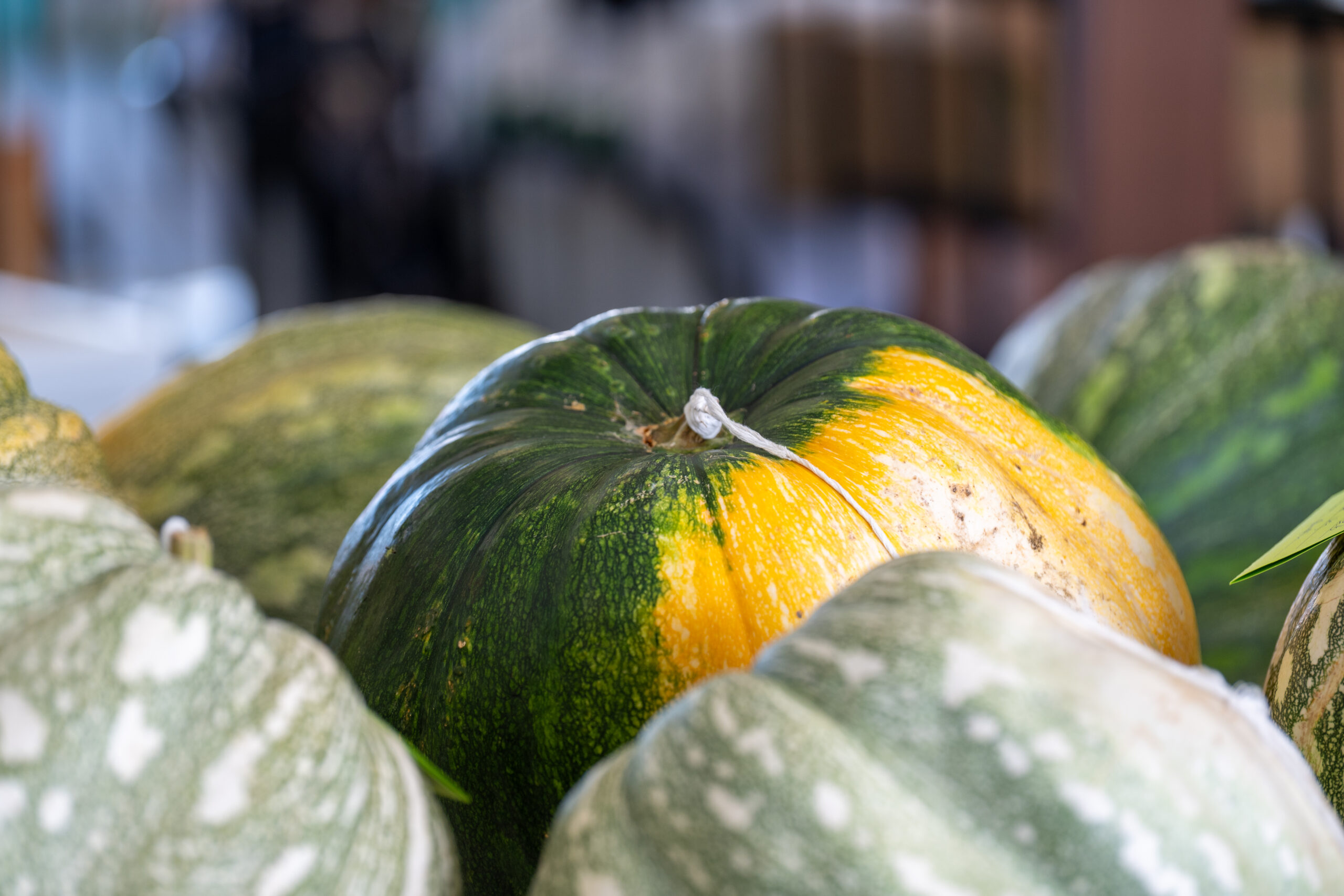









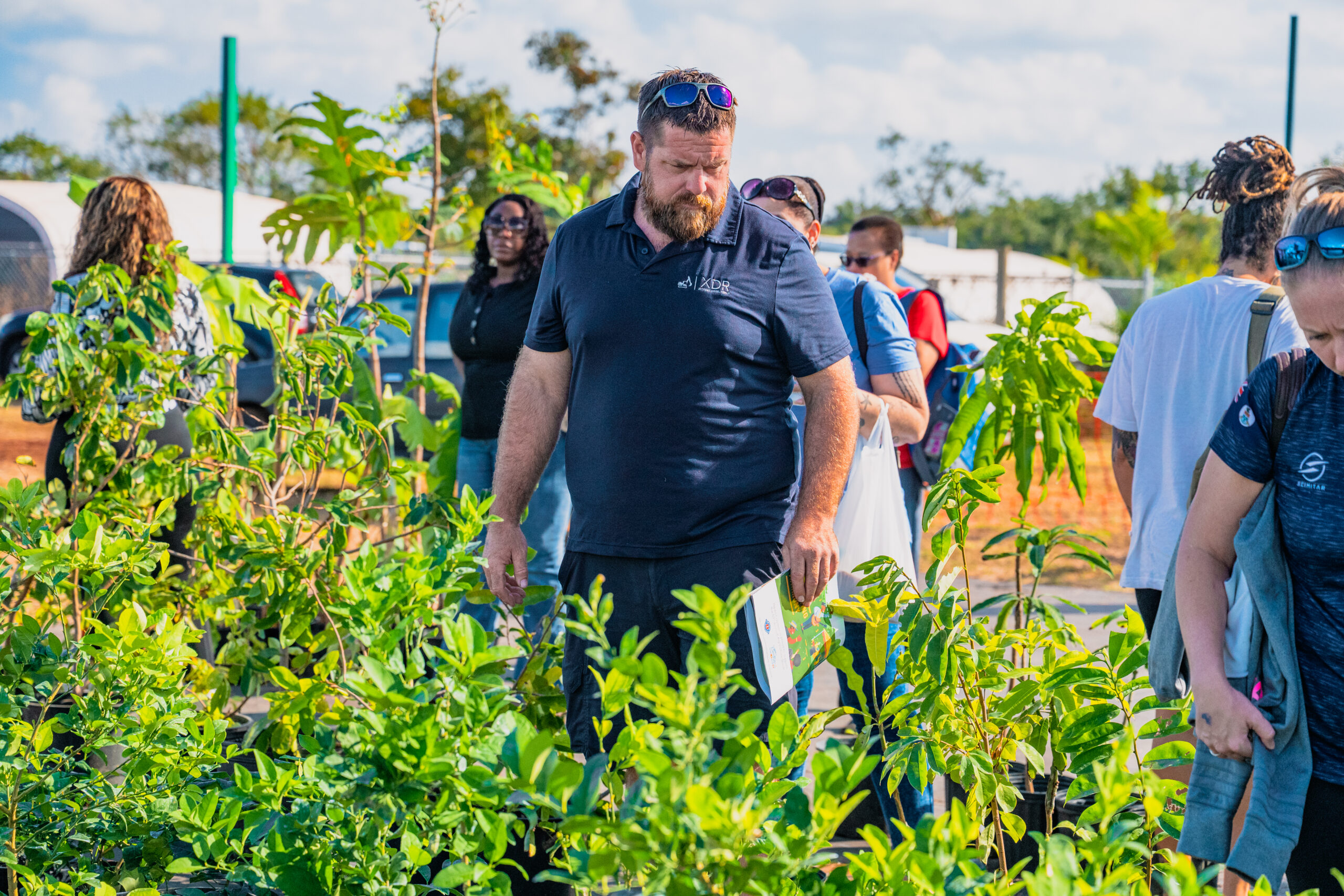
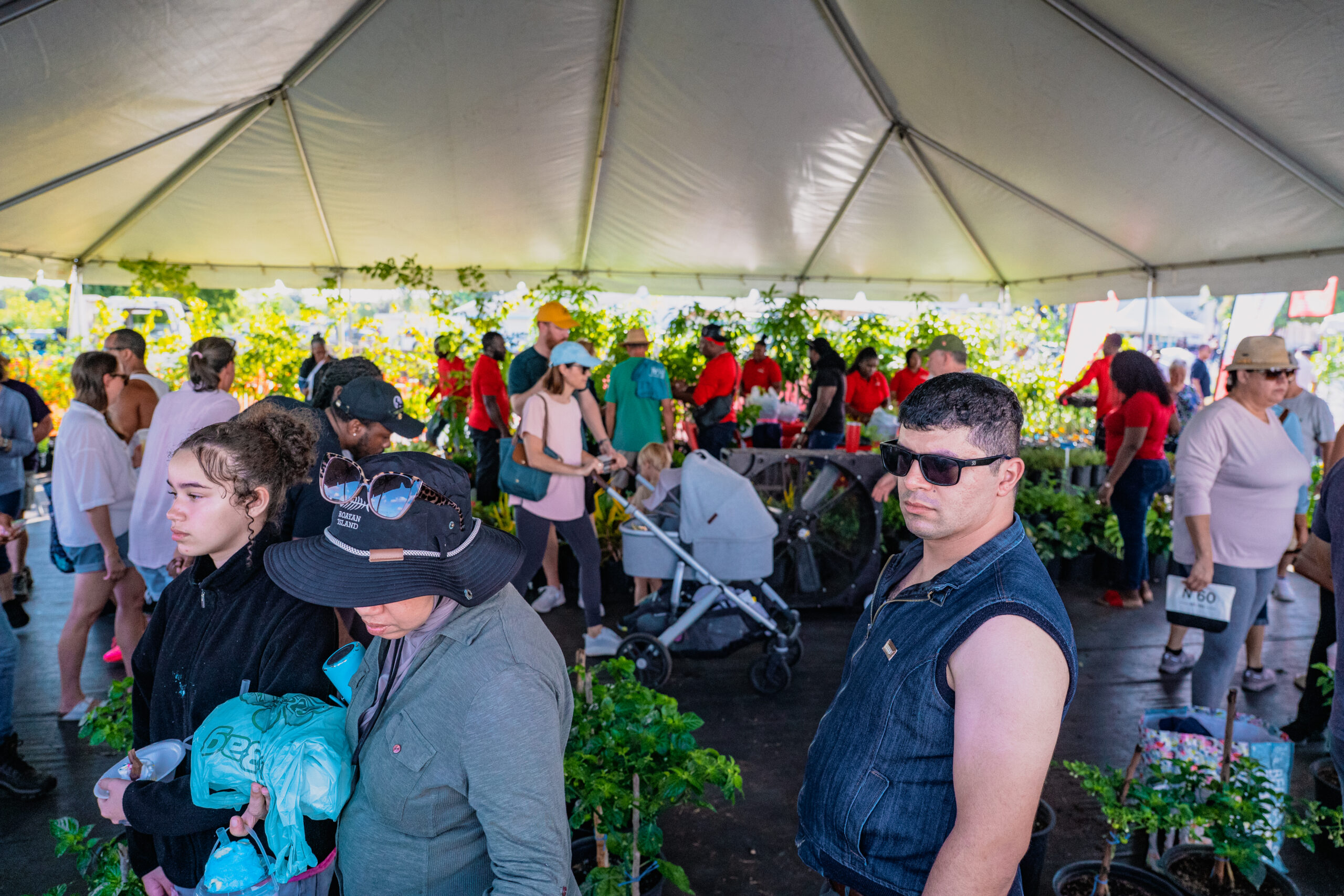
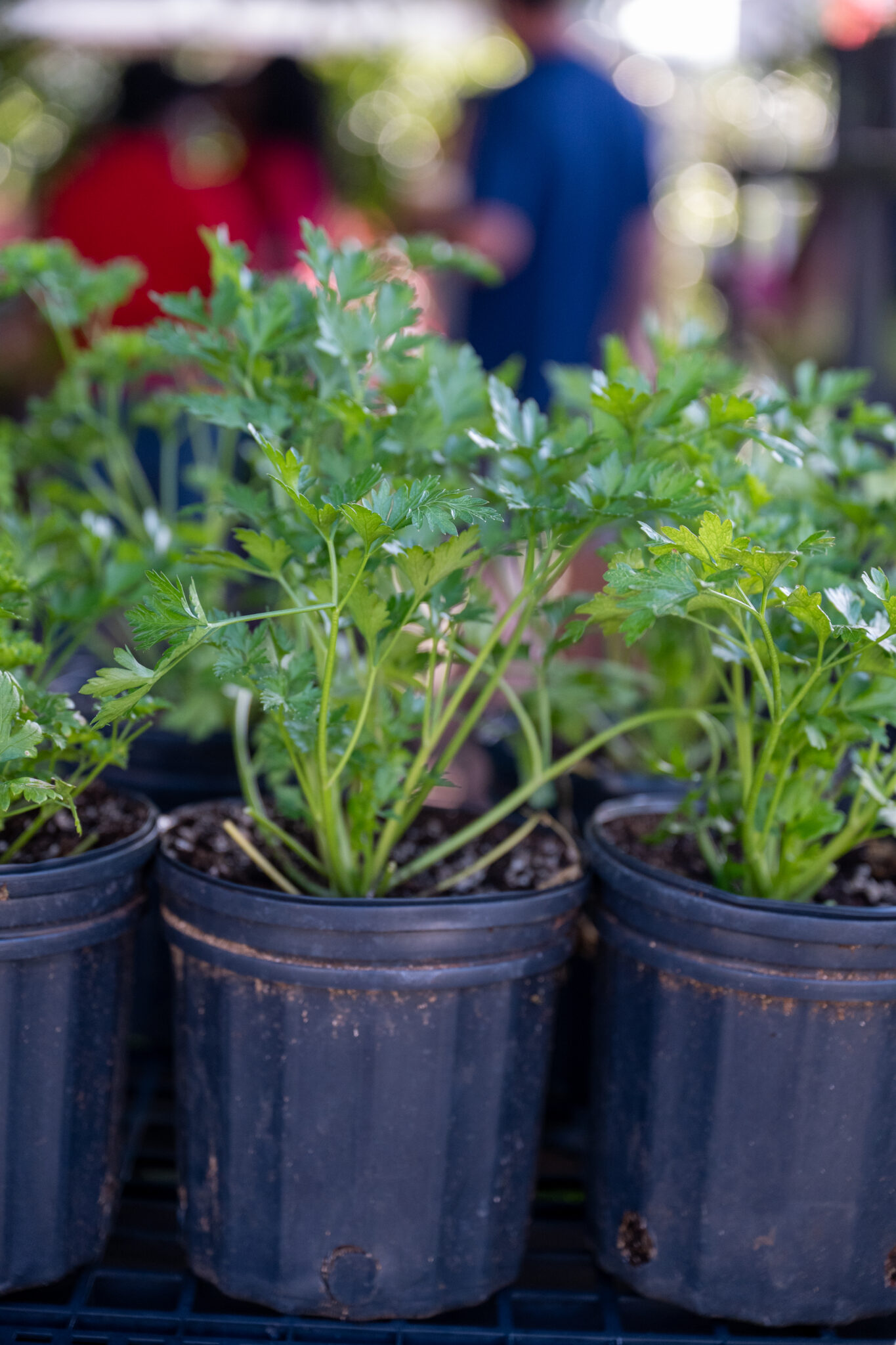
By 11am, officials reported that more than 80% of the department’s plant stock had sold out.
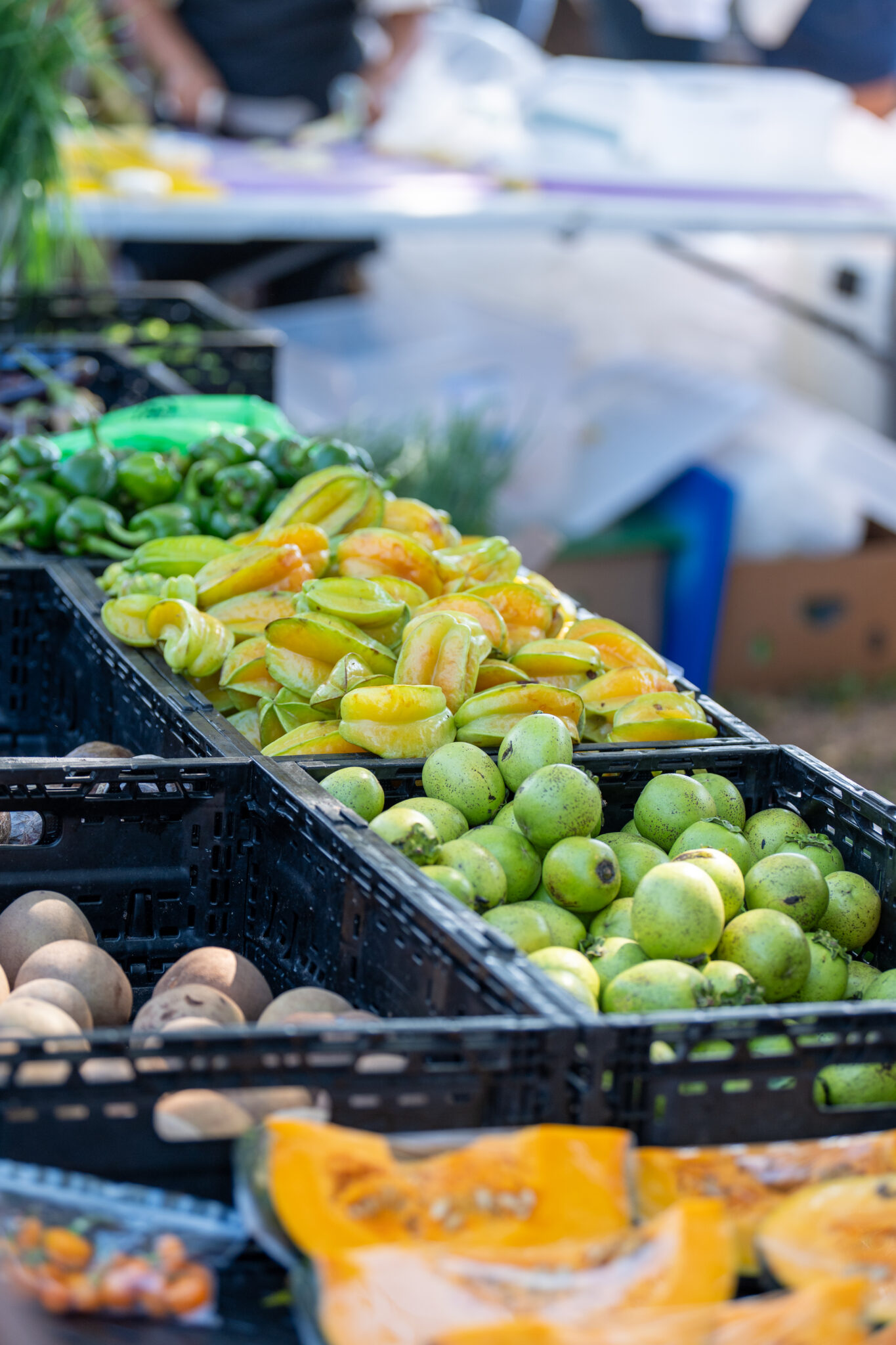
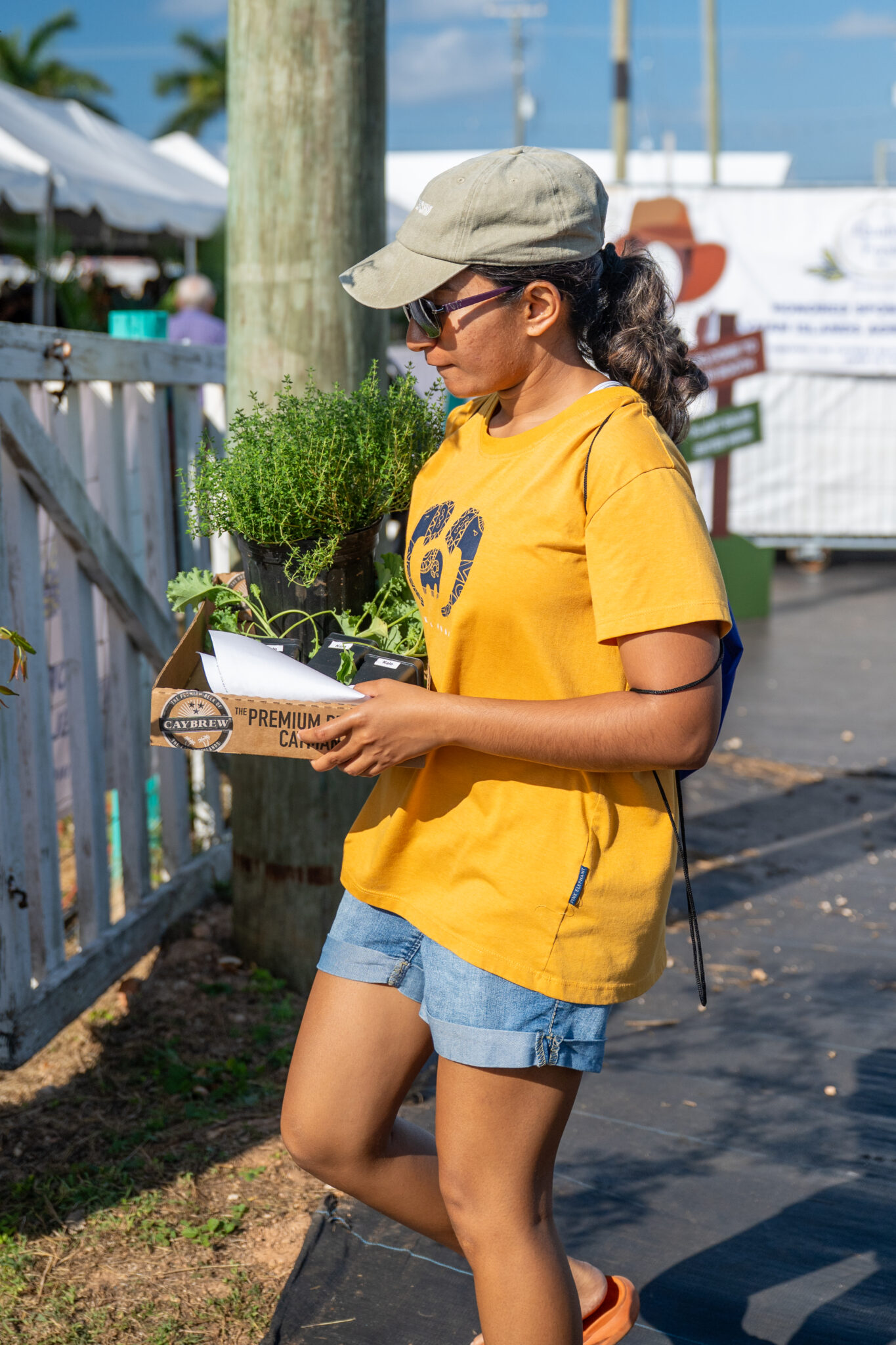
On offer were fruit trees such as ackee, avocado, breadfruit and coconut, alongside vegetable seedlings including papaya, eggplant, broccoli, kale and peppers.
Prices ranged from 75 cents for seedlings like cabbage, cucumber and callaloo to $25 to $50 for larger plants such as scotch bonnet, tomatoes and young fruit trees including mango and soursop.
Nash said the event also allows the department to assess the sector’s performance.
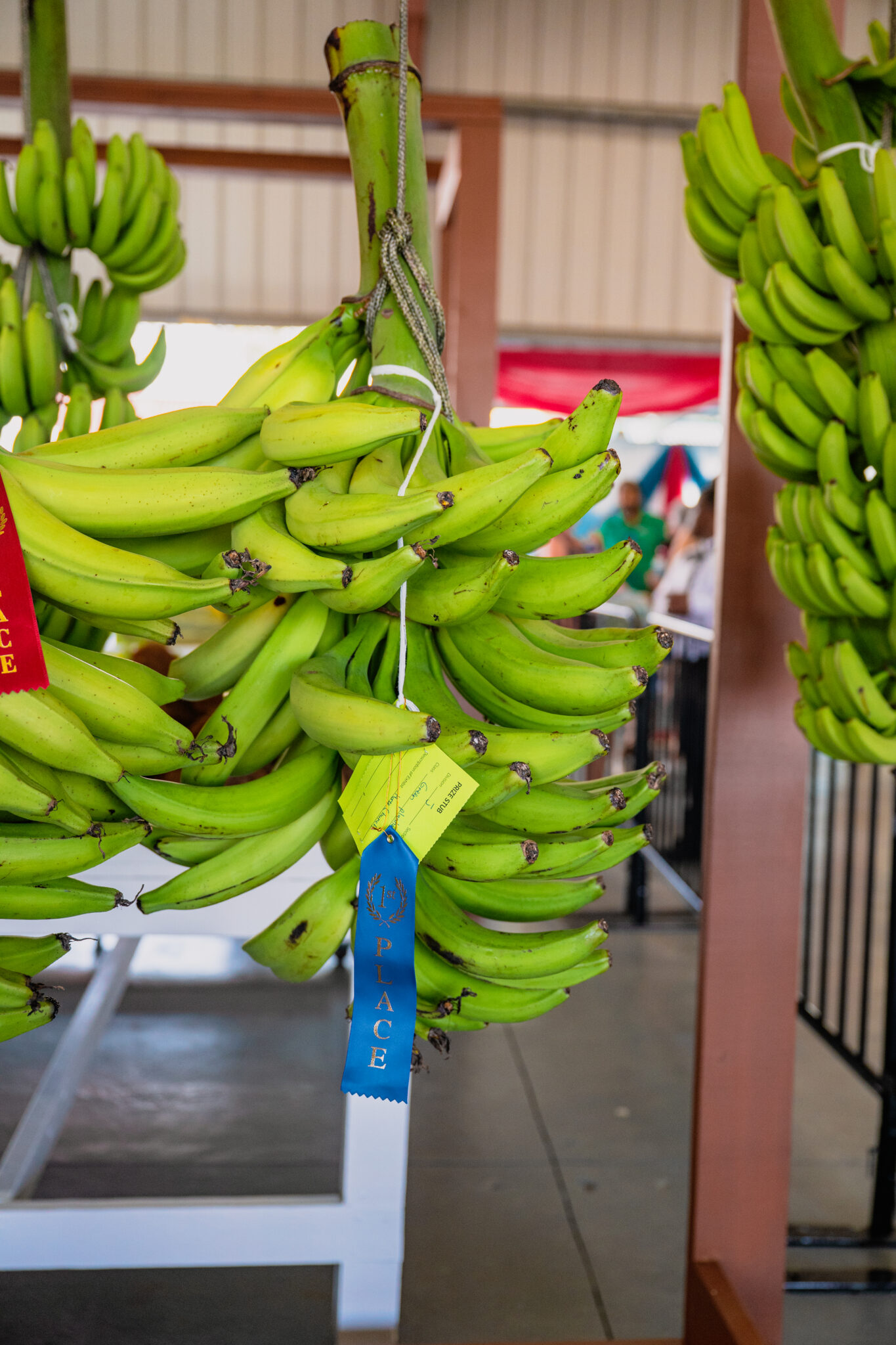
“The harvest is a direct result, an indicator, in my perspective, of the work that we put in the farming community on a regular basis,” he said.
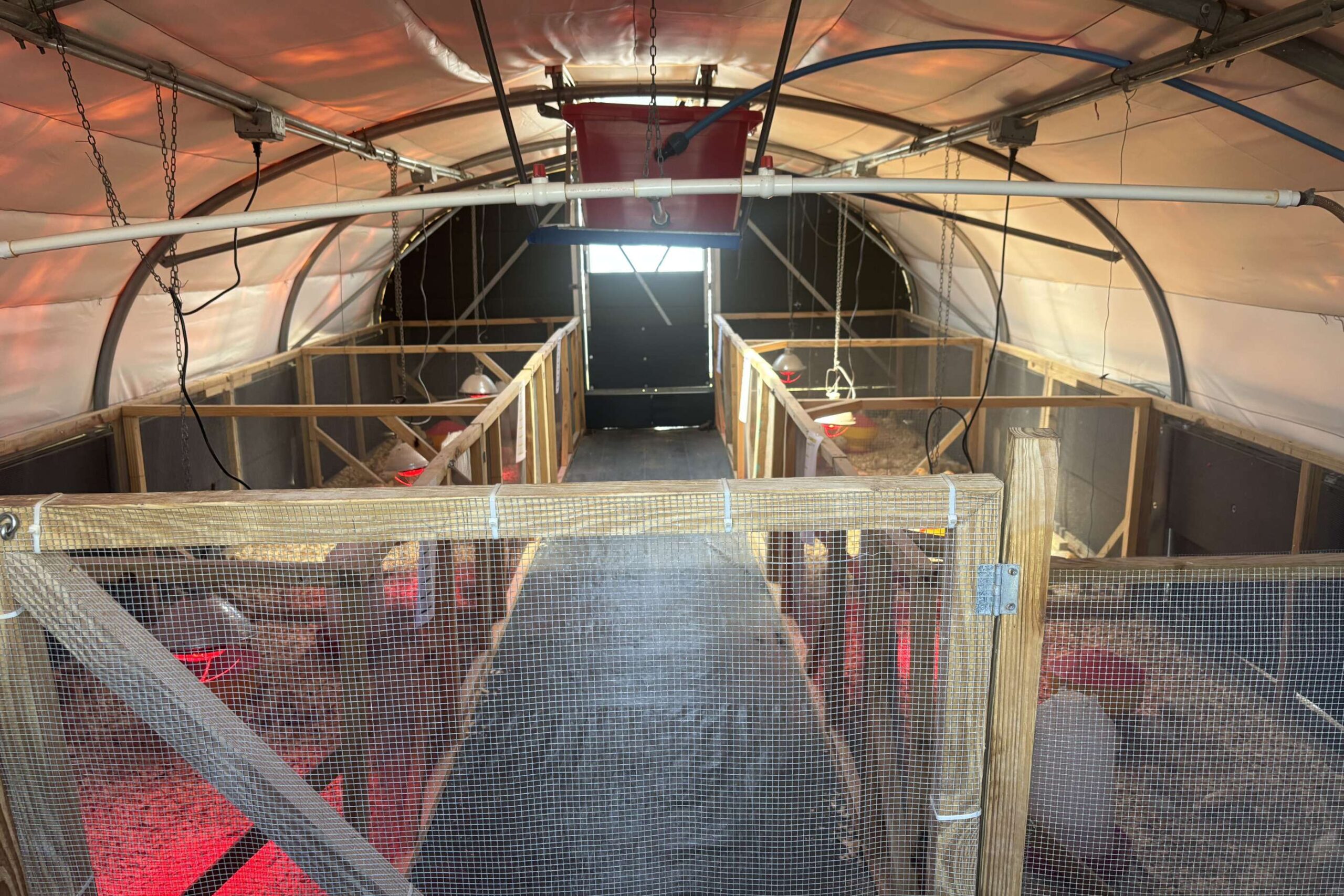
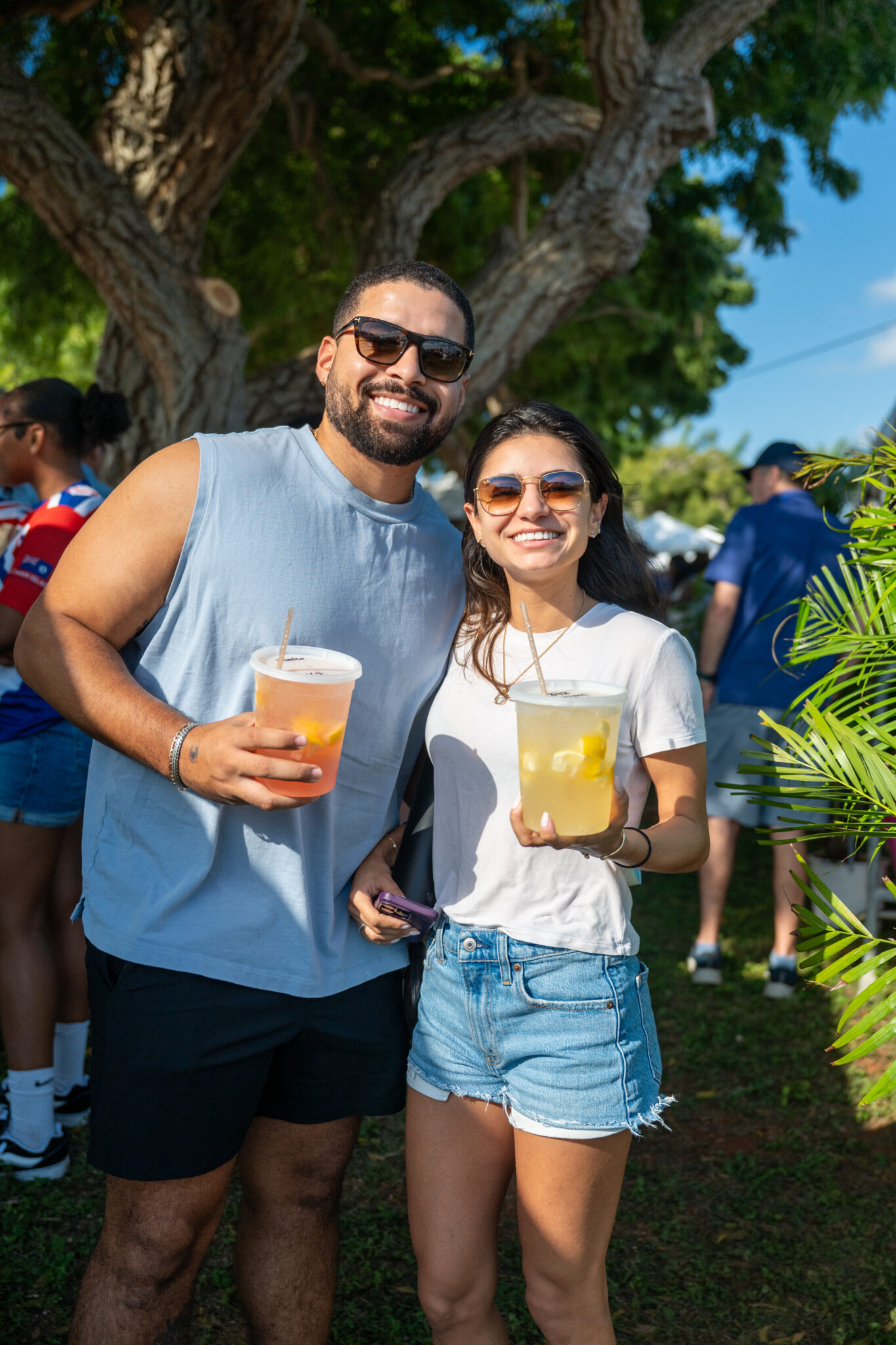
Beyond the agricultural exhibits, the grounds hummed with activity. Children queued for pony rides, DJs kept the momentum going with music and shoppers moved from stall to stall, while others stopped by the Poultry Innovation and Education Centre to learn about modern poultry production and sustainability.
While official attendance figures have not yet been finalised, last year’s show drew about 13,000 visitors, and early indications point to another strong turnout.
Related Videos