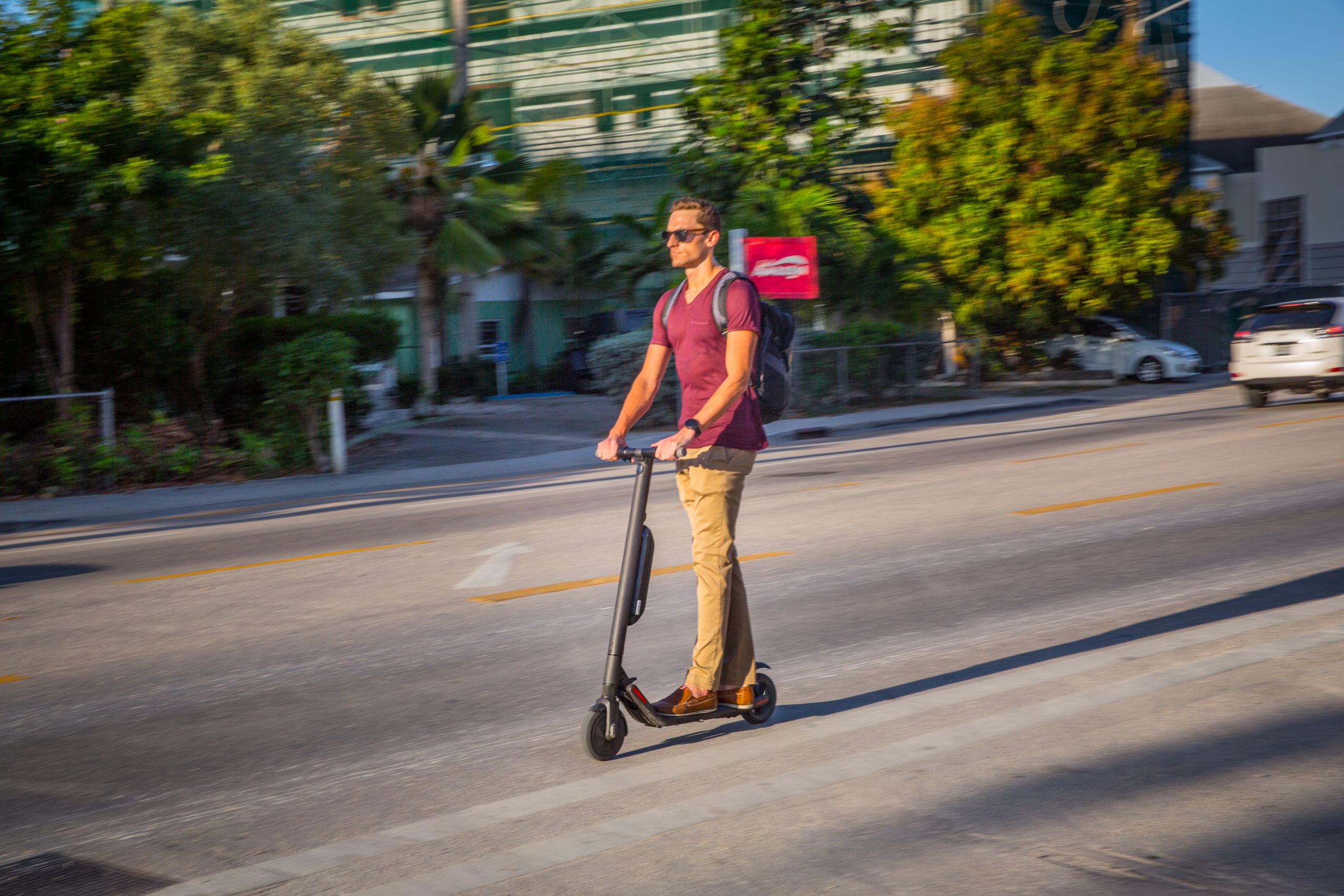
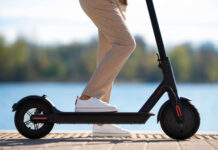
Electric scooters and e-bikes have become a common sight on Cayman's roads as an inexpensive way to travel around the island. - Photo: File
Cayman’s bid to boost its environmental efforts could be affected by tough new rules on e-bikes and e-scooters, Opposition Leader Joey Hew has warned.
Speaking in Parliament at the 10 March session, Hew said strict rules on those types of battery-assisted vehicles not only increase congestion on the roads and reduce the use of the environmentally friendly transportation, but they also add to the financial burden on workers who would have to use more expensive ways to get around.
The People’s Progressive Movement party leader told Parliament, “I think we can all agree that there was need for the regulation, in fact, I would just say … the enforcement of the use of the scooters, e-bikes and their likes.”
He was speaking as Infrastructure Minister Jay Ebanks introduced the second reading of a bill to amend the Traffic Act.
The bill debated in Parliament proposed to change the legal definition of a bicycle by removal of a speed threshold, so that a motorised bicycle or a pedal cycle is not defined by its maximum speed.
- Advertisement -
The move was designed to create a “clearer distinction between pedal cycles and motorised vehicles, supporting consistent classification and enforcement”.
But Hew said that “sometimes in trying to do good we have unintended consequences”.
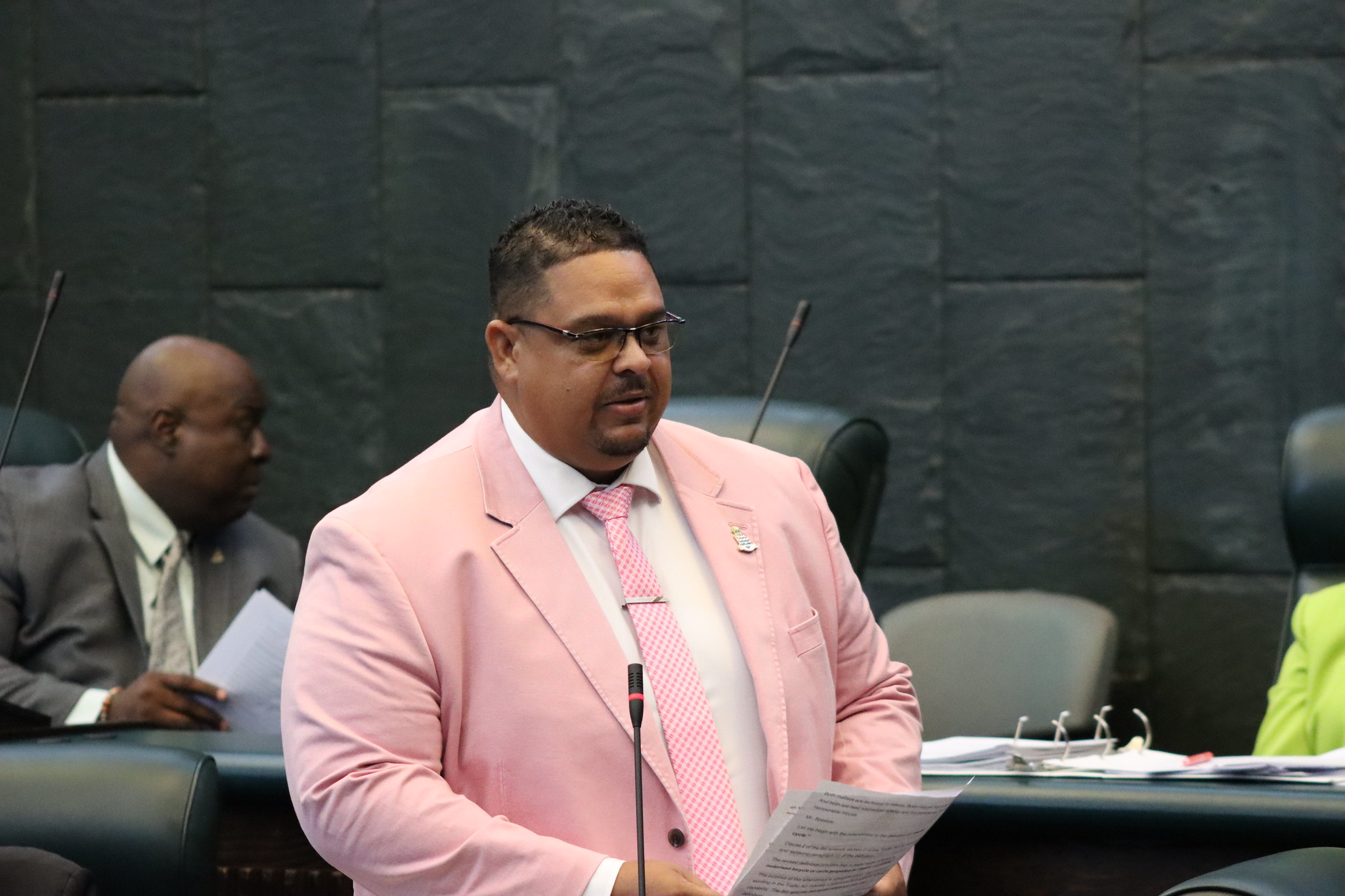
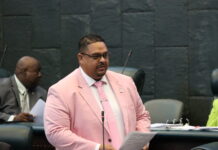
Leader of the Opposition Joey Hew speaking in Parliament on 10 March. – Photo: Cayman Islands Parliament
Encourage greener travel
Hew said the change might appear to be “a small technical amendment” but that the 15-mph threshold originally in the definition “served a very deliberate and important policy purpose”.
Hew said the 15-mph threshold was “introduced as part of a balanced framework for regulating these emerging forms of micromobility or motorised bicycles and scooters that were already beginning to appear on our roads”.
He added that “the intent was straightforward – for us also to ensure safe operation while still encouraging alternatives to traditional motor vehicles”.
Hew said, “At that time we recognised that small electric bikes and scooters could help address several challenges facing our islands, reducing traffic congestion, lowering transportation costs and contributing to our broader efforts to reduce our carbon footprint.”
He said the need for regulation was demonstrated to him after he “could not believe the impact” when he was in London last year and saw a woman “spun in the air” by an e-bike, which caused severe injuries.
But he said MPs should look at the proposals from the “perspective of those who cannot afford a car”. He said low-cost, small- and low-environmental impact transportation helped Cayman meet its targets for greener islands and reduced transport costs for lower-paid people. “But for the system to work, there has to be a clear distinction between low-speed personal mobility devices and higher-powered motor vehicles,” he said.
Proposals too broad
Hew highlighted that other jurisdictions used speed-based categories to distinguish between different types of machines and added that in the EU and UK, battery assisted bikes were limited to 15.5 mph (25 km/h) and did not have the expense of licences or registration.
“The common thread in all these jurisdictions is simple. Speed matters. Speed is what allows policymakers to distinguish between a bicycle, a micromobility device and a motor vehicle,” Hew said, adding that the proposed change was “a simple fix” but that it risked loss of that “important distinction”.
Hew added, “And when the law loses clarity, what often follows is over-regulation, where small scooters and motorised bicycles begin to be treated more like motorcycles with layers of requirements that defeat the very purpose of these affordable transportation options.”
He appealed to the government to monitor the situation and perhaps go back out and talk to retailers in the business with a view to possible tweaks to the legislation in the future.
Government wants to “get it right”
Ebanks appeared to leave the door open to further amendments and said he had already had meetings with police management about enforcement and possible future changes to the legislation.
“We’re going to continue to make amendments and, yes, we’re going to continue to have to make amendments until we get it right,” he said.
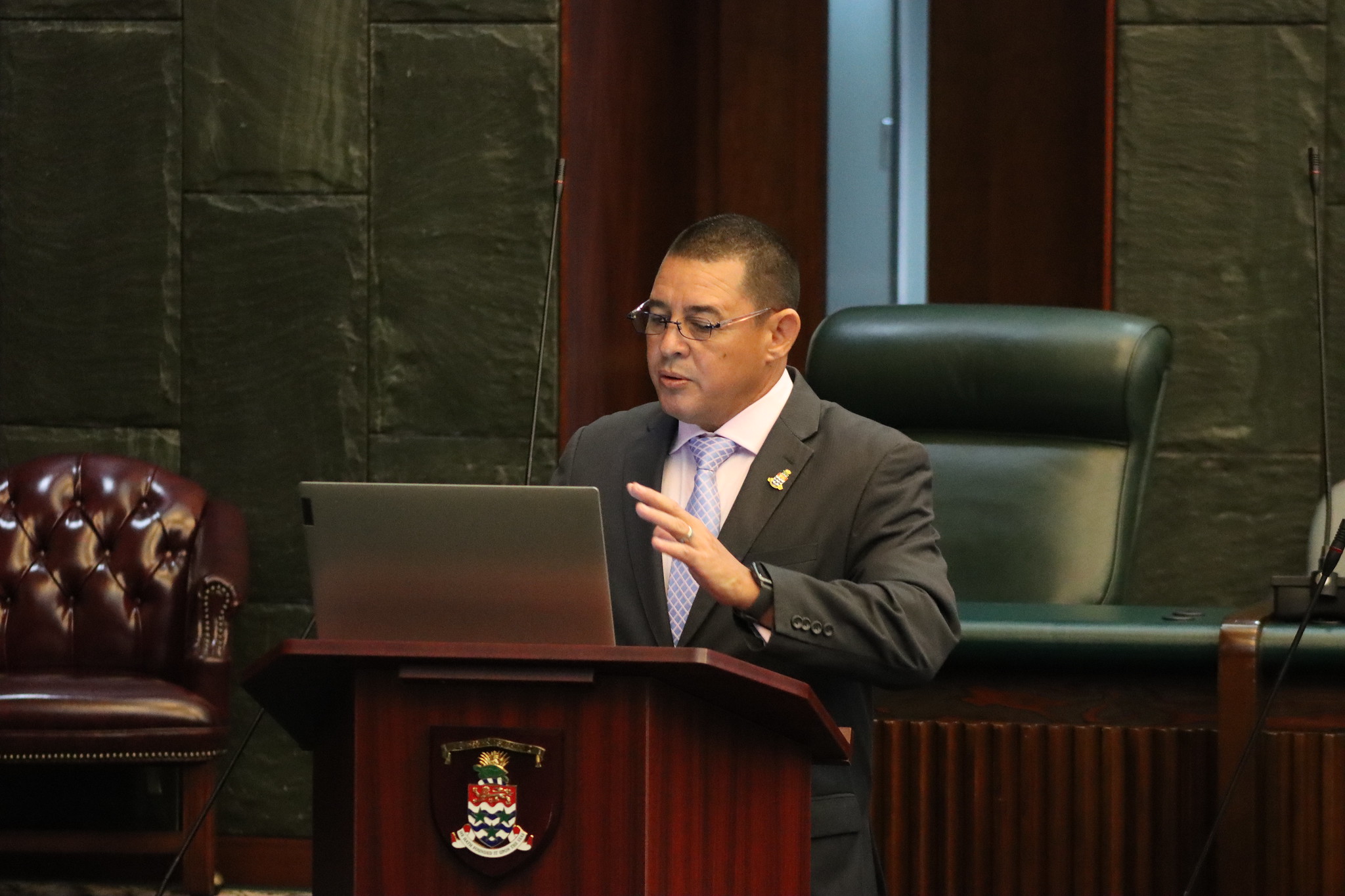
Infrastructure Minister Jay Ebanks discussing the Traffic Act in Parliament on 10 March. – Photo: Cayman Islands Parliament
Enforcement of Traffic Act provisions to mandate licensing, insurance and registration of e-bikes and e-scooters was to start on 16 Jan. but was pushed back to 1 March to give users of the vehicles time to comply with the inspection, insurance and registration requirements.
The speed a vehicle moves and the weight it is, controls how much damage can be done and how much skill is used to control it.
My 4 year-old grandchild buzzes around on his little bike. But he can do little damage.
Whereas something travelling at 40 mph that weighs 50 lb can do considerable damage. Especially to the rider. Although certainly way less that a motorcycle or car.










Common sense.
The speed a vehicle moves and the weight it is, controls how much damage can be done and how much skill is used to control it.
My 4 year-old grandchild buzzes around on his little bike. But he can do little damage.
Whereas something travelling at 40 mph that weighs 50 lb can do considerable damage. Especially to the rider. Although certainly way less that a motorcycle or car.