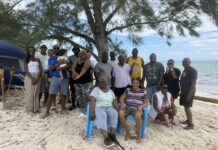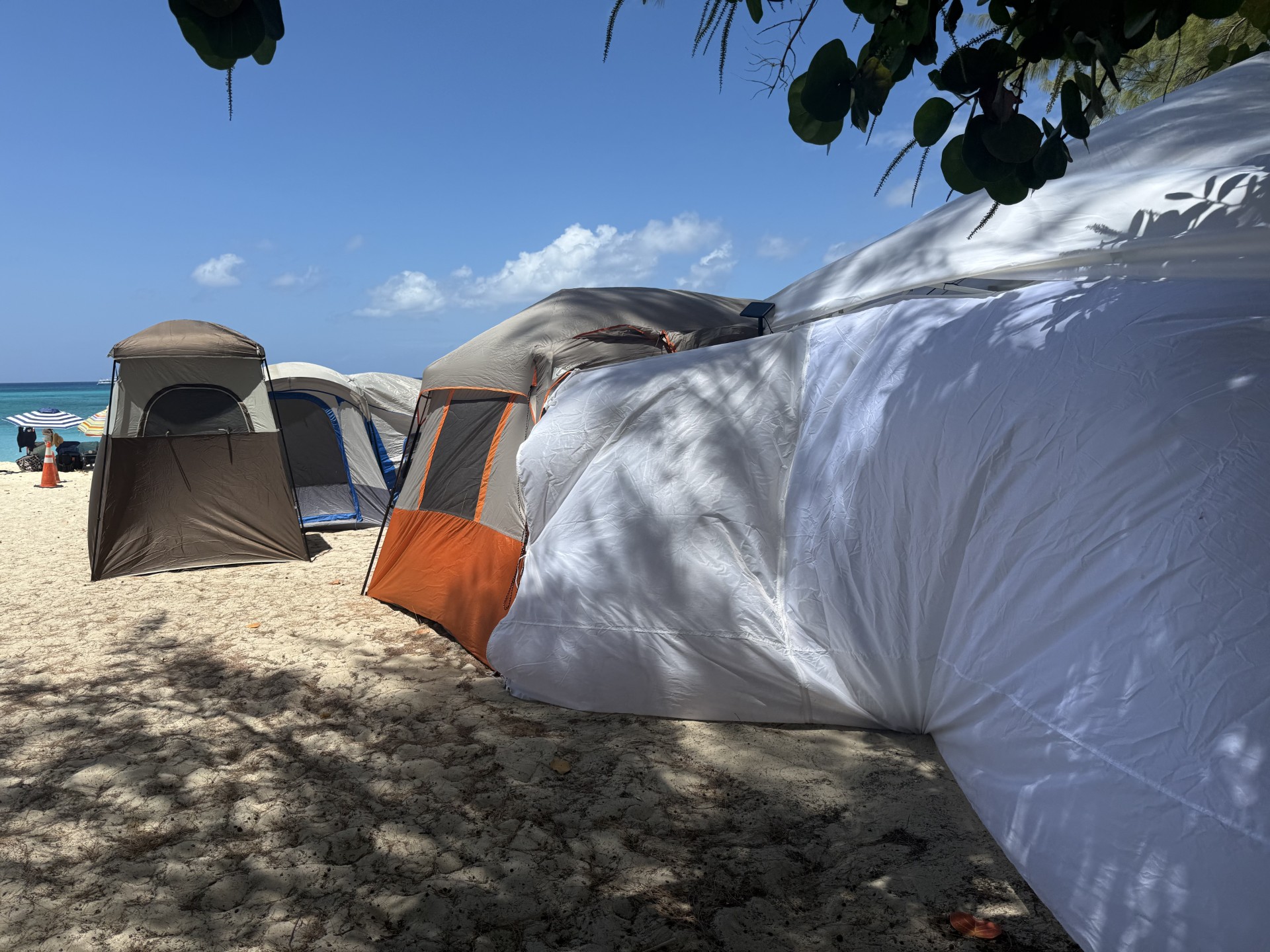
Along Seven Mile Beach, parts of the south coast, East End and the North Side, the signs of Easter have appeared.
Lines staked into sand. Ropes tied to driftwood. Frames rising where, days earlier, there was only wind and sea.
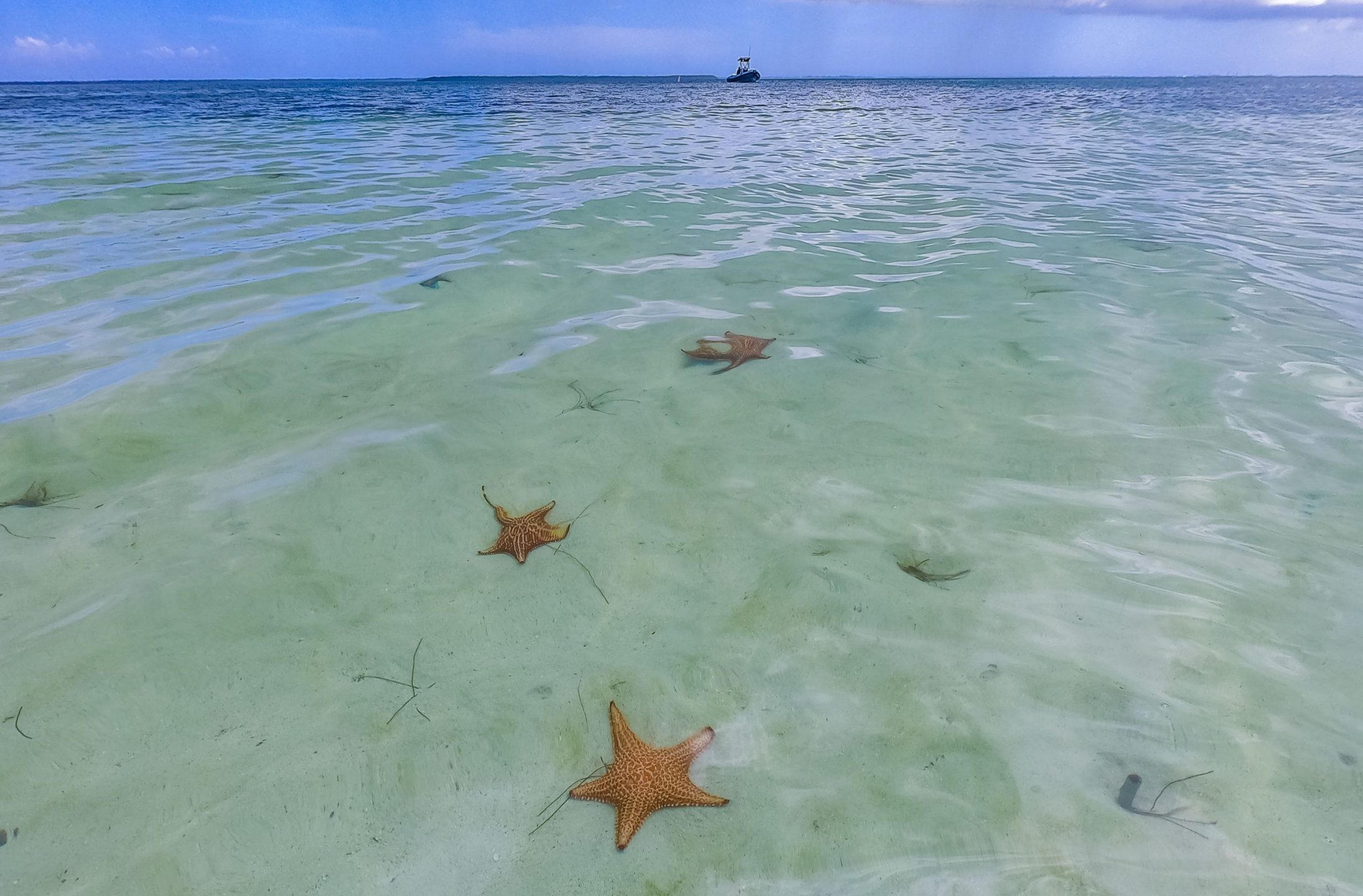
At Starfish Point, one of Grand Cayman’s most popular camping spots, spaces have been quietly claimed, with boats nosing in despite breezy conditions and families marking out ground, not just for tents, but for time together.
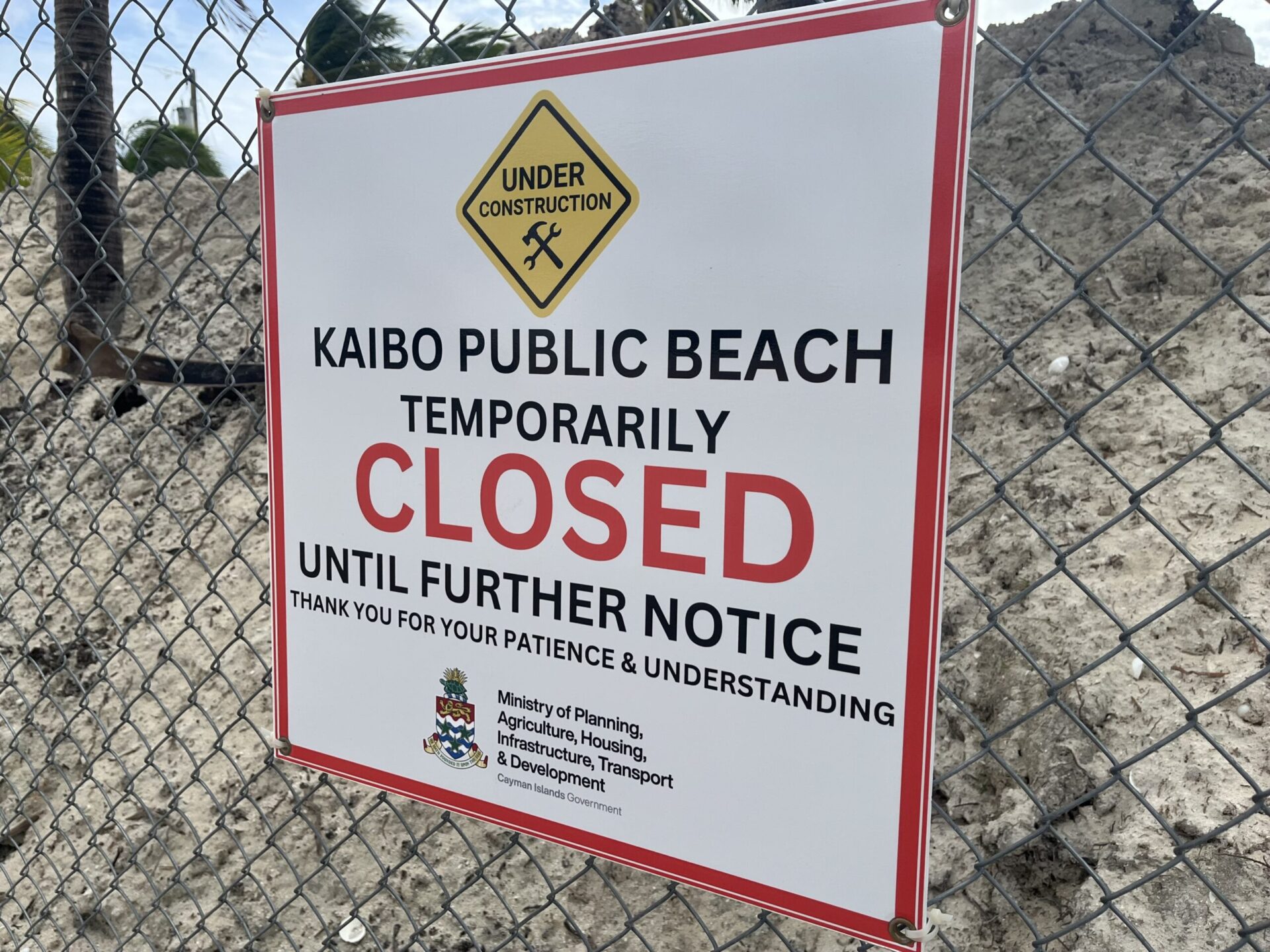
The early rush comes as parts of the traditional camping landscape continue to shift. The former Kaibo park, long a hub for Easter gatherings in North Side, remains tied up in an extended redevelopment process, leaving regular campers to look elsewhere.
“This is where we always camp,” one North Side resident told the Compass, standing beside a half-built frame of PVC and canvas. “You don’t just pick any spot. These places mean something.”
Across the island, from Barkers to East End, similar scenes have unfolded; barbecue areas mapped out, coolers arriving in convoy, and tents evolving from simple shelters into carefully designed set-ups with shade, airflow and, increasingly, solar lighting and battery-powered fans.
Elevated seas and marine conservation
But, this year, alongside the familiar build-up, authorities are urging caution.
With the weather forecast showing elevated seas, and 20 to 23 mph easterly winds forecast through Friday, and still a bit breezy and choppy on Saturday, officials are reminding people to have life jackets on the water and to take care with open flames on land, particularly around dry coastal vegetation and temporary camp setups.
At the same time, the Department of Environment is calling on the public to respect marine conservation laws over the holiday period, noting that lobster season remains closed, while species such as conch and whelks are subject to strict catch limits.
The reminders come as more people head to the coast, increasing pressure on both land and marine resources during one of Cayman’s busiest outdoor weekends.
A tradition rooted in an older way of life
Yet, beneath the changing patterns and added precautions, the rhythm of Easter camping remains familiar.
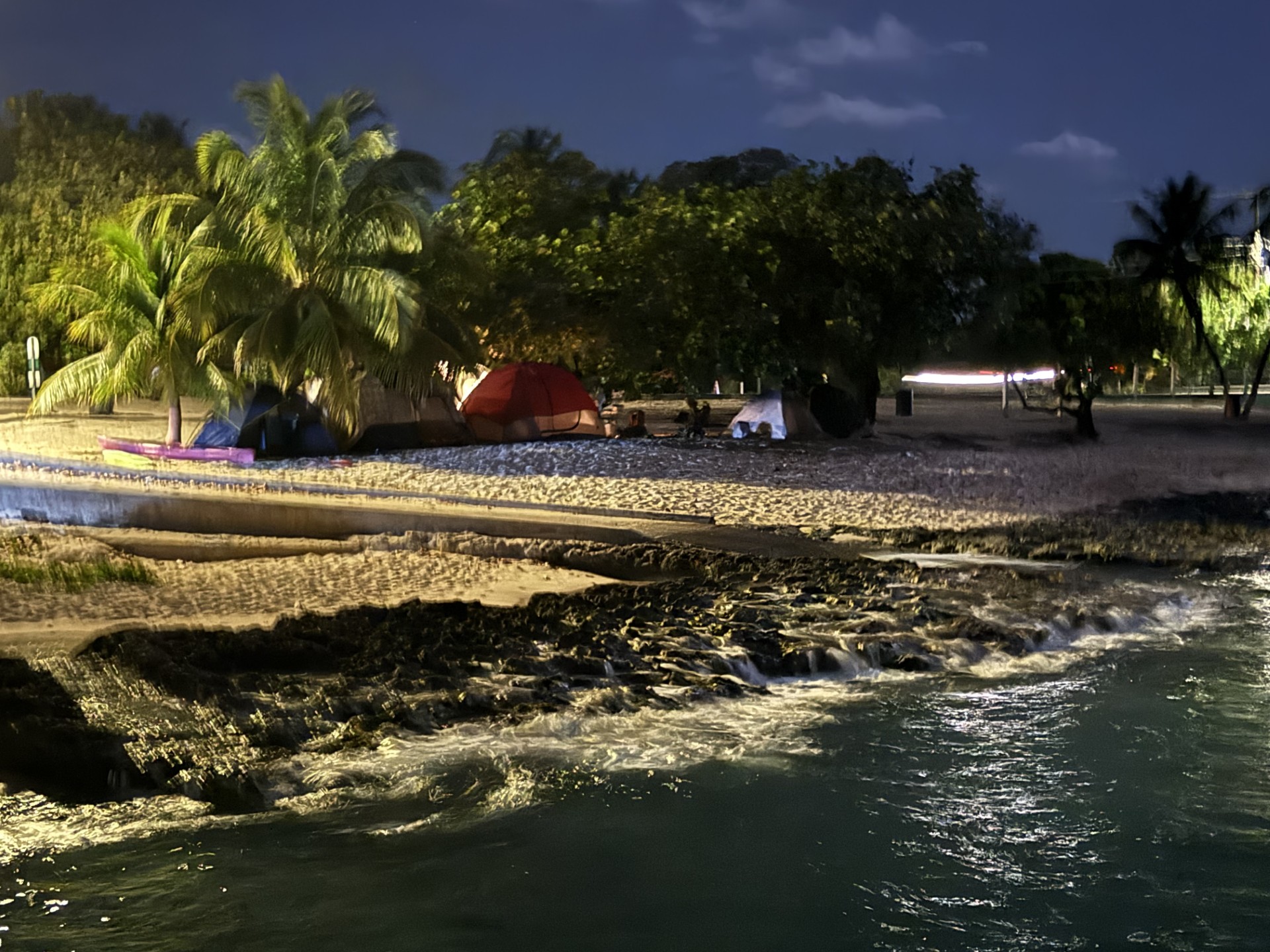
It is a shoreline tradition rooted in older ways of life, when families camped along the coast near fishing grounds and turtle crawls. What began as necessity has endured as culture.
By early morning, campers settle into a quiet stillness. Some walk the shoreline at sunrise. Others prepare for church, whether formally or in quieter reflection by the sea.
By mid-morning, children move easily between land and water, snorkels in hand, kayaks pulled to the edge, or simply digging into sand that will not hold its shape beyond the tide. Food becomes the constant thread; fish, chicken, breadfruit and rice passing between hands, grills rarely cooling.
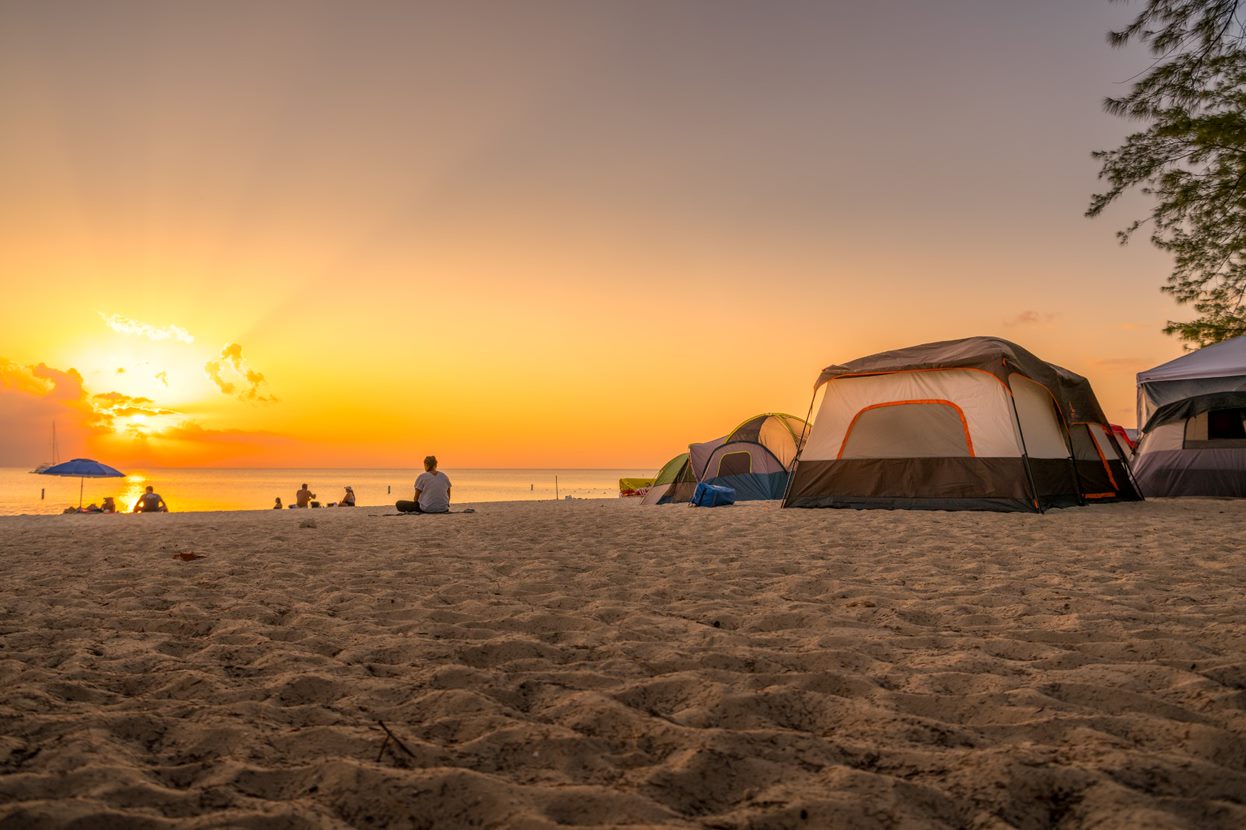
And always, there is the sea. Before tents are fully settled, someone is already thinking about fishing.
A coil of line in a bucket. Sprats or fries for bait. Handlines are still common, though rods are now part of the scene.
From shore, or from small boats just offshore, the line runs through careful fingers, each movement felt, a nibble, a pull, a sudden run. The excitement when something is caught: “You got one?” comes the call, followed by laughter.
Whether it is a snapper, grunt or small jack, the catch is secondary to the moment itself; a connection between sea and hand, and between people, that has shaped Cayman’s identity for generations.
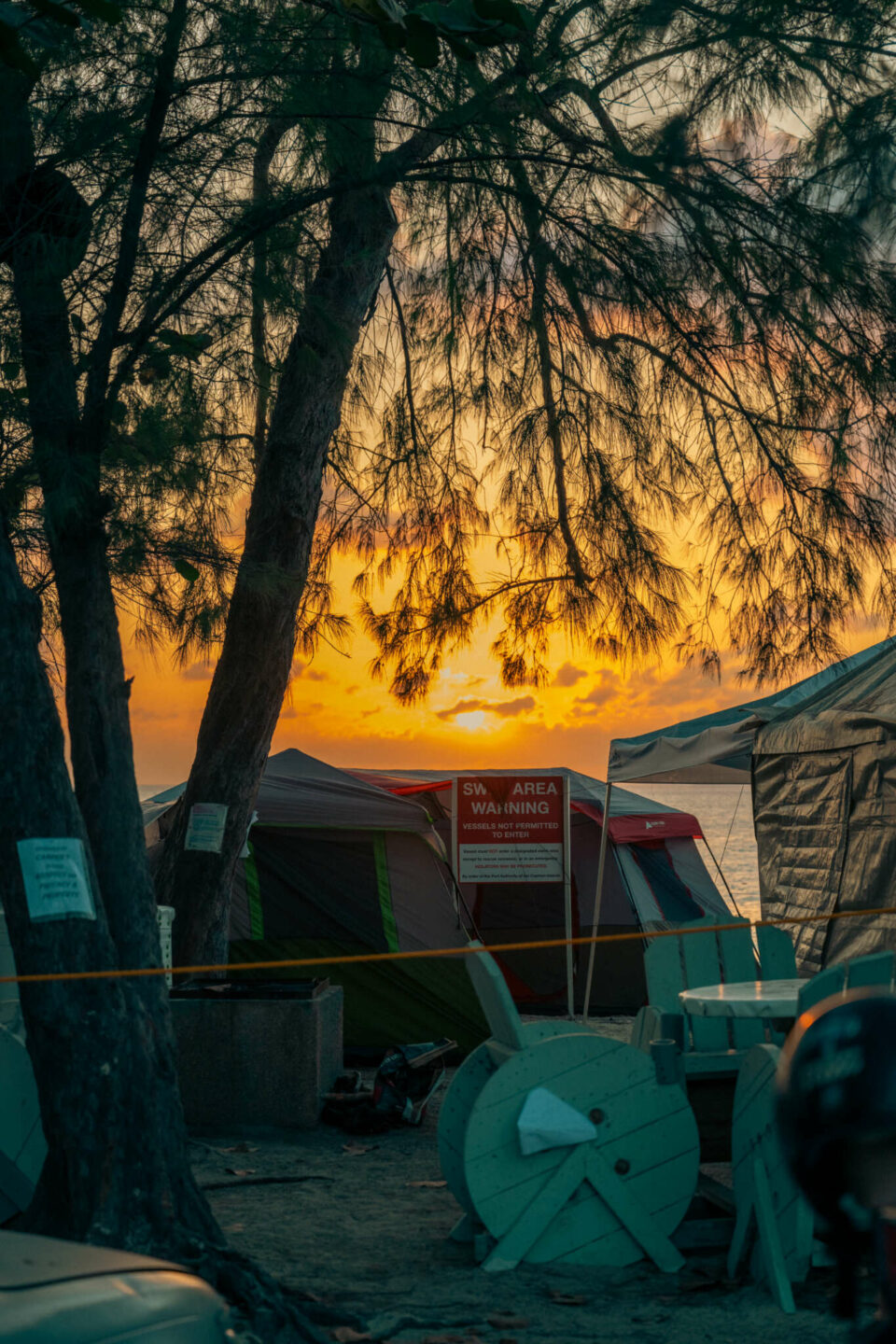
By afternoon, the camps become small, self-contained communities. Under the wide shade of sea grape and casuarina trees, families gather around domino tables. Stories surface easily; of schooners and storms, of fishing trips long past, of catches that grow slightly larger with each retelling.
No one sits alone for long.
As the sun drops, the shoreline shifts again. Lights come on softly across the camps. Conversations deepen. The day’s movement gives way to something slower.
Then night settles. Moonlight stretches across the water. The breeze softens. The sea takes on that steady, breathing rhythm. Along the shoreline, couples walk in the cool sand. Nearby, laughter rises from the camps, stories growing, music drifting lightly across the dark. For many, it is this moment; quiet, open, unstructured that defines the experience.
Despite increasing pressure on land, changing infrastructure and a growing population, the essence of Easter camping remains intact.
It is not ownership of space that matters but belonging. A return, each year, to the edge of the island; to wind, salt, sea and open sky.
In the handline pulled through patient fingers. In the shade where generations have gathered. In the laughter that carries across sand and water. Easter camping, in Cayman, is not simply remembered. It is something that is lived.
Related Videos