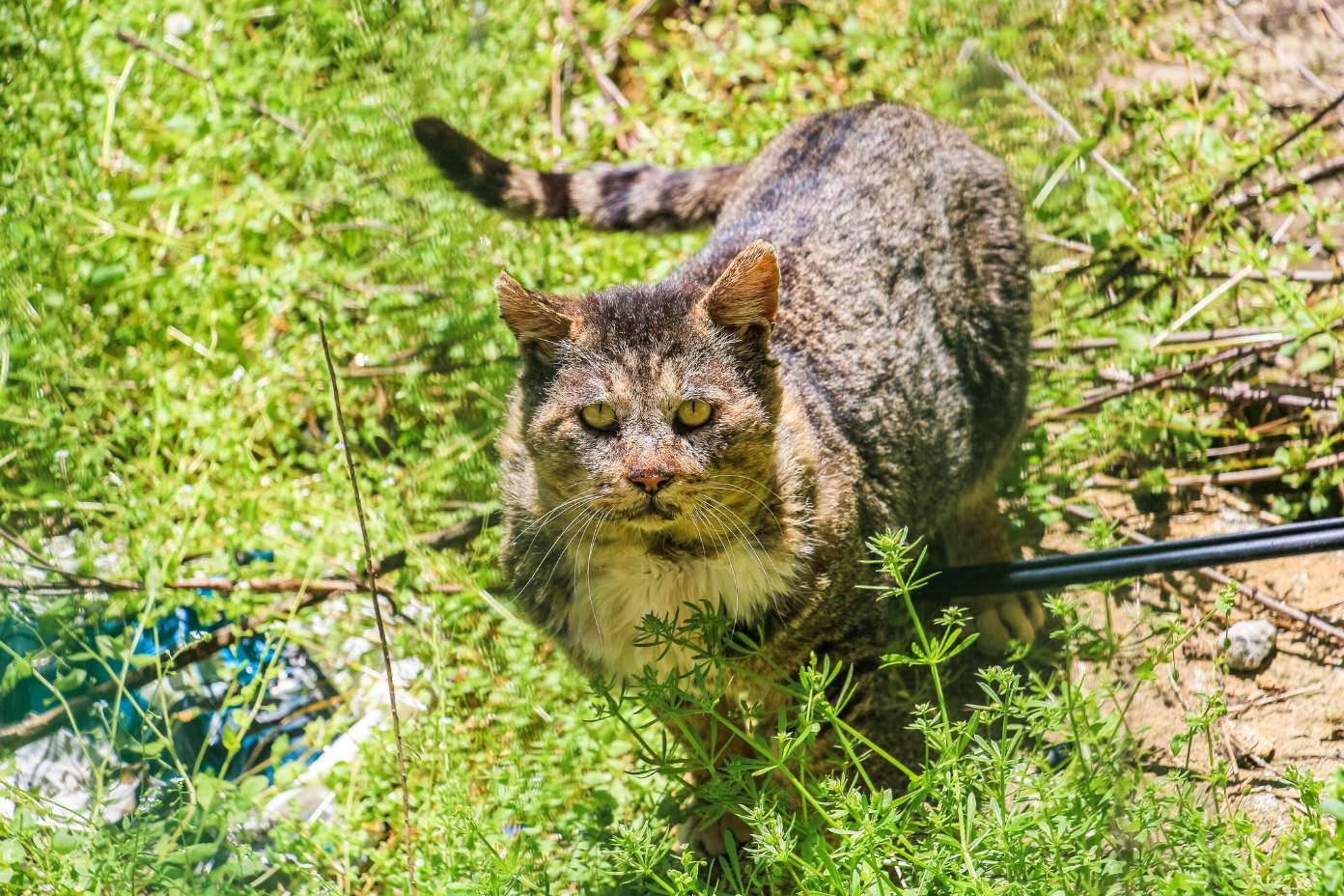
Health and agriculture officials are advising residents to take basic hygiene precautions after toxoplasmosis exposure was detected in several feral cats trapped and tested in West Bay.
The advisory was issued jointly by the Ministry of Health, Environment and Sustainability, the Department of Agriculture and the Public Health Department following findings from ongoing animal health surveillance activities.
The positive test results were identified through the Department of Agriculture’s surveillance programme and reviewed in collaboration with Public Health as part of the Cayman Islands’ One Health approach, which recognises the interconnectedness of human, animal and environmental health.
Officials stressed that the overall risk to the public remains low and said the findings do not indicate a broader public health threat. However, they are urging residents, particularly pregnant women and people with weakened immune systems, to be aware of the infection and take simple steps to reduce their risk of exposure.
What is toxoplasmosis?
Toxoplasmosis is caused by the parasite Toxoplasma gondii.
According to the UK National Health Service, it often causes no symptoms, meaning many people may have been infected without ever realising it. When symptoms do occur, they can resemble the flu and include fever, headache, sore throat, body aches, swollen glands, fatigue and nausea.
In some cases, more serious symptoms can develop, including confusion, blurred vision, slurred speech and difficulty walking. While the infection usually resolves on its own in healthy individuals, it can cause serious health problems with other people.
If contracted during pregnancy, toxoplasmosis can increase the risk of miscarriage or cause complications for an unborn baby. In immunocompromised individuals, the infection can affect the eyes, brain, heart or lungs.
Health officials said toxoplasmosis is not typically acquired simply by seeing, touching or petting a cat. Infection most commonly occurs through contact with contaminated cat faeces or soil, consumption of undercooked meat, or ingestion of contaminated food or water.
Acting Medical Officer of Health Dr. Eryka Simmons said awareness and prevention remain important despite the low overall risk.
“Although the risk to the wider community is currently considered low, toxoplasmosis can pose more serious health concerns for pregnant women and individuals with weakened immune systems,” Simmons said.
“We encourage residents to take simple precautions, including practising good hand hygiene, handling soil and animal waste safely, and following appropriate food safety measures. Staying informed and taking these preventative steps can significantly reduce the risk of infection.”
Government response
Chief Medical Officer Dr. Hilary Wolf said the cross-agency response to the infection has been useful in identifying and managing potential health risks.
“Strong public health systems depend on effective collaboration across sectors,” Wolf said. “This response demonstrates the value of the close partnership between Public Health and the Department of Agriculture in identifying, assessing and managing potential health risks early.”
The Department of Agriculture has increased trapping and monitoring activities in the affected area and continues to work closely with Public Health officials.
Senior Veterinary Officer Dr. Tiffany Chisholm said the findings were not unexpected within unmanaged feral cat populations.
“The Department of Agriculture will continue targeted trapping and surveillance activities in the area and remains committed to supporting efforts that protect both animal and public health,” Chisholm said.
She also encouraged pet owners to maintain routine veterinary care, practise good hygiene when handling animal waste.
Health officials are advising residents to wash their hands thoroughly after gardening, handling soil or coming into contact with animals, and to wear gloves when gardening or cleaning areas that may be contaminated with animal faeces.
Residents are also encouraged to wash fruits and vegetables thoroughly before consumption, cook meat properly, avoid feeding pets raw meat and clean cat litter boxes daily.
Pregnant women and immunocompromised individuals should avoid handling cat litter whenever possible and are encouraged to contact the Public Health Department or consult their healthcare provider if they are concerned about possible exposure.
Officials said surveillance and monitoring efforts will continue through established public health and animal health systems, and updates will be provided if any additional concerns are identified.
“Through ongoing surveillance, information sharing, and coordinated action, we are able to provide timely, evidence-based guidance that protects both human and animal health while maintaining public confidence,” Wolf said.
Related Videos