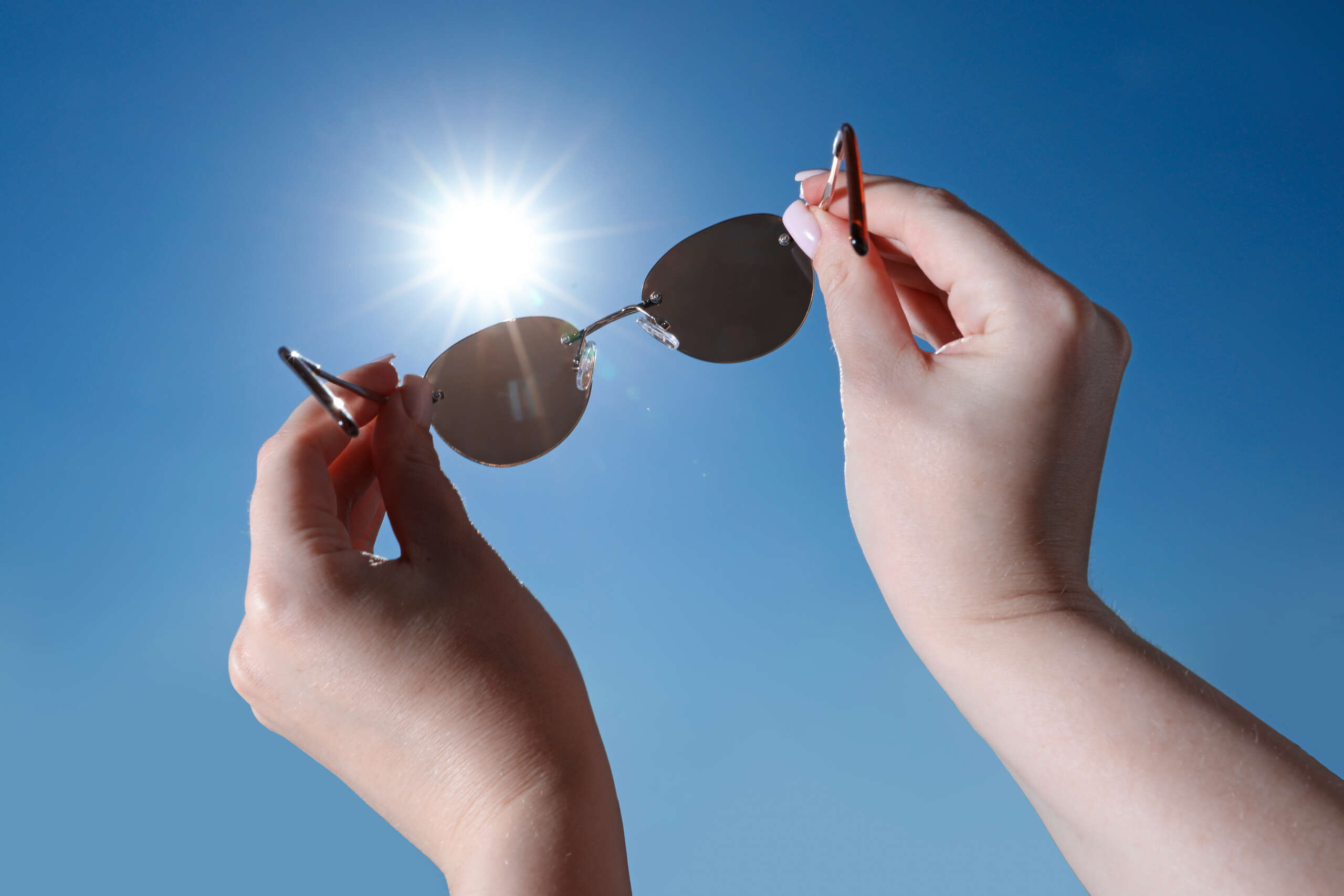
Lying on the beach, looking through your polarised sunglasses at the spectacular contrasting blues of the lapping Caribbean Sea, may sound ideal, but health professionals warn it can be detrimental to your eyes.
Dr. Sahebaan Sethi, consultant ophthalmologist at the Health Services Authority, says prolonged, unprotected exposure to the sun’s ultraviolet, or UV, rays can lead to a number of conditions, including pterygium, also known as ‘surfer’s eye’, which is fleshy growth over the cornea.
“I think, specifically in Cayman, because there is sunshine throughout the year, we’re more outdoors. There’s a reflection, from the white sand, from the sea, so naturally, the sun damage that I see over here is much more than [other] parts of the world,” she said.
UVB rays primarily affect the skin’s surface and are the main cause of sunburns, while UVA rays penetrate deeper into the skin, causing premature aging and wrinkles.
Sethi says exposure to UVB rays can lead to eye irritation and may induce a need for glasses, while UVA rays “actually penetrate inside of your eye and affects early cataract development, and can go to the back of the eye and affect the retina”.
She said it can also impact age-related macular degeneration, as well as lead to solar retinopathy, which she described as an “extremely painful condition”.
“UV rays are a real problem over here, and that is why I like to recommend that 100% UV protection sunglasses is extremely important and mandatory to have. It’s different from polarised glasses,” she said.
She noted that people can get confused over the effectiveness of polarised, or anti-glare, lenses in protecting eyes, and advises that any sunglasses a person chooses should have a UV 400 label, which indicates that they offer 100% UV protection.

Dr. Aditya Sethi, another consultant ophthalmologist at the Health Services Authority who specialises in paediatric eye care, says parents should also be aware of the dangers of UV exposure for their children.
Speaking also on Compass TV’s Daybreak, he said while too much screen time indoors can impact a child’s eye health, potentially leading to myopia, or short-sightedness, and the need for glasses, spending too much time outdoors in the sun can also be unhealthy for kids’ eyes.
“When you overdo that, you can end up with conditions like pterygium tumours … so what we always say is a balance of everything works beautifully,” he said.
He added scientific data indicates that for every two hours of indoor activity, a person should have at least 45 minutes of outdoor sunlight activity.
Related Videos