Drugs drones may have taken to the air in Cayman, the new director of Customs and Border Control has warned.
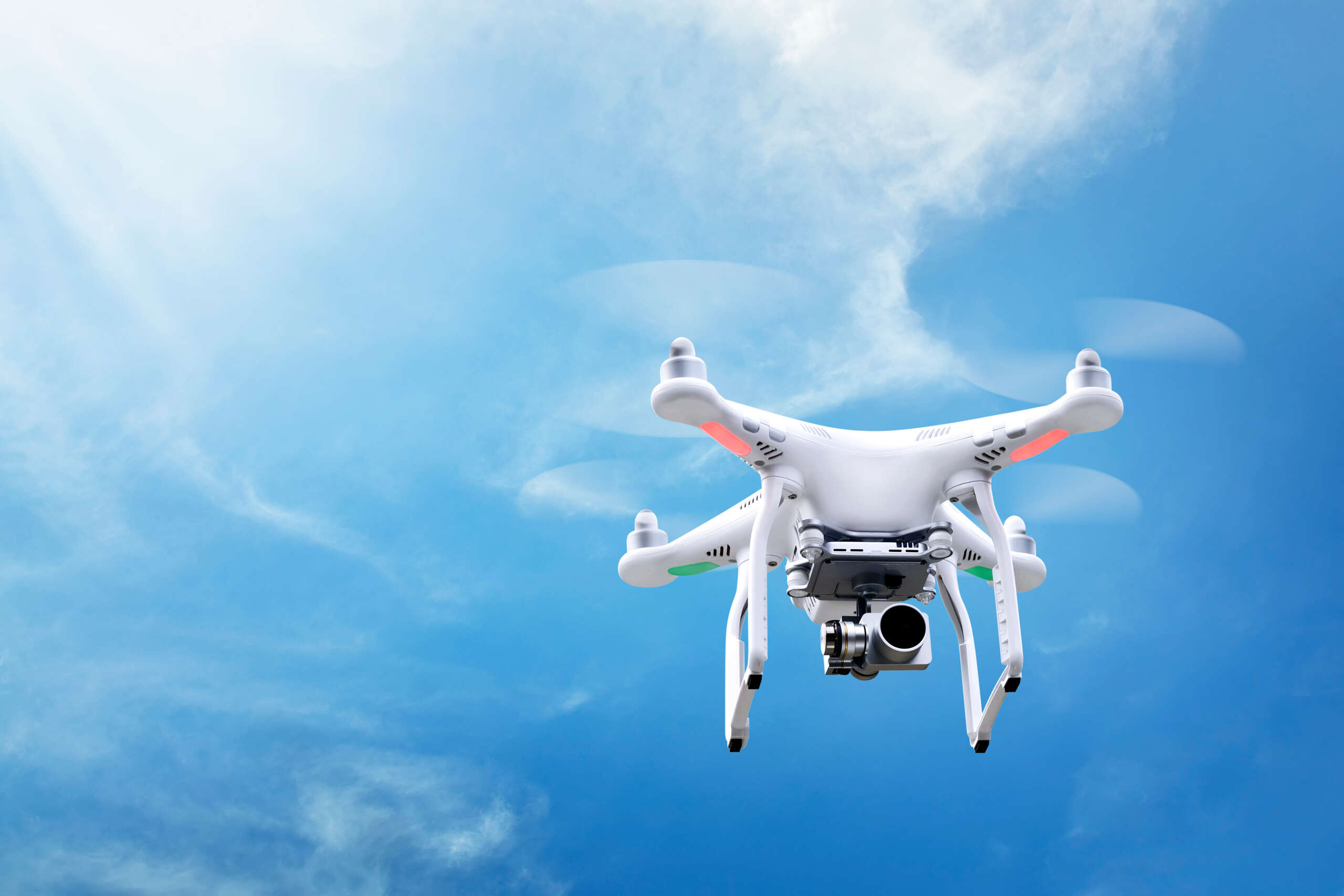
Marlon Bodden, a veteran police officer-turned-customs official, said the service had “received information” that drones were being used as hi-tech mules to transport contraband around Cayman.
“We don’t have any evidence of that, but we have received information that that drones are being used, so that is definitely something that we will look into as an emerging issue and we will take the appropriate action in that regard,” he said.
Bodden added that the service was not aware if the drones were operated to courier contraband around Cayman or if they were used to transport drugs from vessels offshore to land.
“We don’t have any evidence of that, in terms of whether it is transport from one point to the next, but we have received information about it.”
Bodden was speaking on Tuesday, 30 June, just after it was announced he would succeed Bruce Smith as head of the Cayman’ Customs and Border Control.
He noted that the criminal landscape was in constant flux and that offenders had become better organised than ever before and were prepared to exploit advantages offered by the use of technology.
Increased sophistication
“The organised crime groups are far more sophisticated now. In my earlier days, there was just the regular individual that would take a chance – we’d refer to them as mules or whatever,” Bodden said.
“Now, there is more sophistication; they run the networks as a business where they have the hierarchies a little more sophisticated.”
Bodden added, “You have individuals who can use drones and can do deliveries to different individuals rather than use their motor vehicles … so technology has actually changed the way that we have to basically police the national security space, for want of a better description.”
He said the biggest modern threats were from technology, illicit finance using hard-to-trace cryptocurrency and blockchain, and their usage by criminal kingpins.
“That is going to be the largest threat for us – to be able to basically manage that threat; that is where the whole world is headed.”
But Bodden said intelligence-led operations and increased inter-agency and international cooperation were the best ways to combat emerging threats.
“It’s all about intelligence and that’s what the CBC is all about. We intend to drive our products in terms of the justice that we serve – that what we refer to as our products – in terms of intelligence sharing and working with our domestic, international and regional partners,” he said.
“That’s the best way to actually combat any kind of national security threat; you have to work with your partner agencies, you have to train and develop your staff to make them capable, ready and willing to combat the threats happening in today’s world.”
More international travel
Bodden said the global numbers of people travelling by air and by sea was on the increase, so CBC had to harness technology to speed people through arrival processes.
“You have to have technology that will assist you to help to move people through … you’re talking about facilitating legitimate trade and travel,” he said.
Bodden said he believed that collaboration between agencies and jurisdictions was the best way to clamp down on international problems such as drugs, firearms and human trafficking.
“Everyone has a stake in the security of a particular country and we encourage individuals … to work with us, and we work with them as partners because, at the end of the day, we want to contribute to the environment being safe to come into, being safe where we can all live and enjoy our life … not having that fear of crime, for example.”
Related Videos