A highly contagious poultry disease has been confirmed on several farms across Grand Cayman, prompting agriculture officials to step up surveillance and prepare a vaccination and biosecurity campaign aimed at protecting the island’s poultry industry.
Infectious coryza, a bacterial respiratory disease that affects chickens, has been identified on at least three to four commercial farms, infecting approximately 700 birds, as well as impacting Cayman’s feral chicken population and some backyard farms that are not registered with the Department of Agriculture.
While the disease poses no risk to humans and does not make eggs or poultry meat unsafe to eat, officials say it can cause significant financial losses for farmers by reducing egg production, increasing mortality and leaving recovered birds as lifelong carriers.
Poultry extension officer Anthony Bailey said cases were identified in several districts, including East End and Bodden Town, after farmers reported swollen faces, breathing difficulties and falling egg production.
The Department of Agriculture first began investigations around February, after a farmer contacted Bailey about birds with swollen eyes and unexplained deaths.
He said farmers had previously reported seeing the disease on-island, but the recent prevalence appears to be unusual.
“It’s not the first. It’s just the prevalence of it that’s a problem,” he said. “They have never seen it this much before or so prevalent among the poultry population.”
Samples collected from affected birds were sent overseas for molecular testing and returned positive for the respiratory disease.
What is infectious coryza?
Infectious coryza is a highly contagious, acute respiratory disease of chickens caused by the bacterium Avibacterium paragallinarum.
University of Florida avian pathology professor Dr. Gary Butcher, who is a visiting consultant with the Cayman Islands Department of Agriculture, said laboratory testing was essential because several poultry diseases can cause similar symptoms.
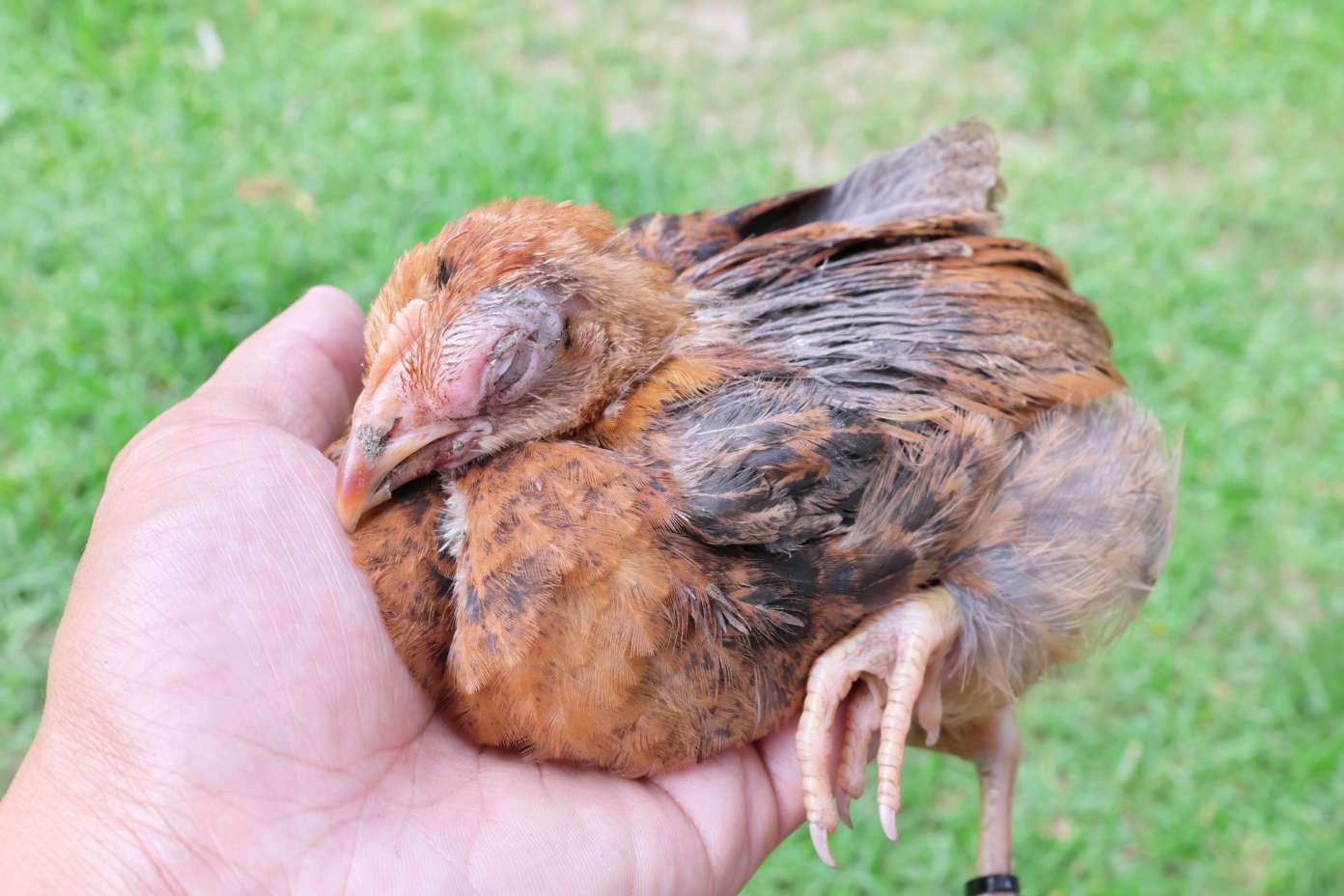
Those symptoms include swelling around and beneath the eyes, inflammation of the face and wattles, nasal discharge, sneezing, coughing and a distinctive crackling sound as birds struggle to breathe.
In severe cases, mucus can build up around the nostrils and harden on the beak, while affected chickens may stop eating, become lethargic and experience secondary infections as their immune systems weaken.
One backyard farmer told the Compass she initially believed a feral chicken with a severely swollen eye was suffering from fowl pox, a mosquito-borne viral illness that can cause lesions around a bird’s face.
She cleaned the eye with saline solution after noticing a small lump, but the swelling continued to worsen over the following two weeks.
The chicken continued eating and drinking and remained active but died the day after the farmer contacted the Department of Agriculture.
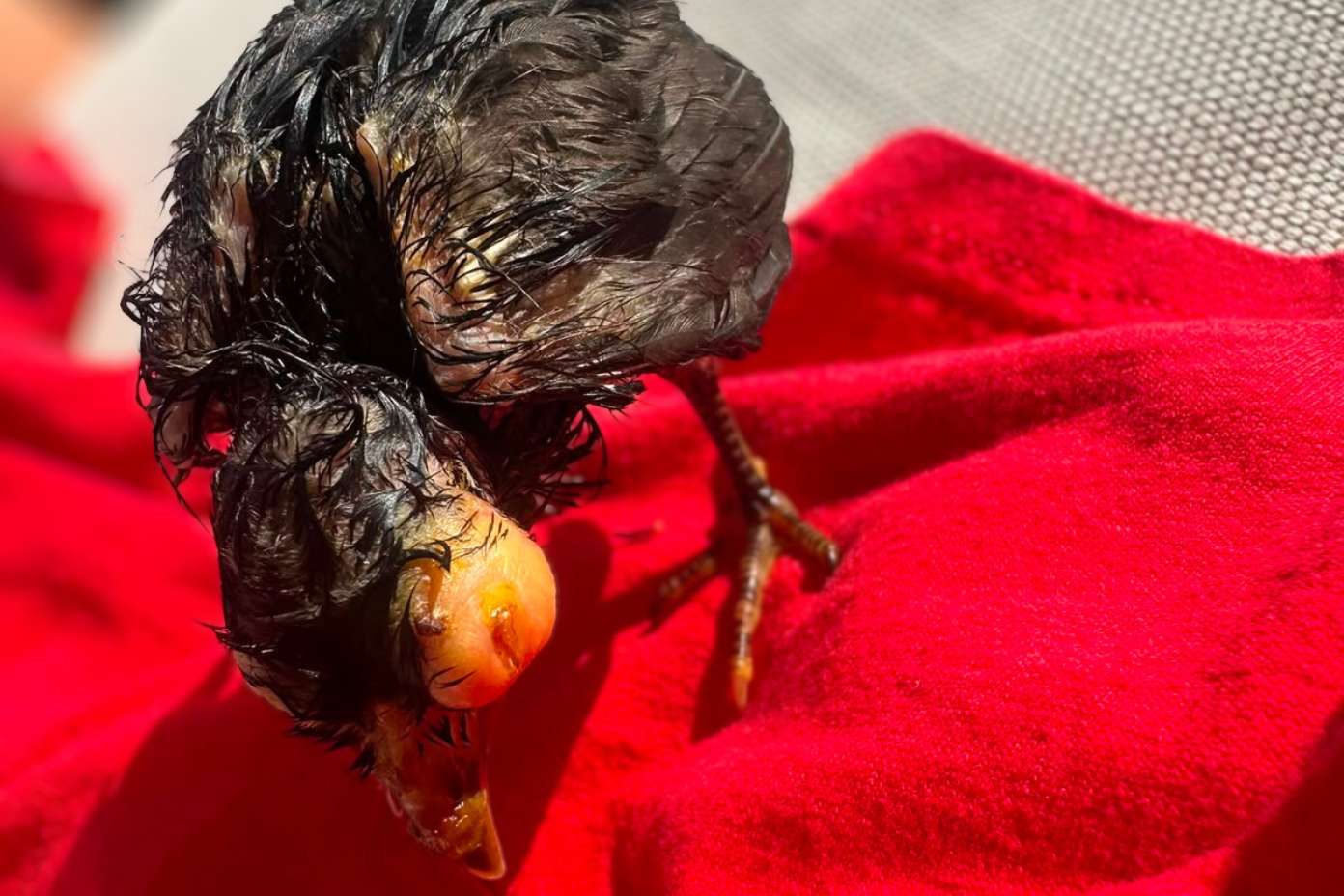
Agriculture officers collected samples from the dead bird and conducted examinations on other sick and dying birds after visiting affected farms as part of the ongoing investigation.
“We found lesions that were consistent with infectious coryza,” Butcher said. “You really can’t make a diagnosis of a disease just by fieldwork. You have to take samples and send them to laboratories.”
Those tests confirmed the presence of the organism.
A highly infectious disease
Infectious coryza can spread rapidly within a flock through direct contact, respiratory secretions and contaminated feed or drinking water.
People, vehicles, footwear and farm equipment are believed to be the most likely means of moving the bacteria between farms. Butcher said the organism was unlikely to travel long distances through the air between farms.
“In 99% of the cases, it’s going to be people, their vehicles or their equipment that they’re moving from farm to farm,” he said.
Bailey said farmers should use separate shoes for poultry houses, install disinfectant foot baths, wash their hands between handling different groups of birds and thoroughly clean tools and equipment.
Farmers with multiple poultry houses should avoid wearing the same footwear or clothing in each building, particularly if illness has been detected in one flock.
Visitors who own or handle chickens should also be kept away from commercial poultry houses.
What is being done?
Although the infection has spread to several farms, Butcher said the disease should be manageable through a combination of antibiotics, vaccination, quarantine and stronger biosecurity.
Affected flocks have been treated with antibiotics to reduce illness, mortality and the amount of bacteria shed into the environment.
While treatment can help restore egg production, it does not eliminate the infection from a bird’s body. “Once a chicken becomes infected, it becomes infected for life,” Butcher said.
The current plan is to treat and vaccinate affected flocks, strengthen quarantine procedures and gradually eliminate the disease as older birds are replaced.
Bailey said approximately 10 young birds were culled on one smaller farm to prevent the infection from reaching its older, more productive hens. Several feral chickens showing signs of the disease have also been culled for testing and to reduce the risk of spread.
Other infected commercial flocks have been treated rather than destroyed and one affected farmer nursed a flock of approximately 500 laying hens through the illness.
Butcher said officials hope the disease can be eradicated, eventually removing the need for routine antibiotics and vaccination.
“I’m not really too concerned about this disease as far as affecting the poultry industry when we get this plan of action running,” he said. “It won’t have any effect on the food safety or food quality coming from these chickens, both meat or eggs.”
The bacterium has one important weakness. It is extremely fragile once it leaves the body of a chicken and does not survive for long in heat or direct sunlight. Butcher said an emptied poultry house can become free of the organism within several days, particularly when combined with proper cleaning and disinfection.
“We can live along with this, maintain pretty good performance and health of the birds, and then get rid of it in time,” he said.
Related Videos