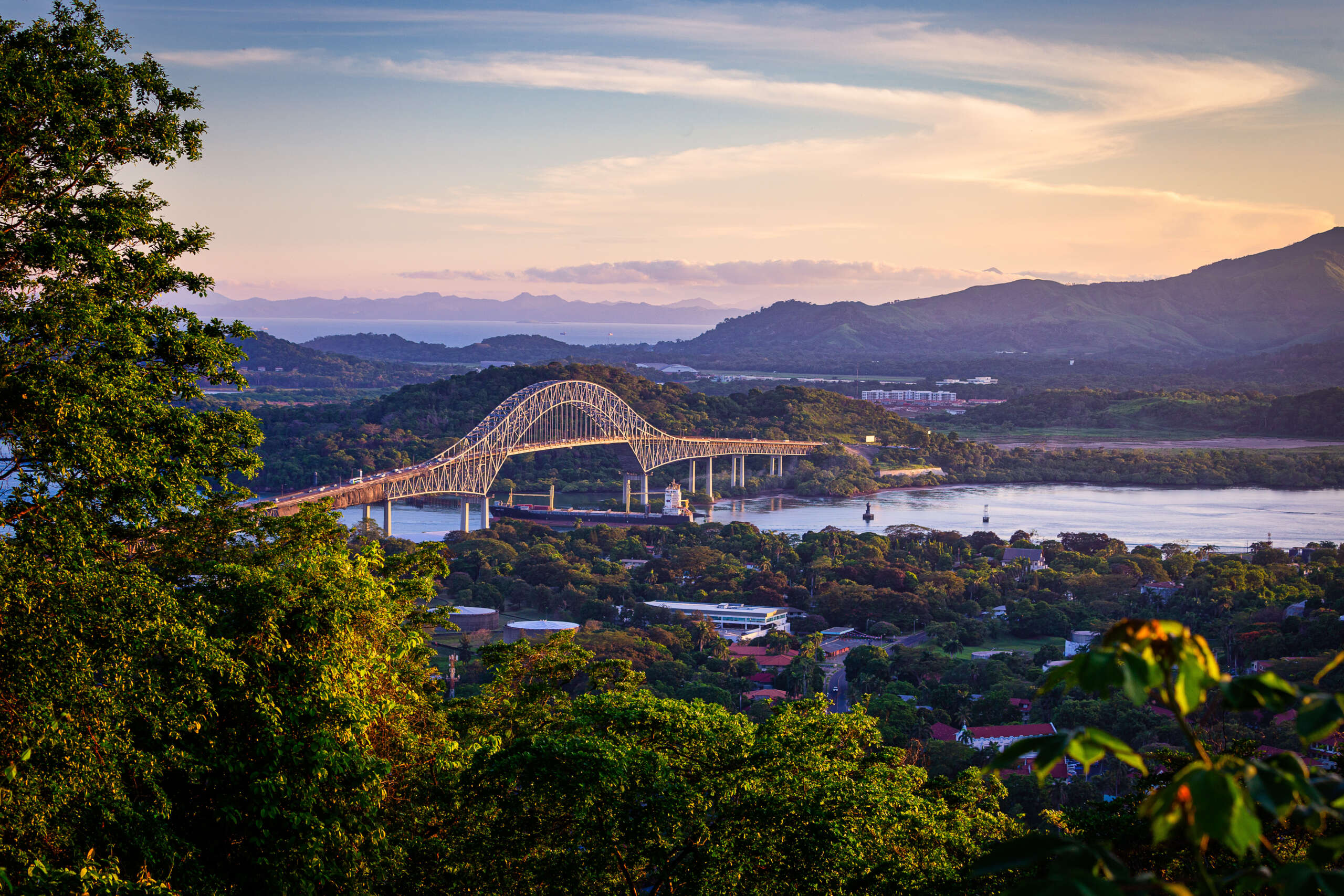
Panama might be 8,000 miles from Iran, but the Central American nation has emerged as one of the surprise winners of the latest conflict in the Middle East. The latest numbers show that fiscal 2026 revenues from the Panama Canal are set to beat the forecasts of US$5.2 billion.
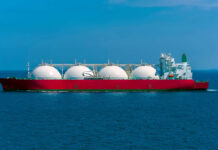
The disruption of the Strait of Hormuz has upended global energy trade routes and pushed Asian buyers to buy liquefied natural gas from the US. And that’s creating extra business for the Panama Canal.
“Before the Strait of Hormuz closed, a lot of the energy coming out of the US East Coast was going to Europe,” Bloomberg Central America correspondent Michael D McDonald told Compass TV’s Signal business show. “Asia used to be buying from Qatar, but now it’s sourcing through the US and that energy has to go through the canal.”
The high value of the cargo means that energy traders and customers are willing to pay extra to get the LNG to market quickly. In a Bloomberg article, McDonald noted that, in April, one ship paid an extra US$4 million to jump to the front of the Panama Canal queue.
Noting that Asian buyers are currently prepared to outbid rivals in Europe, McDonald predicted that the Panama Canal would continue to benefit as long as passage through the Strait of Hormuz remained uncertain.
Geopolitical costs
Panama’s status as one of the world’s most important logistics nodes has fuelled economic growth since it took over control of the canal by agreement with the US in 1999. The Central American nation has invested billions of dollars in expanding the strategic waterway, which has allowed it to benefit from global economic trends.
The emergence of the US East Coast as a major energy exporter was a powerful driver of increased canal traffic. Another positive impact came from China’s rise as a trade superpower, which led to a greater flow of non-energy goods between Asia and the US East Coast.
But not every geopolitical event has favoured the canal. For example, the Russian invasion of Ukraine in 2022 forced European countries to buy LNG from the US, which reduced energy flow through the canal.
Moreover, China’s dominance of world trade led it to invest heavily in Panama. This caused friction with the US, which has maintained a strong interest in Panama since building the canal in the early 20th century.
In February, Panama took control of two ports owned by a subsidiary of Hong Kong-based CK Hutchison. Many analysts believed US pressure was behind the decision. On 15 July, the Financial Times reported that China responded by increasing detentions of Panama-flagged vessels. The Chinese pressure has resulted in hundreds of vessels leaving Panama’s shipping registry since March.
Related Videos