The first sea turtle to be fitted with a satellite transmitter for the 2005 season by the Department of Environment has a name – Caytraveler.
The name was submitted to the DOE by nine-year-old Jelani McLean. He chose the name because Cayman has long been known for sea turtles and although they travel long distances they still come back home to these islands to lay their eggs, said a DOE press release.
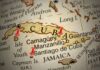
True to her name Caytraveler has reached the coast of Central America and seems to have taken up residence in Belize.
Caytraveler was the first of three green sea turtles that were fitted by the DOE with satellite transmitters during the 2005 nesting season.
Unlike the wild green turtles previously tracked by the DOE Caytraveler was released from the Cayman Turtle Farm as a yearling in 1988 and marked with a living tag. During the 2005 nesting season the Department of Environment recorded her nesting a total of six times, the release said.
This was the third year that the Department has tagged sea turtles with satellite transmitters. The programme allows scientists to gather valuable information about the migratory patterns of sea turtles.
Sea turtles are nomadic animals. Once baby turtles hatch from the beaches of the Cayman Islands they migrate to feeding grounds throughout the Caribbean. Each summer adult turtles return to the Islands to lay their eggs.
Adult female turtles do not nest every year, but when they do they will often nest up to six times. Each nest will contain between 100 and 150 eggs. However, less than one in 1,000 of these baby turtles survive to adulthood so it is critical to protect endangered sea turtles, the release said.
The journeys of all the sea turtles can be seen by logging on to www.seaturtle.org/tracking/Cayman.
The Department thanked volunteers who helped during the 2005 nesting season as well as the sponsors of the three satellite transmitters: Caytraveler (sponsored by the Marine Turtle Research Group, under the Turtles in the UK Caribbean Overseas Territories project); Pearl (sponsored by the Tom Richardson family); and Rogest (sponsored by Dive Tech’s Kids Sea Camp Outreach Program and DOE).
FYI
The 2005 nesting season has come to an end in the Cayman Islands. For the next few months the eggs that were laid will hatch and hatchlings will make their way to the sea and begin their journey. To help hatchlings out the Department of Environment asks that lighting be kept off the beach and any signs of hatching be reported to the DOE at 949-8469 or 926-6147.
Related Videos