No improvement necessary for Cayman’s cholera preparedness
A disaster response team from the Pan-American Health Organisation has given the thumbs up to Cayman’s cholera preparedness.
The three-member delegation, led by Dr. Robert Lee, were visiting Cayman as part of a project sponsored by the UK government’s Department for International Development to help overseas territories prepare for cholera outbreaks.
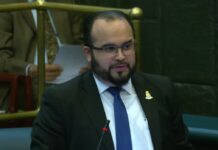
Dr. Lee told Cayman Health Minister Mark Scotland: “The Cayman surveillance system is unique in the Americas… I can’t think of any way to improve it.”
Other members of the team included Dr. Frederique Marodon and Yvan Grayel of the Department for International Development.
“The Cayman Islands has a low probability of the introduction and a relatively low probability of transmission of cholera,” said Dr. Lee.
“It’s good to see confirmation that your systems are well-developed. In the event of a few cases, your hospital can manage them, as it is designed with great flexibility – which is also unique in the region,” he added.
Cholera is usually contracted by eating or drinking contaminated water or food and results in profuse watery diarrhoea and vomiting.
Assessing risk
The visiting PAHO team gave advice on assessing risks posed to residents from poor water supply, discharge and sanitation; as well as the need for closer monitoring of ground-water tables where bacterial contamination can occur.
The team was prompted to visit Cayman and other Caribbean countries by the recent cholera outbreak in Haiti which has sickened more than 400,000 people and killed about 6,000 since it was first detected more than a year ago.
Cases there now seem to be declining, but neighbouring Dominican Republic has recently seen a spike in cholera following the summer rains.
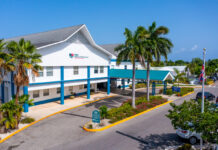
The PAHO visitors toured the Cayman Islands Hospital, examined plans involving other agencies, and met with senior officials and Health Services Authority staff, including the Cholera Response Team.
Cholera case management training was conducted for about 45 members of a multidisciplinary team in Cayman.
A local monitoring system for cholera is in place and there is close collaboration with the Cayman Water Authority and the Department of Environmental Health.
However, although Dr. Marodon said the “Cayman’s medical personnel are very motivated, trained, and familiar with dealing with such an emergency”, he cautioned that management of water supplies and waste-water are key considerations in this disease.
Related Videos