The National Trust has purchased 10 acres of wetlands known as The Marshes in Cayman Brac in a bid to protect some of the last remaining wetlands on the island.
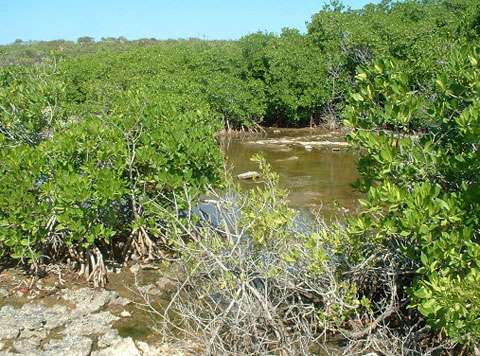
A series of herbaceous and woody wetlands, The Marshes is home to a variety of plant species and wildlife.
The Cayman Brac District Committee of the National Trust sought to permanently protect The Marshes to make up for the loss of the only remaining animal sanctuary on Cayman Brac – the Salt Water Pond.
In 2012, legislators voted to amend the Animals Law, de-gazetting the Salt Water Pond, also known as Dennis Point Pond, as an animal sanctuary.
The move was done to combat concerns about the odor from the pond beside the Alexander Hotel, which closed on June 15. The owners, the Dilbert family, said they closed the hotel because their plans to deal with the smell from the pond and build a marina at the site had been stymied by government. The Department of Environment had recommended that the Dilberts’ plan be refused, saying it was “demonstrably damaging to the environment.”
“Ponds are low-lying areas, where all of the rainwater will drain into the pond, which leads to a very nutrient-rich environment that can lead to bad smells,” said Paul Watler, environmental programs manager of the National Trust.
Estelle Stilling, chairman of the Cayman Brac District Committee, said the hope is that The Marshes, between South Side West Road and the Bluff, opposite the public beach, will become a nature reserve.
“We need to try to identify what bird species are there, and plant species, and basically we plan to leave it as untouched as possible,” she said.
Mr. Watler said, “In the wet season, you will see several smaller ponds, and in the dry season there will still be quite a lot of provisioning for water birds, lots of crabs, as well as lots of smaller invertebrates that the birds will be eating or foraging on.
“There’s not a lot of wetlands for Cayman Brac to begin with, which means just a little protection will support every water bird on the list that’s ever been recorded there.”
Some waterbirds commonly found in Cayman Brac include the West Indian Whistling Duck, Black-necked Stilt, Brown Booby, Belted Kingfisher and a variety of herons and egrets.
According to the National Trust, the habitat harbors a wide range of local plant life, including the buttonwood and red mangrove.
Ms. Stilling said The Marshes site is crucial to the water population because they stay wet “even in the driest times of year.”
The Marshes area is also home to species of crabs and shrimps not likely to be found elsewhere on the island, said Mr. Watler.
He said there had been several sightings of the red shrimp, an unrecorded species of shrimp, at the Red Shrimp Hole site near The Marshes.
“We are hoping we can get a record of [the red shrimp], but we will have to do some different investigations, but it is a possibility that we are crossing our fingers for,” said Mr. Watler.
He said while no solid plans had been set yet, the Trust has been in discussions about installing a viewing deck for bird watching enthusiasts.
He added that the Trust is likely to send a team to remove some of the invasive species of plants and replace them with native plants.
Trust officials said the land was acquired through funds from the Trust’s Land Reserve Fund donors and money raised by Brac District Committee members.
“We’re quite pleased about it … we would like to acquire more land to enlarge that area, but this is a very good start,” said Ms. Stilling.


Related Videos