While countries have already flagged cases of the new variant of the COVID-19 virus, there is no way locally for Cayman to determine whether recent positive patients have the new strain.
Chief Medical Officer Dr. John Lee confirmed Wednesday evening that the type of testing needed to determine the exact strain of the virus is not available here.
“Cayman does not currently have gene sequencing technology although we are looking into this, which will have widespread applications not only in monitoring infectious disease outbreaks (including Covid-19, dengue and Zika), but also in the field of cancer management,” he said in a written statement.
Cases of the new strain have been reported in California and Colorado. So far, cases have been found in the United Kingdom, South Africa and Denmark, among other countries.
Lee said while determining the genetic breakdown of the positives flagged in Cayman cannot be done on island, officials are keeping a close eye on developments with the variant, and assured that local protocols offer protection against the spread of the virus.
“All of us are also watching carefully the development of new strains of this coronavirus, especially those that are more infectious. Cayman Islands protocols are very stringent in both our length of quarantine and the monitoring systems we employ for those in quarantine,” Lee said.
Cayman, Lee told the Cayman Compass, is testing for all strains using PCR; “we just do not currently do the sophisticated gene sequencing to determine which strain it is when the test is positive.”
All Cayman’s PCR tests will correctly identify the new strains of SARS-CoV-2 as positive cases, he explained.
“If Cayman decided to, we are able to send samples to CARPHA, the UK and elsewhere to be gene sequenced to determine the variants present. The turnaround for samples sent to overseas laboratories is usually measured in weeks not days, especially for specialised work such as this,” he pointed out.
Lee also welcomed Wednesday’s approval, in the UK, of the AstraZeneca vaccine for the coronavirus.
“It is amazing news that yet another vaccine has been approved for our fight against SARS-CoV-2, with the announcement from the UK’s Medicines and Healthcare products Regulatory Agency today. This new vaccine is a viral vector vaccine, which works in a different way than the previously approved PfizerBioNTech and Moderna messenger RNA (or mRNA) vaccines,” he said.
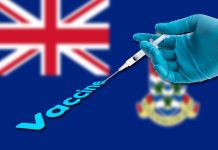
Next Tuesday, Cayman will receive its first batch of the Pfizer vaccine on the next British Airways flight. Governor Martyn Roper said the supplies will be enough to inoculate 5,000 people.
A viral vector vaccine, Lee explained, uses another non-replicating virus to deliver SARS-CoV-2 genes, in the form of DNA, into human cells where viral proteins are produced to induce protective immune responses.
Unlike the Pfizer vaccine, which is currently being administered in the UK and US, the AstraZeneca doses are stored at normal fridge temperatures (2 to 8 degrees Celsius) “which means it will be much easier to store and transport to the more remote parts of the world”.
Similar to the Pfizer vaccine, the new vaccine will be delivered in two doses, but AstraZeneca’s second dose is administered 12 weeks after the first. In Pfizer’s case, the second dose is done 21 days after the first.
“As a really important part of the fight against COVID-19 disease, this vaccine, which was developed by both Oxford University and the drug company AstraZeneca, will be provided at cost to developing nations in perpetuity. This condition was insisted upon by Oxford University,” Lee added.
At somewhere around US$3-4, he said, this price makes it far more affordable than the mRNA vaccines which cost around 10 times this amount.
”This will mean that better access to all people of the world, and therefore a better chance of us keeping the threat of COVID-19 at bay,” he added.
As for the Cayman Islands, Lee said, the greater the availability of vaccines, the quicker the islands will be able to get the most vulnerable protected by vaccination and “move onto a surer footing in reopening our borders”.
Related Videos