James Blair Ebanks began experimenting with cigarettes in his teenage years, but that seemingly innocent act of exploration led him down a road of addiction that has taken him decades of struggle to overcome.
“I started using the cigarette… then I was a juvenile and I start to use ganja and cocaine and what really led me to use the heavy part of drugs… my mother’s death. All of this just became a part of my addiction, losing someone that I really care for,” the 56-year-old said as he sat down the Cayman Compass to share his struggle with addiction, which he has been able to conquer with the help of the Bridge Foundation.
For the past decade, the foundation – a residential halfway house in West Bay – has been helping individuals like Ebanks not only to recover from addiction, but also to get back on their feet with employment.
Fighting addition takes will
On 31 May, Cayman joined with other countries to mark World No Tobacco Day, an occasion aimed at fighting the tobacco epidemic. This year’s theme is ‘Commit to Quit’ and in her message to mark the day, Health and Wellness Minister Sabrina Turner commended the success of smoking-cessation programmes.
She also committed support to those initiatives, adding that the Public Health Department will begin work in the near future to implement a smoking cessation ‘quitline’ which “will be the first of its kind in the Cayman Islands.”
Tobacco products, it has been argued, are considered gateway drugs, which Ebanks experienced firsthand. Many addicts are also smokers.
However, today the West Bay resident is on a path to mending familial fences once damaged by his addiction. He is living a drug-free life which he achieved through the helping hands at the Bridge Foundation.
“I promised myself… I promised them [the team at Bridge] and I promised my family I would make that change and for me to be able to make that change, I have to be able to be around people that are willing to work with me… [I]t’s a great opportunity to be able to know that I can be able to say what I have to say because my mind is clear and I am not on drugs no more,” Ebanks said.
Support an important factor
He said he was thankful that he got the opportunity to work with the Bridge Foundation.
Emma Powell, who also came through Bridge and is now a director of the foundation, said her struggle with addiction was not easy, but she was motivated to do better – not just for herself but for her family.
She said she does not handle grief well and it was the loss of her aunt, who was like her mother in 2007, which triggered her addiction, leading to her spending time in and out of rehab programmes.
Powell, who struggled with marijuana addiction, said after being clean for five years and nine months, she relapsed.
“I relapsed because I didn’t have a programme. I didn’t have that security blanket. I was white knuckling it on my own and then I was out there for probably about three or four months when it got to the place where it was so bad for me mentally that I was bargaining with God every night, not praying… bargaining ‘God do this and I’ll do this, or I won’t do this, that kind of thing,’” she said.
Powell said she prayed hard and committed to kicking her addiction because she realised she was just as bad then as she was back when she first started using drugs in 2007.
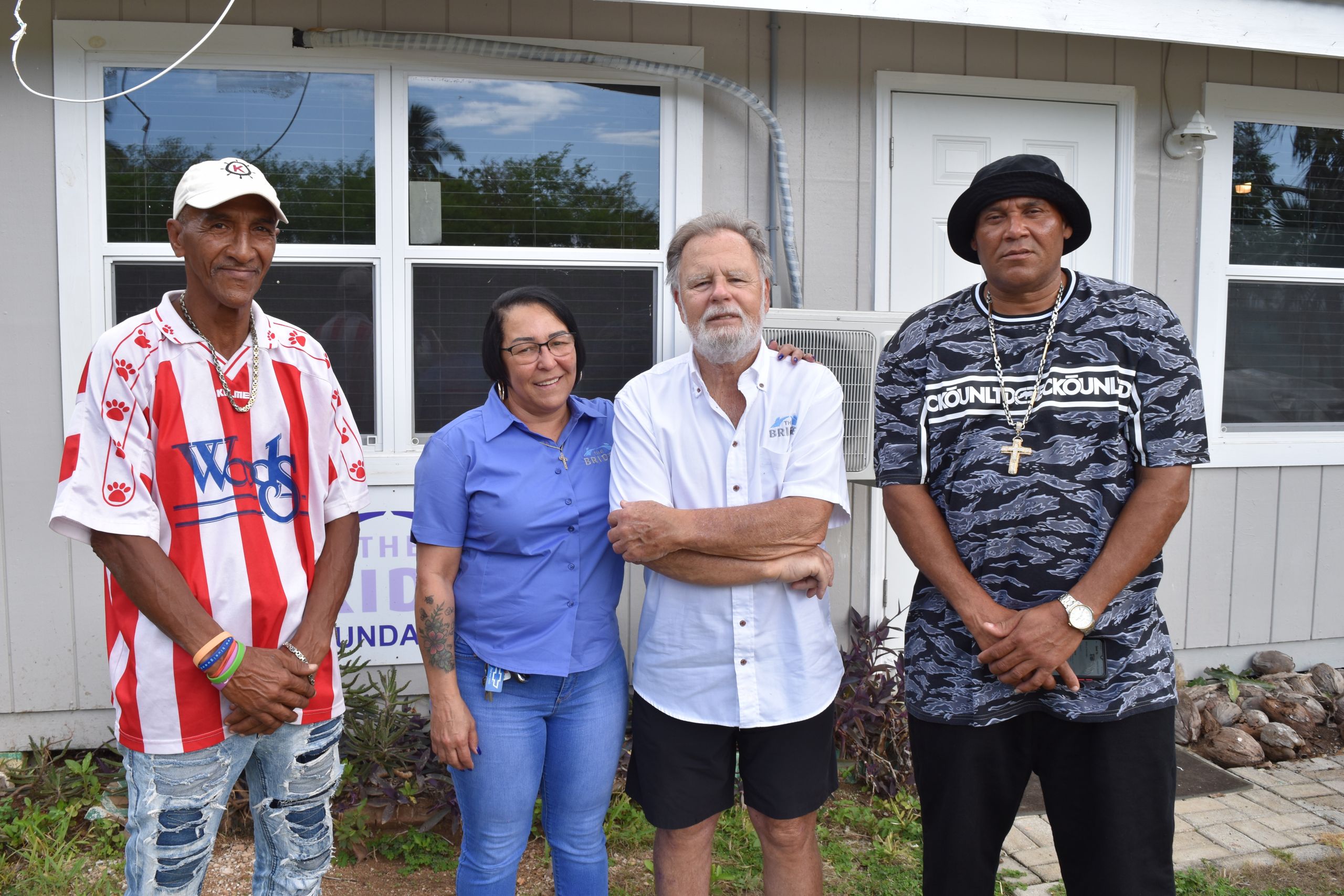
She praised Bridge Foundation Executive Director Bud Volinsky and his wife for their support, which encouraged her to pursue a career with the halfway house.
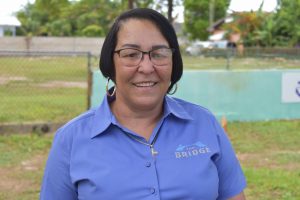
“I’d become his administrative assistant and I’m still his administrative assistant,” she said, adding that the faith Volinsky had in her made a world of difference.
“He believed in me when I didn’t believe in myself anymore and he saw things in me that I couldn’t see… No matter how deep I searched, I didn’t see those things anymore. I felt really hopeless. Working with them on a daily basis and working with the other players in the programme really gave me a substantial foundation for my recovery,” she said.
Volinsky said he was proud of the work those who came through the Bridge Foundation have done over the last ten years and he is looking forward to the future.
“We keep a real low profile. We’re doing a lot of good work, but we have to consider the anonymity of our clients and the work that we do. But we are taking a campaign now out to the public to see if we can raise awareness about the Bridge Foundation,” he said.
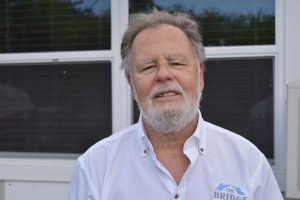
He said the foundation operates a halfway house with accommodation for seven men and there is space for women.
“We put 38 men and women combined through our programme with a successful transition rate of 38%. That means when you leave here completing all of our programme requirements and you’re sober and clean and in safe housing,” he said.
However, he said doing the work they do requires financial support.
At this time, he said residents transition to work at Beacon Farms, a sister programme in East End, but he said the foundation needs more community support to help those who need a hand in getting back on track.
“They get paid a good wage for starters, they get trained in agricultural studies. It’s just a fantastic leap up and we’ve had much greater success of keeping people clean and sober. Those clients that have graduated up to Beacon. So it’s good to have that association… they do a pretty good job raising money and we haven’t done enough to try to do that,” he added.
To learn more visit www.thebridgefoundationcayman.org or call 345-926-4053.
Related Videos