


Water laps against the stone steps of the Marriott Beach Resort. Visitors can sit and dangle their toes in the clear blue water. But the beach, that gives the resort its name, is conspicuous by its absence.
A floating trampoline is anchored around 30 yards offshore.
“That’s about where the coastline used to be,” says hotel manager Hermes Cuello.
Over the years, storms have seen the beach erode and accrete in this area of Seven Mile Beach. But it has been almost three years since there was even a sliver of sand in front of the resort and, without intervention, the hotel fears the beach will not come back.
Cuello said the resort had removed all images from its website and TripAdvisor page that showed a beach and was advising customers of the situation in advance to avoid false expectations.
“Obviously our guests respond negatively,” he said.
“We have seen an erosion in bookings as a result of this.”
He believes fixing the problem is important for the country – not just for the resort.
“It is an island issue because we have also lost the beach in some of the main condos and clubs along Seven Mile.
“The beach is gone by Coral Beach, it is gone by Royal Palms. When the tourists come back, where are they going to go?”
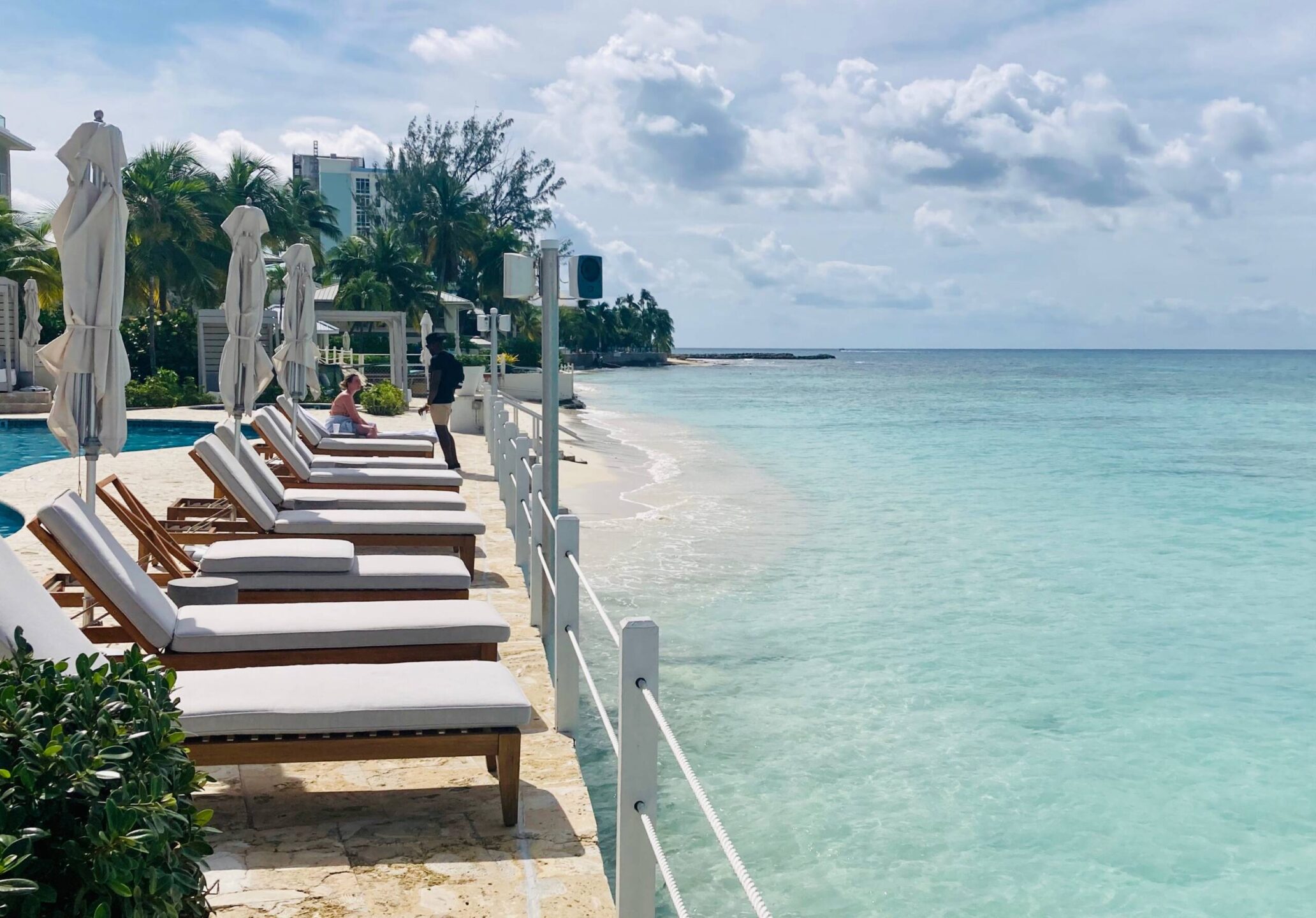
Cuello, who is relatively new to the resort, acknowledged the argument that it had been built too close to the water. But he said the Marriott, like many of the neighbouring properties, had been constructed more than 30 years ago, in accordance with planning protocols at the time, when there was significantly more beachfront at the location.
He said the problem was much bigger than the Marriott.
“You are talking about a mile of beachfront (that has been impacted in both directions) – all the way to Dart’s house.”
He said the Marriott had proposed solutions in the past that had been rejected. But the hotel is encouraged that government is now considering a re-nourishment project.
Related Videos








Same problem as most tourist locations in the world. In Phuket (Thailand) and many Islands across Philippines and Indoneisa (specifically Gilli T) the government came in with bulldozers and removed every structure beachside of the roads.
In Phuket this saw a scrawny scrap of beach transformed in a beautiful playa almost 50yards deep and looks stunning from the coast road. A walking boulevard was built alongside the beach and has a similar open feel to Spanish resorts.
Nobody believed that the Phuket or Gili authorities would actually do it. Consequently, as the bulldozers ripped through the buildings staff at the other end of the stretch were loading trucks with equipment whilst tourists wandered the streets with suitcases!
The reasoning is simple: artificial, permanent structures impact the natural succession and dune systems of the beach creating wave reflection and consequential increases in erosion and long shore drift.
Removing the structures sees the beach return to a more natural state.
If Cayman demolished all the resorts and condos within 50 yards of the high water line (they’re mostly foreign owned anyway, Cayman for Caymanians, right?) Then you’d have an epic waterfront within a few years!
Thank you for sharing this.
If we could make and stick by that decision…environment over development?
Since it a problem for everyone, I’m of the high expectation that the $40M cost of the “renourishment” plan will be equally split between the Government and the number condo/hotel complexes affected and then another press release: ‘private and public sector partnering equally to remedy beach erosion caused by greed and disregard for nature, cost it what it will’.