The Royal Cayman Islands Police Service has issued a personal safety advisory urging anyone who thinks they may have been a victim of drink spiking to report the incident.
It comes as reports circulate on social media about drinks being spiked at local waterholes.
Responding to queries from the Cayman Compass Saturday, police confirmed they were aware of messages on social media about women being drugged, and they conducted a search of reports made to the RCIPS over the past month.
“There are two incidents that could possibly indicate drink spiking, however neither specify drink spiking,” the RCIPS told the Compass.
The police advisory posted Friday did not speak specifically to the drink spiking reports. Rather, it provided tips on helping residents stay safe when socializing and drinking this weekend.
“We would also encourage anyone who believes that they have been subject to this type of crime to report the incident to the police for immediate investigation so that the perpetrators can be uncovered and brought before the court,” the RCIPS emailed response stated.
Some commenters have been posting concerns about women being “roofied” at local bars on the Facebook group Women of Cayman.
The short RCIPS post advised the public not to leave their drinks unattended for any period of time, and if they do “you should get a new one”.
It also urged the public to be vigilant, and advised against accepting drinks from people whom they do not trust.
Additionally, police reminded the public to know their personal drinking limit and take steps should they reach that threshold.
“If you begin to feel you have reached your limit, stop drinking and start hydrating with water and maybe have something to eat,” the advisory stated.
Commenters unhappy
Some commenters have raised objections, suggesting that police instead get to the root of the problem with “real prevention measures at the bars required and fines or loss of license if they aren’t done”.
Another commenter posted under the advisory that it was a good start, “but very off the mark. Speaking for women, we have been doing all the above since we’ve been old enough to go out. Don’t victim blame”.
The commenter added, “People are entitled to go out and enjoy a night without fear of being spiked. How about enforcing stringent sanctions for the perpetrators?”
Another commenter questioned guidance for bar staff.
“The training to recognise and respond to signs of drugging? The way to respond effectively, including taking the suspected drink, keeping an eye on the patron and potential suspect, checking cameras immediately and having testing supplies right there,” the commenter said.
“There’s an entire community called Bartenders Against Sexual Assault who have proactively looked at ways to make bars safer without these messages that are geared towards victims. And where is the message to those who are perpetrating this crime?” the commenter added.
The RCIPS, responding to the criticism, said, “this is not meant to be interpreted as victim blaming. Our intention is to provide as much information to the public on precautions that can be taken in order to remain safe and become less likely to be victims of crime, especially throughout the Holiday Season”.
The police said it is part of “our holiday safety campaign we are sharing information via our social media channels about how to socialise safely, including tips to avoid drink spiking”.
How to tell if you have been drugged
According to Healthline.com symptoms of being drugged range from slurred speech to blackouts and are typically felt within 30 minutes of consumption.
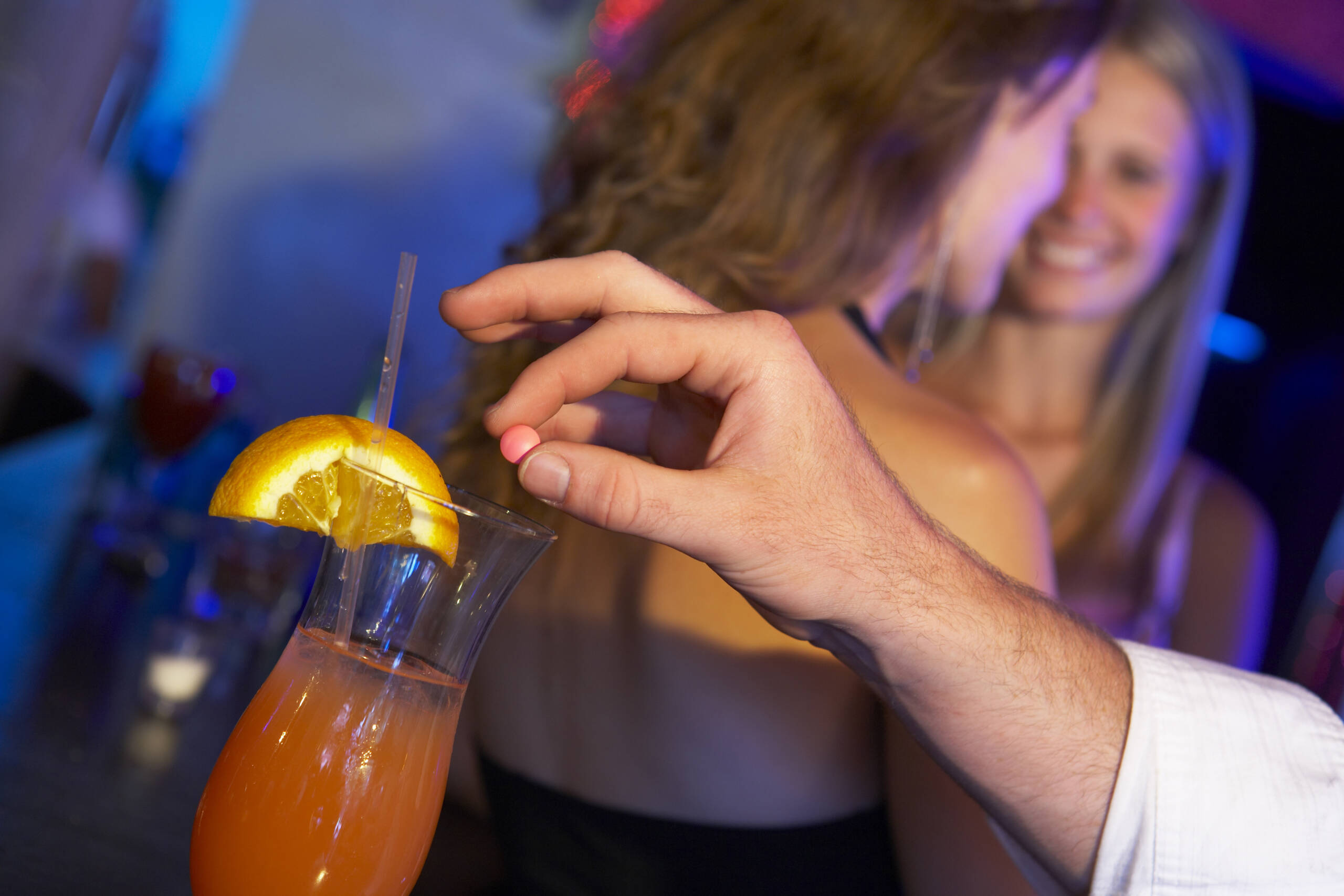
The drugs, often referred to as date rape drugs, are slipped into a drink of a unsuspecting victim.
The most well-known date rape drugs include Rohypnol (flunitrazepam), also commonly called roofies or R-2, GHB or gamma hydroxybutyric acid and Ketamine, which is used during surgical procedures.
Ecstasy, also called Molly, X, and E, and LSD, commonly called acid, are also used, a Healthline article on date rape drugs stated.
According to a US Department of Justice Drug Enforcement Administration report on drug-facilitated sexual assault, “these drugs are typically odorless, colorless, and tasteless when placed in a drink. One exception is GBL, which has a bitter taste that can be masked
by strong-tasting drinks”.
Within 30 minutes of ingestion the individual may struggle to talk or move and may pass out.
“At this point, the person is vulnerable to assault,” it added.
Depending on the substance, the initial effects of a drug can go unnoticed or become apparent very quickly.
Signs to look for:
• Nausea
• Loss of bowel or bladder control
• Difficulty breathing
• Feeling drunk when you haven’t consumed any alcohol or consumed very limited amounts
• Sudden increase in dizziness, disorientation, or blurred vision
• Sudden body temperature change that could be signaled by sweating or chattering teeth
• Waking up with no memory or missing large portions of memories.
“If you notice any of these warning signs in yourself or someone you know, immediately reach out to someone you trust. If you notice these symptoms in another person, you should take steps to keep that person safe,” the DEA report advised.
Many of the drugs leave the body quickly within 12 to 72 hours.
Related Videos