

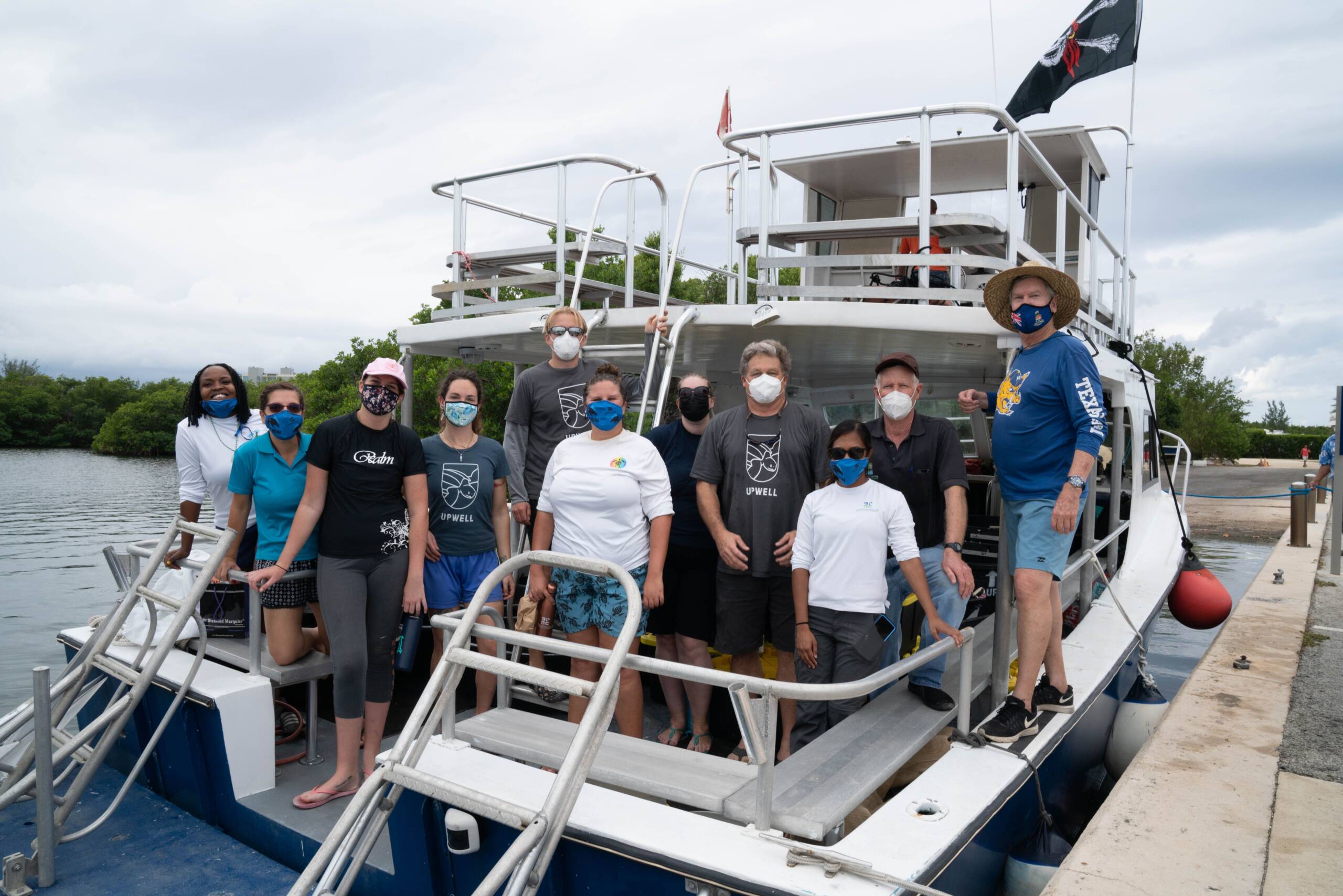
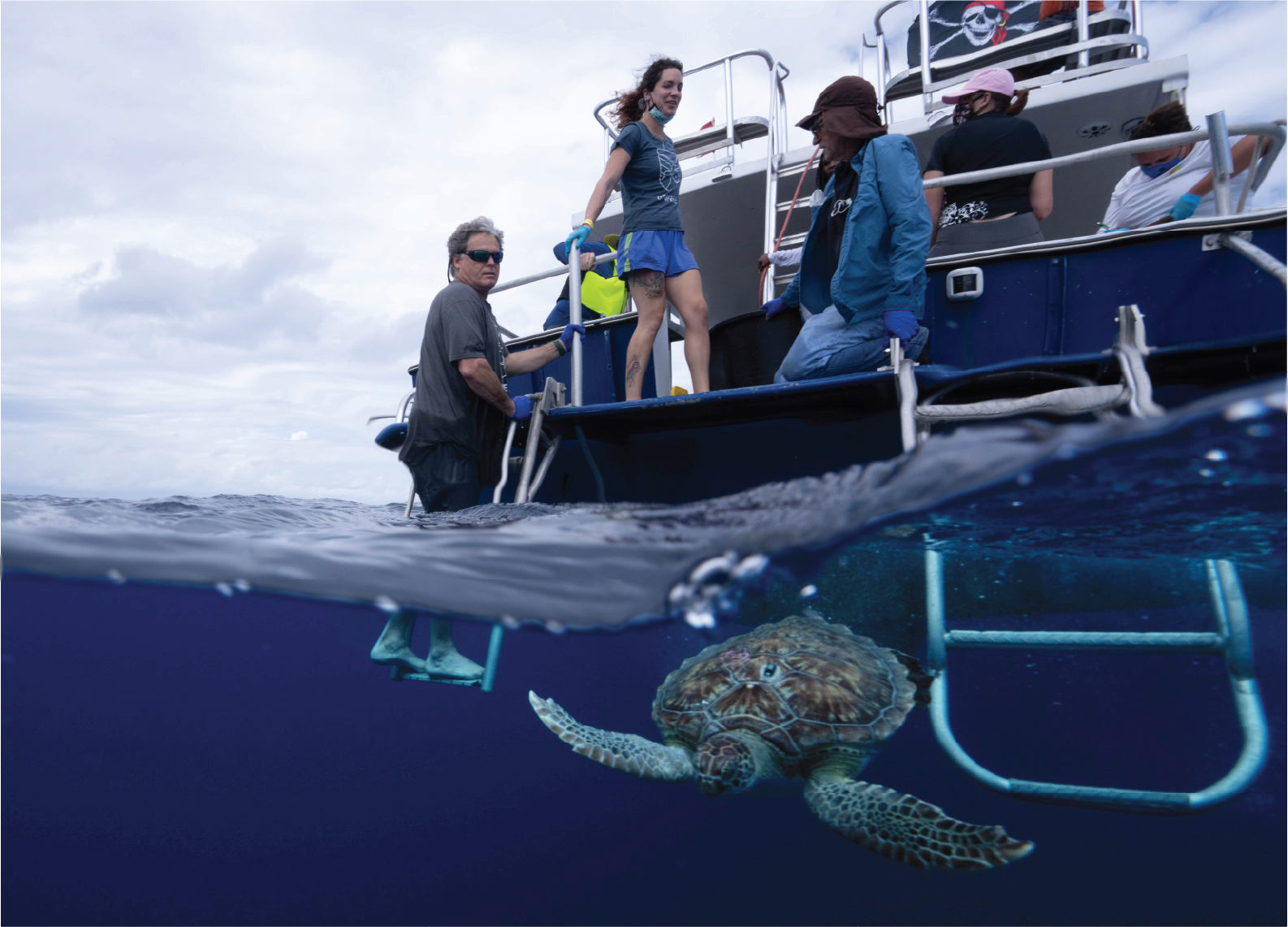
Thirty juvenile green sea turtles wearing tracking devices have been released into the waters off Grand Cayman as part of research and conservation efforts.
The Cayman Turtle Conservation and Education Centre and non-profit turtle protection organisation Upwell have affixed trackers to the turtles in order to “solve mysteries about their lives and boost efforts to save the endangered species,” according to a press release about the effort.
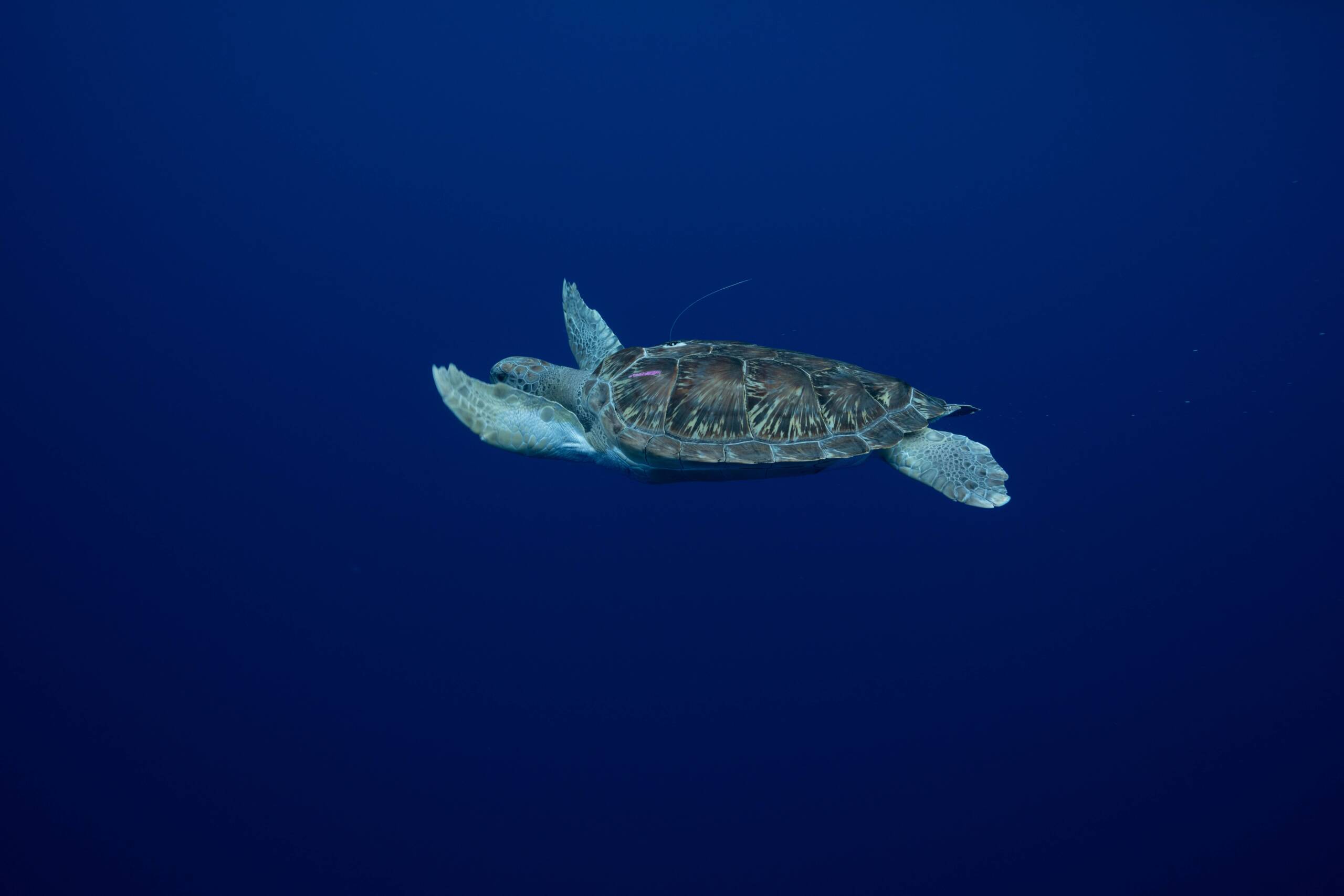
The trackers are described as “prototype micro-satellite tags, weighing less than a penny”. They were safely attached to the turtles’ shells using epoxy and neoprene-silicone mounts, according to information from CTCEC.
Sea turtles have been studied often as they hatch, according to the organisation, and when they return to those beaches years later to breed.
“But the time in-between, when young turtles develop in the open sea, remains a mystery. This life-history stage is often referred to as the ‘lost years’,” the release states.
Challenges, such as deep water and turtles’ vast ranges, mean past research has relied on techniques such as drift simulations, mark-and-recapture studies, and visual observations, resulting in conflicting theories about sea turtles’ lives.
Releasing the turtles
The turtles were divided into three different age groups and were simultaneously released from the same location, enabling researchers to observe how the different ages move through and interact uniquely with their environment.
The project was developed by Dr. George Shillinger, Executive Director of Upwell, who are funding the research and releasing the turtles, in partnership with CTCEC.
“Endangered sea turtles face high mortality rates due to threats in our oceans, including fisheries bycatch, ship strikes, pollution, climate change and other detrimental human activities,” Shillinger said.
The turtles were raised, or “head-started,” at the Centre until they were large enough to release with a favourable chance of survival.
“Pre-Columbus estimates of Green Sea turtle populations in the Caribbean range from 33 to 39 million. Historically, the Cayman Islands has been considered the most important breeding and nesting area in the Caribbean. Today, this breeding population has been reduced to roughly 100 females and the IUCN Red List lists the green turtle as being ‘regionally extinct’ in the Cayman Islands,” Dr. Walter Mustin, Chief Research and Conservation Officer at CTCEC, said.
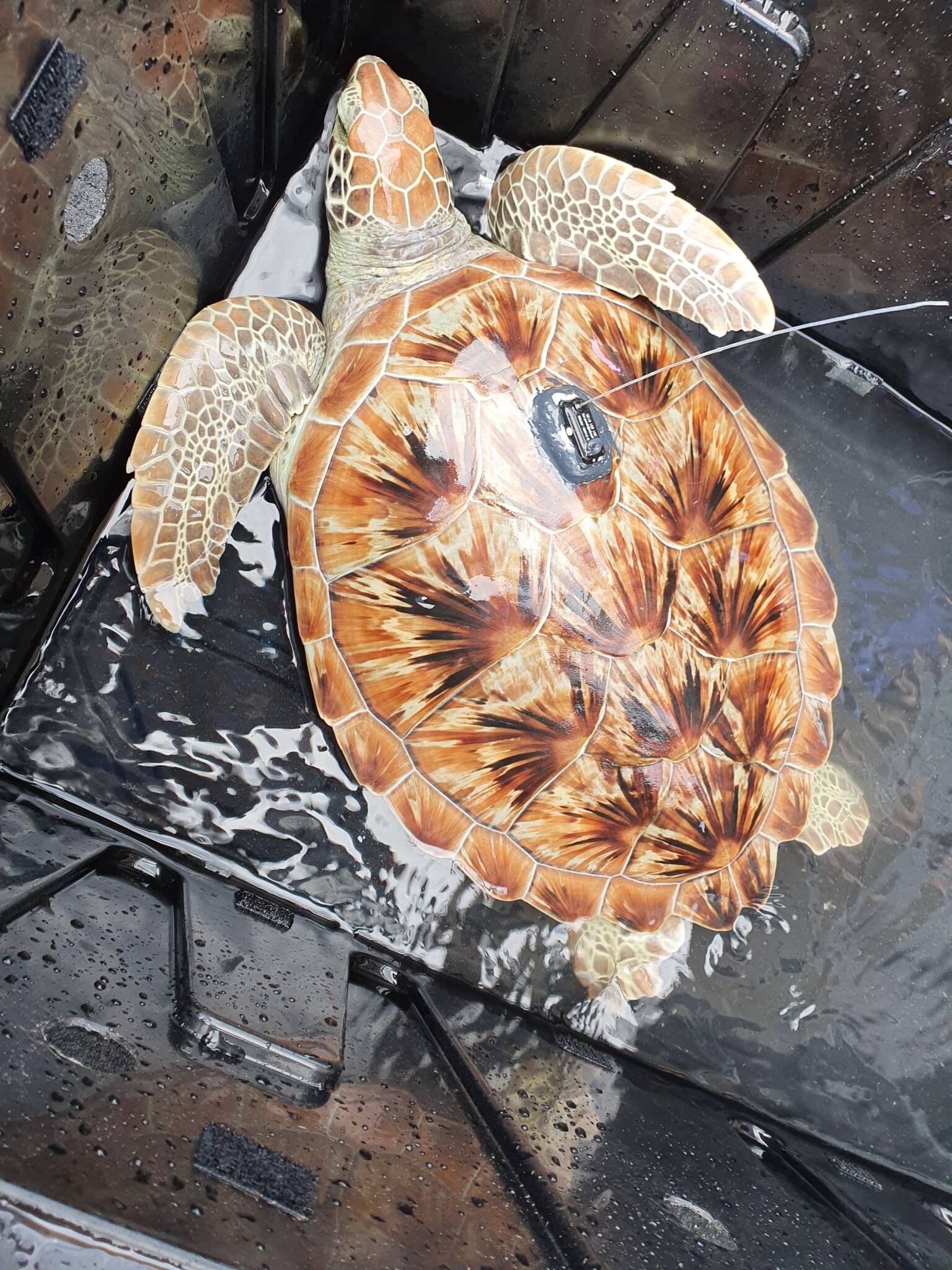
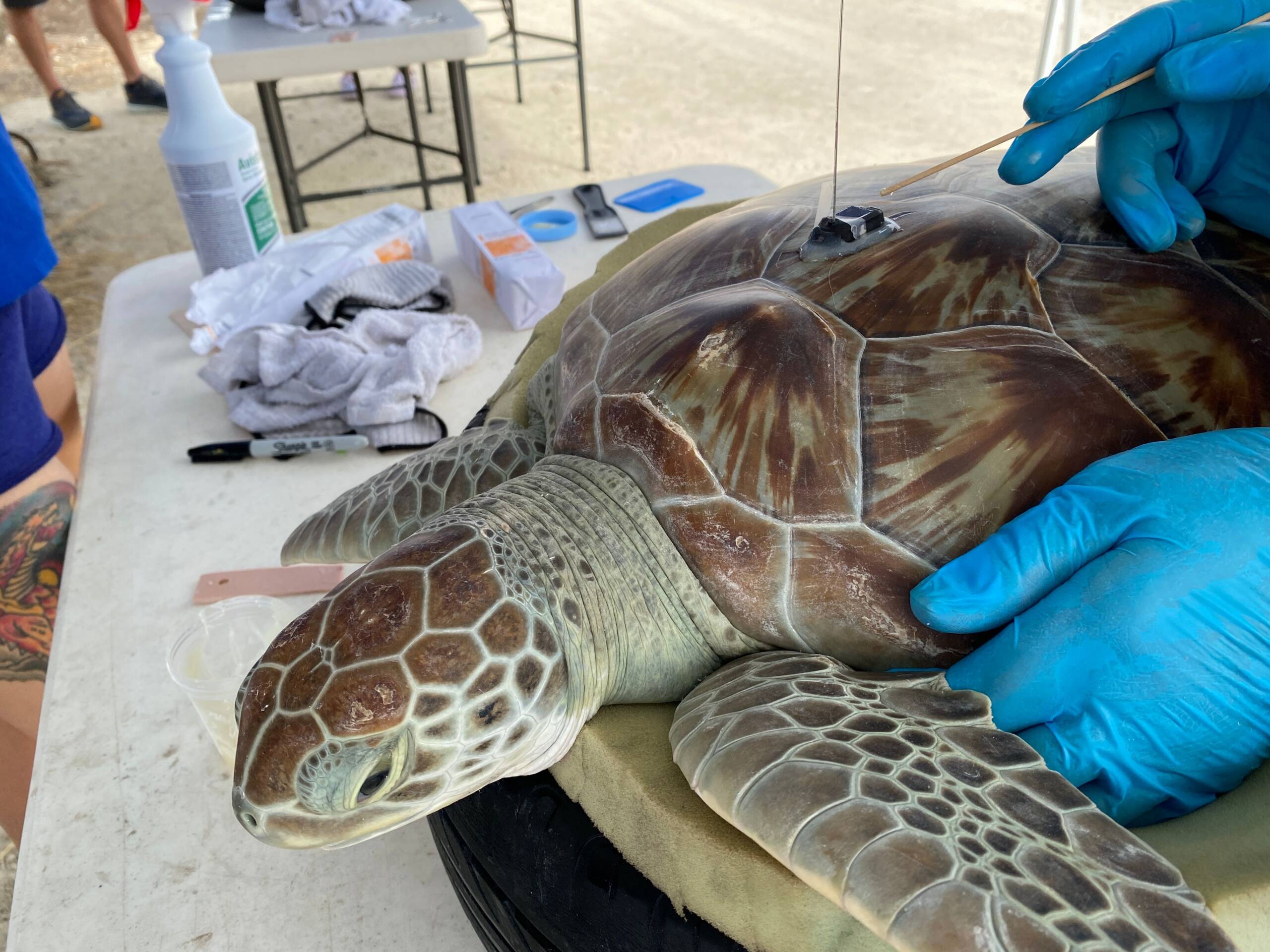
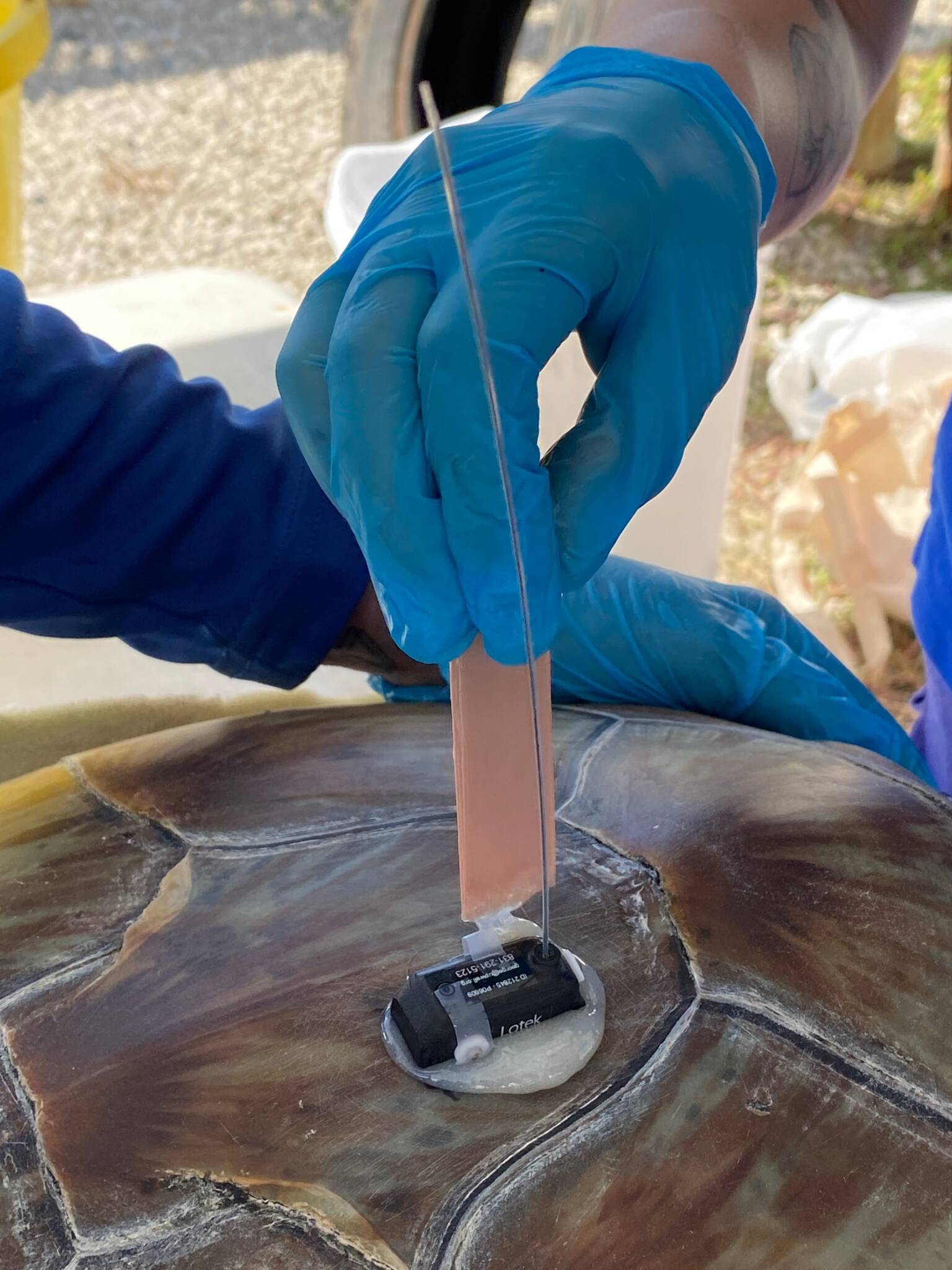
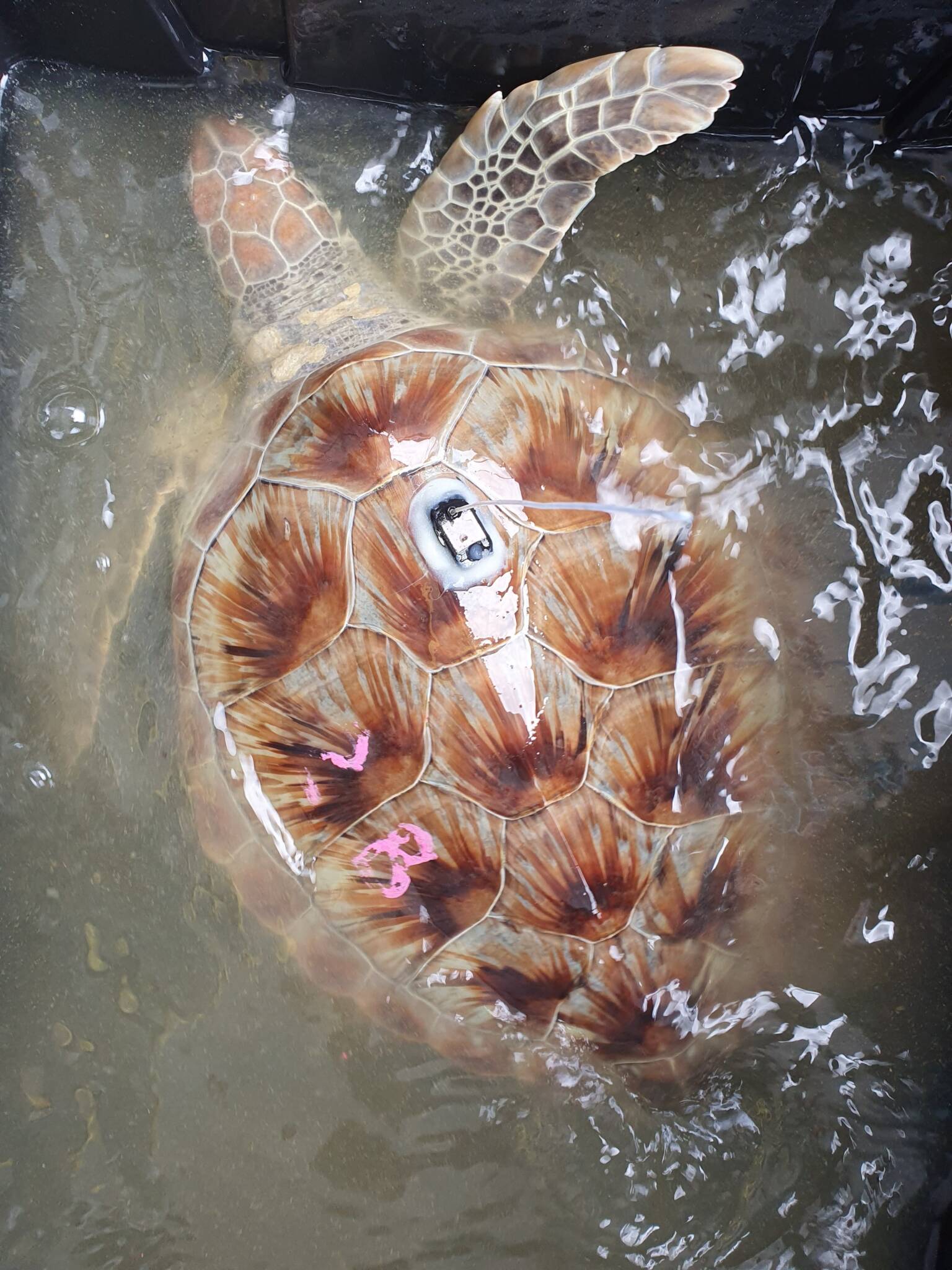
Sea turtles are known to use the Earth’s magnetic field to navigate, but the mechanisms underlying that navigation and age-dependent behavioural shifts are poorly understood, according to CTCEC.
The stated aim of this research is to “examine how variables such as age and size may influence turtles’ likelihood of encountering the best foraging habitats”. Ocean currents and other environmental variables are said to influence sea turtles’ dispersal, movement, and behaviour.
“We expect that younger juveniles will utilise open-ocean habitats and older juveniles will spend more time on the ocean bottom,” Nicole Barbour, Upwell researcher and doctoral student at the University of Maryland, said. “This project is an opportunity to confirm what has only been speculated about so far.”
CTCEC has released more than 34,000 turtles back into the waters surrounding the Cayman Islands.
Related Videos








Really cool any chance that this data is available in real time ? It would be interesting to follow.