

Cayman residents are facing a triple whammy of rising prices on fuel, food and rent, with the cost-of-living rocketing as the island looks to rebound from COVID-19.
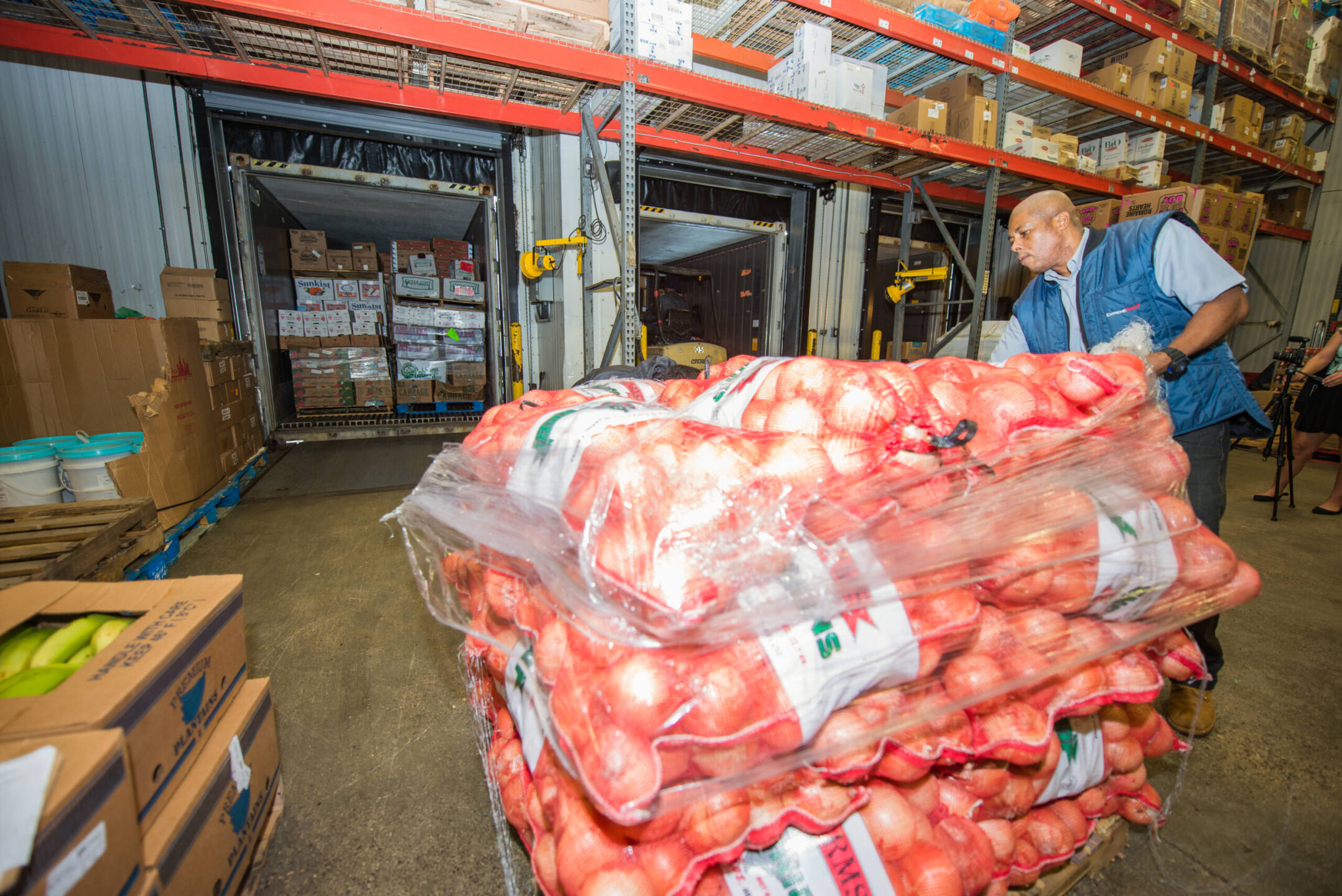
Global shortages of raw materials, combined with shipping and supply-chain challenges, have led to soaring grocery costs.
Rising oil prices have seen electricity bills and petrol prices hit their highest mark in seven years.
And the return of tourists and work-permit holders has contributed to reduced supply, rising demand and escalating prices in the property rental market.
Meanwhile, struggling businesses, still trying to get back on their feet amid the continued impact of the pandemic, are largely unable to increase salaries.
The poorest sections of the community – including those still surviving on the $1,500 monthly government stipend – are being hardest hit, with inflation on basic essentials stretching tight budgets to the breaking point.
There is little sign of any respite in the coming months. The US and the UK have seen prices rise at levels that are unprecedented in the last four decades.
And, Cayman, which imports the vast majority of its resources from the US, can expect to feel the impact of that in the coming months, according to financial analysts.
What the data shows
Unavoidable expenses for housing, transport, utilities and food are all up compared with last year.
Data analysis by the Cayman Compass shows the median monthly rent for a two-bedroom home or apartment has risen from $2,000 at this time last year, to $2,700.
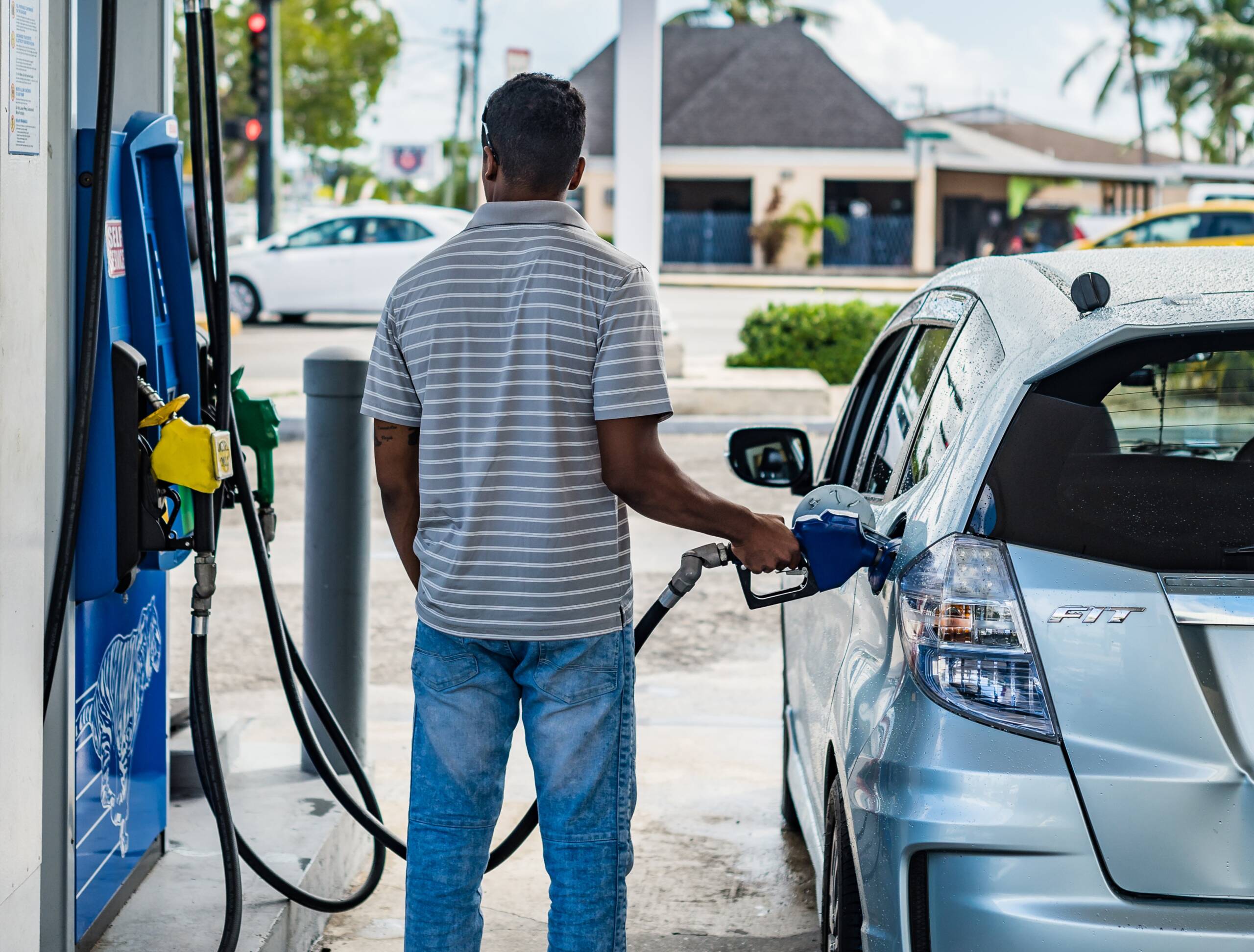
A CUC rate hike, combined with the rise in the fuel rate passed through to customers, has added $60 to the average monthly bill. Fuel prices at the pump have gone up from $4.05 a gallon last February to more than $5 a gallon today.
That works out at approximately $15 more to fill up the average vehicle.
The most recent analysis by government statisticians showed large increases on almost every essential item in the grocery store. Meat and dairy products have been most seriously impacted.
“Prices have absolutely gone up in every single category. Every item is under pressure,” Woody Foster, managing director of Foster’s supermarket, acknowledged.
He said the grocery chain had cut its profit-margin on some products in order to keep them affordable. Other products have had to be delisted because the cost of bringing them to Cayman is too high.
Post-pandemic blues
Foster’s and other importers are facing significant price hikes from their vendors, as well as challenges due to multiple products being out of stock for months at a time.
Many of the underlying causes link back to the pandemic.
There have been labour shortages in key industries, including trucking, fruit-picking and meat-packing.
Shipping costs have risen exponentially. Other impacts are more obscure.
Several supermarkets were unable to stock juice boxes like Capri Sun – a staple of children’s snack time – for a period last year, due to a global shortage in the raw material used to make the pierceable packaging.
Foster said his staff were constantly getting calls from vendors with similar stories explaining why products were out of stock or last-minute price increases.
$20 butter?
The volatility in the industry sometimes causes erratic price spikes at Cayman’s grocery stores.
A $20 pack of butter was a recent talking point on social media. The price tag on a $50 Christmas pudding did the rounds on WhatsApp over the festive season.
Those kind of eccentric prices are a temporary aberration, caused by unpredictable surges in import costs, Foster explained.
“One of the areas where we have had the biggest issue is Waitrose products from the UK,” he said.
“They are already expensive (to bring in) and when you have major air shipping increases, the prices just go through the roof. We have had to delist some items because it does get pretty ridiculous.”
Foster, who is also a director of hunger-relief organisation Cayman Food Bank, said the business is aware of the impact of rising prices on household bills and is doing its best to limit increases on staple items – absorbing cost increases from its suppliers on certain products.
He said it was difficult to see the supply chain issues, which are driving most of the increases, getting under control until the second half of 2022.
The impact is being felt on almost every product on sale in Cayman, ranging from liquor and food to televisions and washing machines.
Matt Bishop, CEO of Cayman Distributors, said shipping costs were up to three times higher than pre-pandemic. He said the business had put through “modest increases” – amounting to less than a dollar on a six-pack – on most imported beers.
“Throughout the COVID disruption there has been fluctuating prices and challenges getting certain products,” Bishop said.
“We have absorbed a lot of those increases as a result of the difficult trading environment,” he added.
Heineken announced this week that it is planning “courageous” increases in prices, suggesting consumers may cut back on beer as a consequence.
Peter Dutton, managing director of Jacques Scott, said he has seen a wholesale price increase of $1 per case of Heineken so far, but noted that the distributor had previously not raised prices on the beer for some time.
An earlier price increase by the brewer at the beginning of the pandemic was not passed on to the consumer. Dutton noted that the biggest problem for distributors was shipping costs but that in the case of Heineken, the brewer had negotiated favourable freight rates for now.
Tourism revival impacts rent
While drinking beer is a choice, rent is an unavoidable and growing expense for many households. A Compass analysis of 100 current listings shows the median price for all properties on the market has risen by $650 a month over the past year.
There is only one property currently listed at under $1,000.
That’s a reflection of the economy and, in particular, the tourism industry beginning to rebound in the aftermath of COVID, says Risa Golberg, a rental agent with BCQS.
“There is more demand than supply,” she said.
“During the pandemic, people that had vacation homes rented them out long term. As the island opens back up, those agreements are running out and the properties are going back to short-term rentals.”
That phenomenon, combined with an influx of new staff for businesses that are rebuilding following the impact of COVID, means there are more renters than properties, pushing prices up.
Golberg, who represents more than 200 properties, said only one of those was on the market to rent at the moment.
“Rental properties are pretty scarce right now. There is not much out there that is affordable for the average person.”
A number of new condo developments currently nearing completion could alter that dynamic within the next 12 months, she added.
Oil prices push up power bills
Utilities and transport costs are also increasing on the back of surging oil prices.
The average monthly Caribbean Utilities Company bill is $60 higher than it was at this time in 2021.
That figure is slightly misleading, however. A massive drop in global demand as businesses turned out the lights during a wave of pandemic-era lockdowns, resulted in some of the lowest fuel prices on record.
As a result, the power bills CUC sent out at the start of last year were the lowest in a decade.

That respite didn’t last, however. The fuel surcharge has almost doubled in the last 12 months, and bills are now around 5% more than they were pre-pandemic and as high as they have been since 2015.
A prolonged season of winter breezes may have cushioned some residents from the worst impacts of those increases.
Government and charity support, as well as payment plans offered by CUC for those struggling to pay utility bills, are also leading to fewer disconnections than would otherwise be the case, a company spokesperson said.
CUC expects costs of energy from fossil fuels to continue to rise over time and plans a massive investment in utility-scale renewable energy projects within the next decade.
Another petrol protest?
In recent years, $5 a gallon has been the tipping point for community protests over petrol prices.
George Ebanks, who led a march on the government building over the issue in 2015, believes the challenges of the pandemic, employment and inflation have left people fatigued.
“I think people have other worries and concerns with COVID and everything else. Otherwise, I think, we would be hearing a lot more noise than we are right now,” he said.

His primary concern is the mark-up from the islands’ fuel importers, who he believes should be required to publish the price at which they are purchasing fuel. As the impact begins to hit home, alongside higher household bills, he believes it won’t take much for people to take to the streets again.
OfReg, which has responsibility for monitoring retail fuel prices, says the current increases reflect the rising cost of crude oil, which went up from US$58 to US$93 per barrel over the past year.
The price at the pump, which has gone up 27% in the same time period, largely reflects that increase, according to Daniel Lee, consumer affairs manager with the utilities regulator.
He said geopolitical events, natural disasters and the post-pandemic economic dynamics had all influenced commodities prices over the past year. Seasonal shipping rates and insurance costs may also impact prices in Cayman, he added.
Lee said OfReg scrutinises all these details to ensure the price at the pump is “justifiable”.
Lower income families hardest hit
Financial advisor Neville Hicks warns there could be more price increases in the pipeline as the impact of soaring prices in the US filters through to Cayman.
Special report: Cost of Living
He said high costs on essentials like fuel, food and rent, would have a disproportionate impact on lower income families, especially if wages remain stagnant.
“This directly impacts the lower- and middle-class portions of the population, as monthly costs for food, gas, services increase and their income remain unchanged, leaving them with less buying power and ability to save money and build wealth,” he said.
Anyone trying to save for retirement or investment faces the challenge of cash in the bank declining in spending power, said Hicks, a director at Five Continents Financial.
Even with interest rate hikes in the pipeline, he warned that the value of large cash deposits will be eroded by inflation. He cited commodities, equities and real estate as safer investments for those with capital.
US inflation impact
If further proof were needed of the intense upward pressure on prices, it can be found in the islands’ Consumer Price Index. The most recent data analysis – for the third quarter of 2021 – showed sharp increases in all 12 categories monitored by the Economics and Statistics Office.
Statisticians constantly monitor prices on a ‘basket of goods’ comprising the main items in the expense column of the average household budget. Electricity, water and rent – the biggest line items in many families’ budgets – posted the largest increases in the last analysis.
US inflation, which hit a 40-year high of 7.5% in January, impacts some prices in the Cayman Islands more than others, said Ralston Henry, senior economist with the ESO.
“In instances where Cayman imports products, which [are] typically from the US, there is likely to be some knock-on price impact as higher prices are passed through the supply chain,” he added.
He expects further increases to be evident in forthcoming CPI data analysis. Anticipated interest-rate increases from the US Federal Reserve Bank should start to rein in some of those price increases in the coming month, he added.
“This should assist in reducing price pressure over the medium term. Notwithstanding, while international prices continue to increase, those increases will invariably filter through to Cayman consumers.”
Related Videos












Interest rates will likely rise soon, meaning people’s mortgage payments, car loans etc will be rising too.
Yep. This makes no sense to raise rates. Inflation is not being driven solely by low cost of capital. This will make things even worse.
The picture for rent increases doesn’t tell the whole story.
Many landlords reduced rental rates during the pandemic as people left the island.
These rents are now mostly just returning to pre-pandemic levels.
Agree. And what added to that was the short term rental stock came into long term stock and they offered low monthly rents for beach front. All those in beach front long term rental units will see those go and every thing else will need to increase accordingly. When interest rates increase, rents will need to increase for that. The Cap rates are so low now that will also drive rents. The new pandemic is this.