Massive investment in large scale renewable energy projects in Grand Cayman over the next decade will help control escalating electricity bills, according to the Caribbean Utilities Company.
The monopoly power company cited volatility in oil prices as the source of large increases in monthly household bills over the past year.
Global fuel prices dropped as demand plummeted during a wave of COVID-era lockdowns in 2020 and 2021.
But energy prices rebounded and now exceed pre-pandemic levels, meaning monthly bills for Cayman residents are at their highest point for seven years. The average monthly bill is $60 more today than it was a year ago.
That’s still lower, however, than an extended period from 2012-2015, when the fall-out from the financial crisis and political disruption in the Middle East caused oil prices to surge.
The price CUC pays for the fuel it uses to generate electricity is passed straight through to consumers in the form of surcharge. While Cayman continues to rely on diesel generated energy to power homes and businesses, bills will always be at the mercy of international pressures.
The post-COVID economic recovery and the prospect of war between Russia and Ukraine are among the geopolitical issues impacting oil prices right now.
The long-term pattern is likely to see further increases.
“It is reasonable to expect that the costs of energy derived from fossil fuels will increase over time,” a spokesperson for CUC told the Cayman Compass.
She said the power company had been working to bring renewable energy to Cayman for some time.
“It is expected that large scale renewable energy plants will bring the cost of energy down from current levels and also stabilize costs as less of our energy will be derived from fuel sources which can significantly fluctuate in price.”
Auctions for solar, wind and renewable projects
Regulator OfReg recently announced plans for a “pipeline of auctions” to allow energy companies the chance to bid for utility-scale solar, wind and other renewable projects.
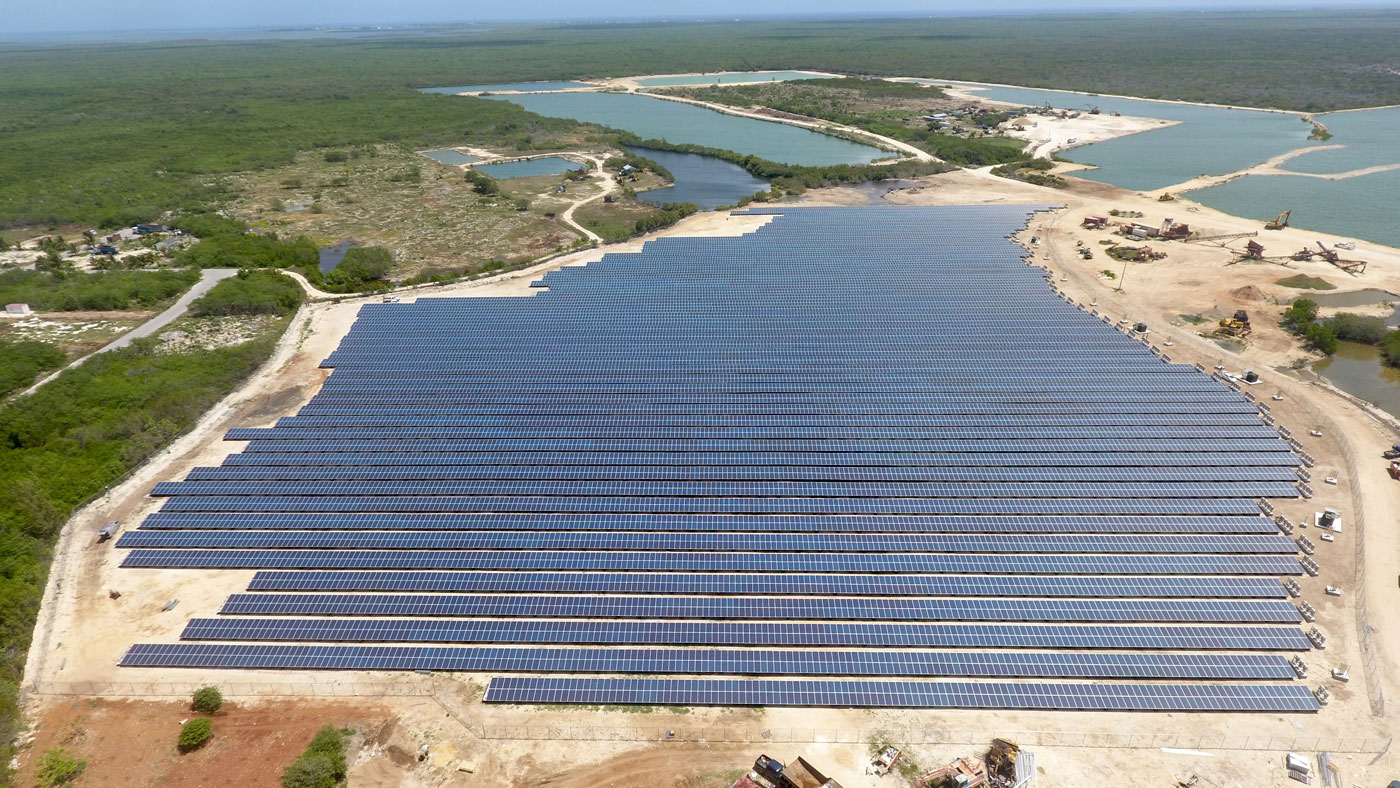
CUC hopes that it will win some of those bids and estimates it could contribute to transforming Cayman’s energy resources so that more than half of the island’s power supply comes from renewable sources within eight years.
The spokesperson said some diesel generation would still be required but it hopes to offset some of the environmental impact and cost implications of this by investing in natural gas.
The company argues that renewable energy will bring price stability as well as helping Cayman hit its green energy targets.
Cayman lags behind on renewable targets
James Whittaker, owner of GreenTech and now chair of the National Energy Council, has been calling for Cayman to accelerate its switch to clean power for some time. He argues that this will create jobs as well as keeping prices under control.
Special report: Cost of Living
Whittaker is also an advocate for a balance of utility scale power and distributed generation – through micro projects on rooftops of homes, carparks, condos and offices – which carries a slightly greater cost, but helps bring more jobs and doesn’t eat up land to the same degree as large solar farms.
Cayman currently derives less than 5% of its power from renewable sources. Once the island reaches a critical mass of around 20%, Whittaker believes, it will allow CUC to run its diesel generators at a lower capacity, reducing its reliance on fuel and the associated cost.
He said other countries had achieved that already but progress has been slow in Cayman.
“Once you get sufficient renewable energy it absolutely will bring down prices and those prices will be stable, he said.
“You are not going to have the kind of fluctuations you get with fossil fuels.”
He said there was consensus in the industry that hastening renewable energy conversion was best for consumers as well as the environment. He said the only reason more utility scale and rooftop solar were not already in place was because regulators had not commissioned those projects. He hopes to see progress on the green energy auction scheme this year.
Whittaker believes the economic impact of renewable energy is potentially more persuasive to skeptics than any concerns about climate change or carbon emissions.
“There are far more people that care about economic impact than environmental impact. That’s just the reality,” he said.
But he cautioned that large utility scale solar and wind farms that eat up huge tracts of land and involve destruction of mangroves would do as much harm as good. He said a balance between cost-saving and protection of ecologically valuable land will be needed as Cayman accelerates its transition.
Editor’s note: CUC has stressed that its plans for utility scale renewable projects in Cayman do not impact environmentally valuable land.
* James Whittaker, the chair of the National Energy Council, and James Whittaker, the writer of this article, are not related.
Related Videos