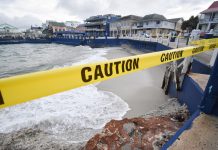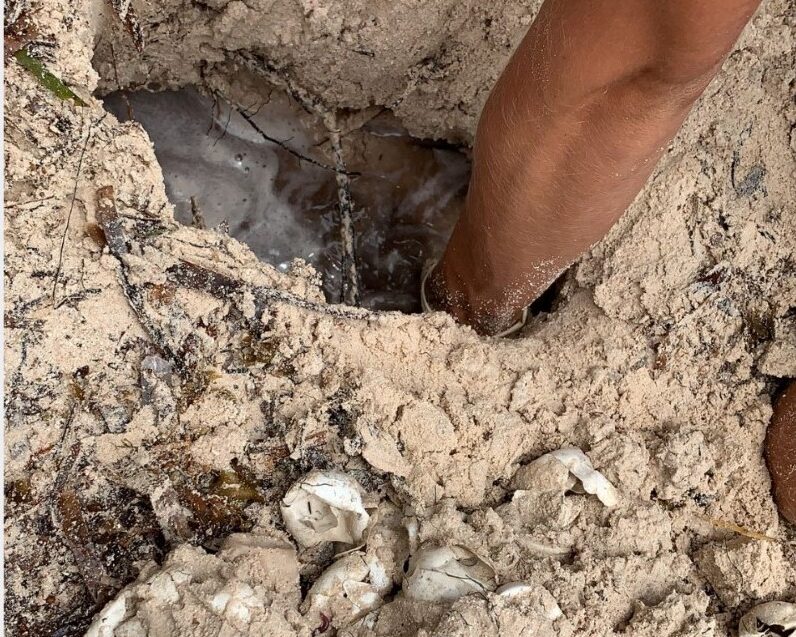
Increased storm activity reaching local shores resulted in the loss of just over a quarter of the turtle nests tagged on Cayman’s beaches, according to Department of Environment figures.
“In 2021, storm activity had a huge impact on sea turtle nests across the islands. In total, 141 nests (26.5% of nests) were washed over by waves,” the DoE posted this week on its official Facebook page.
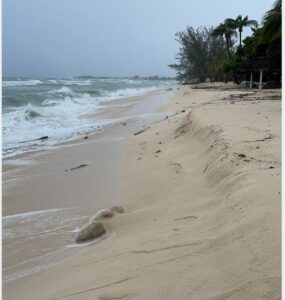
Of these, the DoE said, 88 nests still hatched, although 26 suffered reduced hatch success and 21 failed.
“The remainder had an unknown fate as they could not be located after Tropical Storm Grace,” the DoE said.
Climate change a threat to turtles
This loss is a stark reminder of the implications of climate change, a global crisis that those at the Intergovernmental Panel on Climate Change are sounding the alarm over. The IPCC is the United Nations body that assesses the science related to climate change.
The IPCC working group assessment report, released in February, ‘Climate Change 2022: Impacts, Adaptation and Vulnerability’, noted that human-induced climate change, including more frequent and intense extreme events, has caused widespread adverse impacts and related losses and damages to nature and people, beyond natural climate variability.

“Some development and adaptation efforts have reduced vulnerability. Across sectors and regions the most vulnerable people and systems are observed to be disproportionately affected. The rise in weather and climate extremes has led to some irreversible impacts as natural and human systems are pushed beyond their ability to adapt (high confidence),” the assessment report headline statement said.
The IPCC describes these statements as the “overarching conclusions of the approved summary for policymakers“.
Here in Cayman the DoE is monitoring the effects of climate change which it says is a “serious threat for sea turtles for several reasons related to increasing summer temperatures and increased storm activity”.
The Miami-based National Hurricane Center has also acknowledged the increase in storm activity and early start to the hurricane season more recently, noting that its daily tropical outlooks will start on 15 May this year instead of 1 June.
Dr. Cho-Ming Cheng, director of the Hong Kong Observatory and Permanent Representative of Hong Kong, China at the World Meteorological Organisation, in a review of the 40 years of the WMO Tropical Cyclone Programme (1980-2020) published this week noted the threat climate change poses meteorologically.
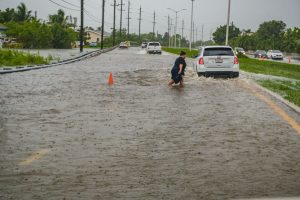
“Against the backdrop of climate change and rising sea levels, the impacts of tropical cyclones, notably those related to storm surge and extreme rainfall, will become greater and greater in the decades to come,” he said.
Cheng said was confident that the Tropical Cyclone Programme will continue to render assistance to National Meteorological and Hydrological Services “to further improve the techniques in tropical cyclone forecasting and effectively mitigate the expected
greater impacts of tropical cyclones in the future”.
For the DoE, the threat to turtles continues to be a source of concern as it pointed out that the sex ratio of hatchlings depends on the nest temperature.
“Higher nest incubation temperatures can produce female-only offspring causing skewed sex ratios in the population which could even lead to eventual extinction. Egg mortality is increased with high sand temperatures,” the DoE explained in its post.
The rise in storm frequency and strength increases the likeliness of nests flooding or being washed away, it added.
“Beach erosion by storms reduces suitable nesting habitat for sea turtles forcing them to nest closer to the water’s edge. The DoE Turtle Team monitor all sea turtle nests closely during the nesting season and evaluate the need to relocate nests further from the water,” the DoE said.
However, the department pointed out that egg relocation is only carried out for nests deemed at serious risk of flooding “as relocating eggs usually reduces the hatch success of the nest”.
The DoE said this is why egg relocation is only carried out by highly trained team members
This month, the Cayman Compass Issues section takes an in-depth look at the specific threats posed to the Cayman Islands by climate change.
Related Videos