

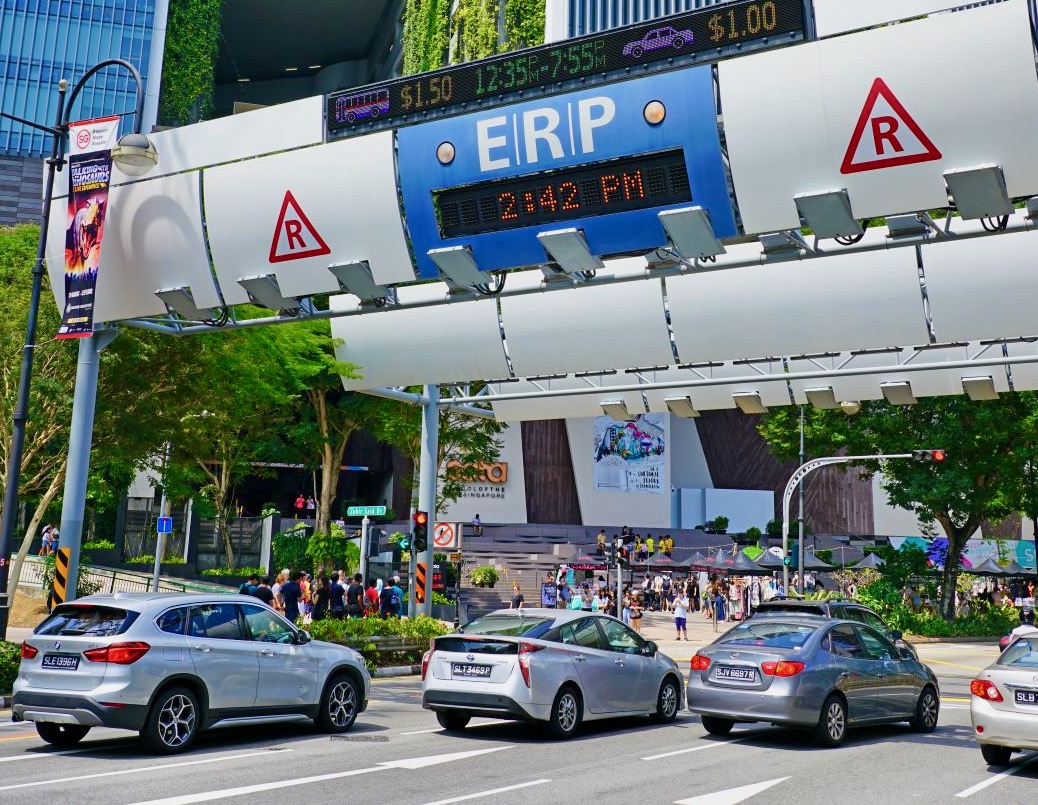
Guest columnist Julian Morris argues that charging to use the roads during peak times could be one of the only ways to make a serious impact on traffic in Cayman.

Cayman has a traffic problem. More specifically, Cayman has a rush hour traffic problem. In 2020, the Compass estimated that the average speed of traffic between Prospect and George Town during rush hour was 4.5 miles per hour.
Outside rush hour, a trip starting at Countryside and ending at the Health Services Authority takes about 15 minutes. During the morning commute it can take an hour and a half.
Sitting in traffic for hours on end is nobody’s idea of fun. When it means getting up an hour early or being late for work, it’s positively painful.
Plus, it increases the amount of fuel we use, which is costly and results in unnecessary emissions that pollute our air. To make matters worse, congestion just seems to keep increasing. How long until the journey from Hurley’s to the airport takes three hours during rush ‘hour’? Clearly, something needs to be done. The evidence suggests that carefully designed congestion pricing could be part of that solution.
For decades, the conventional response to increasing traffic congestion around the world was to build more roads or more lanes.
While that often reduced the problem in the short term, it also increased the number of cars using those roads, so that sooner-or-later congestion was as bad or worse.
In the 1970s, several US cities began experimenting with another idea: limiting the use of certain lanes to high occupancy vehicles. The idea was to incentivise people to carpool or use buses. It worked, to an extent, but many people still preferred to drive by themselves.
As a result, many HOV lanes were underused, while the non-HOV lanes became even more clogged. Other HOV lanes had the opposite problem: They were just as clogged as the other lanes during peak periods, so were not fulfilling their purpose.
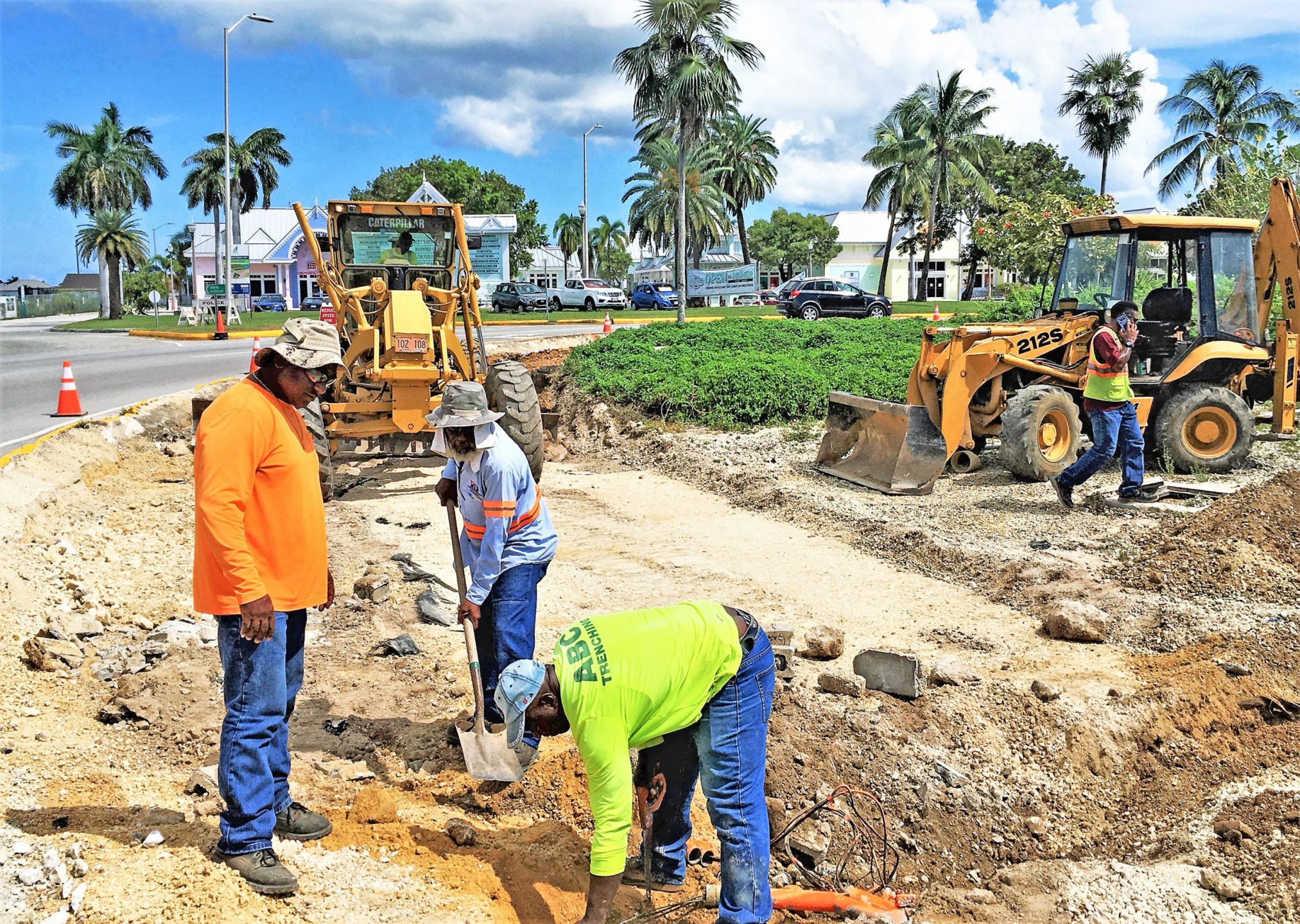
To address the first problem, transport expert Bob Poole of Reason Foundation developed a new concept: The high occupancy toll (HOT) lane. Vehicles with a minimum of two (or sometimes three) occupants are permitted to travel in the HOT lane for free, while single-occupancy vehicles pay a toll that varies according to the level of congestion on the road—hence ‘congestion pricing’.
To address the second problem (clogged HOV lanes), experts recommended the construction of new Express Toll lanes, which would also be subject to congestion pricing.
These additional lanes are typically built and operated by private companies, under an agreement with the public authority, and at the end of a specified period are transferred to that authority.
Related stories
Such public-private partnerships enable costly new road infrastructure to be built without imposing an additional burden on the public purse, as they are ultimately paid for by the motorists who use them.
HOT lanes and Express Tolls have been successfully rolled out across the US and there is also one in Israel.
But, many other countries, including Jamaica, have toll roads built through P3s that have enabled new road construction and reduced congestion. The Bahamas is also considering introducing tolls. Cayman has even been involved in some toll road P3s, as the domicile of the entity through which the road has been funded.
Researchers have found that the introduction of congestion pricing leads to speedier bus journeys and increased use of buses.
For example, a 2013 study found that following the introduction of HOT lanes, the average duration of an express bus ride in Miami fell by 17 minutes and ridership increased by 53%. The lesson is clear: If we want more people to ride the bus, it helps to improve the bus-riding experience—and congestion pricing can do that by making bus journeys quicker.
The introduction of congestion pricing in Cayman could result in a win-win-win. First, it could reduce congestion by encouraging some people not to drive during the rush hour, or to carpool. (The Compass estimated that 85% of vehicles travelling during rush hour had only one occupant; if just a quarter of those drivers carpooled, congestion would fall dramatically.)
Second, it could raise revenue that could help improve road infrastructure. Third, it could improve the speed of bus services at rush hour, making buses a more attractive option.
For congestion pricing to work effectively, considerable effort will have to go into its design. Even so, it is unlikely to solve Cayman’s traffic problem by itself.
Other changes can help too, such as: More employers allowing employees to work flexible hours, so they can travel outside rush hour; encouraging better information about bus timings (at least two apps have been created for that purpose but further development is needed); and the government could establish simple, clear rules under which entrepreneurs can introduce other transportation options, such as express buses (e.g. from East End and North Side to George Town) and carpool apps through which residents could coordinate shared commuting and school drop-offs.
* Julian Morris is a Cayman-based economist and Senior Fellow at Reason Foundation, a pioneer in P3s and congestion pricing.
Related Videos











What a hopeless idea. Does the writer think that people actually enjoy sitting in traffic jams for over an hour? They do this because they have no choice. Anyone who HAS a choice already knows better than to travel at these times.
So the tax he proposes would be just another burden on those people who can least afford it.
What is needed is better, faster roads where the bottlenecks are eliminated. Let’s start with the roundabouts at A L Thompson and Hurleys. They are not fit for purpose and putting silly little red sticks to force people into lanes doesn’t help.
The NRA needs to study how countries with far bigger traffic flows handle these problems.
The fastest junction, but pricey, would be over-passes (fly-overs) at these roundabouts.
The next fastest solution would be to combine traffic lights with the roundabouts to speed them up at rush hours.
Here’s a link to an authoritative article:
https://www.sciencedirect.com/science/article/pii/S2352146517300728
Not really fair if there are effectively zero meaningful public transport options.
The only people that congestion tolls will truly affect are the low income workers who have to get to their workplace on time. Public transit including ferry services are what is needed.
Do you really believe that people will pay the fee if caught? I doubt it, the idea is a non starter here.
Traffic congestion is a significant concern on the island, and as a result, many aspects can be implemented in order to levy the high congestion by commuters.
One, the roundabouts are pointless and only enforce more congestion resulting in a traffic jams.
in my opinion: an overhead pass will do wonders even though it will be costly. Next, a ferry boat service from eastern districts to George Town and any other readily accessible boat docking zone will also do wonders. I believe with those in place we will see a fair decrease in traffic congestion.