
During May, Lupus Awareness Month, health organisations and support groups around the world engage in campaigns and events to spread the word about the debilitating auto-immune disease.
Here in the Cayman Islands, statistics on the number of cases of the disease are not readily available. However the Health Services Authority says during 2021 a total of 90 patients visited its facility.
The Lupus Foundation of America estimates that there are 1.5 million people in the United States living with lupus.
What is lupus?
The US Centers for Disease Control and Prevention defines lupus, or systemic lupus erythematosus, as an auto-immune disease in which the immune system attacks its own tissues, causing widespread inflammation and tissue damage in the affected organs.
The disease can affect the joints, skin, brain, lungs, kidneys and blood vessels.
It is not known what causes lupus and there is no cure for it.
However, the CDC says, “medical interventions and lifestyle changes can help control it”.
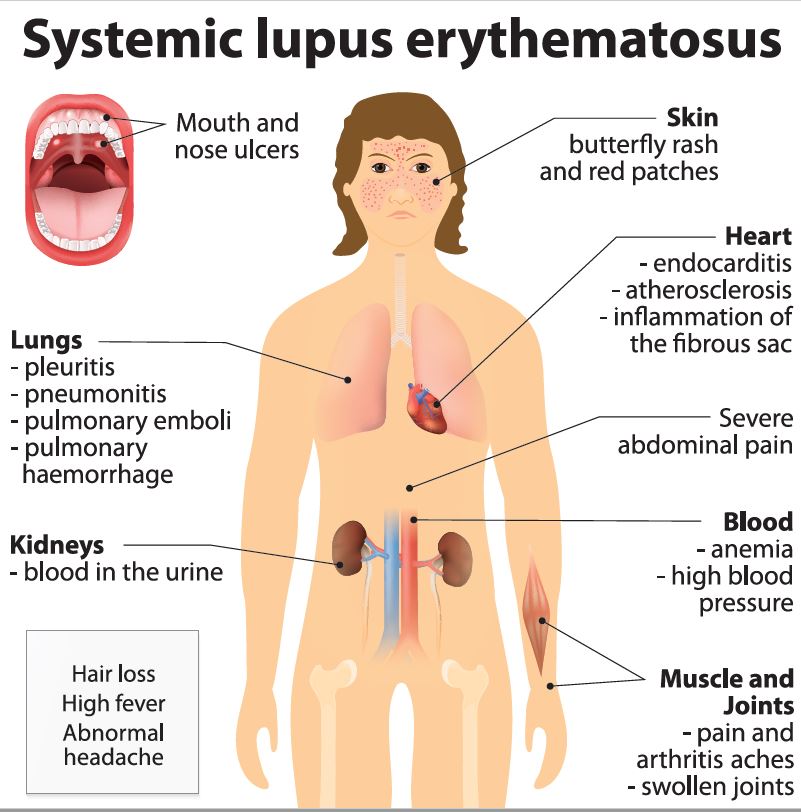
Symptoms of lupus
The Health Services Authority, in a Lupus Awareness Month social media post, explained that lupus can present in several ways, from intolerance to sunlight and fatigue to mouth sores and kidney problems.
“Still, because many lupus symptoms imitate other illnesses, it is difficult to diagnose,” it says.
According to the CDC, because of its many symptoms, lupus is often mistaken for other diseases.
“Many people have lupus for a while before they find out they have it,” it added, saying that patients who may have symptoms of lupus, should talk to their doctor right away.
There are four types of lupus, with the most common being systemic lupus erythematosus (SLE), which 70% of people with lupus have.
The other forms are cutaneous lupus (affecting only the skin), drug-induced lupus and neonatal lupus.
The CDC points out that treating lupus often requires a team approach because of the number of organs that can be affected.
“SLE treatment consists primarily of immunosuppressive drugs that inhibit activity of the immune system. Hydroxychloroquine and corticosteroids (e.g., prednisone) are often used to treat SLE. The FDA approved belimumab in 2011, the first new drug for SLE in more than 50 years,” the CDC said.
Related Videos