

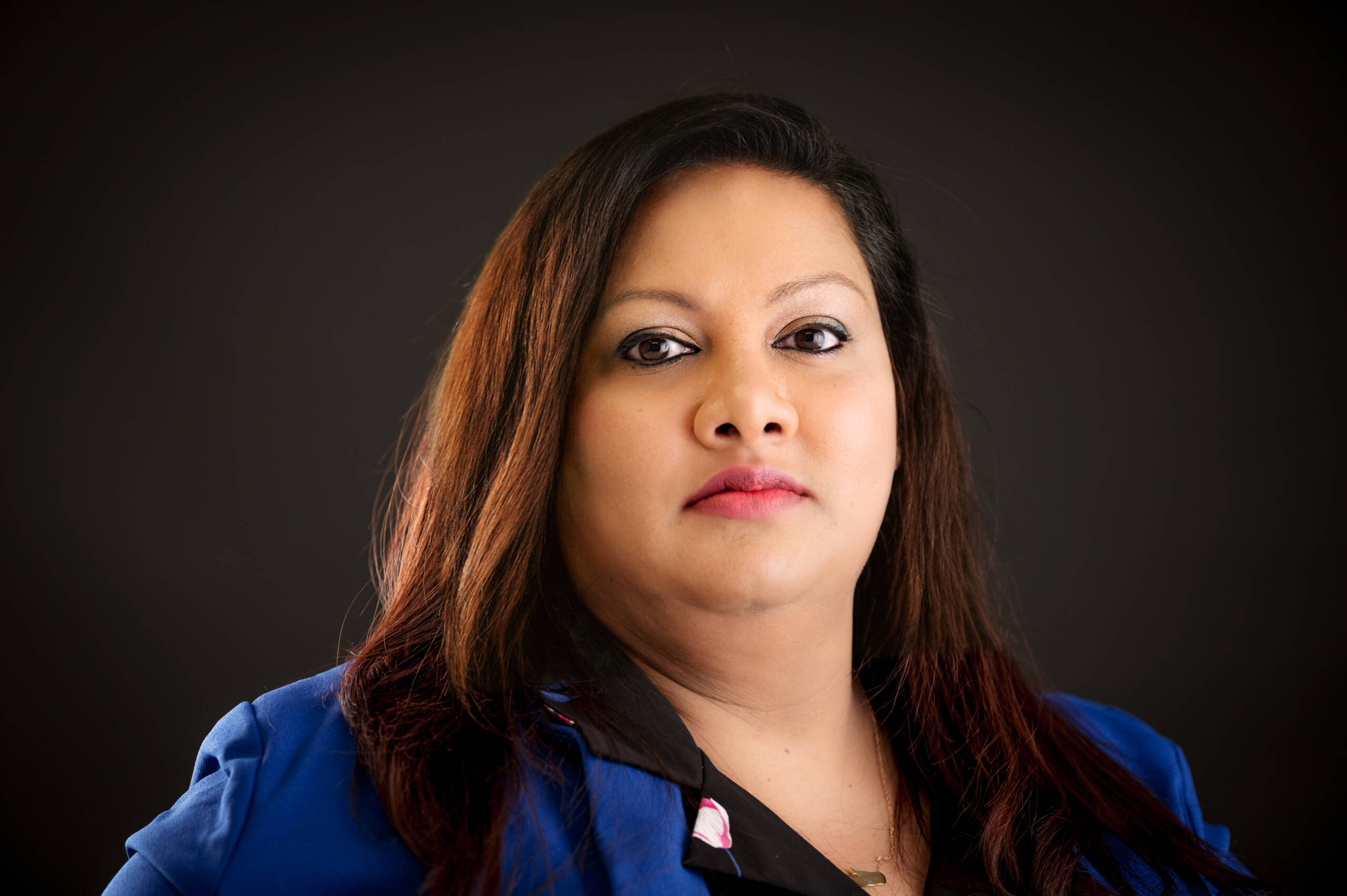
As Lupus Awareness Month recently came to a close, the Cayman Compass is shining the light on the chronic auto-immune disease and those living with the incurable condition.
Compass journalist Reshma Ragoonath is one such patient and this year she is opening up about living with lupus. Here is her story in her own words.
In October 2010, my life changed dramatically. It was the month I was formally diagnosed with lupus, also known as systemic lupus erythematosus.
It was not a cut-and-dried diagnosis by any means. I had been experiencing severe body pains, swollen joints, head-splitting headaches and extreme fatigue, and the diagnosis came after multiple hospital visits, thousands of dollars in tests, and months of confusion and fear.
On that day, I finally got my answer. The doctor, whom I had been seeing repeatedly over a period of about six months in an effort to try to figure out what was happening to me, simply wrote the word ‘lupus’ on a piece of paper and passed it across the table to me, finally confirming what we had initially suspected.
Dealing with the new reality
I didn’t know how to feel. I could hear my mom sob next to me as the doctor ran through the next steps and treatment, and everything that would happen over the next few months as we began our targeted efforts to get the disease under control. All I thought as the room started to spin, was “Why me? I have so much I want to achieve.”
I was working as a journalist at the Trinidad Guardian, I was studying for my Associate Degree in Journalism and Public Relations, and I had plans to continue to further my education. In that split second, that one word seemed to be the thing that now defined me.
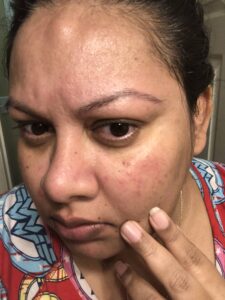
In the months following my diagnosis, I began a hefty cocktail of steroids, painkillers, immuno-suppressants and other drugs.
As my symptoms started to become manageable and the pain less pronounced, I faced a new hurdle, dealing with bouts of depression, partly from the drugs and general ill-health, but also from the rapid weight gain.
I remember looking in the mirror one day and not recognising myself.
I burst into tears, I was angry and sad at the same time. Angry because my own body was attacking me, and sad that I had no control and felt that it was so unfair that I had to deal with this.
Resolve and resilience
In that moment of self pity, I dried my tears and I decided that this was not me, not the real me. I looked at myself in the mirror and said, “You are better than this. You are stronger than this.”
I pledged not be defined by my condition. I resumed my studies, worked even harder at my job and began to excel.
As the lupus became more manageable, I graduated and went on to teach part time at the local college. I moved on to do my Bachelor’s in Mass Communications and, for a period, I felt like I conquered lupus.
And then it happened.
The thing with lupus or auto-immune conditions is often you cannot see the pain or the aches that person is feeling; it’s not like a broken leg or arm, which you can see. This is why compassion and understanding is so important when someone is struggling with these conditions.
The disease reminded me that it had not gone away.
I ended up back in hospital. I had powered through, ignored the signs of my flares, and it got out of hand. A lupus flare is when the symptoms worsen, making the lupus patient ill.
The thing with lupus or auto-immune conditions is often you cannot see the pain or the aches that person is feeling; it’s not like a broken leg or arm, which you can see. This is why compassion and understanding is so important when someone is struggling with these conditions.
Over the years, there were periods where I faltered like that. Days where I struggled to walk, when my joints became inflamed, my fingers swollen to the point where it was to painful to hold a pen or lift a teacup, and it was too difficult to function as my brain was clouded. There are days when I am fatigued, even though I’ve had a full night’s rest.
That’s how lupus works – cycles of good days, bad days and really bad days.
When that happens, I feel like I am falling backwards, but I remember the three R’s: rest, recuperate and resume.
I am armed with the resolve to move forward and restart the slow process of regaining my control.
A few years ago, I was presented with a great opportunity to work and live in the Cayman Islands. My disease was in check and I was back on firm footing, so I took the leap.
Being on my own and fighting lupus was a scary step, but I knew I had to do it for me. I guess, in part, I wanted to prove to myself that I control my destiny, not some disease, and
I have no regrets.
Opening up about lupus has been scary, but I am hoping that by sharing my story, others living with auto-immune conditions know that, though it may seem overwhelming, you are not alone.
Living with lupus takes a lot of personal resolve, but it also takes a great support network with a high degree of compassion and understanding.
I am lucky to have such a supportive network from my immediate family, my close friends and colleagues.
Opening up about lupus has been scary, but I am hoping that by sharing my story, others living with auto-immune conditions know that, though it may seem overwhelming, you are not alone.
The lupus warrior’s symbol is a purple butterfly, and it is so apt. During periods of lupus activity, you curl up in a cocoon of sorts, working through your pain, but when you come out on the other side, you are stronger and shine even brighter.
Recently, my lupus has returned with a vengeance after a period of limited activity.
Though I am faced with more challenges medically, I know what I am dealing with and so the process of regaining control has begun.
However, I remain resolved in that commitment I made all those years ago not to let lupus ever win and that is still the case today.
Related Videos










Thank you for sharing….you are very brave and inspiring to others with autoimmune diseases.
Thank you for your kind words 😊
Your honesty, vulnerability, ability to communicate in a clear and concise way, and willingness to share even in the midst of your hardship and pain are all signs of a compassionate, caring and genuine soul. Many suffer in silence, from many hidden ailments, your example in bravely bringing them to the light helps us all to deal with them, and with one another, with compassion, grace, love and support. God Bless you Reshma, and thank you!
Thank you for your support, God bless you too! Raising awareness is an important step to effecting change, whether that is change in society or in someone’s mindset and I’m hopeful my story will help others even in a small but meaningful way.
I highly commend Resthma on coming forward on her life with lupus. Autoimmune diseases invisible to others but all too well felt by those who suffer with them. Despite best efforts, they are difficult for others to understand. Well meaning commitments must be cancelled. Brain fog interventions get in the way of otherwise clarity of thought and the demon of chronic fatigue is omnipresent. The result is tension and guilt in loving family relationships as they to rebalance a promised commitment made under God with understanding, acceptance and love. Thank you for bringing these talks into the light.
Thank you also for sharing this as well. Open discussions can only happen when there’s awareness and information, through your comment those reading will also get a sense of what it is like.
Reshma I missed this article at the time but it resonates with me deeply as I try to help my sister understand and treat her same diagnosis. Thank you for sharing and I truly hope the good days are far more frequent than the bad. Best Chris