With each passing year, medical experts gain a better understanding of lupus, an auto-immune disease that poses an ever-evolving challenge to those battling it. New medications are going through clinical trials; and long-term survival for its most common form has risen drastically over the decades.
Locally, community members are also poised to gain a greater understanding of its prevalence in the population. Perhaps most importantly, as a leader of a local support group stated, those who are struggling no longer need to do so in silence.
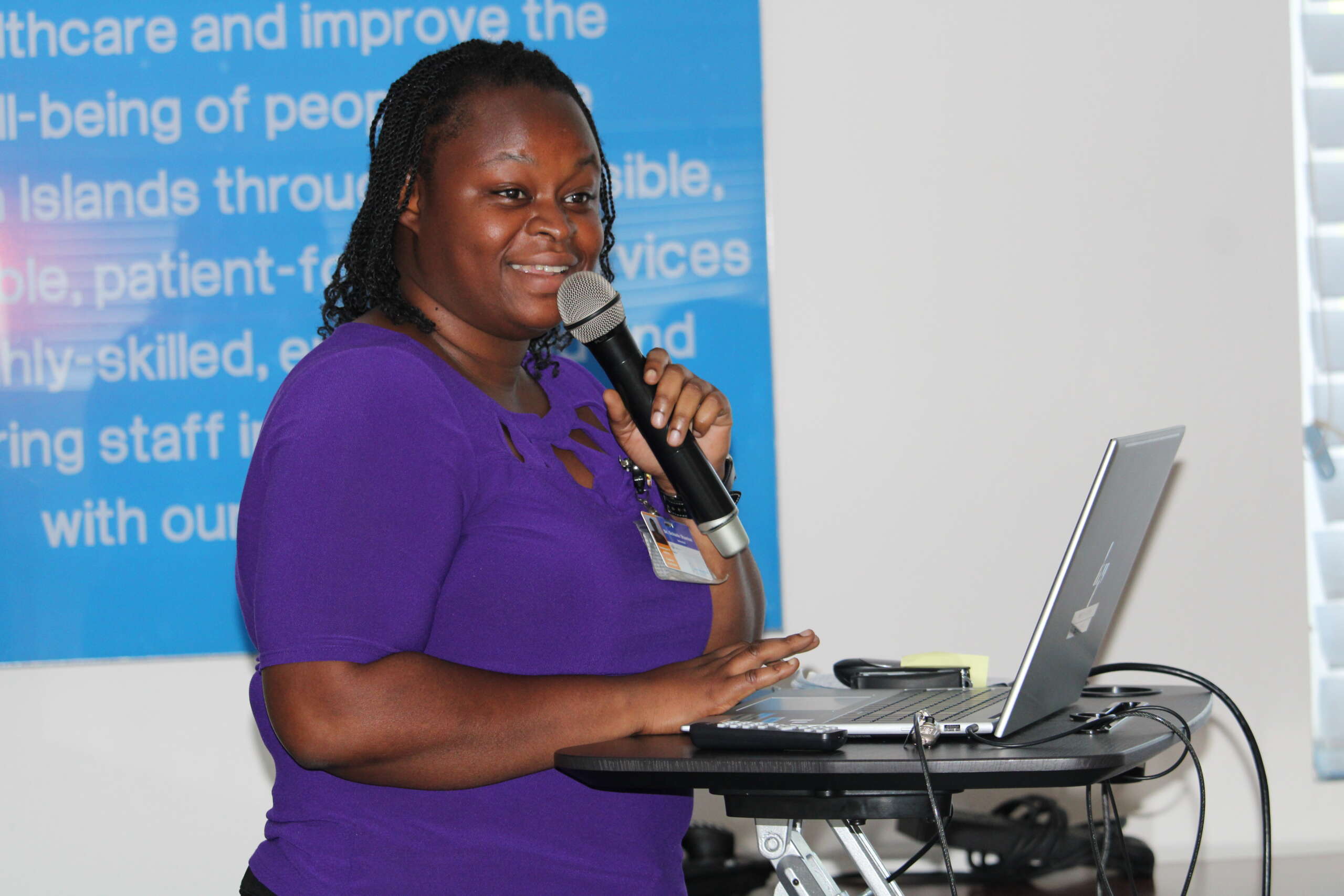
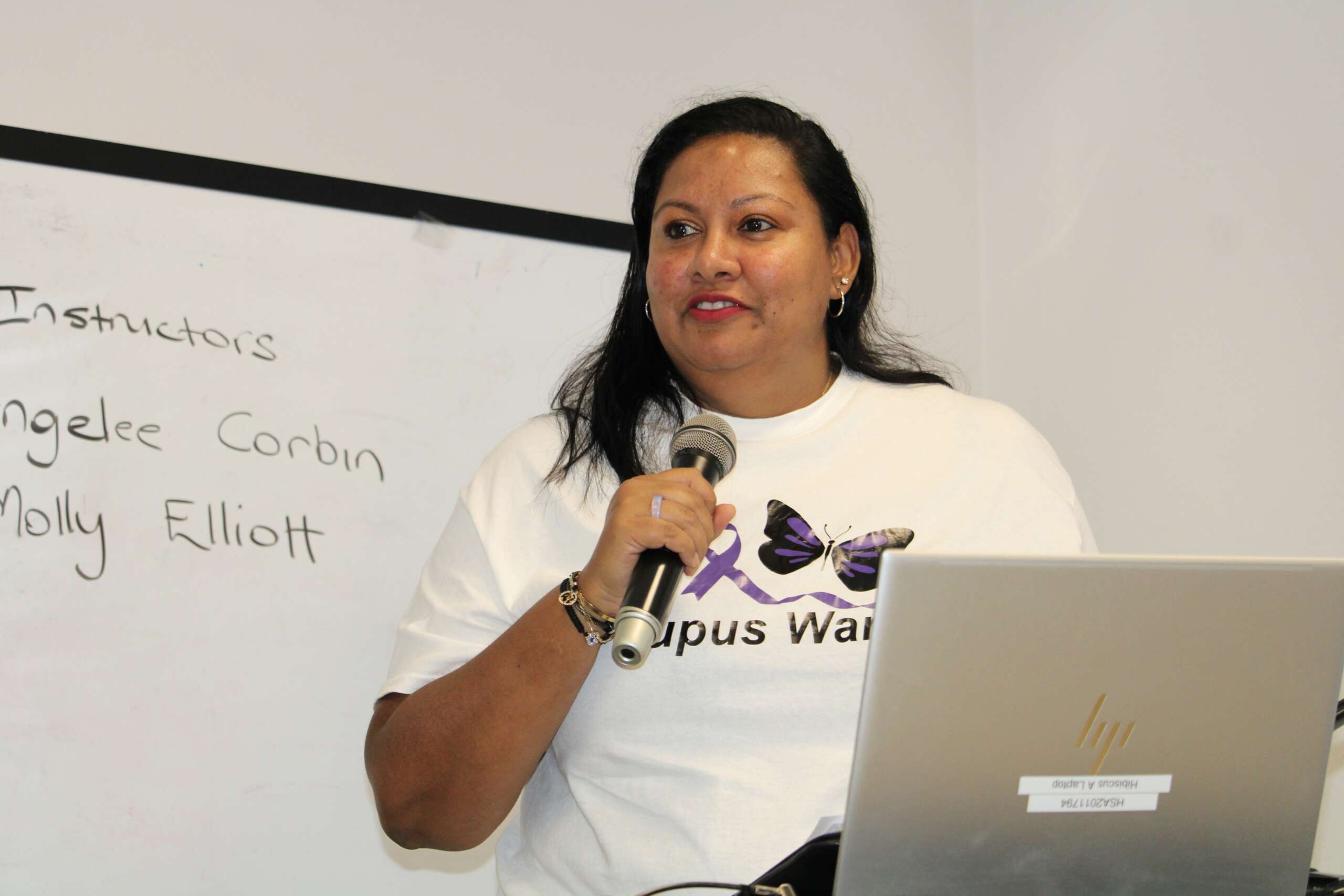
The Wings of Hope Lupus Support Group held its second annual Lupus Awareness Event on Thursday at the Cayman Islands Hospital. The group, founded by Reshma Ragoonath, focuses on public education for this auto-immune disease that attacks organs and tissue.
Speakers from the Health Services Authority, Doctors Hospital and Integra highlighted the need for holistic, collaborative treatment for lupus patients.
The community embraced that collective spirit by lighting the HSA building and government administrative buildings on Grand Cayman and Cayman Brac bright purple to recognise Lupus Awareness Month.
This year’s seminar centred on using knowledge of the disease to prevent flare-ups and long-term damage from lupus.
Ragoonath spoke on the concerns she had when first deciding to form the support group and becoming a public advocate amid a personal battle.

“I didn’t know where it would lead, nor what impact it would have,” she said. “But I walked the path anyway, laying bare my pain and struggles in the hope that it would provide hope and solace for people like me, and for family and friends like mine who struggle to see you struggle.”
Now, two years in, the support group has gained national attention and become an invaluable resource for people seeking more information about lupus.
Gauging Cayman’s population
The Lupus Foundation of America puts the estimated number of people affected by the disease in the United States at about 1.5 million. While there is not a current statistic available for the Cayman Islands population, that may change soon.
Dr. Sharon Chambers said the HSA and other organisations are collaborating on the launch of a lupus study to understand the prevalence of lupus in the Cayman Islands.
She said surveyors would be seeking input from both clinicians and patients to get a full picture. Once they submit the final documents to the Ethics Committee, the survey should quickly become available, she said.
“There are only a few prevalence studies of lupus in the Caribbean, and the time is ripe for Cayman to add to the pool of knowledge in that regard,” Chambers later explained to the Compass. “Cayman is compact enough and well-organised enough for us to conduct a short study.”
The data could prove particularly valuable for regional research, considering lupus disproportionately affects women and people with Black African, Caribbean and Asian ancestries, she said. It is also most common among people ages 15-45.
Dr. Chambers noted during the seminar that having reliable statistics should help advocates’ efforts to secure funding and other resources from international partners.
Understanding complexities
Dr. Schadé Stanton, a consultant internal medicine physician with HSA, is one of the people leading the study efforts. On Thursday, she explained the ways to treat lupus, but also the importance of preventative care.
The doctors stressed that lupus can look vastly different from person to person, and it is not always clear what exactly causes it, though medical experts believe genes, environment and hormones all play a role.
There are four main types of lupus, the most common being systemic lupus erythematosus; and symptoms can change based on sun exposure, stress and other factors.
Dr. Karen Galloway-Blake explained, “Those of us who treat patients with lupus know the distinct issues that they have, and the complications and challenges they have in every realm — emotional, physical, all of it.”
While no cure currently exists, medical teams from a variety of specialities have treatments to offer. Dr. Racquel Lowe-Jones, Dr. Alison Duncan and Mia Zurita respectively spoke to the kidney, skin and digestive aspects of lupus.
An ounce of prevention
Dr. Lowe-Jones, a consultant nephrologist with HSA, urged those with lupus to take special care of their kidneys considering kidney disease is a common complication associated with lupus.
“Sometimes we have to play with medications, going in between immunosuppressive medications,” she said. “We are in an age of precision medicine, where your specific DNA will respond to certain medications; whereas with your counterpart, it would not.”
She shared her excitement for advances in genetic research and medicine.
Dr. Duncan, an Integra dermatologist, ventured into environmental factors, particularly advocating against sun overexposure.
Wrapping up the discussion was Zurita, a nutritionist with HSA, who lauded the potential benefits of following the much-acclaimed Mediterranean Diet. It places focus on healthy proteins, fats and produce. It also recommends reducing sodium and sugar intake. Dr. Stanton previously noted that some foods, like alfalfa, may contribute to flareups, and those who are affected may want to reduce or eliminate them from their diet.
Forging ahead
Throughout the evening, speakers reiterated what a difference various treatments and lifestyle changes can make in countering the disease.
Ragoonath thanked attendees for committing to learning more about an auto-immune disease that is complex but being better understood every day.
“Seeing each one of you here gives me strength and courage,” she said.
Community members who are interested in joining the support group can reach out to its private Facebook page.
Editor’s note: Reshma Ragoonath is a Compass Media journalist.
Related Videos