The National Hurricane Center in Maimi, Florida, has boosted its storm prediction capabilities thanks to the addition of two cutting-edge supercomputers, specifically designed to monitor changes in weather and climate.
The NHC, which is a division of the US National Oceanic and Atmospheric Administration, is a leading authority that tracks cyclone activity in the Atlantic and Pacific basins.
It is one of two organisations which releases storm predictions that are considered by the Cayman Islands National Weather Service when issuing its own.
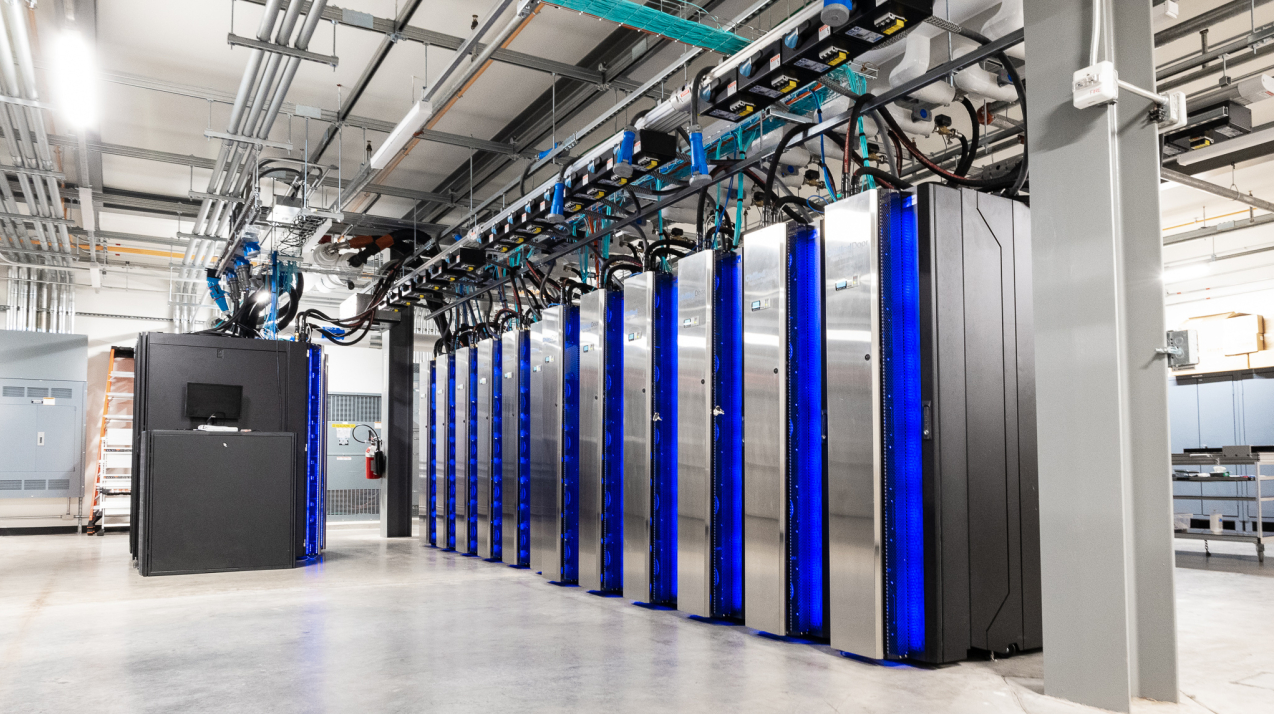
In a statement released on 28 June, a spokesperson for the NHC said the organisation took over operations of twin supercomputers named Dogwood and Cactus, which are located in Manassas, Virginia, and Phoenix, Arizona, respectively. Each unit was named after the native flora at its location.
The supercomputers are still in a testing phase and are expected to be put into use for the 2023 hurricane season pending results.
“More computing power will enable NOAA to provide the public with more detailed weather forecasts further in advance,” said NOAA Administrator, Rick Spinrad in a statement issued by NOAA.
According to the NHC, each supercomputer boasts a processing speed of 12.1 petaFLOPS and is capable of generating more than 12 quadrillion calculations per second – which is the equivalent processing power and storage space of 500,000 iPhones.
The additional two units mean NOAA now has six supercomputers, with the other four being located in West Virginia, Tennessee, Mississippi, and Colorado, which have a combined supercomputing capacity of 18 petaFLOPS. This means now has an overall processing capacity of 48 petaFLOPS.
A petaFLOP is a very large unit of computer processing speed.
In their statement, Ken Graham, director of NOAA’s National Weather Service said, “This is a big day for NOAA and the state of weather forecasting. Researchers are developing new ensemble-based forecast models at record speed, and now we have the computing power needed to implement many of these substantial advancements to improve weather and climate prediction.”
Related Videos