

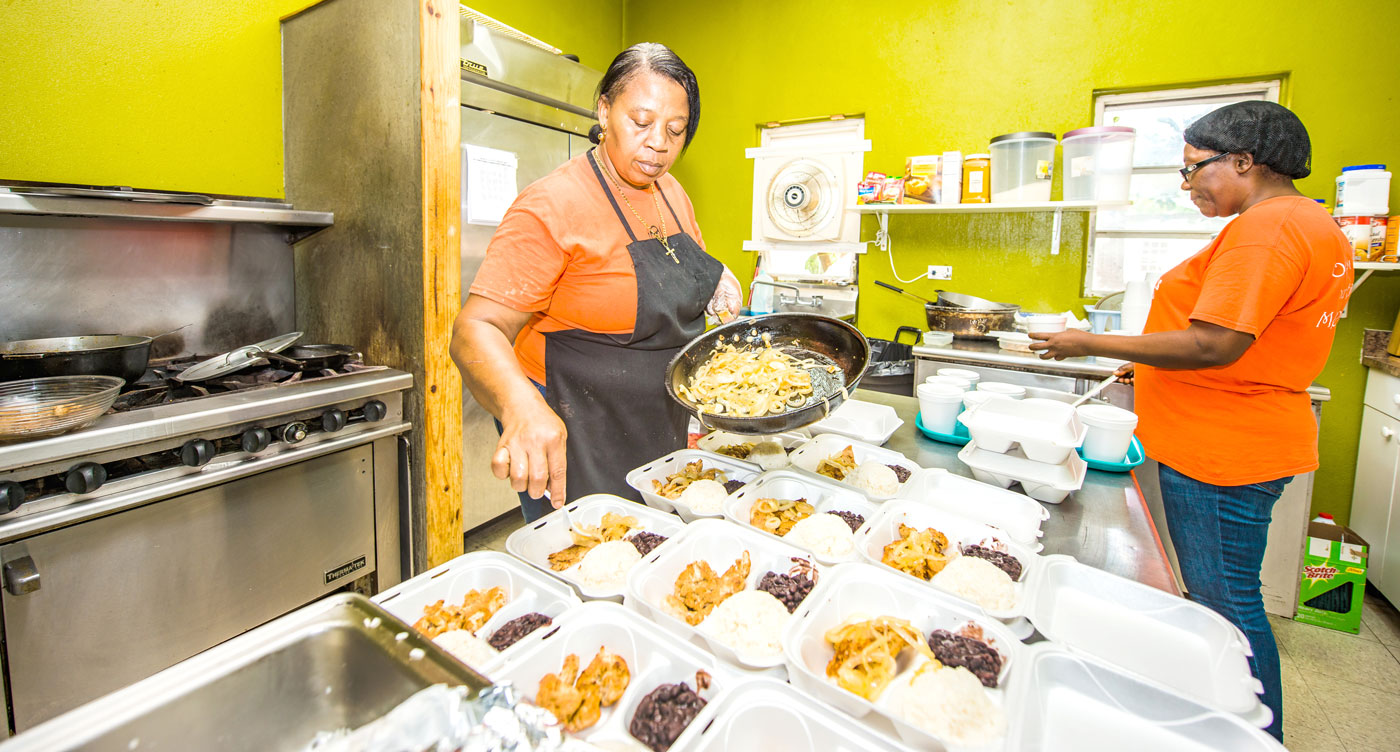
The vast majority of elderly people in Cayman will be unable to support themselves through retirement, with COVID-era pension raids making a bad situation worse, industry experts have warned.
Chamber pension chief Randall Fisher cautions that most Cayman Islands residents have enough saved to survive for just four years once they stop working full-time.
Economist Paul Byles warns that a ‘financially-secure retirement’ is already out of reach for many.
Opinion remains divided on the wisdom of Cayman’s COVID-era policy, which allowed residents to raid their retirement savings and the ongoing ‘pension holiday’ which suspends the legal requirement to set aside funds for later life.
Government extended that ‘holiday’ for another three months last week.
The cost-of-living crisis has compounded the impact of unemployment and business failures caused by the pandemic and the policy will ensure more money in people’s pockets now.
The flip side
But while these strategies have helped the islands’ people weather the economic storm, there is a flip side. And many will feel the consequences later.
Fisher said the Chamber Pension Fund is down $1.4 million-a-month in unpaid contributions – approximately $42 million – since the pension holiday began. That’s on top of the impact of those who took advantage of the ‘emergency withdrawal’ opportunity to access a portion of their retirement savings when COVID hit in spring 2020.
Under those provisions, eligible applicants were granted a single lump sum of 100% of their pension balance up to $10,000. People who had savings in excess of that amount could withdraw $10,000, plus up to a quarter of the remaining balance.
Byles believes those policies were well-intended and effective, to a point. He said it was easy to be critical in hindsight, but he believes allowing people to access those savings at that time, with the instability and unpredictability of the pandemic was the right move.
“The problem lies in how those pension funds were spent,” he said.
If the cash withdrawals went towards successful business or real estate development, he said, then those investors may find themselves in a better position, but those who splurged on flat-screen televisions or other depreciating assets could be in trouble.
Fisher said there was evidence to suggest that voluntary contributions – which are accessible to savers before retirement – were also being pulled for non-investment purposes such as school fees and home repairs.
Pension reform needed
Darren Trickett, of Island Heritage, said the suspension of pension contributions for more than two-and-a-half years would leave many Cayman residents in a “perilous situation” when it comes to retirement.
He said these impacts were compounded by a similar suspension of payments in 2010, combined with the fact that the required monthly contributions are too low anyway.
Fisher agrees that the mandatory contributions required of all workers and their employers in the Cayman Islands – totalling 10% of the salary – are not high enough. He said they should be increased to at least the same as the public service pension fund, which includes contributions of 6% from the employee, matched by the employer.
The Mercer Report in 2007 concluded significant increases would be needed to allow people to retire securely, though nothing has changed in the 15 years since that document was produced.
“It goes without saying that many will be worse off if they have taken advantage of the COVID-19 emergency withdrawal and pension holiday,” said Trickett.
He believes anyone who used that option should be looking to replenish their savings as soon as possible. But this will be made easier once pension holidays are suspended and with a long-term strategy to increase mandatory contributions.
Economist Simon Cawdery, host of the ‘Money Sense’ radio show, has previously analysed the impact of COVID pension policies for the Compass, arguing they were too sweeping.
He said it was clear that many people, who had not been impacted economically by COVID, had taken the opportunity to dip into their pension funds anyway.
“No one can fault the government for allowing people who had lost jobs to access their pensions, but under what circumstances is it sensible to allow someone with no job disruption to withdraw $50,000 from their pension funds and buy a BMW that will be worth less than zero when they retire?” he said.
Retirement in Cayman an ongoing challenge
The COVID-polices can’t be exclusively blamed for the retirement challenges facing Cayman’s pensioners. The existing law has only been in place for little over two decades and, without substantial additional investment beyond the mandatory contributions, few workers would have enough money to retire securely anyway.
Trickett argues for innovations like the US’ 401(k) to help savers invest for retirement.
Byles believes better education and financial literacy is needed across the board, starting with young people in high school
He said, “The challenge we have in this country is that most of the older population have not had sufficient years to contribute to a pension fund because we started a formal pensions system for private sector employees only a few decades ago.”
He added that most people will find retirement difficult unless they have their own nest egg.
“Some pension funds perform better than others, but given the very high cost of living in the Cayman Islands, it’s likely very challenging to live comfortably when you retire, even if your pension provider performed well,” he said.
“Cayman is expensive for many reasons but two of those reasons are the government’s heavy reliance on consumption taxes and the fact that we import most of what we consume. Add to that the lack of affordable housing and the cost of electricity in this country and you see very quickly why some people feel that being adequately prepared for retirement is a losing battle.”
Related Videos











I like to see how these pension companies protect their nest-eggs (contributor’s money) and are vocal about it but say little or nothing when they lost funds through investments.