By Patrick Brendel, Cayman Current
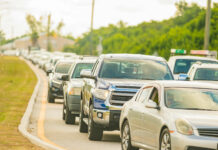
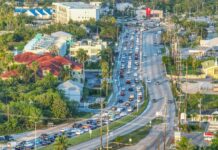
 It’s the beginning of the new school year, and the increase in activity in Cayman Islands classrooms is only matched (almost) by the increase in roadway traffic during morning and afternoon commutes.
While you spend your precious time gazing blankly out of the windshield at the bumpers of other vehicles, here’s some good news to ponder: You’re not going crazy. Yes, there are more cars than ever carrying students to school.
But here’s the bad news: It could get much, much worse.
For the past 20-odd years, the transportation method of choice to get students to and from Cayman schools has been “private vehicle”.
In 2021, nearly 10,000 people used cars to travel to school, according to the Cayman Islands’ 2021 Census of Population and Housing Report. That’s about two-thirds of the total.
Numerically, that was an increase of more than 2,500 passengers compared to 2010, and more than 5,500 passengers since 1999.
Projecting the private vehicle numbers forward (with the same caveats as stated in our main story), by 2032 Cayman’s roads could have to accommodate an additional 4,200 car passengers going to school.

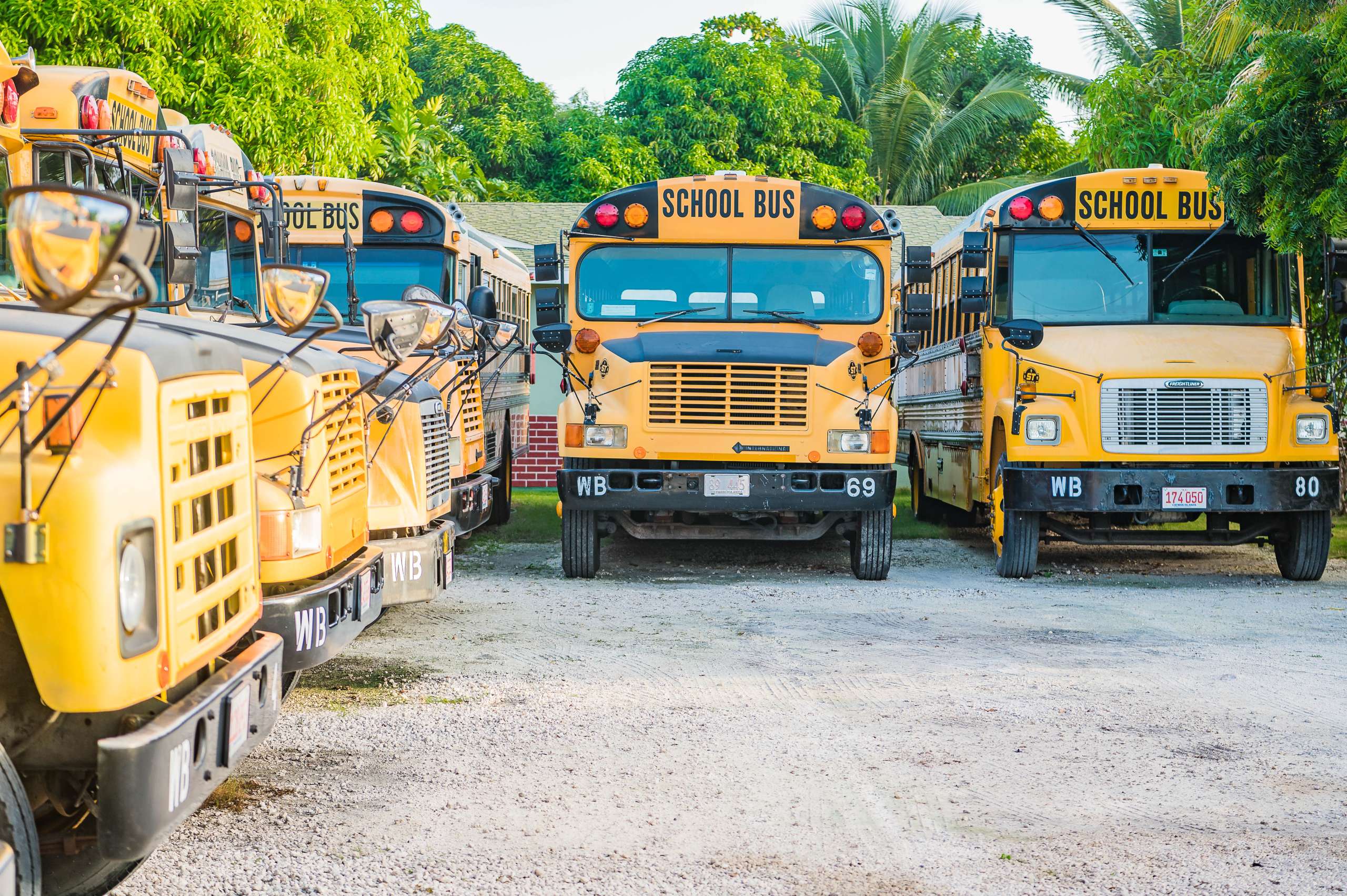
School buses, meanwhile, served 14% of people going to school, just under 2,100 passengers. That was a slight numerical increase from 2010, although proportionally, Cayman school buses have served a smaller percentage of the population in each of the last two decades.
In a distant third place is walking, which has ranged between 300-400 people since 1999. That used to be 6% of school-bound people, but in 2021 was 2%.
Don’t expect school bus numbers to increase over the next decade if public school enrolment remains flat – that is, unless proposals to create a coordinated school bus system for private schools ever become reality.
Related Videos