

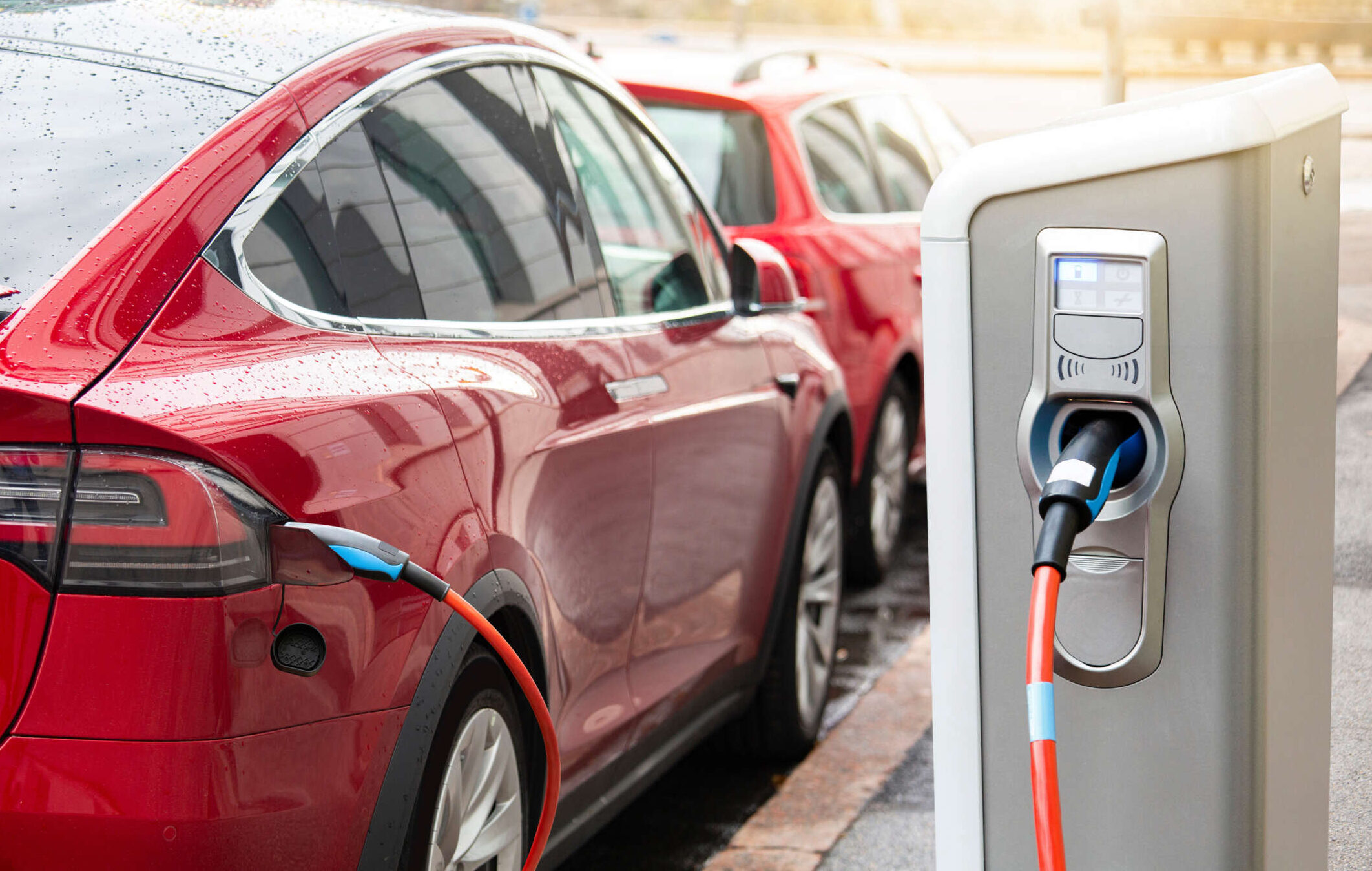
In the wake of the COP27 climate change conference, a UN global ambassador has called on Caribbean governments to prioritise reducing their carbon footprints, starting with the decarbonisation of their transport.
United Nations Framework Convention on Climate Change Global Ambassador Racquel Moses told regional journalists over Zoom on Monday, 21 Nov. following the global conference in Egypt that the top of her wish list would be for the Caribbean to push more for the use of electric or hydrogen vehicles.
Deliotte, in a recent article, explained that “decarbonisation is the term used for removal or reduction of carbon dioxide (CO2) output into the atmosphere. Decarbonisation is achieved by switching to usage of low carbon energy sources.”
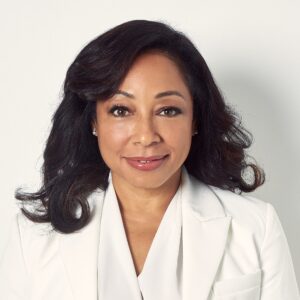
Moses stressed the increasing need for initiatives to implement climate goals within the Caribbean.
The lone UNFCCC Global Ambassador from the region, Moses said Barbados has already started its decarbonisation plans and she is urging other regional governments to consider implementing transitions.
“I think we’re going to be looking at potentially working with Anguilla, together with some global foundations that manufacture cars… I think that’s a huge opportunity for us in the region because we are small, and we have the ability to transition at scale. The US hasn’t figured out, and will not figure out, what does it look like when 80% of your cars are zero carbon, are either running on hydrogen or running on electric vehicles?” Moses said.
She pointed out that questions like “What happens to your service stations and what happens to the people in that industry? How do they transition?” have to be answered to move the process forward.
“That’s a key area and opportunity for the region to teach up and to show the rest of the world ‘Listen, if I have 50,000… or 100,000 or 200,000 [new] cars, I will show you what transition looks like at scale’… in exchange for support in funding that transition,” she said.
There have been major strides in Barbados and Bermuda towards transition from public transport buses to converting tourist vehicles to electric vehicles, Moses said.
Cayman Transport Minister Kenneth Bryan has spoken about improving local public transport and had previously looked at the Barbados model, which has integrated electric buses into its network.
Local firm Deloitte was awarded a $199,600 contract to work on a public transportation system plan for the Cayman Islands.
“They have already started work on the review of proposing the best… public transport system… not roads, infrastructure, (Department of Vehicle and Drivers’ Licensing) and all that, just the public transport. [T]hey’re expected to finish that review within 16 to 18 weeks,” Bryan said earlier this month on the Cayman Compass Facebook talkshow ‘The Resh Hour’, adding that he anticipates getting the report, which will include “suggestions for government to make a decision on” in the first quarter of 2023.
Plastic waste needs attention
Moses said there is huge opportunity for the region to improve its food security, and while some attention is being paid through individual projects in some countries in the Caribbean, there is scope for more.
“We’re working with a number of governments across the region on how they increase their food yields through climate smart agriculture and using different tools that can help them to do that transition,” she said.
She also pointed out there has been at a lot of innovation concerning the remediation of plastic waste and she would love to see countries like Trinidad finally implement the plastic ban it has been talking about.
“So many islands in the Eastern Caribbean have already done it,” she said.
The Cayman Islands is yet to implement a ban on single-plastic use.
Moses, who is also the CEO of the Caribbean Climate-Smart Accelerator (CCSA), said her team is also working on a project with a CRDC, a company out of Costa Rica, which is looking at turning plastic waste into a resin that then can strengthen concrete.
“So that improves our building environment, improves the insulation while finding a use for plastic waste, especially considering what the plastic waste is doing to our oceans and our fishing and our mangroves,” she said.
Blue economy
Moses added that she would like to see development of the blue economy in the region. According to the World Bank, the blue economy is the “sustainable use of ocean resources for economic growth, improved livelihoods, and jobs while preserving the health of ocean ecosystem”.
She continued, “We’re seeing a lot of investor interest in the blue economy, but we’re not seeing enough projects… A lot of it has to do with education about what is the blue economy and how we can participate in it. It is about sustainable fishing and how you protect your fishery by still using our most abundant source of natural protein which is the fish in the ocean. So how do we more sustainably take care of our ocean while using its resources?”
The Caribbean Climate-Smart Accelerator, in a statement following Moses’s media conference, said it presented its fourth Investor Forum in-person at the CARICOM pavilion within the COP27 venue – where it focused on projects available from the region including Dominica’s National Financing Vehicle to commercialise its extensive geothermal potential.
The US$100 million project, it said, drew considerable interest from investors.
“Not only could it drive the country’s shift to a sustainable economy, it is also an important pathway toward the development of a Caribbean Single Energy Export Market for green hydrogen. Using geothermal energy as an input will benefit the whole region, creating a new export market that capitalises on existing tourism relationships to decarbonize cruising and airlift,” it said.
Related Videos









Climate Change is a serious problem. But she should direct her attention to the elephant in the room. China has 1.4 billion people, the second largest economy in the world and is INCREASING its carbon emissions and building a new coal powered generator every week.