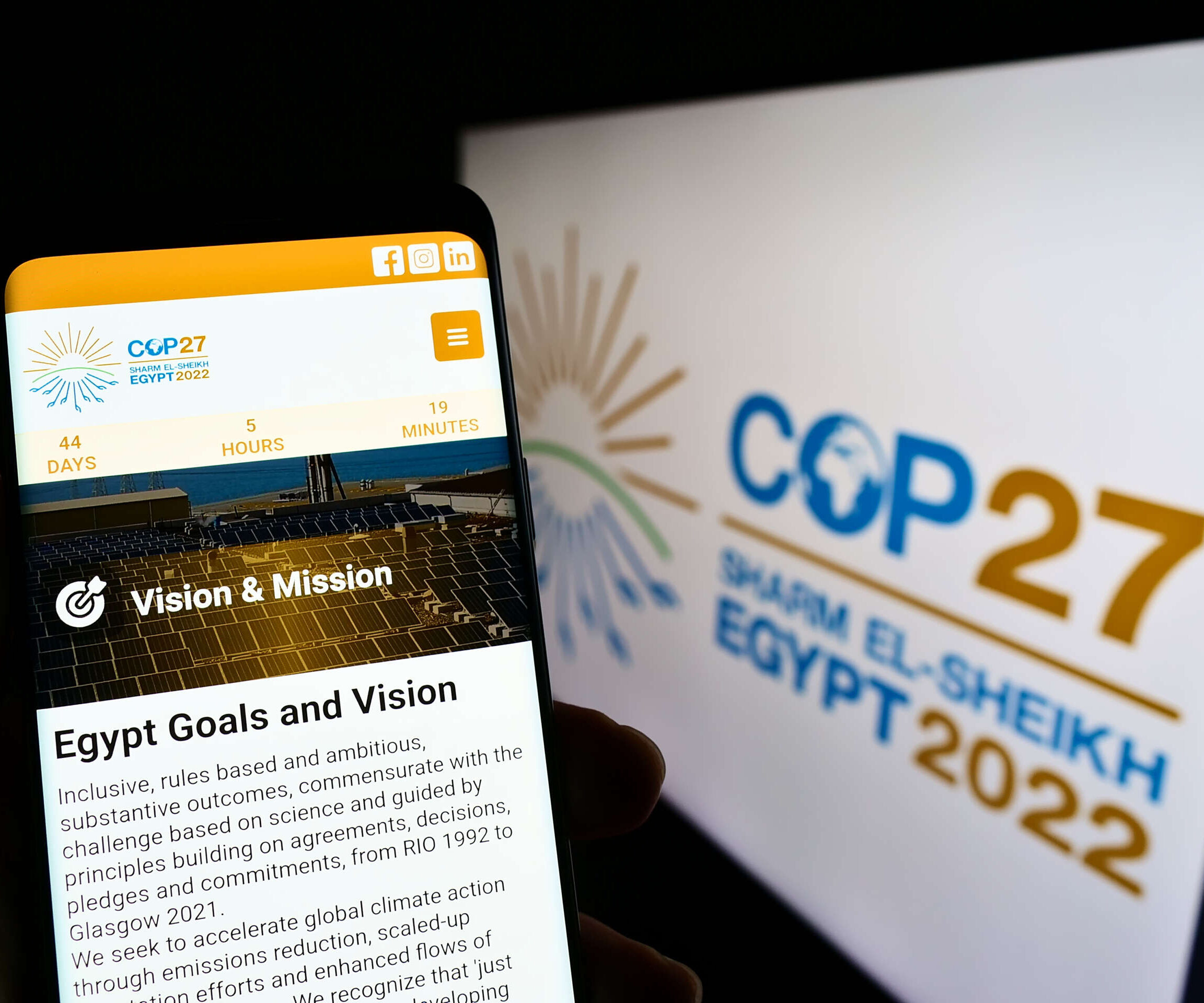
A landmark agreement has emerged out of the COP27 talks in Egypt as leaders decided to provide ‘loss and damage’ funding for vulnerable countries hit hard by climate disasters, the United Nations Framework Convention on Climate Change announced Monday.
In announcing the agreement, Simon Stiell, UN Framework Convention on Climate Change executive secretary, said, “This outcome moves us forward.”
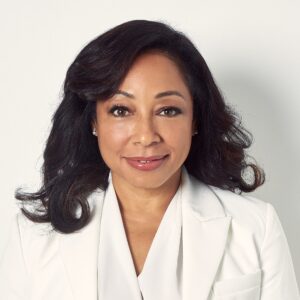
“We have determined a way forward on a decades-long conversation on funding for loss and damage – deliberating over how we address the impacts on communities whose lives and livelihoods have been ruined by the very worst impacts of climate change,” he said.
A win for the region
Racquel Moses, the lone UNFCC Ambassador from the Caribbean, welcomed the creation of the fund at a regional media conference Monday morning via Zoom.
Moses, chief executive officer of Caribbean Climate-Smart Accelerator, said the details of the fund are to be finalised, including how countries can access it and the amount available.
“At this moment, however, there is the Green Climate Fund, the Adaptation Fund, and a number of the other mechanisms that are available and all of them have their own sort of parameters,” she said.
However, she said, a list of all of the sources of funding – “the ones that are really popular, and the ones that are less popular as a region” – is being populated to assist the Caribbean.
Reflecting on the loss and damage fund, Moses said it was a milestone moment for the region as many island nations are bearing the brunt of the impact from climate change.
“I knew that there was a really great chance that we would not have gotten an agreement on loss and damage,” she admitted, saying that she was “pleasantly surprised” that the UNFCCC got to this stage.
The UNFCCC, in its statement said, “Creating a specific fund for loss and damage marked an important point of progress, with the issue added to the official agenda and adopted for the first time at COP27. Governments took the ground-breaking decision to establish new funding arrangements, as well as a dedicated fund, to assist developing countries in responding to loss and damage”.
Governments, it said, also agreed to establish a ‘transitional committee’ to make recommendations on how to initiate both the new funding arrangements and the fund at COP28 next year.
The first meeting of the transitional committee is expected to take place before the end of March 2023.
Moses said that though there are other funds open to the region to obtain for climate change projects, “the reality is that a lot of the money is really hard to access”.
Additionally, she said there are no full-time resources to help fill out a Green Climate Fund application as well as the issue of having to wait “months and months and months to be able to have it come to fruition”.
She said raising awareness is happening, but until “until we are in the position where we are applying for funding as it becomes available then nothing is really changing. So that’s the gap that we need to close now, and that’s what we want to work with.”
The private sector helping to bring new kinds of funding to the table, Moses said, assists in financing projects in different kinds of ways, and by using the attention from the advocacy of those initiatives they will be able to close the gap, thereby helping the region.
More citizen action needed
At the media conference, Moses said she was pleased to see a number of projects happening within the region that address climate change mitigation, but added she would like to see citizens take more ownership of their response to the global challenge.
“We have to start thinking about how we interact with this planet, and what the opportunities are for us to live a healthier and better life,” she said, adding she still sees people throwing garbage out of car windows and opting for plastic bags at the supermarket versus bringing their own.
It boils down to individual responsibility, she said, not just at the leadership level.
“In terms of education, I think that there are pockets where it’s going really, really well, and there’s a lot of education, and there are other places where it’s not going as well, and that’s something that needs to be carried through the region. You need to be all on the same page as it relates to what we can do as individuals to support climate action, because it’s important to all of us,” Moses added.
Related Videos