


The Cayman Islands Humane Society is requesting the government rethink new regulations that criminalise trap-neuter-release programmes for stray cats and dogs, and the feeding of animals in the wild.
In an open letter to Premier Wayne Panton, dated 6 Feb., the charity said it considered that provisions under the National Conservation (Alien Species) Regulations, 2022, were “unnecessary, disproportionate and represent a drastic regression for animal welfare law and policy in these Islands”.
It implored the government to rethink its position in relation to trap-neuter-release and the criminalisation of the feeding of cats and chickens.
“By mandating its citizens, residents and visitors to engage in wilful neglect, thereby causing cruel and unnecessary suffering, the Government has relegated Cayman’s animal welfare regime far behind those of other developed countries,” the charity wrote.
It said the current state of affairs is “plainly untenable” and that “failure to remedy the defects in the Regulations will likely result in far greater suffering for the animals of these islands, including those the Government purportedly seeks to protect. In the circumstances, we invite the Government to repeal the Regulations forthwith and proceed to carry out a proper consultation process with all relevant stakeholders including the public it serves.”
The Compass reached out to the Office of the Premier and was told Panton had received the letter from the Humane Society and that government was formulating a response.
The regulations, which were passed by Cabinet late last year, aim to ensure “greater protections for Cayman’s most precious native flora and fauna (plants and animals) with the creation of a prohibited species list, and differentiating between domestic and feral species. The legislation also provides ways to control feral and alien species, crucial to reducing threats to both pets as well as our native species”, according to the National Conservation Council.
At a meeting between the DoE and the Humane Society recently to clarify some elements of the new regulations, it was agreed that animal charities could continue to sterilise and release outdoor pets that live on people’s private properties, and that are fed and cared for by an owner.
‘Disproportionate response’
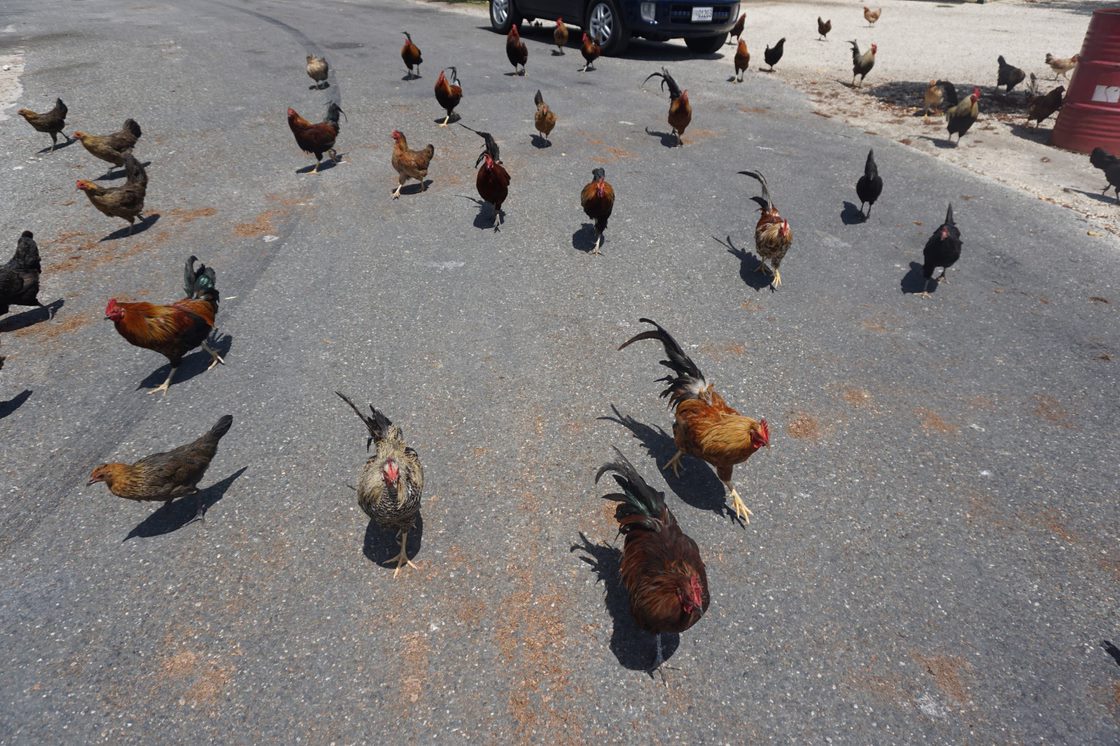
In the letter, the charity said the regulations represented “a grossly disproportionate response to the perceived issues and provide for an equally disproportionate enforcement regime”.
It added, “The fact that the Government has not only seen fit to criminalise the feeding of cats and chickens, but has deemed this to be an imprisonable offence, is something of which this Government should be deeply ashamed. The FAQs published by the National Conservation Council are an embarrassment and demonstrate that these Regulations were ill-considered and rushed, with little thought to how they would play out in practice or be enforced.”
Under the regulations, which are associated with the National Conservation Act, feeding of feral “alien” animals, which includes cats and chickens, carry tiered penalties.
A DoE spokesperson has previously told the Compass: “If/when cases of enforcement become necessary, Regulation 18 would apply which sets out a tiered approach of:
- A warning for a first offence. (Technically a cease and desist order, telling the person to stop doing the possibly illegal act.)
- For a second offence, upon conviction, a fine of up to $5,000.
- For a third and subsequent offences the full penalty under the National Conservation Act can apply, i.e., section 38 of the Act, a fine of up to $500,000 &/or imprisonment up to 4 years. But what the actual penalty will be is always up to the judge.”
However, the DoE has said that no one would be arrested for feeding chickens or cats, and the likelihood of a maximum penalty being imposed is negligible.
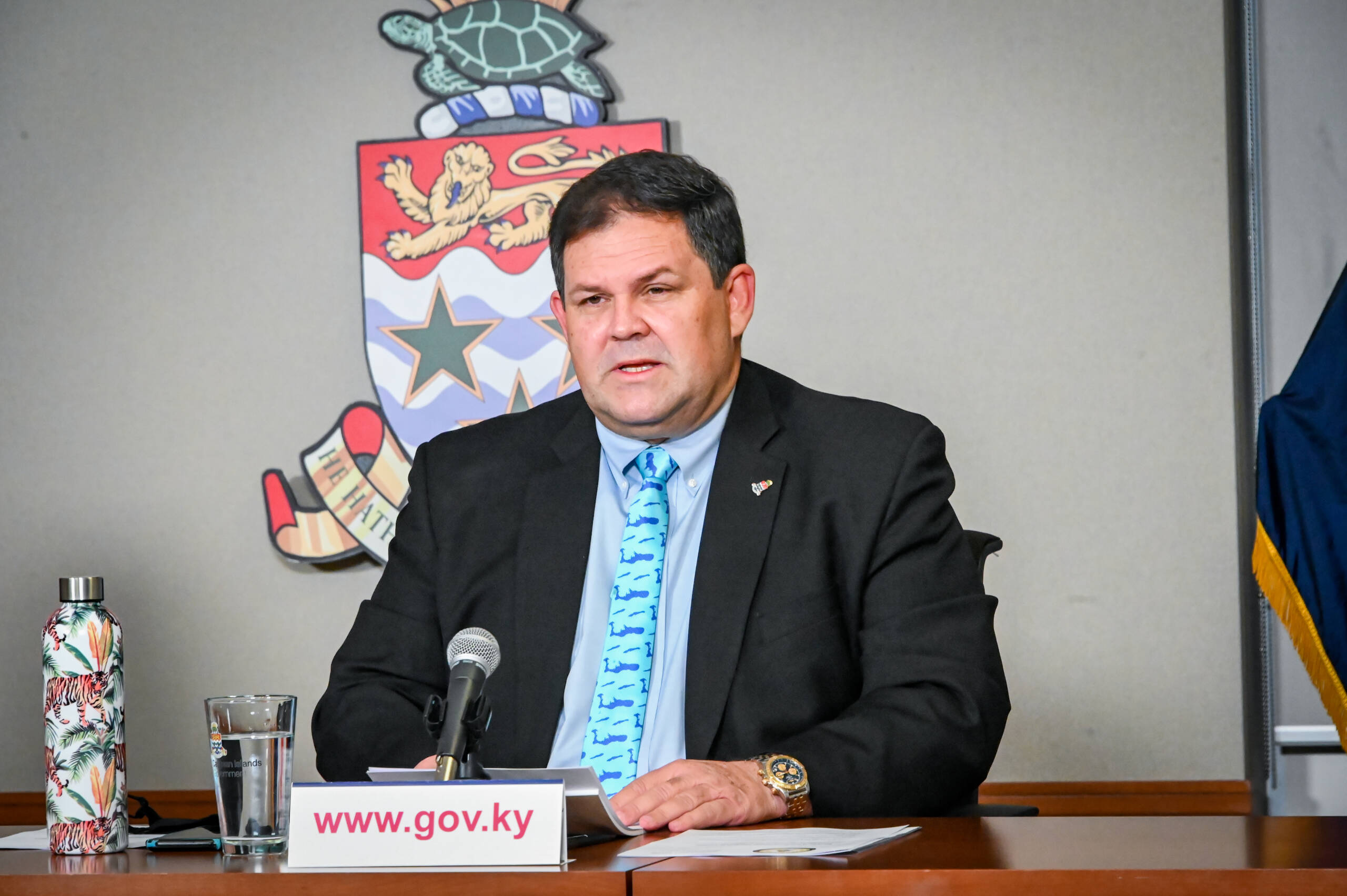
Panton, speaking on Orrett Connor’s ‘For the Record’ talkshow on Radio Cayman on Monday, 6 Feb., said the response to penalties relating to the feeding of chickens had been “blown out of proportion” on social media, and insisted there was never any intention of jailing people for feeding chickens.
He said the maximum penalty, under the National Conservation Act, had been in place since the legislation was enacted in 2013, and would only be imposed for the most serious offences.
“Nobody sat down and said ‘Let’s do regulations to stop people feeding chickens… or cats,” he said. “It’s called the Alien Species Regulations for a reason,” adding that the regulations are in place to protect local flora and fauna from threats from invasive and alien species.
‘Lack of consultation’
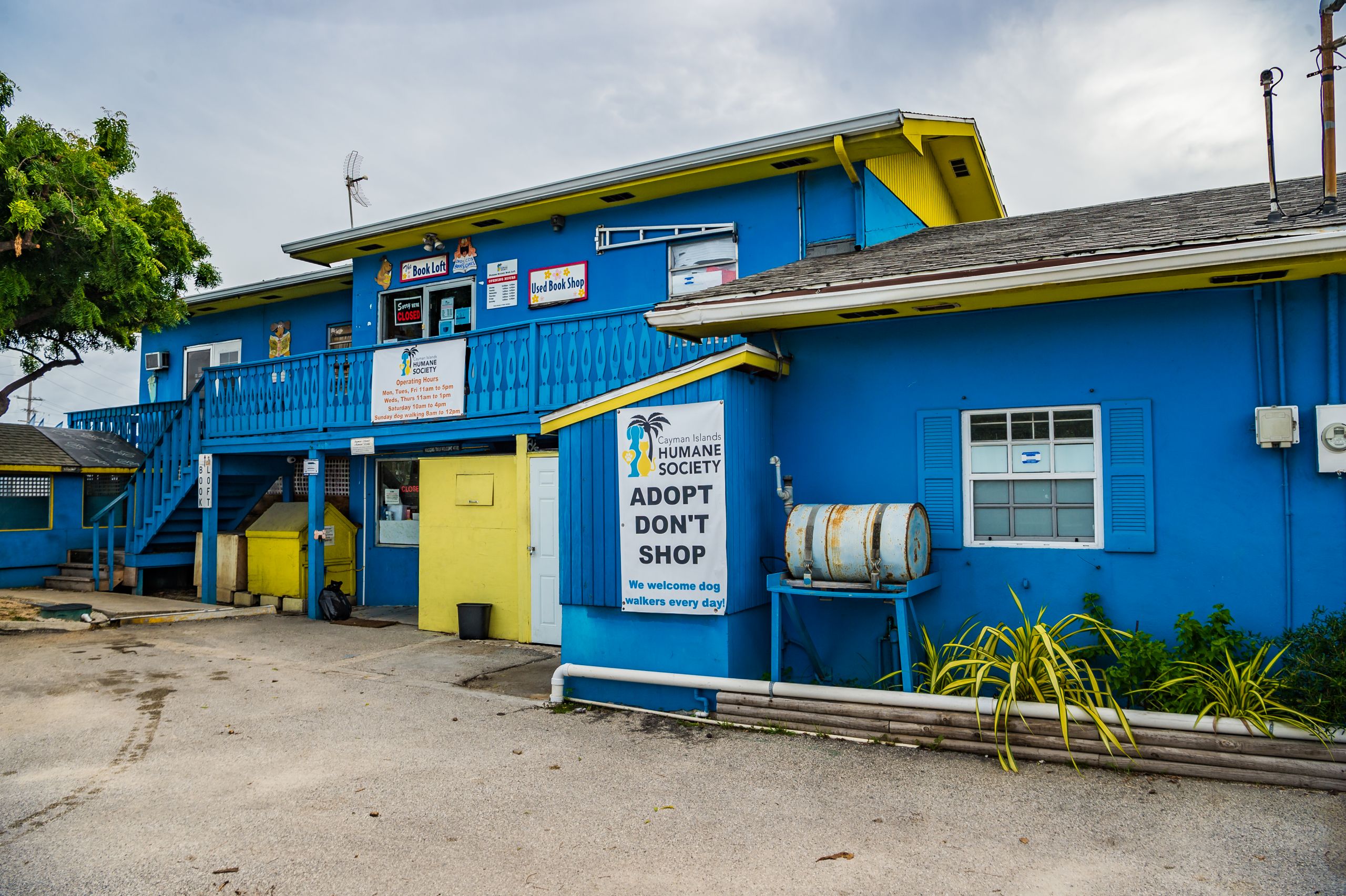
In its letter, the Humane Society said it was “extremely disappointed” with the lack of consultation with animal charities on island before the regulations were released.
“We were not afforded the opportunity to share our expertise into the issues at hand, nor to provide constructive feedback as to the practical implications of the Regulations,” it said. “It is clear that, in failing to engage in a dialogue with us and other key stakeholders, important issues have not been considered.”
It noted that this had resulted in “irrational regulations and a confused, inconsistent and misleading narrative being propagated by the Government in relation to these important animal welfare issues”.
While the regulations relating to the control of “alien” species that threaten native animals and plants in the Cayman Islands were released in November 2022, the issue of how to control the growing population of feral cats on the islands has been long-standing.
A cull of stray cats on Little Cayman, first planned for five years ago, was halted for several years after animal charities brought a judicial review challenging the plan. After an agreement was reached on the methods of euthanasia for the feral cats, the cull began in June last year. Another cull is under way on Cayman Brac, this time on a remote part of the Bluff where brown booby birds nest. Cats are being blamed for a drastic decline in the number of fledglings there.
Related Videos












Sorry animal lovers but I support the ban on feeding feral animals.
The chicken you so lovingly feed defacate in other people’s yard, a health hazard to small children running around barefoot.
And their crowing wakes other people at dawn.
Trap them and take them to your own yards if you wish.
There is however some merit to the humane society’s argument they should be allowed to neuter wild cats then release them.
The main issue with this law is that not only is it inhumane, but it is also completely ineffective. This law will not prevent chickens from finding food left by people littering, garbage, etc. As long as they can breed, and have some kind of a food source, they will continue to reproduce at almost the same rate.
Cats are essential for controlling pests. As the outdoor cat population decreases, rats, mice, and small reptile populations will rise drastically. There are much safer ways to control cat populations such as the Trap-Neuter-Release program, which is much more humane.
It is very obvious the lack of research that went into passing this law and shameful that the government failed to consult any animal charity organizations.