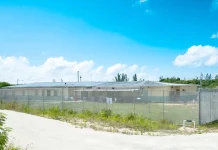
At least a dozen Cuban nationals, living in rented accommodation, were rounded up and moved into an overcrowded temporary shelter at Bodden Town Civic Centre Monday evening, the Compass has learned.
The group had been living in the community, kept track of by border control officials through electronic monitors. But they were moved en masse to the community centre, which has been repurposed as a shelter.
Members of the group say the conditions are cramped and unsanitary and they have been given no explanation of what is going on.
There were already around 30 other Cubans living in the shelter, some of whom are being kept on a separate floor, because they are sick.
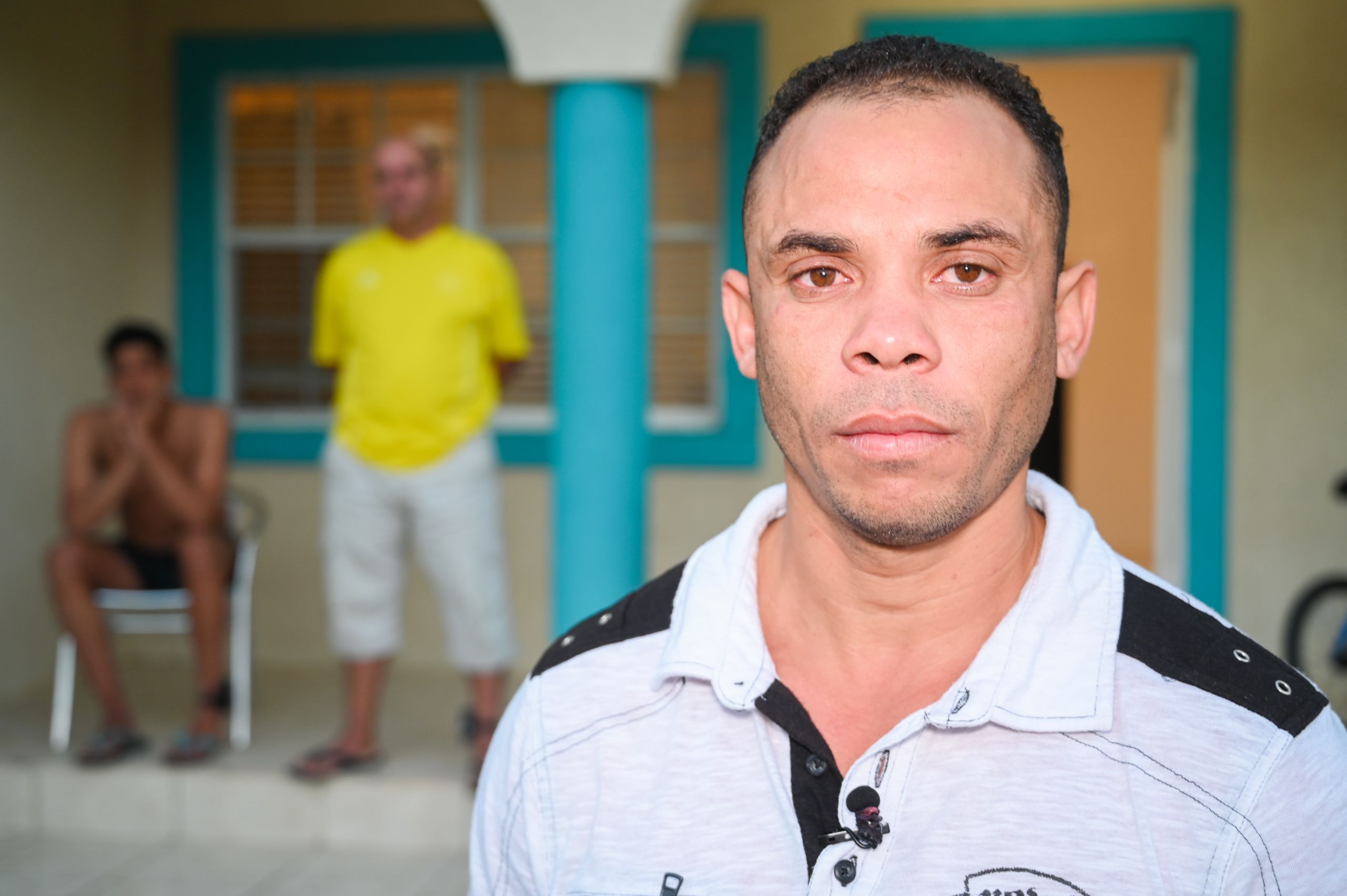
Alex Silveira, who made headlines last year when he helped pull a man from his burning vehicle after a car smash, was among those transferred to the civic centre.
Silveira told the Compass in a voice note that the rental accommodation had been closed off.
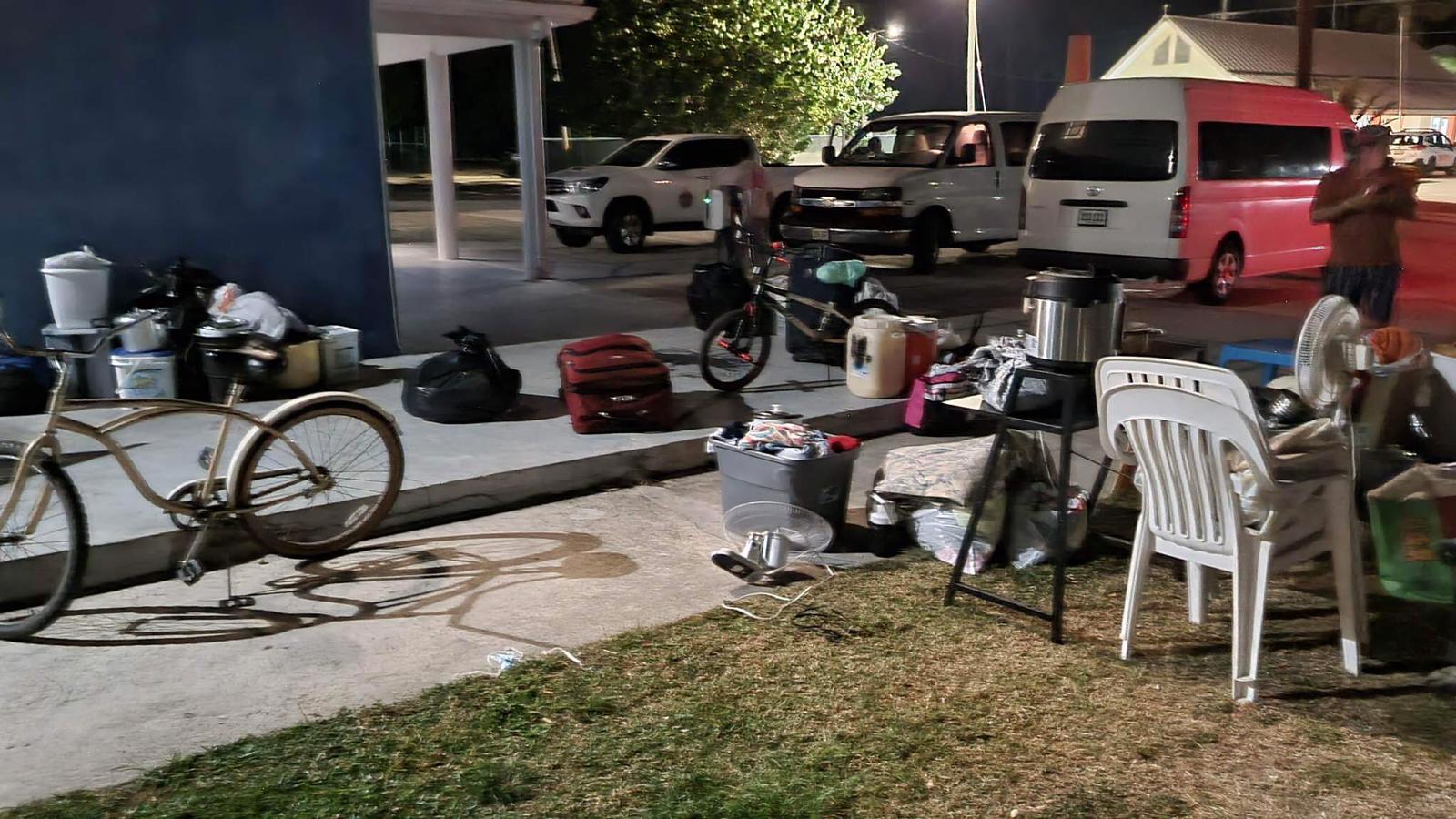
“Immigration arrived around 8pm to look for us and take us out of the rentals and move us to Bodden Town Civic Centre. They brought us here with all our belongings.”
He said they had arrived at the centre to find there was not enough room for everybody because the first floor was being segregated for other Cubans who are sick, apparently with chicken pox or a similar ailment.
Other government officials arrived on scene and recommended they be taken to another community centre at Breakers. But Silveira said they had declined to go because that centre has only one bathroom and no kitchen.
“We camped out here with all our stuff outside. We are now all crowded together on the second floor.”
He estimated there are currently around 50 people living at the civic centre, with others at the detention centre in George Town.
“A lot of people are afraid of being deported,” he said, noting an increase in recent repatriation flights to Cuba.
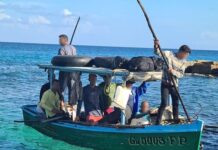
Silveira recently had his application for asylum refused but is seeking to appeal. He has been in Cayman for just over two years after arriving on a raft from Cuba.
Customs and Border Control did not respond to questions from the Compass on Tuesday.
Repatriation flights stepped up
CBC been stepping up efforts to process asylum claims and deport unsuccessful claimants back to Cuba.
In a press release earlier this year, Deputy Premier Chris Saunders said, “I look forward to increasing numbers of repatriation flights in 2023 as we work to expedite the political asylum application process.
“While we collectively have sympathy for the migrants’ economic plight, the Cayman Islands simply cannot absorb these increasing numbers of migrants or afford the burdensome cost of their long-term residence and maintenance here.”
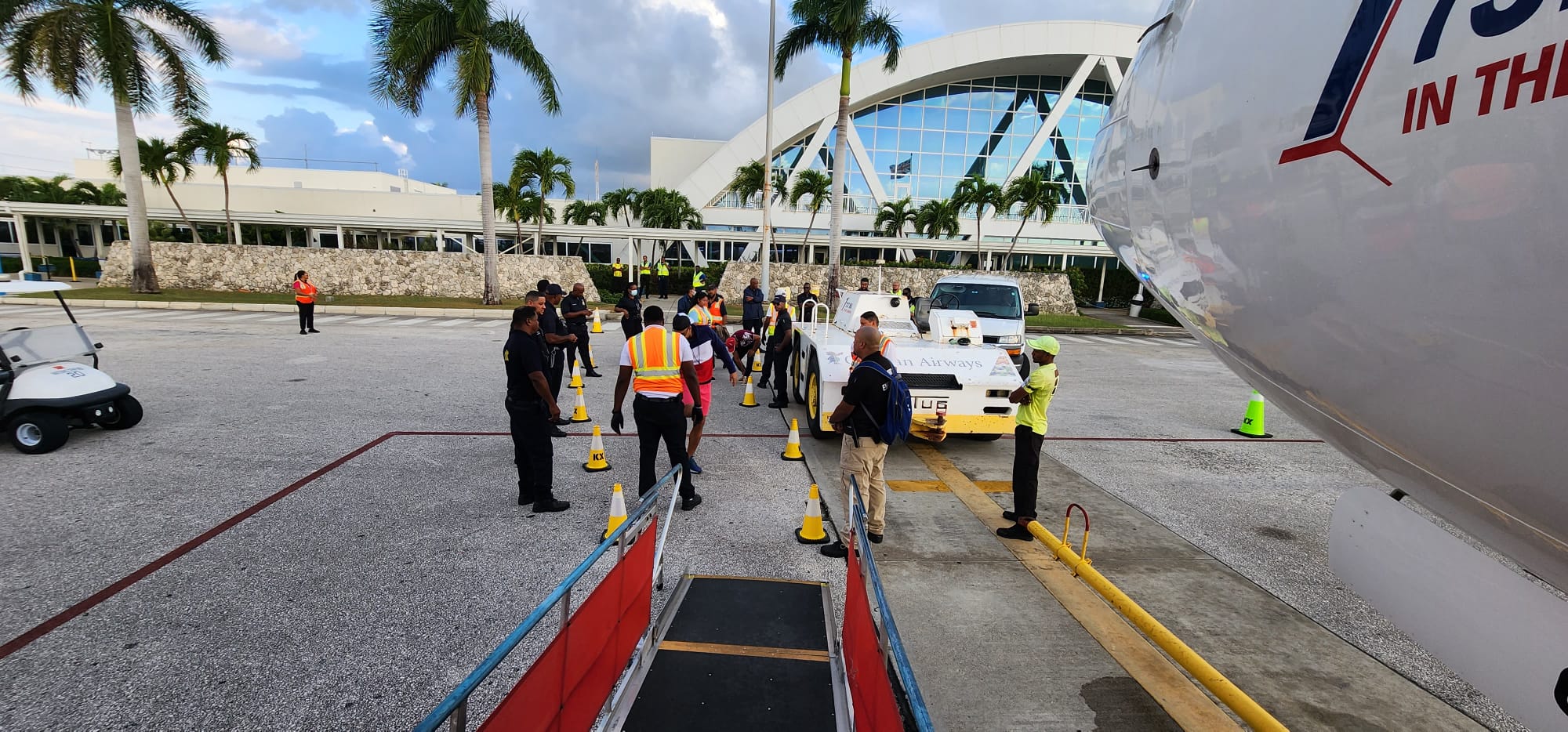
CBC Director Charles Clifford said at the same time, “These operations are vital in managing the current migrant crisis these islands are facing. Additional repatriation flights will be arranged soon.”
Silveira said the Cubans had been given no indication as to why they were moved to the community centre but many fear they will soon be deported.
For now, the primary concern is around living conditions at the crowded civic centre. Some of the Cubans, living in Cayman while their applications were processed, were allowed to stay in rented accommodation since 2019 following complaints to the Human Rights Commission about the conditions at the detention centre.
It is not clear how many Cuban asylum seekers remain living in the community.
One man, who spoke to the Compass this week, said he and his wife and child had been the only ones in their group who had not been moved out.
Though he was happy not to be transferred to the civic centre, he said it was still a struggle to survive in Cayman. He and his family live in a small ‘container’ without windows and the crib barely fits, he said in a voice note to the Compass.
Government gives the couple $40 a month for the baby, but he said his wife cannot breastfeed and formula costs $16 a carton.

Cayman is currently dealing with a larger-than-usual number of asylum seekers, with significant numbers of Cubans arriving on the island on makeshift boats over the past 18 months.
The impact of COVID on the struggling Cuban economy and harsh repression of protests on the communist island have been blamed for the exodus, which is reflected in migration numbers in other parts of the world, particularly the US.
Related Videos