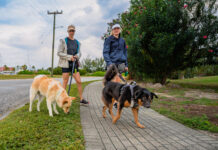
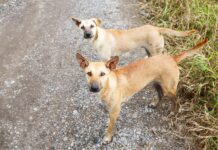
Every few days in Cayman, a shelter cat or dog is flown off island to its new home. As a result, there are hundreds of Cayman animals, many of whom were abandoned or neglected on their home soil, living lives of comfort and love in their ‘furever’ homes across the sea.
In 2022, the Humane Society and its partners on and off island rehomed 188 shelter animals – 168 dogs and 20 cats – mostly in the US and Canada, though some are occasionally sent to homes in the UK and other European destinations.
So far this year, 33 cats and 31 dogs have been found homes abroad.
Samantha Cooper, operations manager at the Humane Society, said the shelter often appeals to the public to escort the dogs and cats to other rescue shelters or adoptive homes overseas.
She explained how the process works.
“Our team at the CIHS, along with our volunteers, work tirelessly to find suitable rescue partners abroad, mainly in Canada and the USA. The team performs extensive due diligence on the rescue partners to ensure that they are a good fit with the mission and vision of CIHS.
“Once partnered with the foreign rescue, our team works with them to select the animals to be transferred. The animals then go through a process with the vet, Department of Agriculture and airline in order to ensure all necessary paperwork and exit/entry requirements are met.
“Our team then meets the volunteer escorting the animals at the airport and assists with check in. Later, these dogs and/or cats will clear customs with the volunteer, and be handed over to the rescue partner.”
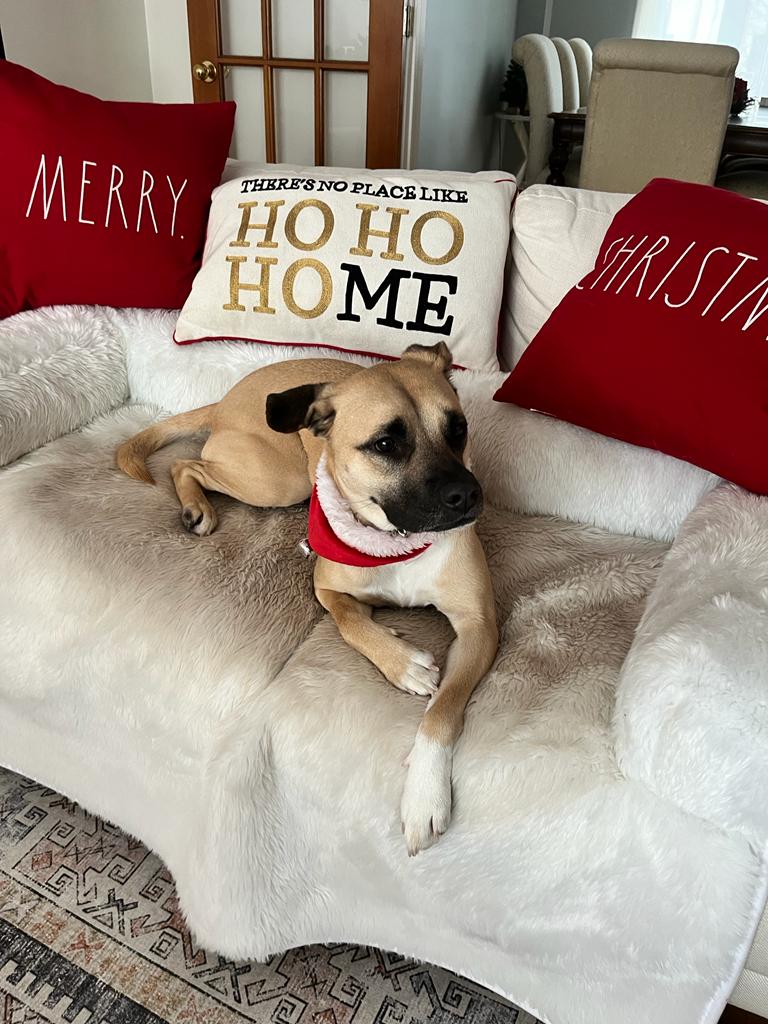
After the animals arrive at their destination, the rescue partner keeps the Humane Society updated on their placement into fosters or adoptive homes.
“On occasion, the adoptive family may provide us with photos and updates that we may share on our social media pages. We love hearing the happy updates,” Cooper said, but added that no personal information is disclosed about any adopter without their permission.
Partnerships
In Cayman, the Humane Society works with another animal charity, One Dog at a Time, to help rescue and rehome animals. Most of the animals that go to the US – which accounts for about half – go in partnership with One Dog at a Time. Of the 64 animals sent overseas this year, 32 were sent in partnership with ODAAT, Cooper said.
She said one of the biggest challenges in finding homes for the animals was establishing initial relationships with the rescue centres.
“A lot of work is done to establish a connection and then establish that the partner organisation is suitable, i.e., what is their euthanasia policy, how do they make sure animals go to good homes, how will the animals be cared for until they find a home or whether they go directly to fosters/adopters, etc?” she said.
“After that, the challenges are finding flight escorts and completing the exit paperwork for each animal. We are very grateful to the Department of Agriculture veterinary team for everything they do to help us with the rabies vaccinations and exit permits. They have been very supportive.”
Cayman Airways allows the charity to send animals to the US free of charge, and the only cost involved is paying brokerage fees to get them through customs. For other airlines, the Humane Society pays for the cost of the animals’ passage. However, if the dog or cat is going directly to an adopter in the UK or Europe, the adopter pays, as those flights are too expensive for the charity, Cooper said.
With dogs and cats constantly being surrendered to the Humane Society, or being rescued, the need to find homes for animals in the shelter is constant.
Just last month, more than 60 new animals came into the shelter, Cooper said.
“If we didn’t have our rescue partners overseas, we would have had no choice but to turn many of them away as it is difficult to find homes for such a large number of animals in Cayman,” she said.
How to volunteer to escort an animal overseas
Cooper said the Humane Society is grateful to all the flight escorts, as “we literally could not do this without them”.
If anyone wants to act as a flight escort, at least two weeks before they fly, they should contact the Humane Society to let it know the date of the flight, which airline they are flying with and whether they have any connecting flights.
“Sometimes we have animals ready to fly and a rescue partner for them to go to and we put out calls for a particular flight, this can usually be managed with less notice,” Cooper said.
To volunteer as an escort, email [email protected] or call 949-1461.
Related Videos