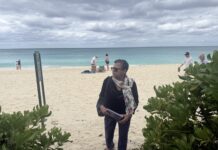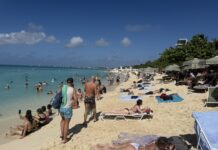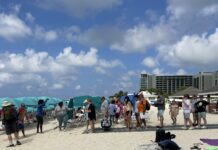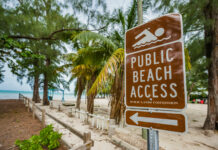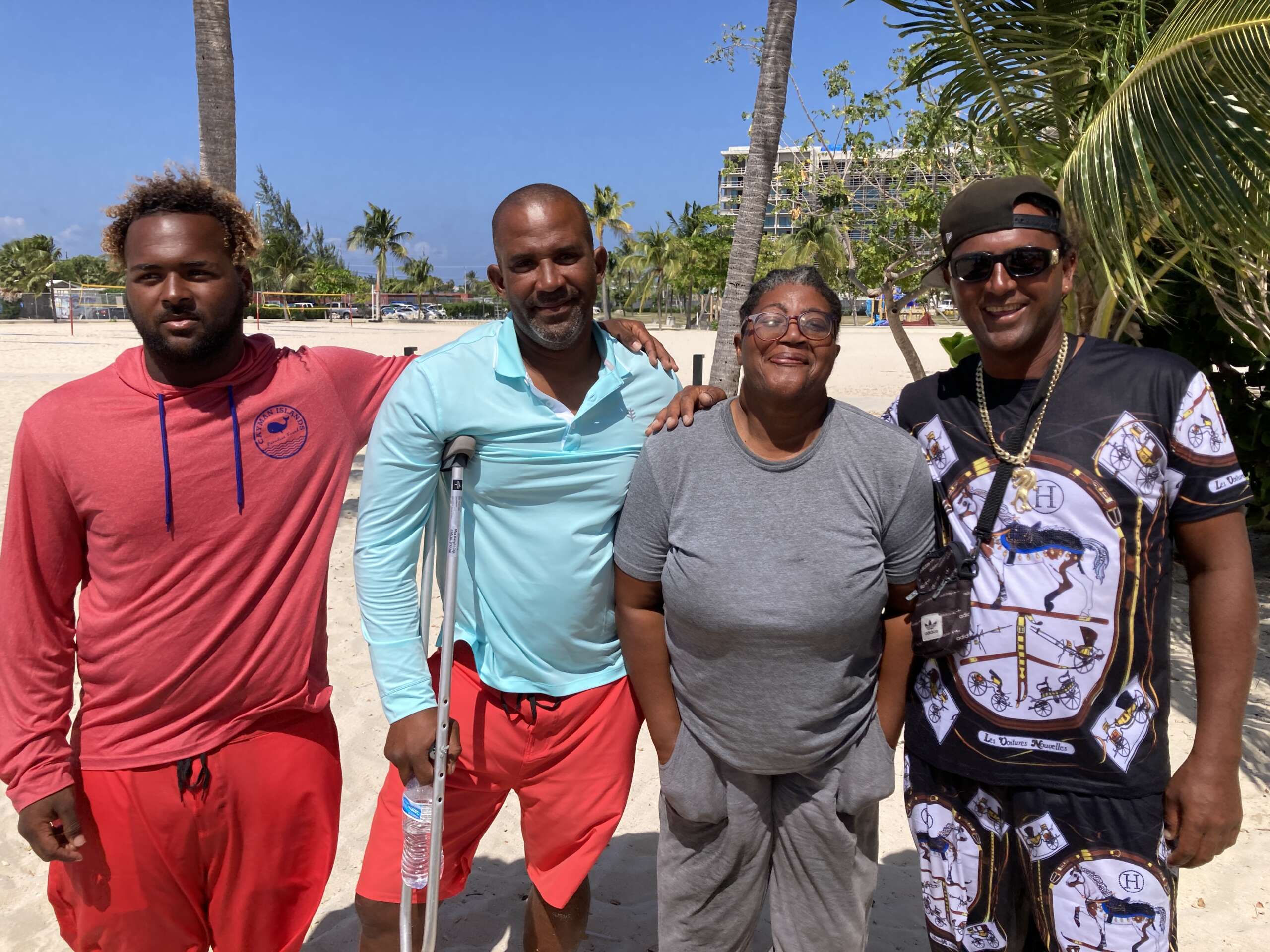
Caymanian business owners that have been operating from Seven Mile Public Beach for over a decade welcome a new policy aimed at regulating the management of beach vendors.
But they say vendor permits must actually be awarded and the policy enforced to allow those operating legally to continue unhindered, and others removed from the beach.
The Seven Mile Public Beach Park Vending Policy, which has already been approved in caucus, will be presented to Cabinet on Wednesday, 12 April.
It will allow traders to “know what their future’s going to be”, according to Tourism Minister Kenneth Bryan, and provide rules and regulations to build a safe environment for everyone.
Years of uncertainty
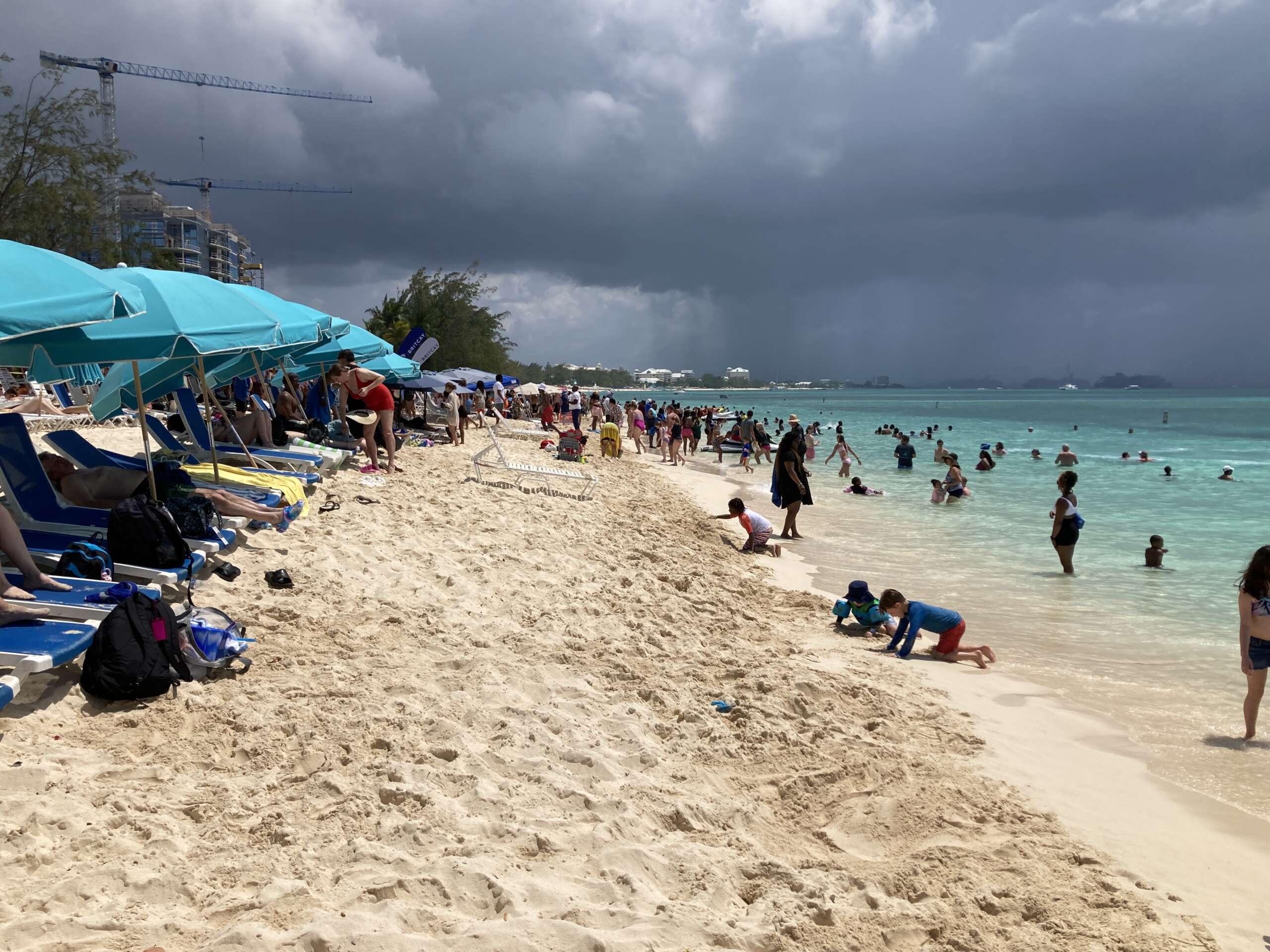
Public Beach, located towards the north end of Seven Mile Beach in Grand Cayman, is a popular drop-off point for cruise ship passengers looking for sunshine, activities, refreshments and relaxation.
David Lyons, who owns and manages a water-sports company on the beach, told the Compass he was among the first 16 people to sell goods or services there about 10 years ago.
It was a pleasant place to work, he said, but that later became marred by years of uncertainty as successive governments failed to introduce proper regulations for businesses to trade.
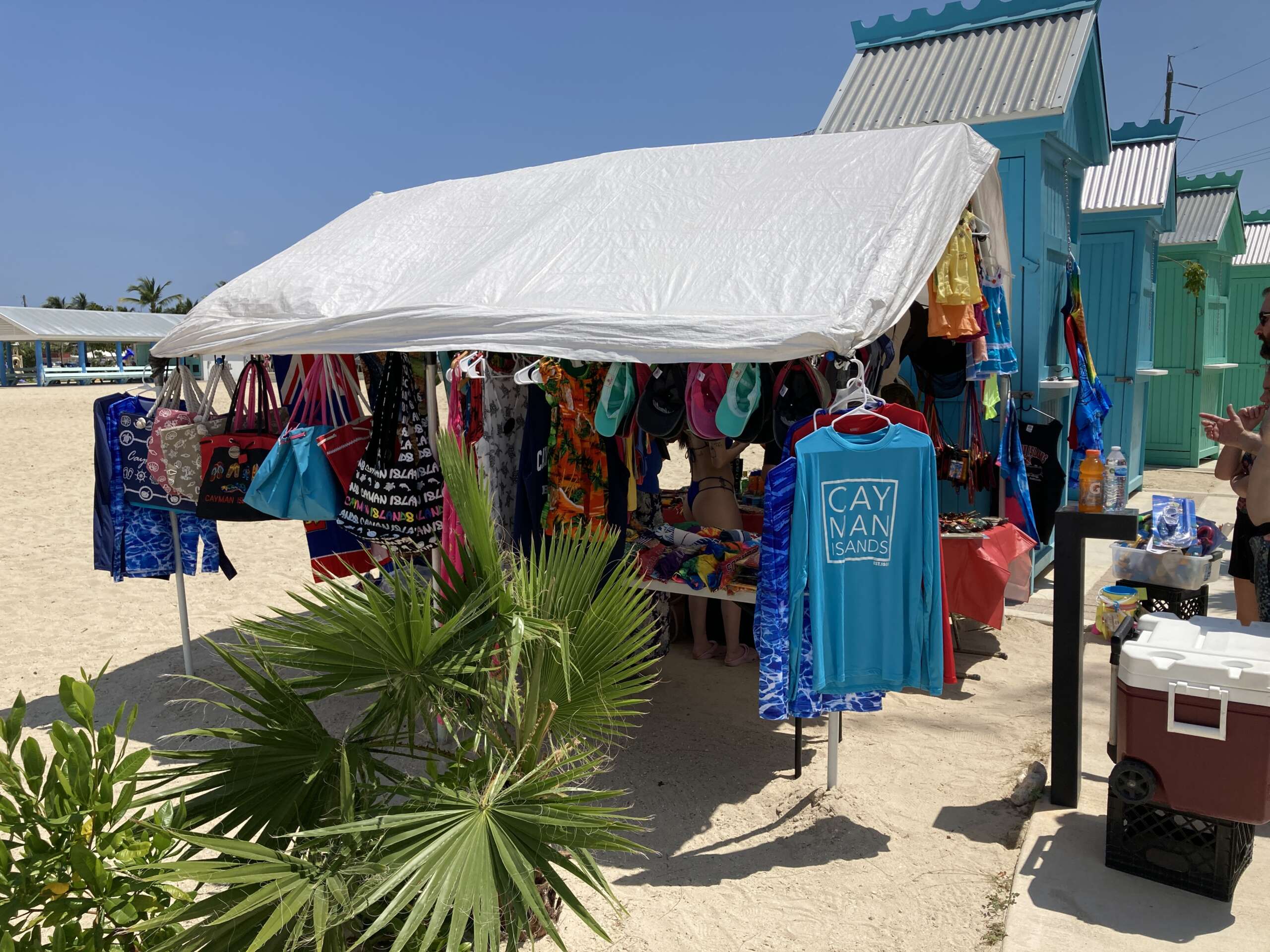
Often confusion between the government and business owners about the legality of operating on Crown land saw enforcement action threatened.
And, at times, disputes progressed to court, leading to unwanted expenses and business revenue lost from absence, Lyons said, amounting to thousands of dollars over the years.
At one point, the government told the business owners they needed to attend training in hospitality, among other things, to sell on the beach, which they agreed to, he explained.
They were also informed they would receive vendor permits, but a promised policy to regulate the distribution of these permits never materialised, leaving the sellers in a state of limbo.
Cease and desist
Just this January, the Public Lands Commission threatened prosecution and confiscation of goods to anyone selling on Public Beach.
Those businesses that had already applied for permits were told they should only work from the small “designated kiosks” that run alongside the pathway to the beach.
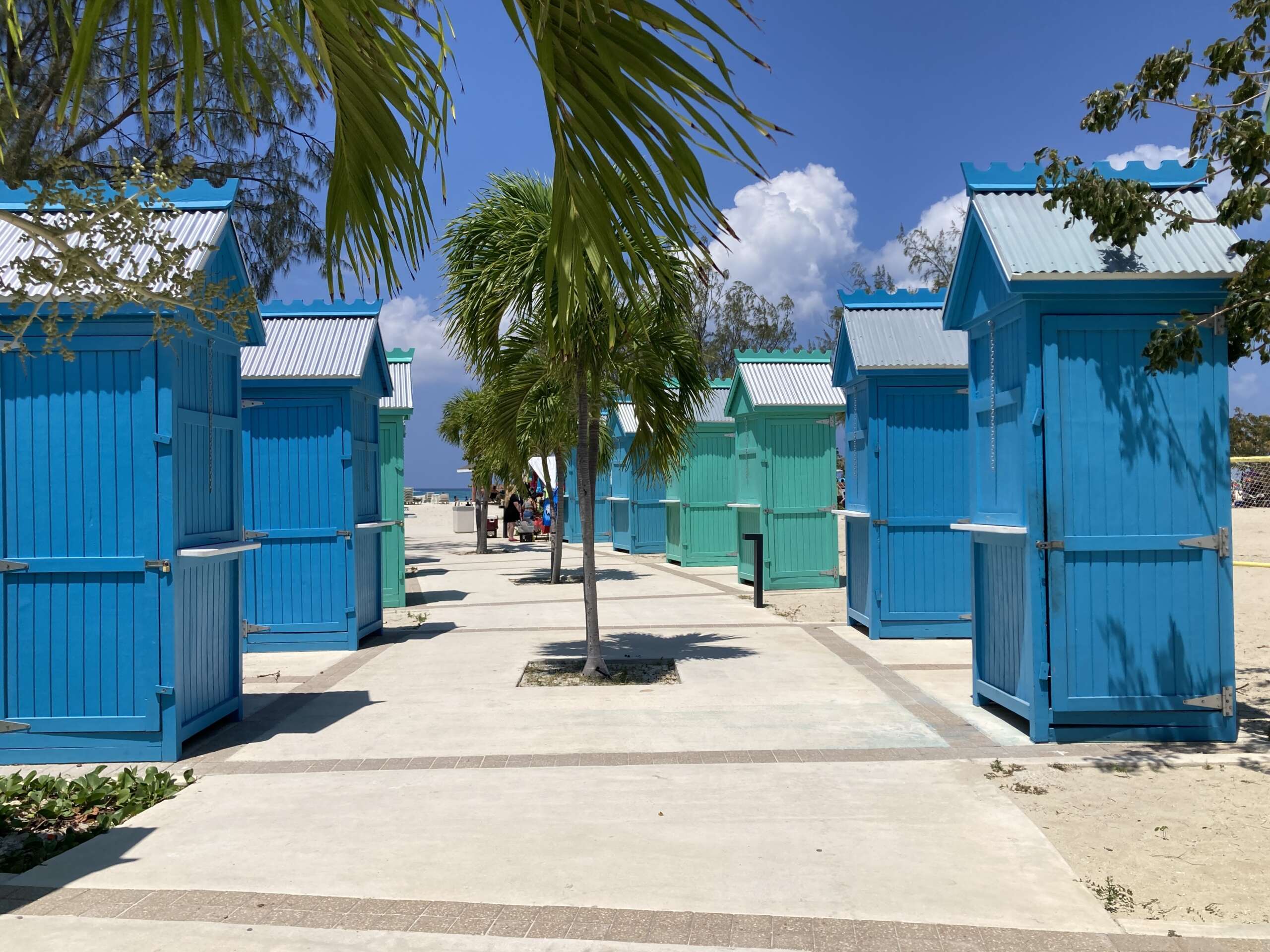
And in March, the commission issued ‘cease and desist’ notices demanding all vendors stop selling within a week or risk arrest.
Despite the threats, no action was taken.
George Brooks, who runs an umbrella and chair rental company, told the Compass, “We’re being attacked every minute, we’re being attacked as locals trying to make a living.”
Some of those operating on Public Beach instructed a lawyer to question the legality of the enforcement notices.
The Attorney General’s Chambers told them that, following instruction from the Ministry of Lands, the commission had put a stay on enforcement until 30 June this year.
In a letter, seen by the Compass, the chambers added that by this time “the commission should have in place a fair and transparent process in respect of applications for vendor permits”.
“Us original vendors, we have no intention of going anywhere, because we built this to what it is today,” Lyons said.
A new policy
Last week, the tourism minister announced that a policy which aims to regulate the management of beach vendors will be presented to Cabinet on Wednesday, 12 April.
Speaking during the Compass’ weekly Resh Hour talk show on Wednesday, 6 April, Bryan said the policy was developed under the Ministry of Lands, but agreed upon collectively.
“We have to recognise that these are Caymanians who are trying to make a living – but they’re going to have to do it in a managed way,” he said.
Further details will be released once the policy is approved, but it will include how many businesses can trade, and the different categories they can trade under.
Permits will be made available for Caymanians only, who will have to make an application through the commission, Bryan said. They will be awarded if they meet certain criteria.
“Those who are down there and who have already started the process appropriately will probably be the preferred persons moving forward,” he told the Compass.
Lurlane Berry, who owns a business on Public Beach renting chairs and umbrellas, said the policy is “well needed”, and added that the permits should have been issued long ago.
Mack Thomas, the owner of a jerk chicken food stall, agreed, adding that permits should be awarded “as long as… we are following the rules and we are willing to be respectful and appreciative of the tourists and the environment”.
Disruption
The tourism minister announced the policy just days after a 20-year-old Public Beach vendor was arrested following the alleged use of pepper spray during a dispute over a transaction.
Bryan described the beach as being “chaotic”, adding, “we’ve heard some negative things recently which I’m really scared about.”
He told the Compass, “Without properly regulated behaviour, it can negatively affect our tourism product, and we don’t want that.”
Along with antisocial behaviour, some unlicensed vendors have been spotted selling drugs and alcohol on the beach.
Lyons stressed that it is important to make a distinction between those vendors who are operating illegally and those who are registered business owners.
“It is the unlicensed folks that are causing all the hubbub,” he said. “They’re the ones getting the attention and causing the problems.”
Vanzeletha Jackson, Public Beach souvenir shop owner, agreed, adding the unregistered vendors are the ones “making mischief” and giving other sellers a bad name.
Roger Myers, owner of a hotdog stand business, told the Compass that with the new policy must come with a constant presence and enforcement by authorities.
“Nobody’s enforcing anything,” he said. “You can bring in all the policies you want. If you don’t enforce it, then it don’t make no sense bringing in policies.”
Related Videos