

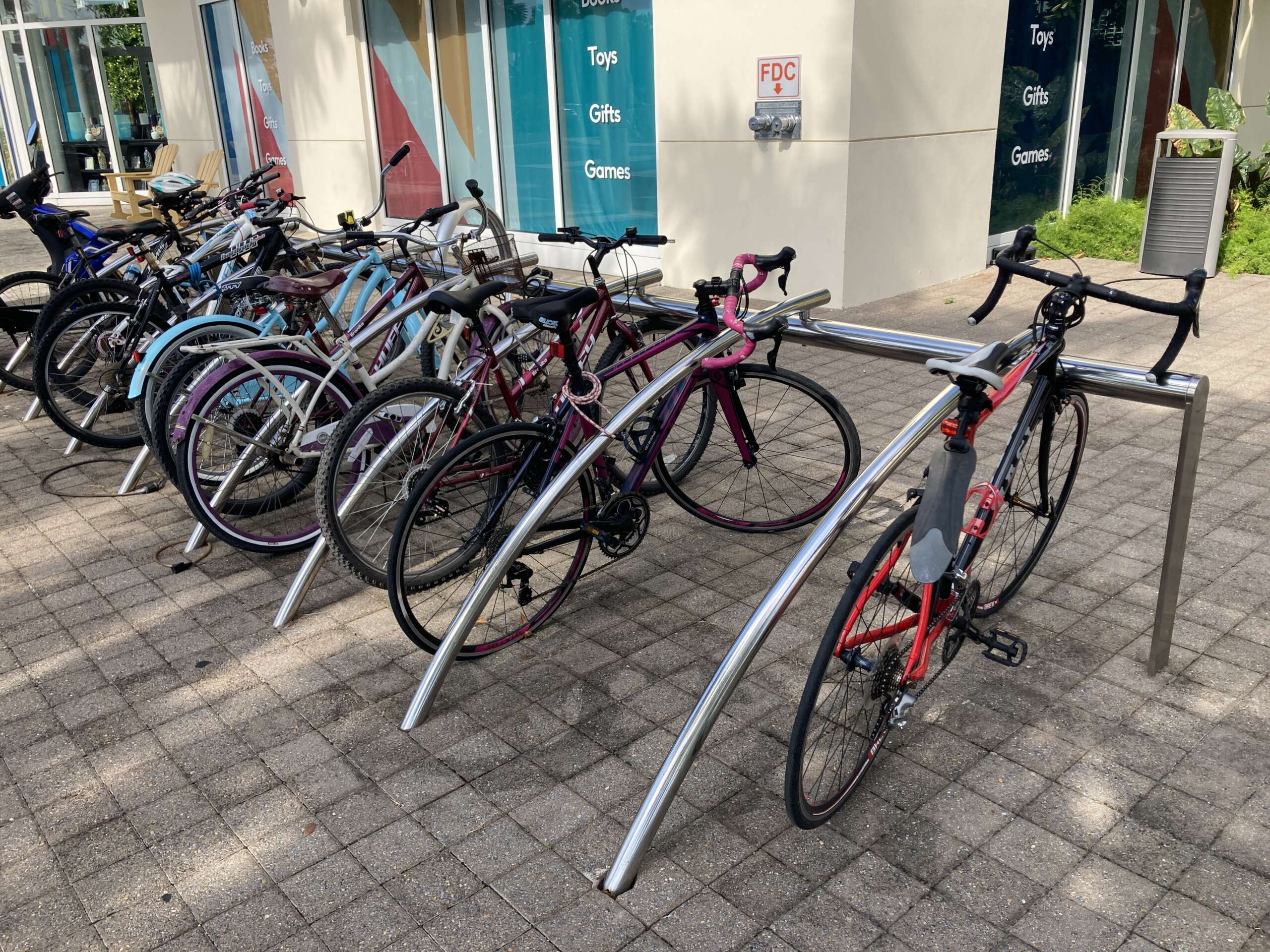
The tragic hit-and-run deaths of two cyclists in Grand Cayman last month has prompted the cycling community to ask for action to improve safety on the streets.
It will be neither a quick nor easy fix, they say, but must consist of a series of measures adhered to by the government, police, drivers and the cyclists themselves.
In fact, a “cultural change” needs to take place to make sure no road user suffers the same fate again, they told the Compass this week.
Changing face of cycling
When cyclist Sebastian Goerlich first arrived in Grand Cayman in 2011, he rarely saw anyone riding a pedal bicycle as a means of transport.
“Yes, there have always been the fitness or sport cyclists who ride early mornings and on Sundays,” he told the Compass, “but to see anyone riding for transportation or practical reasons – almost never.”
That may have been partly due to the hot weather, he said, and partly because many work-permit holders come from countries that do not have a cycling culture or infrastructure.
However, in the past few years Goerlich, who has cycled in Canada and parts of Europe, has noticed the number of people using bicycles to commute and get around has increased.
“The costs of living on island have reached such levels that some people who would never be seen on a bike for personal transportation have been able to put those stigmas aside,” he said.
But the increase in bicycles on the road means that cyclists and drivers are not accustomed with how to interact with each other, leading to “stresses and collisions”, he said.
Cayman’s roads
The National Roads Authority was created in 2004 to administer, manage, control, develop and maintain the Cayman Islands’ public roads and related facilities.
Some of Grand Cayman’s roads feature measures designed to allow cyclists safe space to manoeuvre – from dedicated cycle paths to green ‘give way’ road markings.
But many roads have no options for cyclists, forcing them to share the streets with large vehicles, navigate pedestrians on the pavement or cycle on the wrong side of the road.
Former Olympic cyclist Craig Merren told the Compass he is “very disappointed” at the NRA’s engineering of some roads, putting it down to a lack of responsibility and foresight.
And Jerome Ameline, co-owner of spinning studio Revolutions Cayman, said cycling on roads in Grand Cayman can be as dangerous as big cities like Miami or Paris.
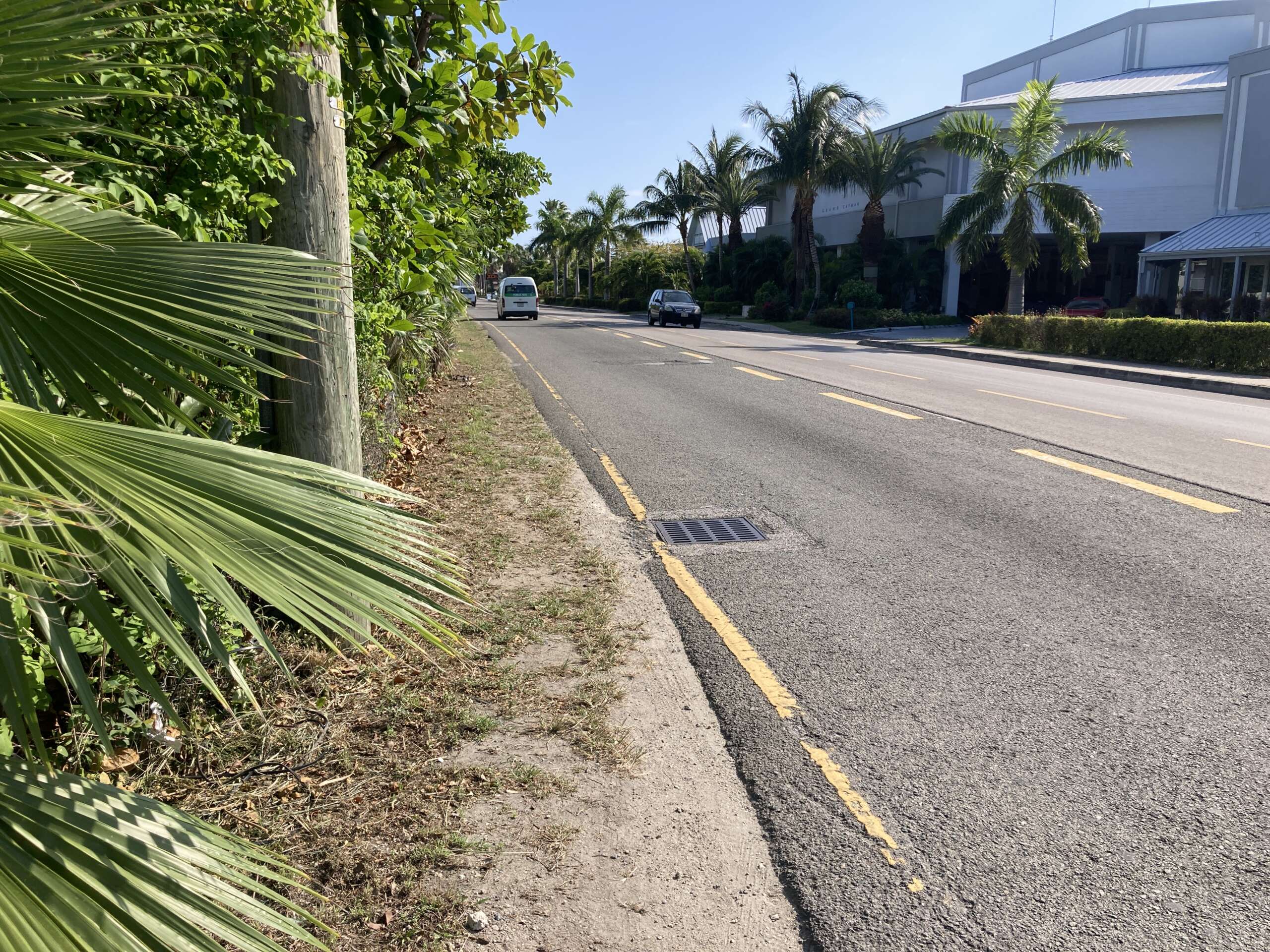
Goerlich said some roads have potholes, sunken manhole covers or sewer grates parallel with the direction of the road, “so if your wheel ever goes in there – goodbye”, he said.
He added that junk or debris on the roads, particularly in cycle lanes, can also make it dangerous for road-users.
“I don’t see how anyone would choose cycling to work if you have a one in 10 chance of getting a flat along the way,” Goerlich said.
All of the cyclists said Cayman’s streets should be designed and built with safe spaces for people on pedal bicycles.
Cycling laws
The Road Code of the Cayman Islands 2012, which is the latest version, has a section dedicated to cyclists.
Failure to comply with the code rules means the cyclist will be in breach of the Traffic Act, 2011. They will be committing an offence and may receive a penalty.
The rules include wearing a helmet, wearing reflective clothing, using a cycle path if available, keeping both hands on the handlebars unless signalling, and riding in single file.
“As a cyclist, you MUST obey all traffic signs, road markings and traffic light signals, as well as this code,” the document reads.
Some rules also fall under the Traffic Regulations, 2012 such as equipping a bike with front and rear lights and a hand-operated bell, and maintaining a good tyre tread depth.
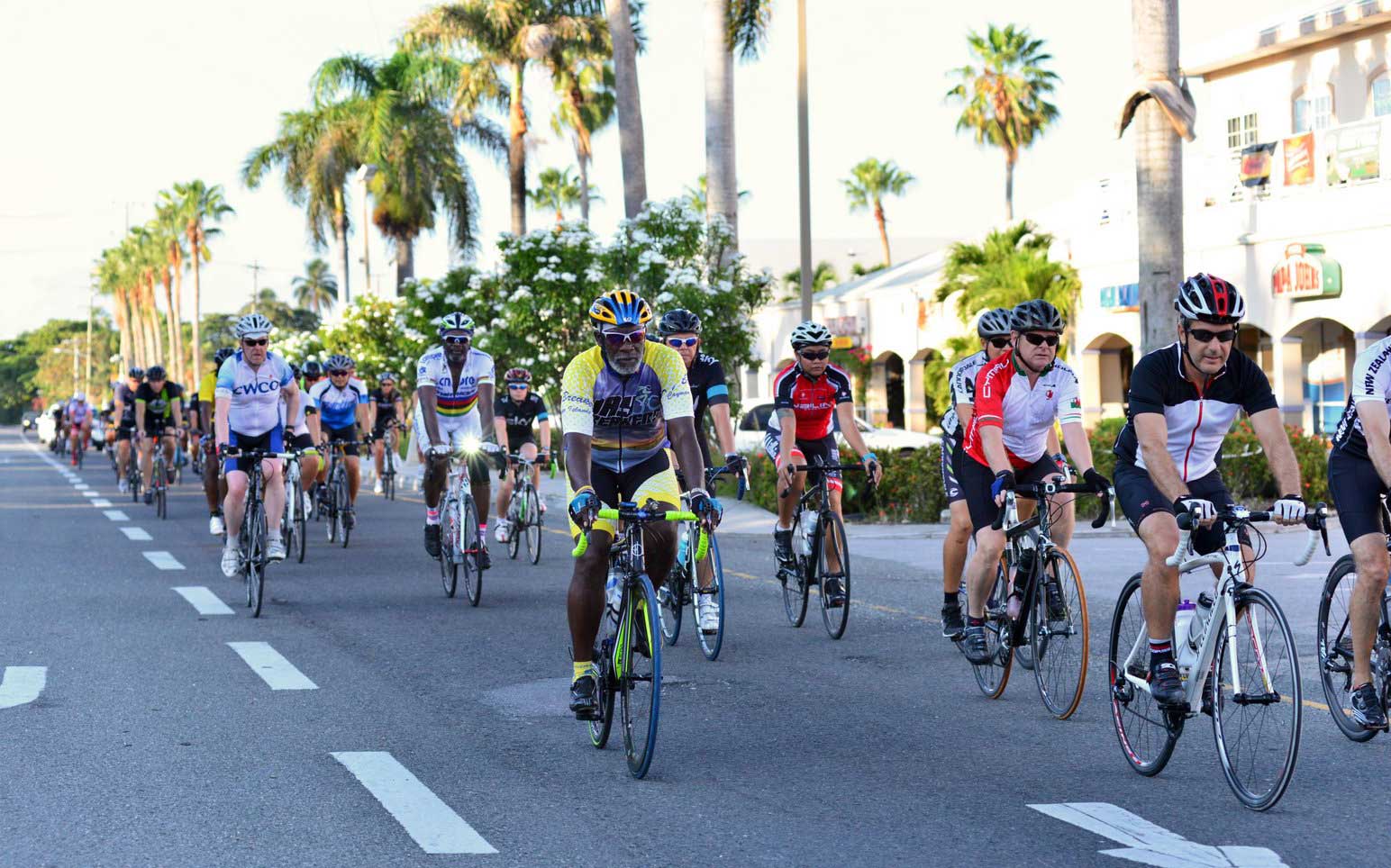
People are regularly seen cycling on Grand Cayman’s roads not following the road code, but the rules must be observed in order to make travel safer, the cyclists told the Compass.
Daniel Cummings, president of Cayman Cycling, plans to partner with charitable organisations and run road-safety campaigns to increase awareness of the road rules.
Other road users
On 8 March, 38-year-old Abele Hiwet from Italy was killed on West Bay Road, and on 28 March, 23-year-old Daniel McFarlane was killed on Frank Sound Road in North Side.
In both incidents, the drivers continued on their way after the collisions, not stopping to check on the injured cyclists.
Preventing incidents like that happening again requires “massive cultural change” as to what is acceptable, Goerlich said, as well as an increase in the perceived value of life.
“Almost all drivers have no idea how to behave on roads where there are also cyclists,” he added.
Goerlich also spoke of the culture of people driving home after drinking alcohol.
“Drunk driving is almost normalised here,” he said. “It never ceases to amaze me how much people here think they can drink and still be fine to drive.”
Olympic cyclist Merren believes penalties for drunk drivers and those that leave the scene of a road incident should be increased substantially.
And Cummings suggested an additional law be introduced which requires motorised vehicles to give cyclists a wide berth.
Police enforcement
While there are laws in place both for cyclists and for other road users, those laws are rarely enforced.
Competitive cyclist Ameline said: “Police should enforce the road rules a bit better as I constantly see cars speeding like crazy because there is no police presence.
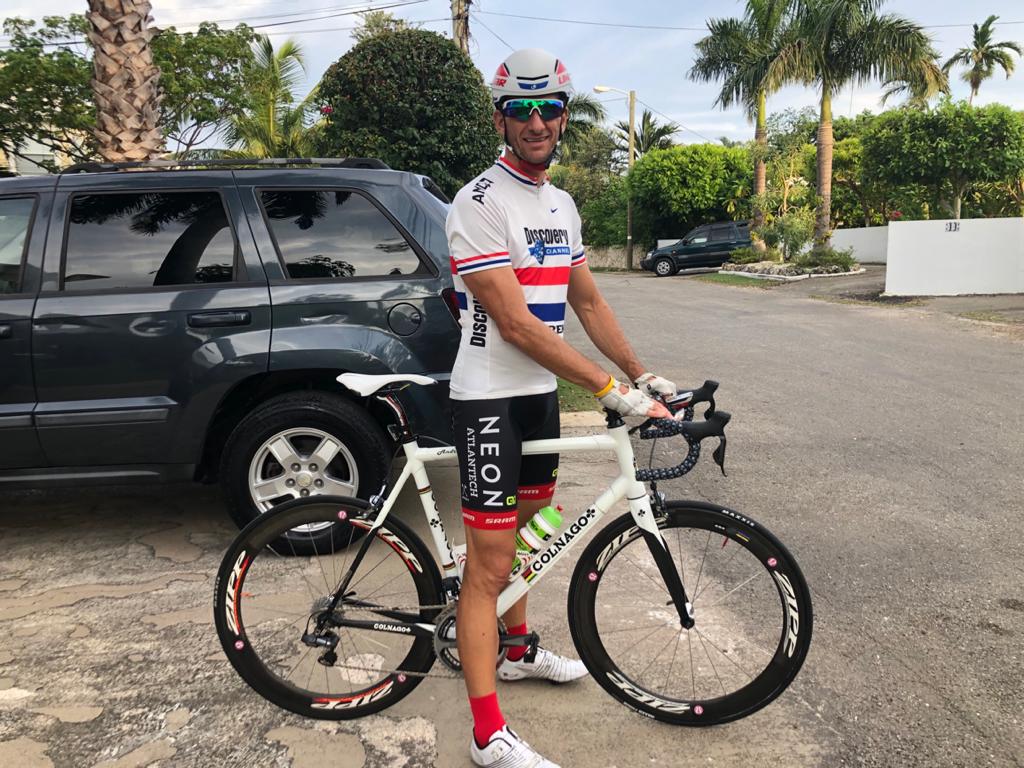
“When we ride as a group, we almost never see any police cars while some people are passing us at 70 miles per hour plus.”
Goerlich said the Royal Cayman Islands Police Service is responsible for setting the tone and communicating the rules of the road but he thinks they lack motivation.
“While most police officers do their best to appear empathetic and concerned, I think that deep down inside they wish there just were no cyclists on the road.”
He said there needs to be a long-term cultural change within the police force, the NRA and the government to create a safer environment for all.
But Cummings added that sadly “no awareness campaign or no law is going to stop somebody hitting the cyclist and driving off. That’s the unfortunate bit.”
The Compass reached out to the NRA and RCIPS for comments and is awaiting a response.
Related Videos










When are those cyclists going to ride single file on the road?? No wonder they get knocked over.
And ride on the LEFT! They honestly have no idea..
Cyclist safety is very important, however the road codes need to be enforced on them just as if they were in a motor vehicle…The large packs they ride in are in obvious violation of the road codes and they need to be cited for their own good. With the large volumn of vehicles on Cayman roads, the cyclist packs create motorist frustration and will not have a very good outcome…RCIP needs to step up and enforce the road codes…Dr. Finley