A Court of Appeal case that saw two government entities pitted against each other has concluded, and the judges will publish their decision following deliberations.
The Central Planning Authority and the National Conservation Council battled it out in court last Wednesday and Thursday to decide which body was correct on a previous planning decision.
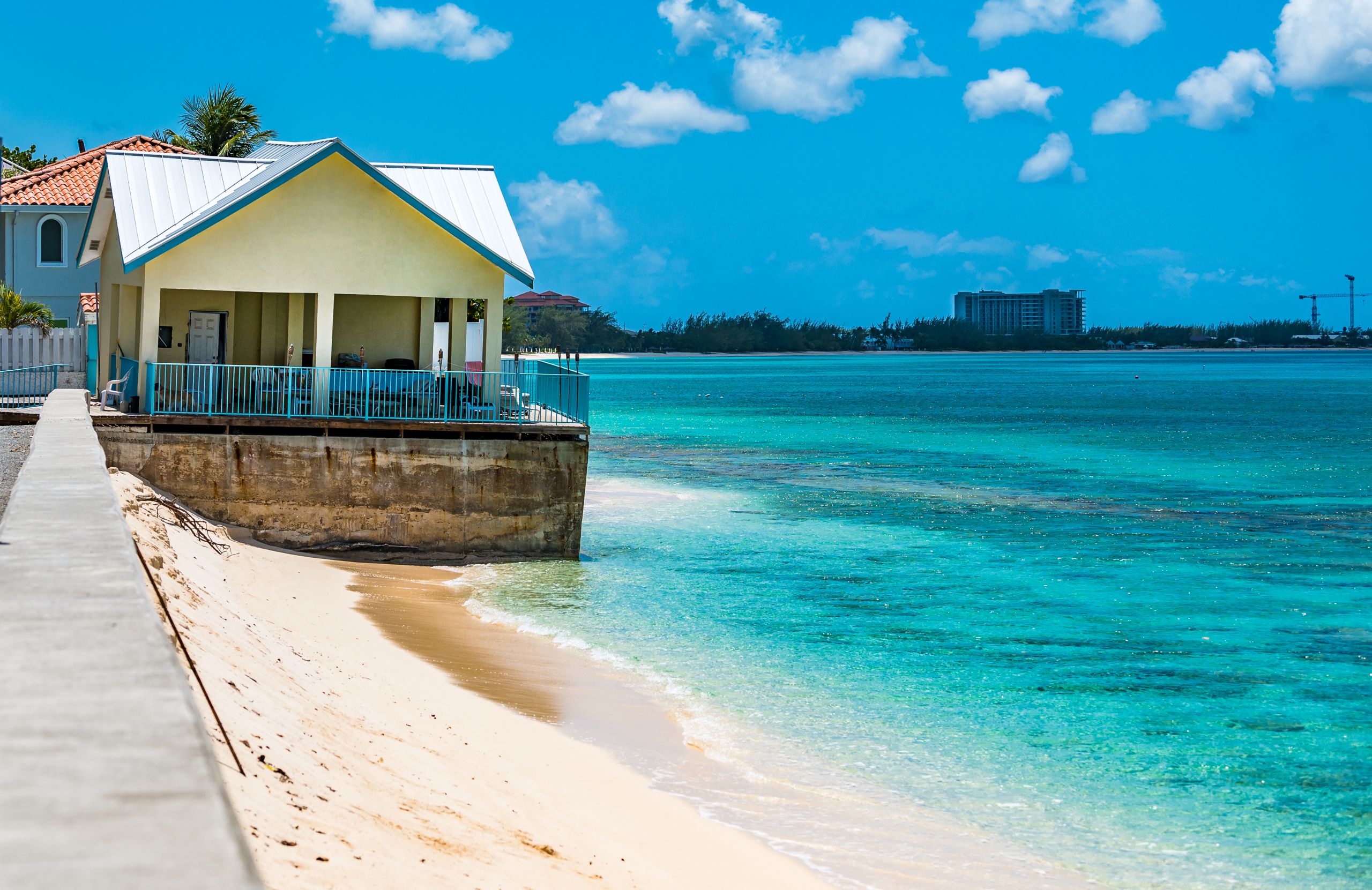
The authority granted planning permission to Cayman Property Investments to rebuild a seawall and a cabana on Boggy Sand Road in West Bay, adjacent to the Seven Mile Beach Marine Park.
The 2021 decision was made despite a directive from the National Conservation Council to reject the application due to the potential negative impact on the marine environment.
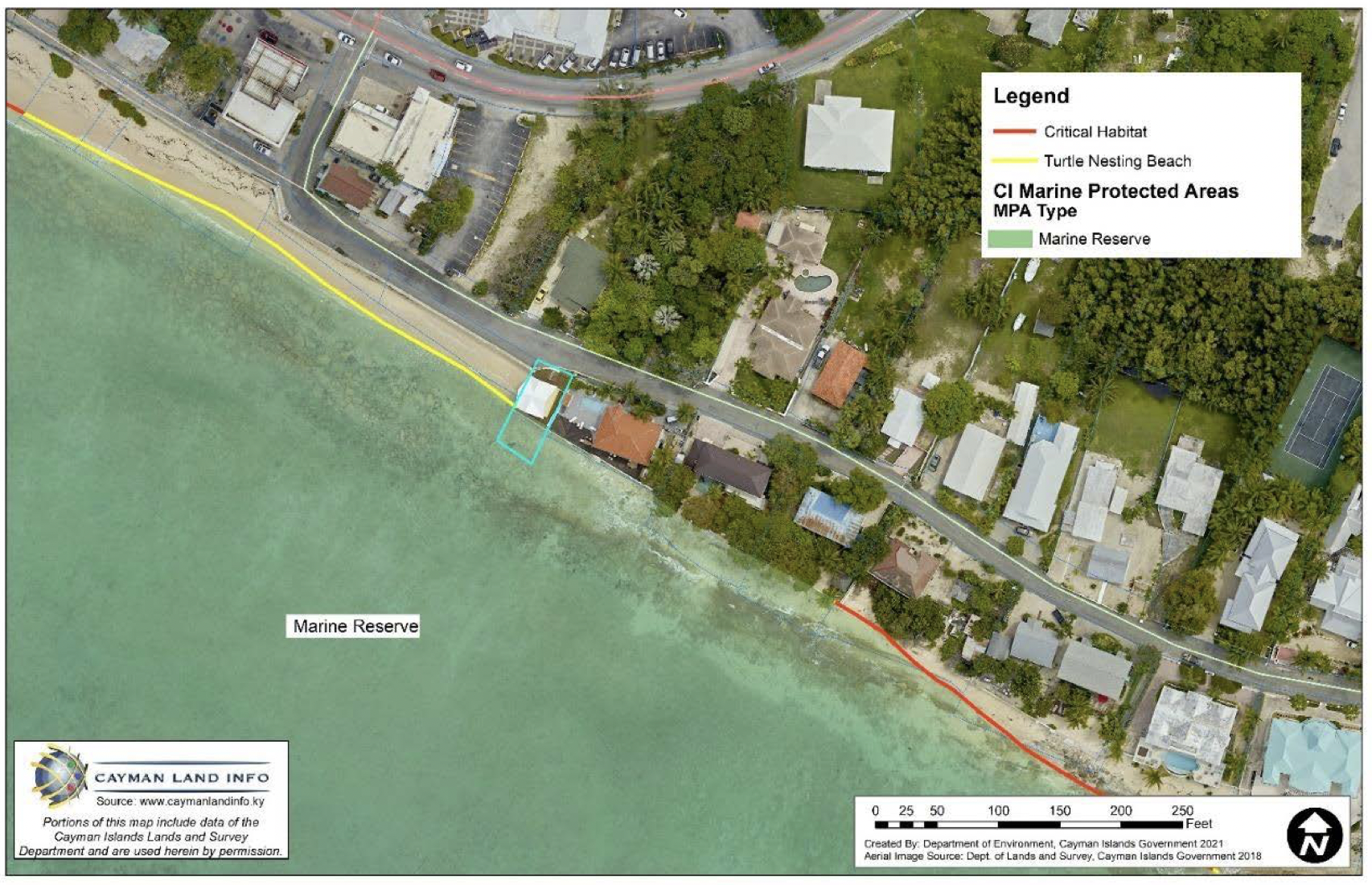
In August last year, Grand Court Justice Alistair Walters ruled the council had the power to direct an entity on a course of action likely to have an adverse effect on a protected area.
However, in the latest court case, the planning authority is appealing that judicial review decision.
Sir Jeffrey Jowell, KC, representing the authority, presented his case on Wednesday, 17 May, as covered in an earlier Compass article.
Legal obligations
Late on Wednesday afternoon and into Thursday morning, Chris Buttler, KC, representing the conservation council, gave his submissions on why the appeal should be dismissed.
His case focused on the National Conservation Act 2013 which says all decisions, actions and undertakings must not jeopardise the protection and conservation of a protected area.
In particular, he mentioned section 41 (4) of the Act, which says all entities shall apply for and obtain the approval of the conservation council before taking any related action.
The lawyer said the authority granted planning permission without mentioning the law and without explaining whether or why it rejected National Conservation Council’s assessment.
He also addressed section 41 (3), which says every entity must consult the council and consider its views before taking any action that may negatively affect the environment.
The council is concerned with ensuring that the authority and other public bodies understand their obligations under the Act, he said.
Buttler, who was supported by Kate McClymont of law firm Nelsons, explained this firstly means the authority must follow the conservation council’s statutory guidance notes.
Then it must confront the question of adverse environmental effect at the relevant stage of the decision-making process and then alert the council to a risk of environmental harm.
In his skeleton argument, he said, “It is not enough to leave it to the [council] to work out, in response to a general consultation, that a proposal risks environmental harm.”
Court of Appeal Justices Sir Richard Field, Sir Alan Moses and Sir Michael Birt will now consider the submissions before presenting their judgment.
Related Videos