Cayman banks have agreed to give a minimum of 30 days notice before passing on any new interest-rate hikes to Cayman customers over the next 12 months.
The announcement, revealed by Premier Wayne Panton Wednesday, came as the US Federal Reserve announced it was pausing its relentless campaign of rate hikes.
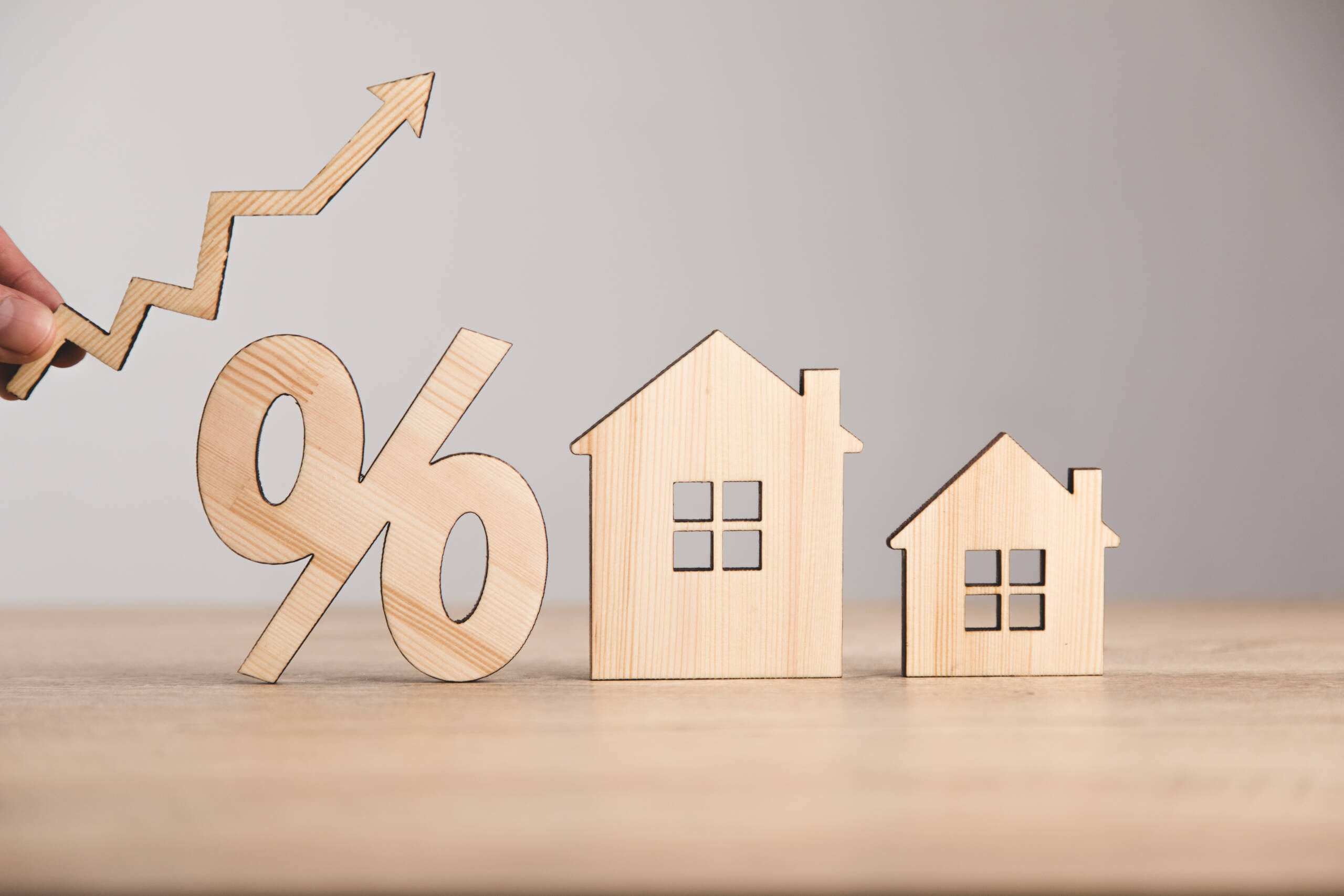
The Fed has raised rates 10 times in the past year, with retail banks in Cayman and elsewhere passing on those increases directly to their customers. The principle impact has been on homeowners who have seen their monthly mortgage repayments increase dramatically, by up to 100% in some extreme cases.
The rate increases have sparked fears, as yet unfounded, that people could lose their homes.
Against that backdrop, Panton had asked banks to consider a two-month delay in passing on any new interest rate increases, publicly expressing disappointment when they declined to comply.
More radical measures were proposed by legislators at the last parliamentary session, following a private member’s motion by backbench MP McKeeva Bush calling for a freeze on interest rate increases in Cayman for two years – regardless of what happens in the US – and for consideration of a locally based interest rate setting body. The motion, which was amended to a commitment to continue discussions with the banks over those issues, attracted unanimous support from all MPs present.
The concept of Cayman setting its own interest rates, independent of the US Federal Reserve, has been dismissed as unworkable by industry experts, given that the Cayman dollar is pegged to the US dollar. The Compass analysed the issue here.
Panton’s announcement of some measure of co-operation with local banks was greeted with applause at the Chamber of Commerce parliamentary luncheon on Wednesday. The impact cuts both ways, however, and it is entirely possible, Panton acknowledged, that future rate cuts will also take longer to implement.
Fed pauses interest rate hikes
On Wednesday, the Fed announced it was temporarily freezing base interest rates at 5-5.25% (US prime rate offered by high street lenders is usually pegged at 3 points higher). But the central bank hasn’t ruled out further increases this year as it seeks to control inflation. There are signs of progress in that area, with reports from the US indicating the rate at which prices are increasing has slowed from near double-digits last year.
In a statement following last week’s legislative debate, the Cayman Islands Bankers’ Association insisted it was doing its part to help Cayman consumers – including by offering fixed rate mortgages at lower-than-prime rates.
The association added that local banks do work with customers who are struggling to pay their mortgages and do everything in their power to prevent defaults.
“As a result of on-going dialogue and support of customers, delinquency levels to date remain low and stable across the country,” it said.
The statement added that Cayman’s interest rates were necessarily aligned with those set in the US and cautioned that any change to that dynamic could make it difficult for banks to make mortgage loans.
“Many years ago, the Cayman Islands Dollar Prime Rate was aligned with the US Dollar Prime Rate. This helps mitigate potential imbalances in the financial system, ensuring consistency and continued stability throughout market cycles,” it said.
“Any change to the current rate setting convention could create an imbalance between funding costs and borrowing rates. Such an imbalance could potentially result in banks deploying capital elsewhere and, as a consequence, access to credit locally could tighten.”
Related Videos