For a single meal, for a single person, saving time in the kitchen and ordering out is not only the easier option, it is the more financially prudent choice.
Though the monetary cost across various food-procurement methods varies only narrowly, the time and effort that it takes for a meal to transform from an agricultural product to a tasty ingredient in your plate bear an opportunity cost.
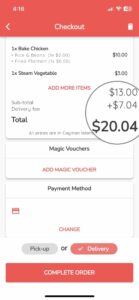
During the COVID-19 lockdown in 2020, ordering a meal from a restaurant via a delivery app quickly became habit, as it was the only option for quick variety, in a time when grocery shopping opportunities were limited, and eating out was banned.
Three years later, this habit continues to be the default method of acquiring quick meals for many, with the global online food delivery market growing 30% since COVID to a value of US$300 billion.
The opinion that home cooking is the most affordable option for a daily meal is cliché.
After all, the converse is that when food preparation is outsourced, one must pay for labour, delivery or gas – when driving for takeout – in addition to the included profit margin allotted to the restaurant and the cost of the ingredients.
But, counterintuitively, restaurants are cheaper.
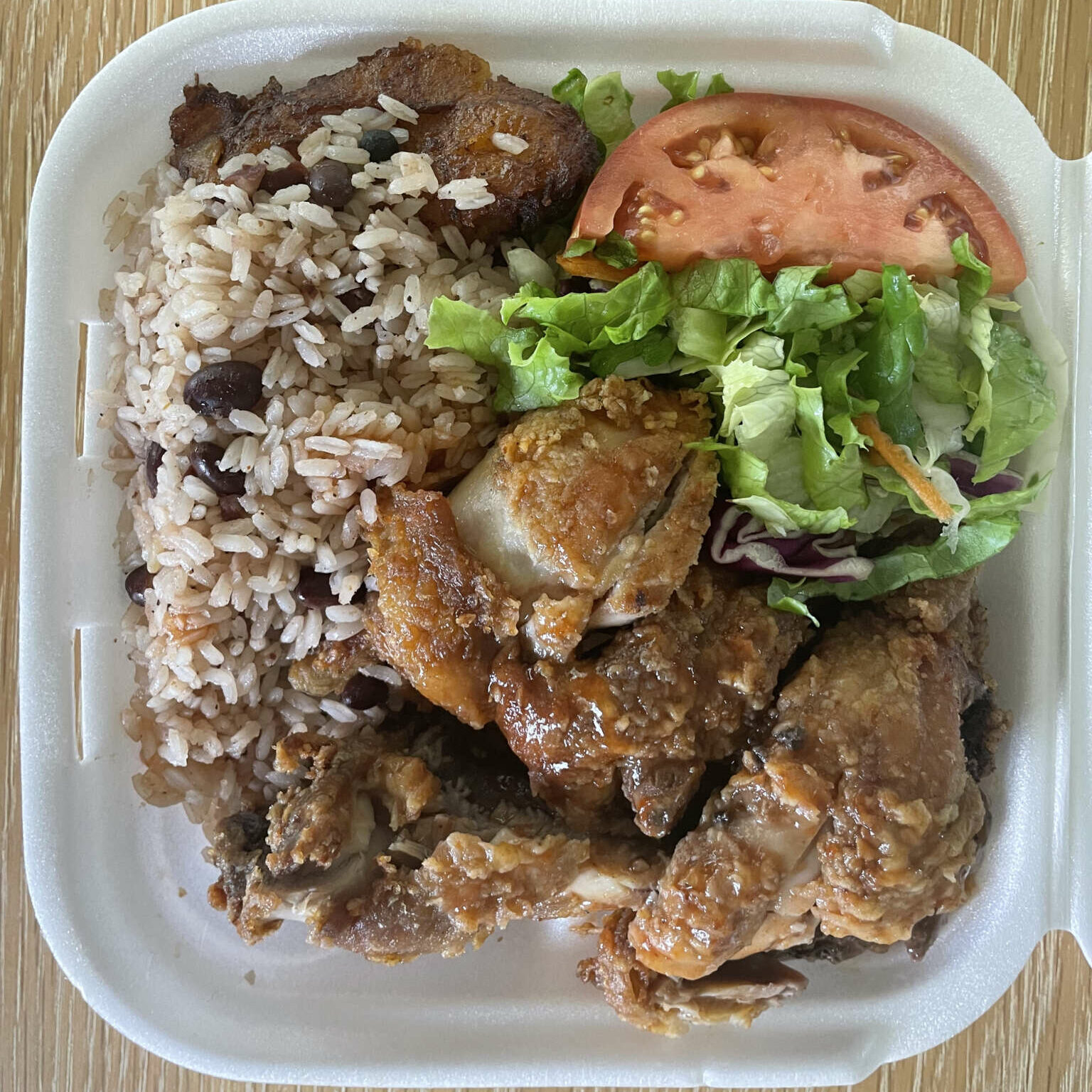
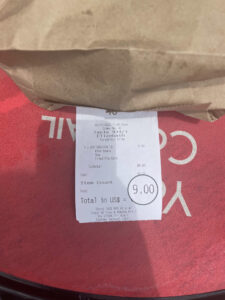
Upon examination of the costs of the average meal, the Compass found that for a single meal, ordering from a restaurant is less expensive than cooking at home.
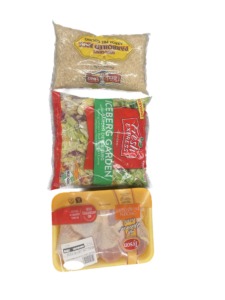
The average meal includes protein, starch and vegetables. A large meal comprising rice, chicken and vegetables is a Caribbean staple, often paired with black or red beans and plantain. We replicated this meal order across each food-procurement method to see how the prices stacked up.
According to Census data, the median annual salary for Caymanians is $45,594.
Financial professionals recommend that no more than 10-15% of your salary be allotted to food. Assuming a three-meal day, the lowest-costing option would still require double the advised limit for food spending.
Between 2014 and 2021, increases in consumer costs for food and non-alcoholic beverages – that is, the products you would buy in the grocery store – increased by nearly 20%, outpacing all other major spend groups except for education and communication.
Over the same period, the restaurant and hotel major spend category increased by only 7%, the second lowest increase of any other category.
This, however, might be skewed by stagnating hotel stay rates more so than restaurants keeping prices low, since the two rates are combined. Nevertheless, as the above showed, restaurants are still more affordable than grocery stores for a single meal for a single person.

Restaurants purchase their products directly from the distributors, and in bulk, and as such can buy the products at cheaper prices. Additionally, the labour that is used to process and package certain supermarket products does not apply to restaurants that absorb these costs by performing those tasks in-house.
Restaurants can also price their meals expecting full utilisation of their purchased product.
Whereas the general public, unskilled in certain culinary tasks, will not know how to cook more uncommonly used parts of an animal, chefs are trained to turn less regularly used bits into delicacies.
Supermarkets must price their items higher with the knowledge that a portion of their products will go to waste. Restaurants will, however, pay a premium for locally sourced ingredients.
In other Caribbean countries where local agriculture occupies a larger share of grocery store offerings, the cost of shipping and international taxes is not passed down to the consumer. However, given the limited size of Cayman’s population compared to other Caribbean nations, local items still cost more since they are typically smaller in scale, and as such stores cannot negotiate with their suppliers to decrease their costs the way that larger corporations can.
Comparatively, local vendors are also bound to exceptionally high operating costs, requiring higher paid labour, and expensive electric, water, and other utility bills, among other factors. Since local products are more costly, the discount that buyers would have received from not having to ship in goods is mostly negated.
Though the monetary cost of ordering take-out may be lower, the subjective cost to the buyer may be affected by additional variables such as available time to cook, the opportunity cost of that time that one could have used to earn more income instead, and the emotional sentiment towards grocery shopping and cooking itself versus delivery and eating out.
Additionally, as female employment in the workplace continues to increase, and fewer women take on the traditional role of homemaker, there are thus fewer with the dedication, availability or preference to cook at home. There is also the consideration around accessibility for persons who are unable to cook for themselves due to some disability or function of physical, financial, or other circumstances.
As the world evolves, we are increasingly faced with an abundance of food choices to satiate our cravings for nutrition and novelty. Each food-acquisition method has its advantages and disadvantages.
Whether you’re leaning towards food delivery, dine-in, take-out or cooking at home, knowing where your money goes can help you choose the option that best aligns with your lifestyle, budget and values.
So, the next time you’re deciding what to eat, remember this breakdown and choose the option that works best for you.
Related Videos