

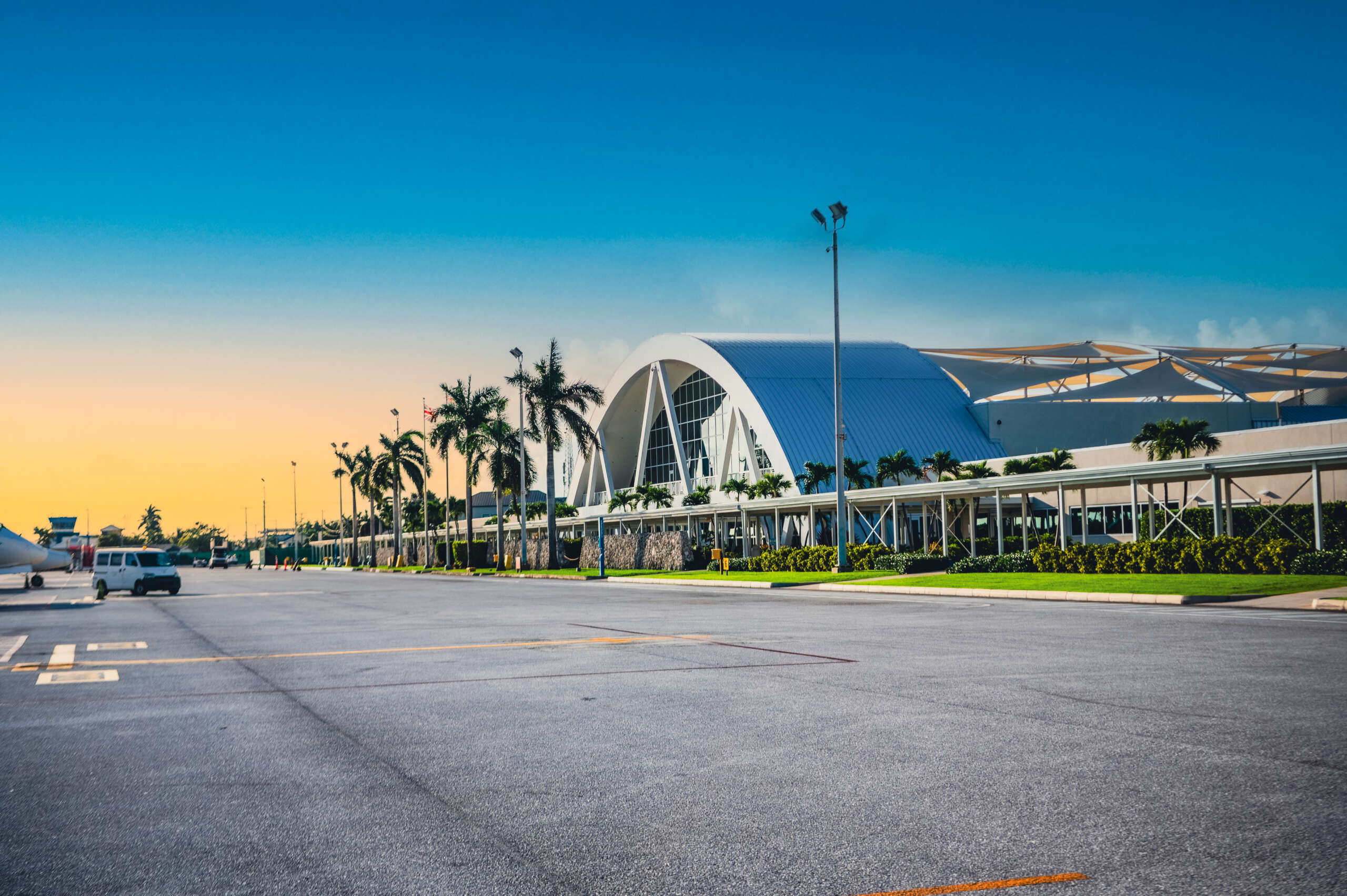
The world’s largest airline trade group has criticised the Cayman Islands Airports Authority for not consulting airlines over a plan to increase passenger fees to help pay for upcoming airport projects, including a new private jet terminal.
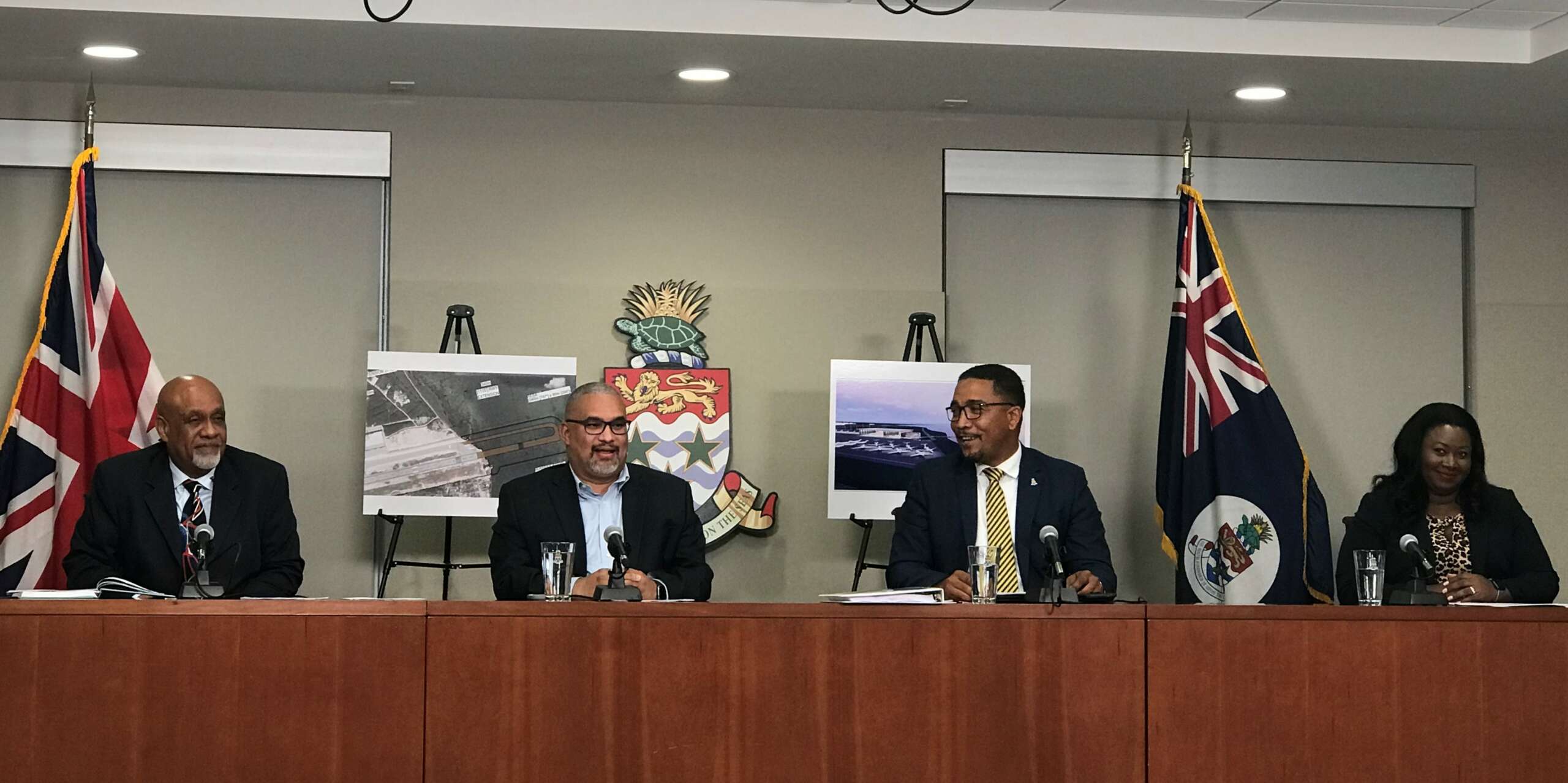
Airport officials in Cayman announced the temporary US$20 passenger fee increase at a press briefing in May this year at which details of new projects under an Airports Master Plan were outlined.
A spokesman for the International Air Transport Association, known as IATA, which represents 300 airlines worldwide, including most of the ones that fly to Cayman, said in a statement to the Compass last week that, while it understood the need for the redevelopment projects and the impact inflation has had on airport costs, “stakeholders should be consulted before implementing such adjustments”.
The spokesman said, “As an industry, we believe that financial information, including costs, capital expenditures and operating expenses, should be clearly presented to all stakeholders before decisions are made or legislation is passed.”
Objecting to paying for private jet facility
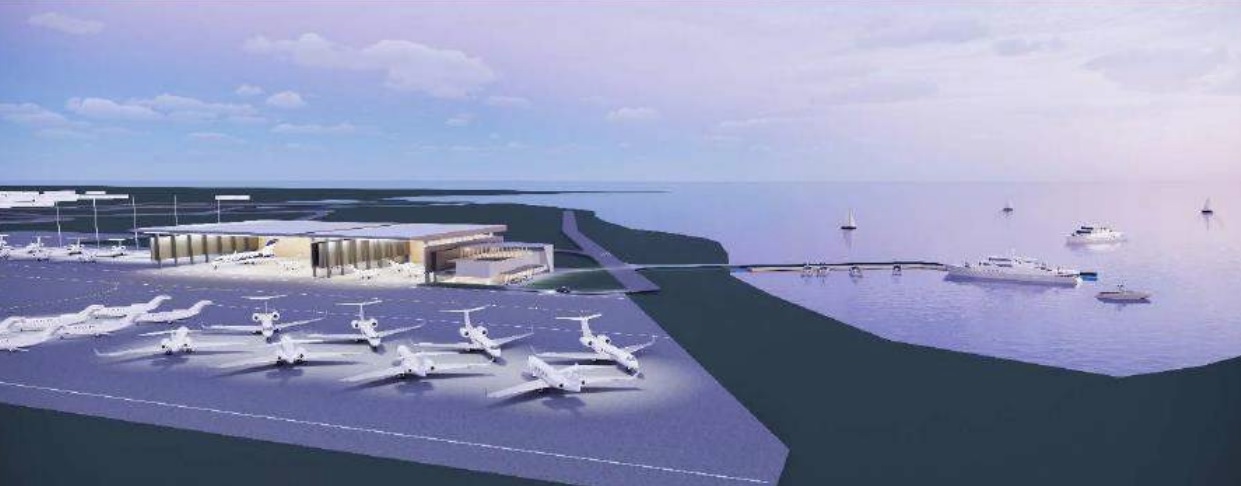
IATA also queried why passengers on commercial airlines should help foot the bill for a proposed $42 million private jet facility that they will never use.
“We would like to address the proposed construction of a new general aviation terminal facility which will be financed by the planned increase in charges,” the spokesman stated. “In this regard, IATA and the airlines strongly oppose cross-subsidization of projects, as it results in airlines and their passengers paying for infrastructures, they will never take advantage of, which lastly constitutes discrimination and contrary to [the International Civil Aviation Organization’s] policies on airport charges.”
The International Civil Aviation Organization is a United Nations agency that sets standards and regulations for aviation safety, security, efficiency, and regularity, as well as for aviation environmental protection, according to its website.
The organisation’s guidelines to which IATA refers states: “Consultation with airport and air navigation services users before changes in charging systems or levels of charges are introduced is important. The purpose of consultation is to ensure that the provider gives adequate information to users relating to the proposed changes and gives proper consideration to the views of users and the effect the charges will have on them. Agreement between providers and users is desirable.
“However, where agreement is not reached, the provider is free to impose the charges proposed, subject to a right of appeal to, or other determination by, a body independent of the provider, where available. If no appeal mechanism is in place, it is even more important that providers and users make every effort to reach an agreement on any changes in charging systems or levels of charges before they are introduced.”
IATA said it had written to the Cayman Islands Airports Authority over its concerns, asking for a consultative process before implementing the increased fees, which comprise a US$5 increase in the terminal fee and a new airport development fee of US$15.
Officials stated at the May press briefing that the airport development fee would only be applied during the construction period, which is estimated to be six years, from 2024 to 2029. The additional $20 fee is expected to earn government an estimated extra $15 million a year.
Airport chief says consultation not mandatory
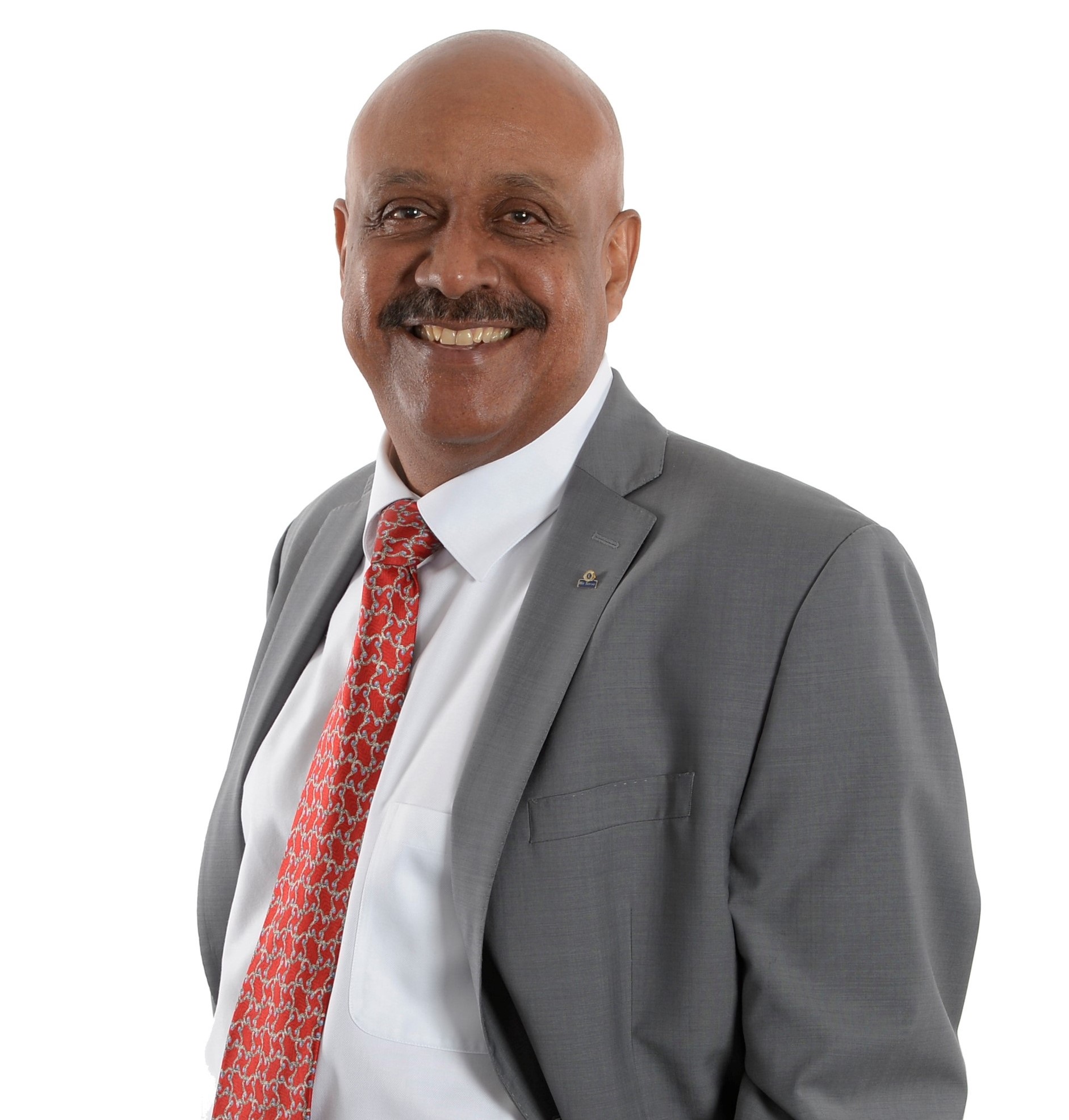
Albert Anderson, chief executive officer at the Cayman Islands Airports Authority, said it’s not unusual for IATA to request that its members be consulted over aviation-fee increases, but “they are not able to mandate that we increase or decrease our fees”.
He added that the airports authority is “in communication” with IATA on the matter.
Anderson said airport fee increases do not happen regularly, and noted that IATA had previously contacted the Cayman Islands Airports Authority about increases when its last Airports Master Plan was released in 2014.
The $20 increase has not yet been implemented, and no date has been set for when it will come into effect, Anderson said, though “my best guess would be sometime early next year”.
He added, “A lot of this is premature because the regulation has not been established yet.”
He said he could not comment further on the issue as “we are in discussions with IATA, and I don’t think it would be right to lay it out in the press before we complete the discussions with them”.
The latest Airports Master Plan outlines the Cayman Islands Airports Authority’s blueprint for developments at all three of the islands’ airports over the next two decades. Four projects have been highlighted as likely to carried out in the next few years – the general aviation terminal, an extension of the runway into the North Sound and new air traffic control surveillance at Owen Roberts International Airport, as well as runway end safety area works at the Charles Kirkconnell International Airport on Cayman Brac.
Some of these projects will be subject to environmental impact assessments before work gets under way. Anderson said the airports authority was communicating with the Department of Environment on these issues.
Read the Airports Master Plan and Outline Business Case for related projects here.
Related Videos







Here we go again, no thought to the Impact this sort of decision has on the world at large. The Cayman Government could easily budget this sort of expenditure from current revenues instead of all the “welfare state” freebies.
It too find it odd that they’ve left commercial passengers fees to go towards the private jet facility.
If commercial fees can be increased, surely the landing fees of the private flights can be increased to cover their own costs for their own facilities as well.
They are 100% correct. Why should I have to pay for private jets. Those by definition are very rich people and they can pay for their own building
You are pricing out the middle-income group that travels to Cayman frequently. Yes, you will still have your millionaires, but those are not the folks that consistently visit your islands and spend monies among the locals.
They are correct. Forcing ordinary people to subsidise the “millionaires’ terminal” is does result in airlines and passengers paying for infrastructures they will never be allowed to use. It is a form of class-based discrimination.
It is also, as many have commented at CNS, irrational: such millionaires spend minutes at most moving from their aircraft to their chauffeur-driven limousine (or vice-versa), and it would be exponentially cheaper to simply send a CBC officer onto the private jet and do the paperwore there, rather than build an entire terminal which will inevitably stand largely unused.
The new private terminal ranks up there with Kenny’s new Barbados route as being a pointless boondoggle which only the incompetent or corrupt (or possibly both) could support. (Kenny’s rationale for the Barbados route is apparently that it he can get to/from Caribbean tourist group meetings which are held there – he’s basically using Cayman Airways as his personal Uber. It’s like living in Idi Amin’s Uganda.)
I wonder how all the fees charged by the CIAA compare with other Caribbean destinations, maybe Mr Anderson can enlighten us. Did we ever get a final figure figure for the last airport upgrade which became obsolete as soon as it was finished?.
I think the Cayman Islands are becoming too greedy. It seems to me that we have enough airlines (including our own airline). I don’t think that the airport needs to be extended unless the airlines are threatening to only bring larger airlines to the islands (as the tourism shipping companies are doing). We just completed our new airport, what sort of planning was done if already we need to extend our airport and bring in more private aircraft, really? Every visitor who comes here adds one more person on our roads, and our roads are quite congested. I beg the Cayman Islands Government to please think longer term than building more buildings, instead of putting in jetways so our visitors coming by air do not get wet disembarking from their plane.
The $20 increase has not yet been implemented, and no date has been set for when it will come into effect, Anderson said, though “my best guess would be sometime early next year”.
Sure. And when they decide to put it into effect, everyone’s travel plans will have been made and the passengers will find that they are now forced to pay this new “fee” or cancel their trip.
This is typical of the government: Increase prices (fees) when they feel like it and those on the paying end have no choice but to go along with it.